
When people search for the best books about famous psychologists, they are usually trying to do one of two things. Some want a solid introduction to the thinkers who shaped modern psychology. Others want a more grounded way to understand how ideas from Freud, Fromm, Seligman, and other major figures actually influenced clinical practice, personality theory, or everyday thinking about behavior. Those are related goals, but not the same one, which is why the best book for a casual reader is often different from the best book for a student or professional.
For this topic, the strongest choices tend to be books that either explain a major psychologist’s ideas clearly, or show how those ideas fit into the broader history and criticism of psychology as a field. A good list should help readers move beyond name recognition and toward genuine understanding. That means favoring books with lasting scholarly or clinical value, even when they are not the flashiest options.
Quick Answer
If you want the clearest entry point into famous psychologists, start with Man’s Search for Meaning. It gives you a useful foundation in primary works, memoir, theory, clinical practice, and the historical context behind major psychological thinkers. Choose Memories, Dreams, Reflections when you want a more applied or contrasting approach, and use Flow when you want to extend the idea into a different context.
This list is designed for students, general readers, and professionals exploring influential psychologists and their ideas. The recommendations are intentionally varied: some explain the underlying research, some offer exercises, and some are strongest as narrative or leadership case studies. That variety makes it easier to choose a book that matches your current question rather than buying the longest list.
Comparison Table
| Book | Best For | Why It Stands Out |
|---|---|---|
| Man’s Search for Meaning | readers who want a foundational work by one of the best-known existential psychologists | It earns a place in this list because it adds a distinct perspective on meaning, suffering, responsibility, and the psychological ideas associated with Viktor Frankl, helping readers move beyond a generic motivational summary and choose a… |
| Memories, Dreams, Reflections | readers who want a personal route into Jung’s ideas and intellectual history | It earns a place in this list because it adds a distinct perspective on Carl Jung’s life, inner experiences, and the development of his psychological imagination, helping readers move beyond a generic motivational summary and choose a… |
| Flow | readers who want to understand Mihaly Csikszentmihalyi’s influence on positive psychology and performance | It earns a place in this list because it adds a distinct perspective on optimal experience, attention, motivation, and the psychology of deep engagement, helping readers move beyond a generic motivational summary and choose a practical… |
| The Archetypes and the Collective Unconscious | advanced readers who want a primary text connected to Jung’s psychological system | It earns a place in this list because it adds a distinct perspective on Jungian archetypes, symbolism, and the theoretical foundations of analytical psychology, helping readers move beyond a generic motivational summary and choose a… |
| The Gift of Therapy | readers and trainees who want to understand a famous therapist’s practical influence | It earns a place in this list because it adds a distinct perspective on Irvin Yalom’s clinical wisdom, therapeutic relationship, and the craft of psychotherapy, helping readers move beyond a generic motivational summary and choose a… |
| On Becoming a Person | readers who want a primary work from a major humanistic psychologist | It earns a place in this list because it adds a distinct perspective on Carl Rogers’s humanistic psychology, therapeutic presence, and the conditions that support growth, helping readers move beyond a generic motivational summary and… |
| Thinking, Fast and Slow | readers who want a widely influential psychologist’s account of decision-making | It earns a place in this list because it adds a distinct perspective on Daniel Kahneman’s work on judgment, cognitive biases, and the interaction between fast and deliberate thinking, helping readers move beyond a generic motivational… |
| The Interpretation of Dreams | readers studying the historical influence of Freud and the origins of psychoanalysis | It earns a place in this list because it adds a distinct perspective on Freud’s foundational psychoanalytic account of dreams, symbols, and the unconscious, helping readers move beyond a generic motivational summary and choose a practical… |
How We Chose These Recommendations
These books were selected for their long-term usefulness, not because they simply mention psychology in passing. The list favors books that help readers understand famous psychologists through biography, theory, clinical context, or intellectual history. That makes it more useful than a list built around titles alone.
We also favored books that have lasting relevance to psychology, psychotherapy, or closely related fields. Some are direct works by major psychological thinkers. Others explain the world those thinkers helped shape, which is often the fastest way to understand why a psychologist matters in the first place. Where a book is more specialized or more critical in tone, that is noted so readers can match the book to their own purpose.
Recommended Books
Man’s Search for Meaning

Overview: Man’s Search for Meaning gives readers a focused way to understand meaning, suffering, responsibility, and the psychological ideas associated with Viktor Frankl. Its value is not only the headline idea; it also shows how the idea affects decisions, habits, relationships, or work in real situations.
Why it stands out: It earns a place in this list because it adds a distinct perspective on meaning, suffering, responsibility, and the psychological ideas associated with Viktor Frankl, helping readers move beyond a generic motivational summary and choose a practical next step.
Strengths:
- Clear framework for the topic
- Useful examples or reflection prompts
- Can be applied beyond a single situation
Best for: readers who want a foundational work by one of the best-known existential psychologists
Potential limitations: It is a memoir and philosophical-psychological work, not a modern clinical treatment manual.
View price, available formats, and reader reviews.
Memories, Dreams, Reflections

Overview: Memories, Dreams, Reflections gives readers a focused way to understand Carl Jung’s life, inner experiences, and the development of his psychological imagination. Its value is not only the headline idea; it also shows how the idea affects decisions, habits, relationships, or work in real situations.
Why it stands out: It earns a place in this list because it adds a distinct perspective on Carl Jung’s life, inner experiences, and the development of his psychological imagination, helping readers move beyond a generic motivational summary and choose a practical next step.
Strengths:
- Clear framework for the topic
- Useful examples or reflection prompts
- Can be applied beyond a single situation
Best for: readers who want a personal route into Jung’s ideas and intellectual history
Potential limitations: The memoir is interpretive and personal rather than a neutral biography or controlled study.
View price, available formats, and reader reviews.
Flow
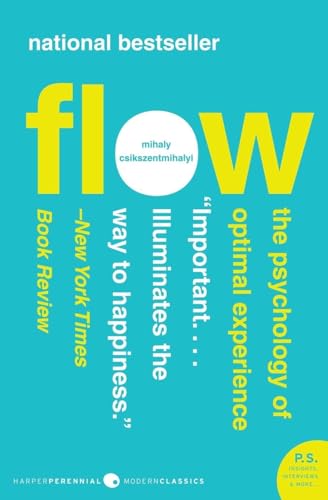
Overview: Flow gives readers a focused way to understand optimal experience, attention, motivation, and the psychology of deep engagement. Its value is not only the headline idea; it also shows how the idea affects decisions, habits, relationships, or work in real situations.
Why it stands out: It earns a place in this list because it adds a distinct perspective on optimal experience, attention, motivation, and the psychology of deep engagement, helping readers move beyond a generic motivational summary and choose a practical next step.
Strengths:
- Clear framework for the topic
- Useful examples or reflection prompts
- Can be applied beyond a single situation
Best for: readers who want to understand Mihaly Csikszentmihalyi’s influence on positive psychology and performance
Potential limitations: The concept is powerful but should not be reduced to a productivity promise or constant work intensity.
View price, available formats, and reader reviews.
The Archetypes and the Collective Unconscious

Overview: The Archetypes and the Collective Unconscious gives readers a focused way to understand Jungian archetypes, symbolism, and the theoretical foundations of analytical psychology. Its value is not only the headline idea; it also shows how the idea affects decisions, habits, relationships, or work in real situations.
Why it stands out: It earns a place in this list because it adds a distinct perspective on Jungian archetypes, symbolism, and the theoretical foundations of analytical psychology, helping readers move beyond a generic motivational summary and choose a practical next step.
Strengths:
- Clear framework for the topic
- Useful examples or reflection prompts
- Can be applied beyond a single situation
Best for: advanced readers who want a primary text connected to Jung’s psychological system
Potential limitations: The writing is theoretical and historically situated; it requires critical reading rather than literal acceptance.
View price, available formats, and reader reviews.
The Gift of Therapy

Overview: The Gift of Therapy gives readers a focused way to understand Irvin Yalom’s clinical wisdom, therapeutic relationship, and the craft of psychotherapy. Its value is not only the headline idea; it also shows how the idea affects decisions, habits, relationships, or work in real situations.
Why it stands out: It earns a place in this list because it adds a distinct perspective on Irvin Yalom’s clinical wisdom, therapeutic relationship, and the craft of psychotherapy, helping readers move beyond a generic motivational summary and choose a practical next step.
Strengths:
- Clear framework for the topic
- Useful examples or reflection prompts
- Can be applied beyond a single situation
Best for: readers and trainees who want to understand a famous therapist’s practical influence
Potential limitations: It is not a substitute for training, supervision, or therapy from a qualified professional.
View price, available formats, and reader reviews.
On Becoming a Person

Overview: On Becoming a Person gives readers a focused way to understand Carl Rogers’s humanistic psychology, therapeutic presence, and the conditions that support growth. Its value is not only the headline idea; it also shows how the idea affects decisions, habits, relationships, or work in real situations.
Why it stands out: It earns a place in this list because it adds a distinct perspective on Carl Rogers’s humanistic psychology, therapeutic presence, and the conditions that support growth, helping readers move beyond a generic motivational summary and choose a practical next step.
Strengths:
- Clear framework for the topic
- Useful examples or reflection prompts
- Can be applied beyond a single situation
Best for: readers who want a primary work from a major humanistic psychologist
Potential limitations: The approach is relational and reflective rather than a step-by-step protocol for every clinical problem.
View price, available formats, and reader reviews.
Thinking, Fast and Slow
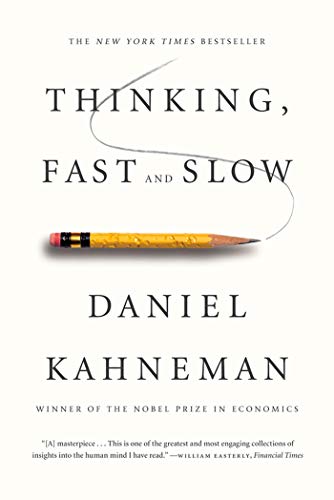
Overview: Thinking, Fast and Slow gives readers a focused way to understand Daniel Kahneman’s work on judgment, cognitive biases, and the interaction between fast and deliberate thinking. Its value is not only the headline idea; it also shows how the idea affects decisions, habits, relationships, or work in real situations.
Why it stands out: It earns a place in this list because it adds a distinct perspective on Daniel Kahneman’s work on judgment, cognitive biases, and the interaction between fast and deliberate thinking, helping readers move beyond a generic motivational summary and choose a practical next step.
Strengths:
- Clear framework for the topic
- Useful examples or reflection prompts
- Can be applied beyond a single situation
Best for: readers who want a widely influential psychologist’s account of decision-making
Potential limitations: The book is broad and demanding; readers should distinguish memorable explanations from current debates about replication and application.
View price, available formats, and reader reviews.
The Interpretation of Dreams

Overview: The Interpretation of Dreams gives readers a focused way to understand Freud’s foundational psychoanalytic account of dreams, symbols, and the unconscious. Its value is not only the headline idea; it also shows how the idea affects decisions, habits, relationships, or work in real situations.
Why it stands out: It earns a place in this list because it adds a distinct perspective on Freud’s foundational psychoanalytic account of dreams, symbols, and the unconscious, helping readers move beyond a generic motivational summary and choose a practical next step.
Strengths:
- Clear framework for the topic
- Useful examples or reflection prompts
- Can be applied beyond a single situation
Best for: readers studying the historical influence of Freud and the origins of psychoanalysis
Potential limitations: It is historically important, but many claims should be read as intellectual history rather than current empirical consensus.
View price, available formats, and reader reviews.
Who This List Is Best For
These recommendations are a good fit for students, general readers, and professionals exploring influential psychologists and their ideas. They are especially useful if you want to understand famous psychologists with more nuance than a short checklist, quote, or social-media summary can provide.
- Readers who want a clear conceptual foundation before choosing a technique.
- People who prefer to compare research, practical exercises, and real-world examples.
- Professionals, students, or caregivers who need language they can apply in a real conversation or decision.
Use the Best For and Why It Stands Out columns together. A book can be excellent yet still be the wrong starting point if its depth, tone, or intended reader does not match your goal.
Final Thoughts
The strongest choice for famous psychologists depends on what you need to do next. Begin with Man’s Search for Meaning if you need a foundation, move to Memories, Dreams, Reflections if you need a practical change, and consider Flow if you need a broader or more challenging perspective. The comparison table is meant to shorten that decision, not pretend that one book works for every reader.
A useful reading plan is simple: select one book, write down the question you want it to answer, and apply one idea before moving to another recommendation. For this topic, read each psychologist as a product of a time and tradition, then compare the ideas rather than treating one as final. historical influence is not the same as current scientific consensus.
FAQ
Which book should I read first for famous psychologists?
Start with Man’s Search for Meaning if you want the clearest foundation. If your immediate need is action rather than background, compare it with Memories, Dreams, Reflections and choose the one whose exercises, examples, or audience match your situation.
How do I choose between a research-based book and a workbook?
Choose the research-oriented option when you need context and a better mental model. Choose the workbook or practical guide when you already understand the problem and need repetition, prompts, or a structured plan. The table’s Best For column is the fastest way to make that distinction.
What is a practical way to use books about famous psychologists?
Do not read the whole list at once. Pick one recommendation, define the behavior or decision you want to improve, and test a small idea from the book for seven days. For this topic, read each psychologist as a product of a time and tradition, then compare the ideas rather than treating one as final.
Are these recommendations suitable for self-study?
Yes, for education and structured reflection. Take notes in your own words, mark claims you want to verify, and discuss difficult ideas with a trusted person or qualified professional when appropriate.
Do I need to read every book on the list?
No. One well-matched book that changes what you notice or do is more valuable than collecting several recommendations without applying any of them.