
Grief changes how people think, speak, sleep, and make decisions. It also leaves many readers unsure what kind of book might actually help. Some want honest company in the middle of loss. Others want a steadier understanding of what grief does to the mind and body. Some need short reflections they can return to on difficult days, while others benefit from a more clinical, structured approach. The best books for grief do not all try to do the same thing, and that is part of what makes a carefully chosen list useful.
The recommendations below balance emotional support, practical guidance, and long-standing credibility. A few are more reflective and personal, while others are grounded in clinical experience or written in a daily, manageable format. None of them can replace support from a therapist, doctor, or grief counselor when that is needed, but the right book can make grief feel less isolating and a little more understandable.
Quick Answer
If you want the best books for grief, start with It’s OK That You’re Not OK, Bearing the Unbearable, and On Grief and Grieving. For a gentler daily companion, Healing After Loss and Grief One Day at a Time are strong choices. If you are dealing with a sudden or traumatic loss, I Wasn’t Ready to Say Goodbye is especially relevant.
Comparison Table
| Book | Best For | Why It Stands Out |
|---|---|---|
| It’s OK That You’re Not OK: Meeting Grief and Loss in a Culture That Doesn’t Understand | Readers who want a compassionate, emotionally intelligent book that acknowledges how difficult grief really is. | Among the best books for grief, this is one of the most validating. It does not flatten grief into a set of cheerful coping tips. Instead, it gives readers language for the hard parts, which can be deeply relieving when they feel… |
| Bearing the Unbearable: Love, Loss, and the Heartbreaking Path of Grief | Readers who want a deeper, more contemplative book about grief and love after loss. | This is one of the strongest choices for readers who want grief writing that is serious without being cold. It respects the scale of loss and does not try to tame it. Compared with more conventional self-help books, it feels broader in… |
| On Grief and Grieving: Finding the Meaning of Grief Through the Five Stages of Loss | Readers who want a foundational, widely known book on grief theory and meaning-making. | The book earns its place for historical and educational value. Even readers who do not treat the five stages as a rigid formula can benefit from seeing grief discussed in a recognizable, organized way. It is especially useful for people… |
| Healing After Loss: Daily Meditations For Working Through Grief | Readers who want brief, daily support they can return to over time. | Grief often makes long reading sessions difficult. That is where this book is especially useful. It does not ask readers to process everything at once. Instead, it creates a gentle rhythm that can support someone through the early months… |
| Grief One Day at a Time: 365 Meditations to Help You Heal After Loss | Readers who want an organized daily grief companion with a steady pace. | The main strength here is consistency. Instead of expecting readers to make sense of grief all at once, it provides a clear companion for the long haul. That makes it different from more narrative or essay-based grief books. It is one of… |
| I Wasn’t Ready to Say Goodbye: Surviving, Coping and Healing After the Sudden Death of a Loved One | People dealing with an unexpected death who need focused, compassionate guidance. | Many grief books speak generally about loss, but this one is more specific. That specificity matters. It recognizes the confusion that can follow an abrupt death and gives readers a book that matches the reality they are living through.… |
| Good Grief: A Companion for Every Loss | Readers who want a compassionate, broadly useful grief companion. | Some grief books are highly specific or deeply theoretical. This one sits in the middle, offering a readable, general-purpose companion for people at different stages of loss. That versatility is valuable, especially when the reader is… |
| How to Carry What Can’t Be Fixed: A Journal for Grief | Readers who want a grief workbook-style companion with thoughtful prompts. | Not every grieving reader wants theory or long essays. Some need a structured place to put thoughts that feel too scattered for ordinary note-taking. This book earns its place because it turns reflection into a manageable practice.… |
How We Chose These Recommendations
These books were chosen for usefulness, credibility, and range. Grief is not a single experience, so a helpful list needs more than one tone or method. Some readers need validation and language for what they are feeling. Others want clinical context, daily structure, or a workbook-style format that helps them stay engaged when concentration is difficult.
Priority went to books with long-term value, clear relevance to loss, and a track record of being useful to readers in real life. For a mental health topic like grief, that also means preferring books that are thoughtful, grounded, and careful about what they claim. The result is a list meant to help different kinds of readers choose with confidence.
Recommended Books
It’s OK That You’re Not OK: Meeting Grief and Loss in a Culture That Doesn’t Understand
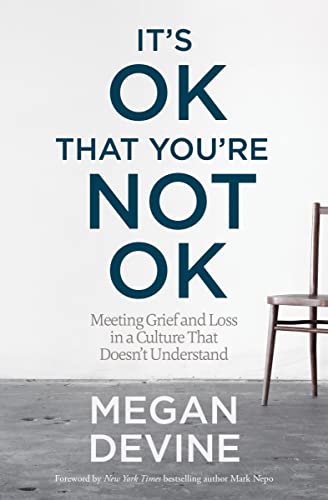
Overview: Megan Devine writes from both professional and personal experience, and that combination gives this book unusual clarity. Rather than treating grief as a problem to solve or a stage to complete, she addresses the reality that deep loss often changes a person’s life in lasting ways. The book is especially direct about the discomfort many grieving people feel when others expect them to “move on” quickly.
Why it stands out: Among the best books for grief, this is one of the most validating. It does not flatten grief into a set of cheerful coping tips. Instead, it gives readers language for the hard parts, which can be deeply relieving when they feel misunderstood. It is especially helpful for people who want emotional honesty more than consolation.
Strengths:
- Offers clear validation without sentimentalizing loss
- Addresses the social awkwardness that often surrounds grief
- Useful for readers who feel isolated or misunderstood
Best for: Readers who want a compassionate, emotionally intelligent book that acknowledges how difficult grief really is.
Potential limitations: Readers seeking a highly structured self-help plan may find the book more reflective than practical.
View price, available formats, and reader reviews.
Bearing the Unbearable: Love, Loss, and the Heartbreaking Path of Grief

Overview: Joanne Cacciatore brings a measured, reflective voice to grief, drawing on her work with bereaved families and her own experience of loss. The book moves through grief with philosophical depth, but it stays grounded in lived reality. It is less interested in quick comfort than in helping readers understand what it means to continue living with love and pain at the same time.
Why it stands out: This is one of the strongest choices for readers who want grief writing that is serious without being cold. It respects the scale of loss and does not try to tame it. Compared with more conventional self-help books, it feels broader in its emotional and moral perspective, which makes it a good fit for readers who want more than coping advice.
Strengths:
- Thoughtful and humane without being abstract
- Especially useful for readers drawn to reflective, compassionate writing
- Helps normalize the long arc of mourning
Best for: Readers who want a deeper, more contemplative book about grief and love after loss.
Potential limitations: Its reflective style may feel slower than a more practical grief guide.
View price, available formats, and reader reviews.
On Grief and Grieving: Finding the Meaning of Grief Through the Five Stages of Loss

Overview: This book remains one of the most recognizable names in grief literature because it gives readers a familiar framework for understanding loss. It explores the five stages model associated with Elisabeth Kübler-Ross and applies it to the emotional experience of grieving. For many readers, that structure is helpful simply because grief can feel chaotic and hard to name.
Why it stands out: The book earns its place for historical and educational value. Even readers who do not treat the five stages as a rigid formula can benefit from seeing grief discussed in a recognizable, organized way. It is especially useful for people who want a classic reference point and do not mind that the model is more interpretive than strictly scientific.
Strengths:
- Clear framework for understanding the emotional movement of grief
- Widely discussed in counseling and general grief education
- Helpful for readers who want structure around an overwhelming experience
Best for: Readers who want a foundational, widely known book on grief theory and meaning-making.
Potential limitations: Some readers may find the stages model too neat for the messy reality of mourning.
View price, available formats, and reader reviews.
Healing After Loss: Daily Meditations For Working Through Grief

Overview: For readers who need something small and steady rather than long chapters, this collection of daily meditations offers a manageable way to stay connected to grief work. The format is practical in the best sense. It gives brief reflections that can be read on difficult mornings, during quiet moments, or whenever concentration is limited.
Why it stands out: Grief often makes long reading sessions difficult. That is where this book is especially useful. It does not ask readers to process everything at once. Instead, it creates a gentle rhythm that can support someone through the early months of loss or through periods when emotion is hard to organize. Among the best books for grief, it is one of the easiest to live with day to day.
Strengths:
- Short entries are easier to use during emotionally draining periods
- Works well as an ongoing companion rather than a one-time read
- Offers comfort without feeling overly sentimental
Best for: Readers who want brief, daily support they can return to over time.
Potential limitations: Readers looking for deeper analysis or a more explicit therapeutic framework may want a fuller book alongside it.
View price, available formats, and reader reviews.
Grief One Day at a Time: 365 Meditations to Help You Heal After Loss

Overview: This book uses a year-long structure to help readers move through grief in small, manageable steps. Because it belongs to the Understanding Your Grief series, it carries the influence of a respected grief-education tradition rather than offering generic inspiration. The daily format makes it especially approachable for people who are overwhelmed by larger books but still want something purposeful.
Why it stands out: The main strength here is consistency. Instead of expecting readers to make sense of grief all at once, it provides a clear companion for the long haul. That makes it different from more narrative or essay-based grief books. It is one of the most practical options for readers who value structure and repetition during a disorienting period.
Strengths:
- 365 short meditations create an accessible daily practice
- Structured format reduces the pressure to read in large blocks
- Well suited to readers who prefer gradual support
Best for: Readers who want an organized daily grief companion with a steady pace.
Potential limitations: The format can feel repetitive if you prefer books with a strong narrative arc.
View price, available formats, and reader reviews.
I Wasn’t Ready to Say Goodbye: Surviving, Coping and Healing After the Sudden Death of a Loved One

Overview: Sudden loss brings a different kind of grief. Shock, disbelief, and practical disorientation often sit right beside sorrow. This book focuses on that experience directly, making it especially relevant for readers who have lost someone unexpectedly and need help with the aftermath as well as the emotions.
Why it stands out: Many grief books speak generally about loss, but this one is more specific. That specificity matters. It recognizes the confusion that can follow an abrupt death and gives readers a book that matches the reality they are living through. For that reason, it fills an important gap on a list of the best books for grief.
Strengths:
- Addresses the unique impact of sudden death
- Helpful for readers who feel shocked or emotionally unprepared
- Balances coping guidance with emotional recognition
Best for: People dealing with an unexpected death who need focused, compassionate guidance.
Potential limitations: Its value is most obvious for sudden loss, so it is less targeted for other grief experiences.
View price, available formats, and reader reviews.
Good Grief: A Companion for Every Loss
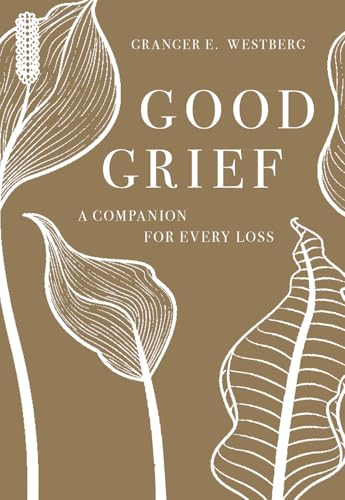
Overview: This book is designed as a companion for different kinds of loss, which makes it a flexible choice for readers who want something broad and approachable. It offers a supportive tone without narrowing its focus to one type of bereavement. That broader scope can be especially helpful when someone is still trying to name what kind of support they need.
Why it stands out: Some grief books are highly specific or deeply theoretical. This one sits in the middle, offering a readable, general-purpose companion for people at different stages of loss. That versatility is valuable, especially when the reader is unsure whether they need comfort, perspective, or a starting point. It is not the most clinical book on the list, but it does provide a welcoming entry into grief reading.
Strengths:
- Broad enough to suit different grief experiences
- Easy to approach without specialized background knowledge
- Works well as a first book when someone is not sure where to begin
Best for: Readers who want a compassionate, broadly useful grief companion.
Potential limitations: Readers wanting a very specific framework or therapeutic model may prefer a more focused title.
View price, available formats, and reader reviews.
How to Carry What Can’t Be Fixed: A Journal for Grief

Overview: Although this is a journal format, it is still a useful grief book for readers who want guided reflection rather than passive reading. The prompts create room for naming difficult feelings, remembering the person who died, and noticing how grief affects daily life. It is especially helpful for people who process better through writing than through extended reading.
Why it stands out: Not every grieving reader wants theory or long essays. Some need a structured place to put thoughts that feel too scattered for ordinary note-taking. This book earns its place because it turns reflection into a manageable practice. Compared with more traditional grief titles, it is more interactive and often more immediately usable for people who feel stuck.
Strengths:
- Guided format supports active reflection
- Useful for readers who want to write rather than only read
- Can be revisited gradually over time
Best for: Readers who want a grief workbook-style companion with thoughtful prompts.
Potential limitations: Because it is a journal, it is less suitable for readers who want a conventional narrative or explanatory book.
View price, available formats, and reader reviews.
Who This List Is Best For
This list is best for readers who want grief books that are emotionally honest, practical, and readable. It will help complete beginners, people in the middle of active mourning, and readers who are supporting someone else through loss. It is also useful for anyone who wants a mix of validation, structure, and reflection instead of only one style of support.
Professionals and students in counseling, social work, or related mental health fields may also find the list useful as a starting point for understanding how grief is written about outside strictly academic texts.
Final Thoughts
If your main need is emotional validation, start with It’s OK That You’re Not OK. If you want something more reflective and philosophical, Bearing the Unbearable is the strongest choice. If you prefer a familiar framework, On Grief and Grieving gives you that structure.
If you are too overwhelmed for longer chapters, choose Healing After Loss or Grief One Day at a Time. If the loss was sudden, begin with I Wasn’t Ready to Say Goodbye. For readers who want a flexible general companion, Good Grief is a steady place to begin, while How to Carry What Can’t Be Fixed works best when writing helps more than reading alone.
FAQ
Which book is best for beginners?
It’s OK That You’re Not OK is one of the best starting points because it is clear, compassionate, and easy to trust emotionally. If you want something shorter and gentler, Healing After Loss is also a good entry point.
Which book is easiest to read?
Healing After Loss and Grief One Day at a Time are the most approachable because they are built from short reflections. They are easier to handle when concentration is low.
Which book is best for sudden loss?
I Wasn’t Ready to Say Goodbye is the most targeted recommendation for sudden or unexpected death. It addresses the shock and confusion that often follow that kind of loss.
Which book offers the most structure?
On Grief and Grieving offers a recognizable framework, while Grief One Day at a Time provides the most consistent daily structure.
Can I learn from these books without going to therapy?
Yes, these books can be very helpful for understanding grief and finding language for what you feel. Still, reading is not a substitute for professional care when grief is severe, prolonged, or complicated by depression, trauma, or risk to safety.
Which book should I read first if I do not know what I need?
Start with It’s OK That You’re Not OK if you want emotional clarity, or Good Grief if you want a broader and more general companion. Those are the most flexible starting points for many readers.