
Onboarding is one of those topics that looks simple until you have to do it well. A manager may need to bring a new hire up to speed without overwhelming them. An HR team may want a repeatable process that actually sticks. A product leader may be trying to turn first-time users into long-term customers. Even a new employee may just want a better way to survive the first 90 days with some structure and confidence. The best books for onboarding do not all solve the same problem, which is why a good list needs more than a single kind of recommendation.
Some books focus on employee development, some on customer onboarding, and some on the practical mechanics of helping people settle in quickly. The strongest choices below were selected for their usefulness, clarity, and fit for different onboarding needs. If you are trying to build a better process, improve retention, or simply start a new role more effectively, these books offer distinct approaches worth considering.
Quick Answer
If you want the clearest entry point into onboarding, start with From Onboarding to Everboarding: Redefining Employee Development. It gives you a useful foundation in expectations, learning, role clarity, support, product adoption, and the transition from welcome to performance. Choose The Onboarding Standard: A Repeatable System for Getting New Hires Productive Fast when you want a more applied or contrasting approach, and use Executive Onboarding when you want to extend the idea into a different context.
This list is designed for HR professionals, managers, product teams, and leaders improving new-hire or new-customer activation. The recommendations are intentionally varied: some explain the underlying research, some offer exercises, and some are strongest as narrative or leadership case studies. That variety makes it easier to choose a book that matches your current question rather than buying the longest list.
Comparison Table
| Book | Best For | Why It Stands Out |
|---|---|---|
| From Onboarding to Everboarding: Redefining Employee Development | HR professionals, learning and development teams, and managers rethinking onboarding as a continuous process. | Among books on onboarding, this one is valuable because it pushes the conversation past basic orientation. It is a strong fit for companies trying to connect onboarding with performance, growth, and retention. Readers who already have a… |
| The Onboarding Standard: A Repeatable System for Getting New Hires Productive Fast | Team leaders, operations managers, and HR professionals building scalable onboarding systems. | The strongest reason to include it is its practical focus on standardization. Many onboarding books discuss the importance of welcoming new employees, but fewer deal directly with the operational reality of repeatable systems. This one is… |
| Executive Onboarding | Boards, CEOs, HR leaders, and executives preparing for a major transition. | The main advantage here is specialization. Many onboarding books assume a general employee audience, but executive onboarding requires a different level of planning and support. This book belongs on the list because it helps organizations… |
| Product-Led Onboarding: How to Turn New Users Into Lifelong Customers | SaaS teams, product leaders, UX professionals, and founders focused on adoption. | What makes this recommendation useful is its product-specific lens. Plenty of business books discuss onboarding broadly, but few connect it as directly to activation and long-term customer behavior. If your work involves software or a… |
| Onboarding Matters: How Successful Companies Transform New Customers Into Loyal Champions | Customer success leaders, account managers, and businesses with recurring customer relationships. | The distinction here is loyalty. Some onboarding books are mostly about orientation or activation, but this one emphasizes long-term customer relationships. That gives it a useful place on the list for readers whose onboarding challenge… |
| Talent Selection and Onboarding Tool Kit: How to Find, Hire, and Develop the Best of the Best | HR professionals, recruiters, and hiring managers who want a more integrated talent strategy. | Its main value is the bridge it builds between recruitment and onboarding. Many companies improve orientation without fixing the handoff from hiring, but the two are closely connected in practice. This book is a good choice for leaders… |
| Creative Onboarding Programs: Tools for Energizing Your Orientation Program | HR trainers, people ops teams, and managers refreshing an existing onboarding program. | Compared with more systems-focused books, this one is especially helpful for teams that need fresh ideas. It belongs on the list because some onboarding programs do not fail for lack of policy. They fail because the experience is flat.… |
| The Best Team Wins: The New Science of High Performance | Managers, team leaders, and business readers interested in the performance side of onboarding. | The book broadens the onboarding conversation. Instead of focusing only on forms, training, or first-week schedules, it asks what kind of team environment allows new people to contribute quickly. That makes it a smart choice for readers… |
How We Chose These Recommendations
The best books for onboarding should help readers solve real problems, not just define the term. That means favoring books with practical frameworks, durable professional relevance, and a clear sense of audience. For this list, the focus stayed on books that address onboarding as a business, leadership, customer success, or workplace performance issue, rather than books that merely mention the word in passing.
We also looked for meaningful differences in approach. Some books are better for designing a company-wide process. Others are better for executive transitions, product adoption, or the first 90 days in a new role. A strong onboarding list should help readers choose based on their actual situation, not just their search term.
Recommended Books
From Onboarding to Everboarding: Redefining Employee Development
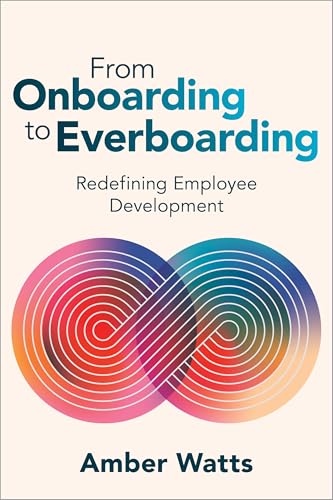
Overview: This book reframes onboarding as part of a longer employee-development journey rather than a short introductory phase. That makes it especially useful for organizations that want new hires to keep learning after the first few weeks instead of treating onboarding as a one-time event. The emphasis on “everboarding” reflects a more modern approach to workplace learning, where managers, HR teams, and L&D professionals think about continuity instead of cutoff dates.
Why it stands out: Among books on onboarding, this one is valuable because it pushes the conversation past basic orientation. It is a strong fit for companies trying to connect onboarding with performance, growth, and retention. Readers who already have a basic onboarding process but know it stops too soon will find the most value here.
Strengths:
- Expands onboarding into ongoing development
- Useful for HR, L&D, and people leaders
- Fits organizations looking to improve retention and growth
Best for: HR professionals, learning and development teams, and managers rethinking onboarding as a continuous process.
Potential limitations: Readers looking for a narrow, step-by-step onboarding checklist may find the scope broader than they need.
View price, available formats, and reader reviews.
The Onboarding Standard: A Repeatable System for Getting New Hires Productive Fast

Overview: This book is centered on building a consistent system for getting new hires productive quickly. That makes it particularly relevant for organizations that need onboarding to scale across teams or departments. Instead of treating every new hire as a special case, it points readers toward repeatable structure, which is often the difference between a decent onboarding experience and one that actually works.
Why it stands out: The strongest reason to include it is its practical focus on standardization. Many onboarding books discuss the importance of welcoming new employees, but fewer deal directly with the operational reality of repeatable systems. This one is especially useful for managers and operations-minded leaders who want onboarding to be measurable and dependable.
Strengths:
- Practical framework for repeatable onboarding
- Well suited to growing organizations
- Focuses on productivity, not just orientation
Best for: Team leaders, operations managers, and HR professionals building scalable onboarding systems.
Potential limitations: Readers looking for a more reflective or people-centered approach may want something less process-driven.
View price, available formats, and reader reviews.
Executive Onboarding

Overview: Executive transitions are not the same as standard onboarding. New leaders enter with higher visibility, broader responsibilities, and fewer chances to learn by trial and error. This book focuses on that specific challenge, making it useful for companies hiring senior leaders as well as for executives stepping into a new role. It addresses the practical and political realities that come with leadership transitions.
Why it stands out: The main advantage here is specialization. Many onboarding books assume a general employee audience, but executive onboarding requires a different level of planning and support. This book belongs on the list because it helps organizations avoid expensive mistakes during leadership transitions, where early missteps can have outsized consequences.
Strengths:
- Directly focused on senior leadership transitions
- Relevant to both organizations and incoming executives
- Addresses the stakes of onboarding at the top level
Best for: Boards, CEOs, HR leaders, and executives preparing for a major transition.
Potential limitations: Its focus is narrow, so it is not the best choice for general employee onboarding.
View price, available formats, and reader reviews.
Product-Led Onboarding: How to Turn New Users Into Lifelong Customers

Overview: For digital products, onboarding is not just about helping someone sign up. It is about helping them reach value quickly enough to stay. This book focuses on that challenge in a product-led growth context, making it especially relevant for SaaS teams, product managers, UX designers, and founders. It addresses how onboarding can guide users from curiosity to adoption without unnecessary friction.
Why it stands out: What makes this recommendation useful is its product-specific lens. Plenty of business books discuss onboarding broadly, but few connect it as directly to activation and long-term customer behavior. If your work involves software or a digital service, this book is much more useful than a general management title.
Strengths:
- Strong fit for product-led businesses
- Connects onboarding to activation and retention
- Useful for product, design, and growth teams
Best for: SaaS teams, product leaders, UX professionals, and founders focused on adoption.
Potential limitations: Readers outside the software or digital-product space may find the examples less relevant.
View price, available formats, and reader reviews.
Onboarding Matters: How Successful Companies Transform New Customers Into Loyal Champions
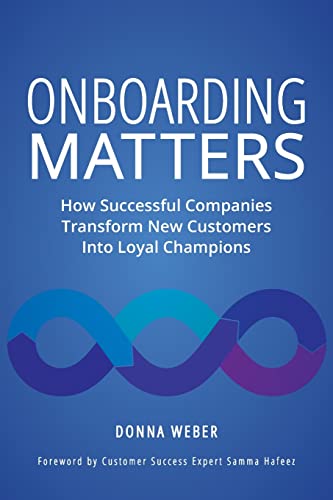
Overview: This book approaches onboarding from the customer side, which is important for companies that want to improve retention after the sale. It focuses on how businesses turn new customers into confident, loyal users rather than treating the first interaction as the finish line. That makes it especially relevant for customer success teams, service organizations, and account managers.
Why it stands out: The distinction here is loyalty. Some onboarding books are mostly about orientation or activation, but this one emphasizes long-term customer relationships. That gives it a useful place on the list for readers whose onboarding challenge is not internal hiring but post-sale adoption and satisfaction.
Strengths:
- Focused on customer retention and loyalty
- Practical for service and customer success teams
- Useful for companies trying to improve the post-sale experience
Best for: Customer success leaders, account managers, and businesses with recurring customer relationships.
Potential limitations: It is not aimed at employee onboarding, so readers in HR or people operations will likely want a different book.
View price, available formats, and reader reviews.
Talent Selection and Onboarding Tool Kit: How to Find, Hire, and Develop the Best of the Best

Overview: This book connects hiring and onboarding instead of treating them as separate phases. That perspective is especially useful because weak onboarding often starts with poor selection, unclear expectations, or mismatched roles. Readers who want a broader talent-management view will appreciate how the book ties together finding, hiring, and early development.
Why it stands out: Its main value is the bridge it builds between recruitment and onboarding. Many companies improve orientation without fixing the handoff from hiring, but the two are closely connected in practice. This book is a good choice for leaders who want to strengthen the full early-employee experience rather than only the first day or week.
Strengths:
- Connects selection, hiring, and onboarding
- Useful for talent-focused organizations
- Supports a broader view of early employee success
Best for: HR professionals, recruiters, and hiring managers who want a more integrated talent strategy.
Potential limitations: Readers seeking only a concise onboarding guide may find the scope broader than necessary.
View price, available formats, and reader reviews.
Creative Onboarding Programs: Tools for Energizing Your Orientation Program

Overview: Orientation programs can become routine, forgettable, and overly procedural. This book is aimed at readers who want to make the onboarding experience more engaging without losing structure. Its practical value lies in helping organizations improve the feel of orientation, which can matter a great deal for new hires trying to form an early impression of the company.
Why it stands out: Compared with more systems-focused books, this one is especially helpful for teams that need fresh ideas. It belongs on the list because some onboarding programs do not fail for lack of policy. They fail because the experience is flat. Readers looking for ways to make orientation more memorable and effective will get a different angle here.
Strengths:
- Helpful for improving the new-hire experience
- Offers a more creative orientation perspective
- Useful for HR and training teams
Best for: HR trainers, people ops teams, and managers refreshing an existing onboarding program.
Potential limitations: It is more specialized than a general onboarding strategy book.
View price, available formats, and reader reviews.
The Best Team Wins: The New Science of High Performance

Overview: This book is not an onboarding manual in the narrow sense, but it is highly relevant for leaders who want to understand what makes teams work well once people are inside the organization. That matters because onboarding is only successful if new people are absorbed into a high-performing team culture. Its value lies in connecting team composition, behavior, and performance in a way that is practical for managers.
Why it stands out: The book broadens the onboarding conversation. Instead of focusing only on forms, training, or first-week schedules, it asks what kind of team environment allows new people to contribute quickly. That makes it a smart choice for readers who want onboarding to support actual performance, not just early comfort.
Strengths:
- Strong link between team dynamics and performance
- Useful for managers building effective teams
- Offers a wider organizational context for onboarding
Best for: Managers, team leaders, and business readers interested in the performance side of onboarding.
Potential limitations: It is broader than a dedicated onboarding book, so readers who want a step-by-step onboarding framework may prefer one of the more focused titles above.
View price, available formats, and reader reviews.
Who This List Is Best For
These recommendations are a good fit for HR professionals, managers, product teams, and leaders improving new-hire or new-customer activation. They are especially useful if you want to understand onboarding with more nuance than a short checklist, quote, or social-media summary can provide.
- Readers who want a clear conceptual foundation before choosing a technique.
- People who prefer to compare research, practical exercises, and real-world examples.
- Professionals, students, or caregivers who need language they can apply in a real conversation or decision.
Use the Best For and Why It Stands Out columns together. A book can be excellent yet still be the wrong starting point if its depth, tone, or intended reader does not match your goal.
Final Thoughts
The strongest choice for onboarding depends on what you need to do next. Begin with From Onboarding to Everboarding: Redefining Employee Development if you need a foundation, move to The Onboarding Standard: A Repeatable System for Getting New Hires Productive Fast if you need a practical change, and consider Executive Onboarding if you need a broader or more challenging perspective. The comparison table is meant to shorten that decision, not pretend that one book works for every reader.
A useful reading plan is simple: select one book, write down the question you want it to answer, and apply one idea before moving to another recommendation. For this topic, define what a successful first week, first month, and first independent outcome look like. onboarding is a process, not a single orientation meeting.
FAQ
Which book should I read first for onboarding?
Start with From Onboarding to Everboarding: Redefining Employee Development if you want the clearest foundation. If your immediate need is action rather than background, compare it with The Onboarding Standard: A Repeatable System for Getting New Hires Productive Fast and choose the one whose exercises, examples, or audience match your situation.
How do I choose between a research-based book and a workbook?
Choose the research-oriented option when you need context and a better mental model. Choose the workbook or practical guide when you already understand the problem and need repetition, prompts, or a structured plan. The table’s Best For column is the fastest way to make that distinction.
What is a practical way to use books about onboarding?
Do not read the whole list at once. Pick one recommendation, define the behavior or decision you want to improve, and test a small idea from the book for seven days. For this topic, define what a successful first week, first month, and first independent outcome look like.
Are these recommendations suitable for self-study?
Yes, for education and structured reflection. Take notes in your own words, mark claims you want to verify, and discuss difficult ideas with a trusted person or qualified professional when appropriate.
Do I need to read every book on the list?
No. One well-matched book that changes what you notice or do is more valuable than collecting several recommendations without applying any of them.