
Sales psychology sits at the intersection of persuasion, timing, trust, and human behavior. That is why the best books on the subject are not all the same kind of book. Some focus on influence and persuasion, others on closing, others on reading people, and a few on the mindset that supports better selling over time. If you are trying to sell more effectively, build stronger conversations, or understand why prospects say yes or no, the right book depends on the part of the sales process you want to improve.
The strongest books in this area tend to do one of two things well. They either explain the psychology behind buying and decision-making, or they give you practical selling frameworks that reflect how people actually respond in real conversations. The list below balances both approaches so you can choose based on your role, experience level, and sales style.
Quick Answer
If you want the best books for sales psychology, start with Influence for the clearest foundation in persuasion, The Psychology of Selling for classic sales mindset and motivation, Zig Ziglar’s Secrets of Closing the Sale for closing conversations, Winning at Sales for a modern practical approach, and Read People Like a Book if you want to sharpen your read on others during sales interactions.
Comparison Table
| Book | Best For | Why It Stands Out |
|---|---|---|
| Influence, New and Expanded: The Essential Guide to the Psychology of Influence and Persuasion in Everyday Life | Readers who want a durable foundation in persuasion and decision-making before moving into more tactical sales books. | For sales psychology, this is the book that explains the machinery underneath the conversation. It helps readers see why some approaches feel natural and others feel pushy, which is valuable whether you work in B2B sales, client services,… |
| The Psychology of Selling: Increase Your Sales Faster and Easier Than You Ever Thought Possible | Salespeople who want a mindset-centered book that connects psychology to day-to-day performance. | Many sales books concentrate on scripts or closing techniques. This one pays close attention to the salesperson’s mindset, which is often where performance problems begin. It belongs on this list because readers searching for sales… |
| Zig Ziglar’s Secrets of Closing the Sale: For Anyone Who Must Get Others to Say Yes! | Salespeople who need help with closing language, decision pressure, and objection handling. | This book earns its place because it addresses a very specific sales problem, hesitation at the close. While other books in this list explain persuasion more broadly, this one narrows in on the exchange where interest becomes commitment.… |
| Winning at Sales: How to Get So Good People Say “Thank You” for Letting Them Buy | Sales professionals who want to improve influence by building credibility and reducing friction in the buying process. | Compared with classic persuasion books, this one is more explicitly sales-oriented and easier to connect to modern customer interactions. It will appeal to readers who work in an environment where trust, professionalism, and long-term… |
| The Challenger Sale: Taking Control of the Customer Conversation | Readers who want a practical, focused resource on commercial insight, reframing, and complex sales. | This recommendation adds a distinct framework instead of repeating a generic introduction. It helps readers move from recognizing the issue to understanding the patterns, choices, or skills involved in commercial insight, reframing, and… |
| The Next Conversation: Argue Less, Talk More | Salespeople who want to improve conversation quality and reduce resistance during negotiations or objections. | The value of this book is in its conversation-first approach. Many sales books teach what to say. This one helps readers understand how to keep people engaged when emotions rise or when a discussion becomes difficult. That makes it a… |
| Selling 101: What Every Successful Sales Professional Needs to Know | Beginners, junior sales reps, and readers who want a practical foundation before exploring more specialized sales psychology books. | On a list centered on sales psychology, an accessible fundamentals book has a clear role. Not everyone is ready for advanced persuasion theory or a closing-focused classic. Some readers need a cleaner starting point that explains the… |
| To Sell Is Human: The Surprising Truth About Moving Others | Readers who want a practical, focused resource on persuasion, service, and the psychology of everyday selling. | This recommendation adds a distinct framework instead of repeating a generic introduction. It helps readers move from recognizing the issue to understanding the patterns, choices, or skills involved in persuasion, service, and the… |
| The Little Red Book of Selling: 12.5 Principles of Sales Greatness | Readers who want a practical, focused resource on sales fundamentals, motivation, and customer conversations. | This recommendation adds a distinct framework instead of repeating a generic introduction. It helps readers move from recognizing the issue to understanding the patterns, choices, or skills involved in sales fundamentals, motivation, and… |
How We Chose These Recommendations
This list favors books that actually help readers understand the psychology behind selling, rather than books that only use sales language in the title. The selections here cover persuasion, closing, buyer behavior, conversation skills, and mindset, which gives readers a useful range without drifting into unrelated self-help or generic personal development.
We also prioritized books with lasting value. In sales, that usually means work that has remained relevant because it explains human behavior clearly, offers usable frameworks, or has earned a durable place in professional reading lists. Not every book on sales psychology is equally technical, so the recommendations intentionally mix foundational theory with practical application.
Recommended Books
Influence, New and Expanded: The Essential Guide to the Psychology of Influence and Persuasion in Everyday Life
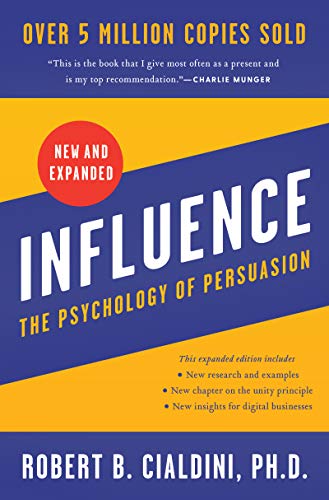
Overview: Influence is one of the clearest introductions to the psychology behind persuasion. Rather than treating selling as a bag of tricks, it explains why people respond to authority, reciprocity, scarcity, commitment, liking, and social proof. That makes it especially useful for readers who want to understand the mental shortcuts buyers use before they even realize they are being persuaded. Although it is not a sales manual in the narrow sense, it provides the most useful conceptual foundation on this list.
Why it stands out: For sales psychology, this is the book that explains the machinery underneath the conversation. It helps readers see why some approaches feel natural and others feel pushy, which is valuable whether you work in B2B sales, client services, or customer-facing roles. Compared with more tactical sales books, it gives you the reasoning behind the tactics, so the lessons transfer across industries and selling styles.
Strengths:
- Explains persuasion principles in a clear, memorable way.
- Useful for both beginners and experienced sales professionals.
- Helps readers recognize influence tactics in real buying situations.
Best for: Readers who want a durable foundation in persuasion and decision-making before moving into more tactical sales books.
Potential limitations: It is broader than sales alone, so readers looking for a pure closing or prospecting handbook may want to pair it with a more sales-specific title.
View price, available formats, and reader reviews.
The Psychology of Selling: Increase Your Sales Faster and Easier Than You Ever Thought Possible

Overview: This is a classic sales book built around the mental side of performance. It focuses on attitudes, confidence, self-management, and the habits that shape sales results. Instead of dwelling on abstract theory, it is written for readers who want to think and act more effectively in revenue-generating roles. The emphasis is less on academic psychology and more on the internal discipline that makes selling easier to sustain.
Why it stands out: Many sales books concentrate on scripts or closing techniques. This one pays close attention to the salesperson’s mindset, which is often where performance problems begin. It belongs on this list because readers searching for sales psychology frequently need help with confidence, motivation, and resilience as much as they need tactics. That makes it a strong choice for beginners who are still developing consistency and for experienced sellers who want to reset their approach.
Strengths:
- Focuses on the mental habits that support better selling.
- Practical and easy to apply without heavy theory.
- Well suited to readers who want a classic sales perspective.
Best for: Salespeople who want a mindset-centered book that connects psychology to day-to-day performance.
Potential limitations: Readers looking for modern consultative sales methods or deeper behavioral science may want something more contemporary alongside it.
View price, available formats, and reader reviews.
Zig Ziglar’s Secrets of Closing the Sale: For Anyone Who Must Get Others to Say Yes!

Overview: Zig Ziglar’s closing book is focused on the moment many salespeople care about most, getting agreement. It collects practical approaches, conversational techniques, and confidence-building ideas for moving prospects toward a decision. The tone is direct and energetic, and the material is built around real selling situations rather than theory-heavy analysis. For readers who want help with the final stage of the sale, this remains one of the most recognizable books in the field.
Why it stands out: This book earns its place because it addresses a very specific sales problem, hesitation at the close. While other books in this list explain persuasion more broadly, this one narrows in on the exchange where interest becomes commitment. That makes it especially helpful for sales reps who already understand the basics but struggle to turn conversations into decisions. It is also useful for readers who prefer a straightforward, motivational style over academic language.
Strengths:
- Highly focused on closing and moving conversations forward.
- Practical examples make it easy to absorb.
- Useful for readers who want a classic, sales-floor perspective.
Best for: Salespeople who need help with closing language, decision pressure, and objection handling.
Potential limitations: Its style is more traditional than modern consultative sales books, so some readers may want a newer companion title for today’s buying environment.
View price, available formats, and reader reviews.
Winning at Sales: How to Get So Good People Say “Thank You” for Letting Them Buy

Overview: Winning at Sales takes a practical, relationship-centered approach to selling. Rather than treating sales as pressure or performance theater, it emphasizes becoming so helpful and credible that buying feels like a natural next step. That framing is useful for readers who want to move away from outdated hard-sell habits and toward a more trust-based approach. The book belongs on a sales psychology list because it focuses on how people respond when they feel understood rather than pushed.
Why it stands out: Compared with classic persuasion books, this one is more explicitly sales-oriented and easier to connect to modern customer interactions. It will appeal to readers who work in an environment where trust, professionalism, and long-term relationships matter more than a one-call close. If you are trying to sound less scripted and more genuinely useful, this book offers a good bridge between psychology and day-to-day selling practice.
Strengths:
- Encourages a trust-based sales approach.
- Relevant to modern consultative selling.
- Accessible for readers who want practical guidance without jargon.
Best for: Sales professionals who want to improve influence by building credibility and reducing friction in the buying process.
Potential limitations: Readers looking for deep theory or a highly analytical treatment of buyer behavior may find it more practical than conceptual.
View price, available formats, and reader reviews.
The Challenger Sale: Taking Control of the Customer Conversation

Overview: The Challenger Sale: Taking Control of the Customer Conversation gives readers a clearer, more established way to explore commercial insight, reframing, and complex sales. It is a stronger fit for this list because its main ideas connect directly to the practical questions readers bring to this topic.
Why it stands out: This recommendation adds a distinct framework instead of repeating a generic introduction. It helps readers move from recognizing the issue to understanding the patterns, choices, or skills involved in commercial insight, reframing, and complex sales.
Strengths:
- Directly connected to commercial insight, reframing, and complex sales
- Offers a clear framework readers can return to
- More focused than a general-purpose self-help choice
- Works well alongside the other recommendations on this list
Best for: Readers who want a practical, focused resource on commercial insight, reframing, and complex sales.
Potential limitations: It works best as a focused resource for this topic, so readers may want to pair it with a broader foundational book.
View price, available formats, and reader reviews.
The Next Conversation: Argue Less, Talk More

Overview: Although this is not a sales book in the narrow sense, it is highly relevant to the psychology of conversations that go off track. Sales depends on navigating resistance, defensiveness, and disagreement without losing connection. This book focuses on better dialogue, which can help readers avoid needless friction and keep discussions productive. For sales professionals who spend a lot of time handling objections or tense exchanges, the communication skills here are directly useful.
Why it stands out: The value of this book is in its conversation-first approach. Many sales books teach what to say. This one helps readers understand how to keep people engaged when emotions rise or when a discussion becomes difficult. That makes it a strong choice for anyone who wants fewer confrontational moments and more productive buying conversations. It is especially helpful for readers in complex sales, customer success, or account management roles.
Strengths:
- Useful for objection handling and difficult conversations.
- Supports calmer, clearer communication.
- Applies well to relationship-driven sales roles.
Best for: Salespeople who want to improve conversation quality and reduce resistance during negotiations or objections.
Potential limitations: Readers wanting a direct sales methodology will find it less specialized than the more sales-focused titles on this list.
View price, available formats, and reader reviews.
Selling 101: What Every Successful Sales Professional Needs to Know

Overview: This book is a straightforward introduction to the essentials of selling. It covers the core concepts a sales professional needs to understand, making it a practical entry point for readers who are new to the field or who want a refresher without excessive theory. The focus is broad rather than specialized, which is often exactly what beginners need when they are still learning how selling works in practice.
Why it stands out: On a list centered on sales psychology, an accessible fundamentals book has a clear role. Not everyone is ready for advanced persuasion theory or a closing-focused classic. Some readers need a cleaner starting point that explains the basics of professional selling in a manageable way. This book fills that gap well and gives new salespeople a sturdier base before they move into more nuanced psychology or technique.
Strengths:
- Clear introduction to sales fundamentals.
- Good starting point for newer sales professionals.
- Broad enough to be useful across sales roles.
Best for: Beginners, junior sales reps, and readers who want a practical foundation before exploring more specialized sales psychology books.
Potential limitations: Experienced sellers may find it more basic than the stronger psychology and persuasion titles on this list.
View price, available formats, and reader reviews.
To Sell Is Human: The Surprising Truth About Moving Others

Overview: To Sell Is Human: The Surprising Truth About Moving Others gives readers a clearer, more established way to explore persuasion, service, and the psychology of everyday selling. It is a stronger fit for this list because its main ideas connect directly to the practical questions readers bring to this topic.
Why it stands out: This recommendation adds a distinct framework instead of repeating a generic introduction. It helps readers move from recognizing the issue to understanding the patterns, choices, or skills involved in persuasion, service, and the psychology of everyday selling.
Strengths:
- Directly connected to persuasion, service, and the psychology of everyday selling
- Offers a clear framework readers can return to
- More focused than a general-purpose self-help choice
- Works well alongside the other recommendations on this list
Best for: Readers who want a practical, focused resource on persuasion, service, and the psychology of everyday selling.
Potential limitations: It works best as a focused resource for this topic, so readers may want to pair it with a broader foundational book.
View price, available formats, and reader reviews.
The Little Red Book of Selling: 12.5 Principles of Sales Greatness
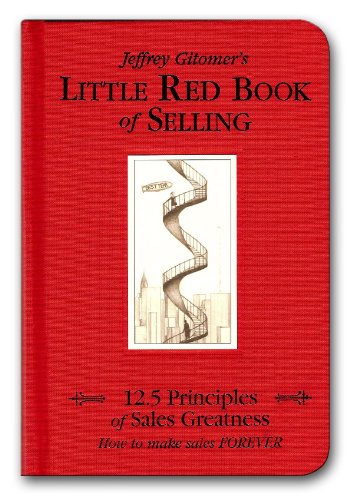
Overview: The Little Red Book of Selling: 12.5 Principles of Sales Greatness gives readers a clearer, more established way to explore sales fundamentals, motivation, and customer conversations. It is a stronger fit for this list because its main ideas connect directly to the practical questions readers bring to this topic.
Why it stands out: This recommendation adds a distinct framework instead of repeating a generic introduction. It helps readers move from recognizing the issue to understanding the patterns, choices, or skills involved in sales fundamentals, motivation, and customer conversations.
Strengths:
- Directly connected to sales fundamentals, motivation, and customer conversations
- Offers a clear framework readers can return to
- More focused than a general-purpose self-help choice
- Works well alongside the other recommendations on this list
Best for: Readers who want a practical, focused resource on sales fundamentals, motivation, and customer conversations.
Potential limitations: It works best as a focused resource for this topic, so readers may want to pair it with a broader foundational book.
View price, available formats, and reader reviews.
Who This List Is Best For
This list is best for sales professionals, business development reps, account managers, entrepreneurs, consultants, and readers who want to understand how persuasion works in real conversations. It is also useful for beginners who need a solid foundation, and for more experienced sellers who want to sharpen their approach without relying on outdated hard-sell tactics.
If you care most about persuasion theory, start with Influence. If you want classic sales confidence and motivation, begin with The Psychology of Selling. If closing is your biggest challenge, move straight to Zig Ziglar’s Secrets of Closing the Sale. Readers who want a more relational or conversational approach will get a lot from Winning at Sales and The Next Conversation.
Final Thoughts
If your main goal is to understand why buyers say yes, Influence is the strongest place to begin. If you need a more sales-specific book, The Psychology of Selling gives you a classic mindset framework that still helps readers think more effectively about performance. For closing and objection handling, Zig Ziglar’s Secrets of Closing the Sale is the most focused choice.
If your sales style is more consultative than persuasive, Winning at Sales is probably the best fit. If you want to read people better during live conversations, pair it with Read People Like a Book. And if you are still building your foundation, Selling 101 gives you a sensible place to start before moving into the more specialized books.
FAQ
Which book is best for beginners in sales psychology?
Influence is the best starting point if you want to understand the core principles behind persuasion. It explains the psychology that shapes buying behavior in a way that is useful beyond one sales method. If you want something more sales-specific and introductory, Selling 101 is also a smart choice because it gives you a broad foundation without assuming much prior experience.
Which book is most practical for day-to-day selling?
Winning at Sales is one of the most practical choices for readers who want to improve how they sell in real conversations. It focuses on trust, usefulness, and reducing resistance, which makes it especially relevant for consultative selling. If you want more direct help with closing, Zig Ziglar’s Secrets of Closing the Sale is the more targeted option.
What is the best book for understanding persuasion?
Influence is the strongest book on persuasion in this list. It gives a clear explanation of the mental patterns that affect decision-making, which is exactly what many readers mean when they search for sales psychology. It is broader than sales alone, but that is part of its value because the principles apply across many selling situations.
Should I read a mindset book or a sales technique book first?
That depends on your main problem. If you struggle with confidence, rejection, or consistency, start with a mindset book such as The Psychology of Selling or Mindset. If you already feel steady but need better conversations, better persuasion, or better closing, begin with Influence or Zig Ziglar’s Secrets of Closing the Sale. The best sequence is often one mindset book plus one technique book.
Which book is best for closing deals?
Zig Ziglar’s Secrets of Closing the Sale is the most focused choice for closing. It stays close to the practical challenge of helping prospects reach a decision. If you want a broader understanding of why buyers commit in the first place, pair it with Influence, which explains the underlying psychology that makes closing easier.
Can these books help if I am not in a traditional sales job?
Yes. Sales psychology is useful anywhere you need to persuade, negotiate, or build trust. That includes consulting, client management, fundraising, leadership, and entrepreneurship. Books like Influence, The Next Conversation, and Read People Like a Book are especially helpful because they focus on human behavior and communication rather than only formal sales scripts.




