
Hiring executive talent is rarely just a stronger version of ordinary recruiting. The stakes are higher, the candidate pool is smaller, and the process is shaped by board expectations, confidentiality, succession planning, and long decision cycles. That is why the best books on executive recruiting are not all the same kind of book. Some focus on search strategy, some on leadership assessment, some on startup hiring, and some on the broader craft of finding and placing top performers.
If you are building an executive search function, managing a leadership pipeline, or trying to improve how your organization identifies senior talent, the right book depends on the exact problem you need to solve. The books below were chosen for that reason. Each one earns its place by offering a distinct and practical perspective on recruiting for executives.
Quick Answer
If you want the clearest entry point into recruiting for executives, start with The Executive Recruiter’s Playbook: Winning Strategies for Finding Exceptional Leaders & Building a Sustainable Executive Recruiting Strategy. It gives you a useful foundation in search strategy, role definition, assessment, candidate experience, and the judgment required for senior hires. Choose Leadership Recruiting: Strategy, Tactics and Tools for Hiring Organizations when you want a more applied or contrasting approach, and use Search in Plain Sight: Demystifying Executive Search when you want to extend the idea into a different context.
This list is designed for founders, hiring leaders, recruiters, and boards. The recommendations are intentionally varied: some explain the underlying research, some offer exercises, and some are strongest as narrative or leadership case studies. That variety makes it easier to choose a book that matches your current question rather than buying the longest list.
How We Chose These Recommendations
This list prioritizes books that help readers do real executive recruiting work, not books that merely mention recruiting in the title. The strongest selections here offer practical frameworks, a clear point of view, and enough depth to support professional use. That means favoring books that are useful for search strategy, leadership evaluation, candidate outreach, and hiring decisions at senior levels.
We also looked for range. Executive recruiting is not one skill. It includes sourcing, persuasion, assessment, organizational alignment, startup pressure, and ethical judgment. A useful list should reflect those different needs, so each recommendation serves a distinct role rather than repeating the same advice in slightly different packaging.
Recommended Books
The Executive Recruiter’s Playbook: Winning Strategies for Finding Exceptional Leaders & Building a Sustainable Executive Recruiting Strategy
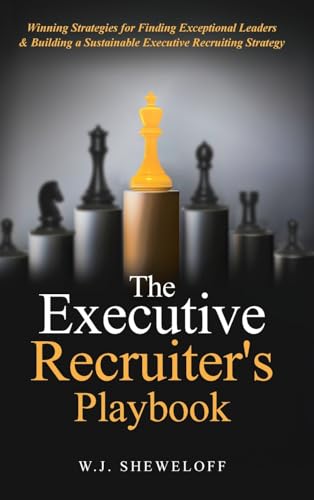
Overview: This book is built for the realities of executive search, not general recruiting. Its focus on finding exceptional leaders and building a sustainable recruiting strategy makes it especially relevant for professionals who need repeatable methods rather than one-off hiring wins. The subject matter is directly aligned with the challenges of senior-level search, including process design, client alignment, and long-term capability building.
Why it stands out: Among the available options, this is the most on-target recommendation for someone specifically searching for books about recruiting for executives. It speaks to the work as a discipline, which makes it especially helpful for recruiters, talent acquisition leaders, and consultants who need a practical operating model.
Strengths:
- Focused squarely on executive recruiting, not generic hiring
- Useful for building a durable search function
- Relevant to both individual recruiters and team leaders
Best for: Executive recruiters, talent acquisition leaders, and professionals building an in-house or external search practice.
Potential limitations: Readers looking for a broad leadership or management text may find it more specialized than they need.
View price, available formats, and reader reviews.
Leadership Recruiting: Strategy, Tactics and Tools for Hiring Organizations

Overview: This book takes a hiring-organization perspective, which makes it especially valuable for companies that want to improve how they identify and recruit senior leaders. It covers strategy, tactics, and tools, so the emphasis is not only on finding candidates but also on creating a stronger internal process for leadership hiring. That makes it a practical choice for organizations that want more structure around executive selection.
Why it stands out: Some recruiting books are written for recruiters, while this one is especially useful for the organization doing the hiring. That distinction matters. If your goal is to improve how the business itself approaches leadership recruitment, this book offers a broader and more operational point of view.
Strengths:
- Strong fit for organizations hiring executives
- Balances strategy with practical tools
- Useful for standardizing leadership search processes
Best for: HR leaders, internal talent teams, and executives involved in senior hiring decisions.
Potential limitations: It is more organizational and strategic than personal or biographical, so readers wanting a narrative-driven book may prefer another choice.
View price, available formats, and reader reviews.
Search in Plain Sight: Demystifying Executive Search

Overview: As the subtitle suggests, this book is built to make executive search easier to understand. That makes it useful for readers who want a clearer view of how the process works, especially if they are newer to senior recruiting or collaborating with search professionals for the first time. Its value lies in explanation and transparency, which can be especially helpful in executive environments where the mechanics of search are often opaque.
Why it stands out: A lot of executive recruiting literature assumes the reader already knows the field. This one is more accessible and explanatory, so it works well for managers, founders, and internal talent partners who need a practical introduction without getting lost in jargon.
Strengths:
- Clear explanation of executive search concepts
- Helpful for cross-functional stakeholders
- Reduces the mystery around senior-level recruiting
Best for: Leaders, HR partners, and readers new to executive search.
Potential limitations: Experienced search professionals may want something more advanced or tactical.
View price, available formats, and reader reviews.
Recruiting 101: The Fundamentals of Being a Great Recruiter

Overview: This book covers the fundamentals of being a good recruiter, which makes it a useful foundation for readers who need to strengthen core skills before specializing in executive search. It is not exclusively about executive recruiting, but that is part of its value. Executive hiring depends on solid recruiting habits, and this book gives readers a broader base to work from.
Why it stands out: Not every reader searching for books on executive recruiting is already an expert. For someone who needs the basics first, this is a sensible starting point. It is especially helpful for new recruiters, coordinators moving into more senior work, or managers who need to understand recruiting before handling executive-level roles.
Strengths:
- Accessible entry point into recruiting fundamentals
- Useful for building confidence before specializing
- Good support for newer talent professionals
Best for: Beginners, early-career recruiters, and professionals transitioning into talent acquisition.
Potential limitations: It is broader than executive recruiting specifically, so advanced readers may want a more targeted book first.
View price, available formats, and reader reviews.
The SOUL of Recruiting: Leading with Heart to Restore the Craft of Recruiting
Overview: This book brings a more human and craft-centered lens to recruiting. That perspective matters in executive search, where judgment, trust, and relationship-building often shape the outcome as much as process does. The emphasis on leading with heart gives this book a different tone from more tactical recruiting manuals, which makes it valuable for readers who want to think more carefully about the culture and practice of recruiting.
Why it stands out: Many recruiting books focus on process efficiency. This one pays more attention to the recruiter’s mindset and the quality of the work itself. For executives and search professionals who want to recruit well without losing the human side of the role, that distinction is important.
Strengths:
- Thoughtful view of recruiting as a craft
- Useful for relationship-heavy executive search work
- Balances performance with professional values
Best for: Recruiters, talent leaders, and readers interested in the human side of leadership hiring.
Potential limitations: Readers seeking a highly procedural handbook may find it more reflective than step-by-step.
View price, available formats, and reader reviews.
Start Your Own Executive Recruiting Business: A Roadmap to Your Headhunter Desk
Overview: For readers interested in building an executive recruiting practice of their own, this book is the most directly relevant choice on the list. It focuses on the practical steps involved in getting started, which makes it especially useful for recruiters thinking about independence, client development, and the business side of search work.
Why it stands out: Not every reader wants to learn executive recruiting from the perspective of an employee inside an organization. Some want to open their own desk or build a boutique search business. This book belongs here because it addresses that path clearly and directly.
Strengths:
- Specific to launching an executive recruiting business
- Useful for entrepreneurial recruiters
- Connects recruiting skill with business-building
Best for: Experienced recruiters, independent consultants, and readers considering a search business.
Potential limitations: It is not the best starting point for readers who only want general recruiting fundamentals.
View price, available formats, and reader reviews.
The Pomegranate Principle: Best Practices in Diversity Recruiting
Overview: Diversity recruiting deserves a place in any serious executive search library, especially because leadership hiring shapes culture at the top of the organization. This book focuses on best practices in diversity recruiting, which makes it useful for readers who want to improve representation without treating the issue as a side project. In executive recruiting, that perspective can influence sourcing, evaluation, and candidate experience.
Why it stands out: Many executive recruiting books address process and persuasion, but fewer focus directly on inclusion. This one is valuable because it gives a targeted view of a topic that senior hiring teams cannot ignore. It is particularly relevant for organizations trying to widen their leadership pipeline in a thoughtful way.
Strengths:
- Focused on diversity within recruiting practice
- Relevant to leadership pipelines and senior hiring
- Useful for organizations improving representation
Best for: HR leaders, DEI-focused teams, and recruiters responsible for inclusive executive hiring.
Potential limitations: It is narrower in scope than the general executive recruiting books on this list.
View price, available formats, and reader reviews.
Comparison Table
| Book | Best For | Why It Stands Out |
|---|---|---|
| The Executive Recruiter’s Playbook: Winning Strategies for Finding Exceptional Leaders & Building a Sustainable Executive Recruiting Strategy | Executive recruiters, talent acquisition leaders, and professionals building an in-house or external search practice. | Among the available options, this is the most on-target recommendation for someone specifically searching for books about recruiting for executives. It speaks to the work as a discipline, which makes it especially helpful for recruiters,… |
| Leadership Recruiting: Strategy, Tactics and Tools for Hiring Organizations | HR leaders, internal talent teams, and executives involved in senior hiring decisions. | Some recruiting books are written for recruiters, while this one is especially useful for the organization doing the hiring. That distinction matters. If your goal is to improve how the business itself approaches leadership recruitment,… |
| Search in Plain Sight: Demystifying Executive Search | Leaders, HR partners, and readers new to executive search. | A lot of executive recruiting literature assumes the reader already knows the field. This one is more accessible and explanatory, so it works well for managers, founders, and internal talent partners who need a practical introduction… |
| Recruiting 101: The Fundamentals of Being a Great Recruiter | Beginners, early-career recruiters, and professionals transitioning into talent acquisition. | Not every reader searching for books on executive recruiting is already an expert. For someone who needs the basics first, this is a sensible starting point. It is especially helpful for new recruiters, coordinators moving into more… |
| The SOUL of Recruiting: Leading with Heart to Restore the Craft of Recruiting | Recruiters, talent leaders, and readers interested in the human side of leadership hiring. | Many recruiting books focus on process efficiency. This one pays more attention to the recruiter’s mindset and the quality of the work itself. For executives and search professionals who want to recruit well without losing the human side… |
| Start Your Own Executive Recruiting Business: A Roadmap to Your Headhunter Desk | Experienced recruiters, independent consultants, and readers considering a search business. | Not every reader wants to learn executive recruiting from the perspective of an employee inside an organization. Some want to open their own desk or build a boutique search business. This book belongs here because it addresses that path… |
| The Pomegranate Principle: Best Practices in Diversity Recruiting | HR leaders, DEI-focused teams, and recruiters responsible for inclusive executive hiring. | Many executive recruiting books address process and persuasion, but fewer focus directly on inclusion. This one is valuable because it gives a targeted view of a topic that senior hiring teams cannot ignore. It is particularly relevant… |
Who This List Is Best For
These recommendations are a good fit for founders, hiring leaders, recruiters, and boards. They are especially useful if you want to understand recruiting for executives with more nuance than a short checklist, quote, or social-media summary can provide.
- Readers who want a clear conceptual foundation before choosing a technique.
- People who prefer to compare research, practical exercises, and real-world examples.
- Professionals, students, or caregivers who need language they can apply in a real conversation or decision.
Use the Best For and Why It Stands Out columns together. A book can be excellent yet still be the wrong starting point if its depth, tone, or intended reader does not match your goal.
Final Thoughts
The strongest choice for recruiting for executives depends on what you need to do next. Begin with The Executive Recruiter’s Playbook: Winning Strategies for Finding Exceptional Leaders & Building a Sustainable Executive Recruiting Strategy if you need a foundation, move to Leadership Recruiting: Strategy, Tactics and Tools for Hiring Organizations if you need a practical change, and consider Search in Plain Sight: Demystifying Executive Search if you need a broader or more challenging perspective. The comparison table is meant to shorten that decision, not pretend that one book works for every reader.
A useful reading plan is simple: select one book, write down the question you want it to answer, and apply one idea before moving to another recommendation. For this topic, write the leadership outcomes the role must produce before judging candidates against a list of credentials. executive recruiting has legal, ethical, and organizational consequences that a checklist cannot resolve.
FAQ
Which book should I read first for recruiting for executives?
Start with The Executive Recruiter’s Playbook: Winning Strategies for Finding Exceptional Leaders & Building a Sustainable Executive Recruiting Strategy if you want the clearest foundation. If your immediate need is action rather than background, compare it with Leadership Recruiting: Strategy, Tactics and Tools for Hiring Organizations and choose the one whose exercises, examples, or audience match your situation.
How do I choose between a research-based book and a workbook?
Choose the research-oriented option when you need context and a better mental model. Choose the workbook or practical guide when you already understand the problem and need repetition, prompts, or a structured plan. The table’s Best For column is the fastest way to make that distinction.
What is a practical way to use books about recruiting for executives?
Do not read the whole list at once. Pick one recommendation, define the behavior or decision you want to improve, and test a small idea from the book for seven days. For this topic, write the leadership outcomes the role must produce before judging candidates against a list of credentials.
Are these recommendations suitable for self-study?
Yes, for education and structured reflection. Take notes in your own words, mark claims you want to verify, and discuss difficult ideas with a trusted person or qualified professional when appropriate.
Do I need to read every book on the list?
No. One well-matched book that changes what you notice or do is more valuable than collecting several recommendations without applying any of them.