
Understanding baby brain development can feel surprisingly complicated for something so fundamental. New parents are often told that the early years are decisive, but the advice they hear can range from practical and evidence-based to vague claims about “boosting intelligence” with the right toy, routine, or feeding schedule. The better question is not whether a baby’s brain is developing, it always is, but which experiences matter most, what the research actually supports, and how parents can respond without turning infancy into a high-pressure project.
The best books about baby brain development help with different parts of that question. Some explain the science of early brain growth in clear language. Others focus on practical parent-child interactions, speech, sensory play, or the emotional environment that shapes development. A few are best for newborns and the first months of life, while others are more useful from birth through the preschool years. The strongest choices below were selected for readers who want evidence, clarity, and realistic guidance rather than hype.
Quick Answer
If you want the clearest entry point into baby brain development, start with Brain Rules for Baby. It gives you a useful foundation in interaction, language, play, relationships, and the difference between supporting development and overstimulating a baby. Choose What’s Going on in There? : How the Brain and Mind Develop in the First Five Years of Life when you want a more applied or contrasting approach, and use My First Learn-to-Talk Book: Created by an Early Speech Expert! when you want to extend the idea into a different context.
This list is designed for parents, caregivers, educators, and students of early development. The recommendations are intentionally varied: some explain the underlying research, some offer exercises, and some are strongest as narrative or leadership case studies. That variety makes it easier to choose a book that matches your current question rather than buying the longest list.
Comparison Table
| Book | Best For | Why It Stands Out |
|---|---|---|
| Brain Rules for Baby | Parents, caregivers, and curious readers who want a strong all-around introduction to early brain development. | Among the best books about baby brain development, this is the most balanced starting point for readers who want both science and practicality. It does not reduce development to one factor, and it avoids the common mistake of making… |
| What’s Going on in There? : How the Brain and Mind Develop in the First Five Years of Life | Readers who want a more serious, science-forward book on baby and early childhood brain development. | Compared with broader parenting titles, this one leans more heavily into developmental psychology and neuroscience. That makes it a strong choice for readers who want a deeper foundation and are comfortable with a more substantial read.… |
| My First Learn-to-Talk Book: Created by an Early Speech Expert! | Parents and caregivers who want an age-appropriate book that encourages early talking and listening skills. | Not every book about baby brain development needs to be about the whole brain. Some readers need something more targeted, especially if their main concern is speech readiness and early communication. This title belongs on the list because… |
| The Whole-Brain Child | Parents and caregivers who want research-informed ways to support early brain development. | It gives the baby-brain list a practical developmental bridge between research about early cognition and the way caregivers respond in ordinary moments. |
| 125 Brain Games for Babies | Parents and caregivers who want simple, structured ways to support early development through play. | Some readers understand the importance of early stimulation but do not want a dense science book or a purely decorative baby item. This title fills that gap well. It deserves inclusion because it gives families structured play ideas that… |
| Guess How Much I Love You | Families who want a soothing read-aloud that supports connection and early literacy habits. | Many lists lean too heavily toward educational toys and forget that the emotional side of development is equally important. This book earns its place because it supports closeness, repeated language exposure, and the calming routines that… |
| If Animals Kissed Good Night | Parents who want a dependable, repeat-friendly read-aloud that fits into daily routines. | Not every useful baby book has to be instructional. Some of the best developmental support comes from books that make reading together enjoyable enough to repeat every night. Compared with more didactic options, this one is stronger as a… |
| The Developing Mind | Students, clinicians, educators, and parents who want a deeper account of development. | It adds depth for readers who want more than activity ideas and are trying to understand the developmental systems behind early learning and emotional growth. |
| The Scientist in the Crib | Caregivers and educators who want to understand what babies are actually learning through play and relationships. | It helps readers choose activities that invite exploration and communication rather than treating early development as a race to teach facts. |
| The Emotional Life of the Toddler | Parents, caregivers, and early-childhood professionals supporting toddlers through big feelings and new independence. | It covers an important part of baby and toddler development that high-level neuroscience books can overlook: how emotional regulation is built in relationships. |
How We Chose These Recommendations
These recommendations were selected for their usefulness to readers who want to understand and support baby brain development without getting lost in overly technical research or marketing-heavy baby products. The list balances scientific explanation, practical parenting guidance, early language support, and sensory play options so readers can choose a book that matches their immediate goal.
Preference went to books with long-standing relevance, clear educational value, and a strong fit for developmental parenting. For the infant toy-style books, the focus was on simple, age-appropriate sensory engagement rather than exaggerated claims. For the reading-based titles, the emphasis was on books that help parents understand development and act on it in daily life.
Recommended Books
Brain Rules for Baby

Overview: John Medina’s Brain Rules for Baby is one of the clearest general-audience books on how early development, parenting habits, and a child’s environment interact from birth through age five. Rather than treating brain development as a mystery or a checklist of tricks, it explains the science in a way that parents can actually use. The book covers attention, stress, sleep, language, social development, and the role of relationships in shaping early growth.
Why it stands out: Among the best books about baby brain development, this is the most balanced starting point for readers who want both science and practicality. It does not reduce development to one factor, and it avoids the common mistake of making parents feel they need perfect conditions. Instead, it gives a broad, research-informed framework for understanding what matters most in the early years.
Strengths:
- Clear explanation of early developmental science
- Useful for both first-time and experienced parents
- Connects research to everyday parenting decisions
- Readable without requiring a psychology background
Best for: Parents, caregivers, and curious readers who want a strong all-around introduction to early brain development.
Potential limitations: Readers looking for a narrowly focused scientific textbook may want something more technical.
View price, available formats, and reader reviews.
What’s Going on in There? : How the Brain and Mind Develop in the First Five Years of Life

Overview: This book offers a more detailed look at how the brain and mind develop during the first five years, with a stronger emphasis on the underlying science than many parenting books provide. It is especially helpful for readers who want to understand why early experiences matter, not just what to do day to day. The book connects brain development with cognition, behavior, and the changing abilities that emerge in infancy and early childhood.
Why it stands out: Compared with broader parenting titles, this one leans more heavily into developmental psychology and neuroscience. That makes it a strong choice for readers who want a deeper foundation and are comfortable with a more substantial read. It earns its place because it helps explain the “how” behind early development, which is valuable for educated parents, students, and professionals alike.
Strengths:
- Strong developmental science foundation
- Helpful for understanding the first five years as a whole
- Balances brain research with child behavior and learning
- Useful for both self-education and professional reference
Best for: Readers who want a more serious, science-forward book on baby and early childhood brain development.
Potential limitations: It is more detailed than the average parenting book, so casual readers may find it denser.
View price, available formats, and reader reviews.
My First Learn-to-Talk Book: Created by an Early Speech Expert!

Overview: For families who are especially focused on early language, this book gives children a simple way to imitate sounds, practice repetition, and observe mouth positions. The mix of rhythm, rhyme, and speech modeling makes it more than a typical board-style read-aloud. It supports the early stages of talking by encouraging the kinds of repeated listening and vocal play that matter in infancy and toddlerhood.
Why it stands out: Not every book about baby brain development needs to be about the whole brain. Some readers need something more targeted, especially if their main concern is speech readiness and early communication. This title belongs on the list because it directly supports a core part of early cognitive development while staying accessible for everyday use.
Strengths:
- Focused on early speech and imitation
- Supports shared reading and sound practice
- Useful for parent-child interaction
- Simple enough for repeated daily use
Best for: Parents and caregivers who want an age-appropriate book that encourages early talking and listening skills.
Potential limitations: It is narrower in scope than the science-based parenting books on this list.
View price, available formats, and reader reviews.
The Whole-Brain Child

Overview: Daniel J. Siegel and Tina Payne Bryson translate developing-brain research into everyday strategies for helping young children name feelings, integrate competing reactions, and build flexible thinking.
Why it stands out: It gives the baby-brain list a practical developmental bridge between research about early cognition and the way caregivers respond in ordinary moments.
Strengths:
- Accessible developmental neuroscience
- Practical caregiver strategies
- Connects emotion and cognition
Best for: Parents and caregivers who want research-informed ways to support early brain development.
Potential limitations: It is a parenting guide, not an assessment of an individual child or a replacement for pediatric advice.
View price, available formats, and reader reviews.
125 Brain Games for Babies

Overview: This book organizes early play into a large set of simple activities that are meant to support the groundwork for later learning. It is less about theory and more about what caregivers can do in real life, which makes it a helpful bridge between developmental ideas and daily routines. The format is especially appealing for parents who want concrete, low-prep ways to engage a baby at home.
Why it stands out: Some readers understand the importance of early stimulation but do not want a dense science book or a purely decorative baby item. This title fills that gap well. It deserves inclusion because it gives families structured play ideas that align with the broad goals of baby brain development without overcomplicating the process.
Strengths:
- Offers a wide range of baby-friendly activity ideas
- Easy to dip into without reading cover to cover
- Practical for caregivers who want routine play ideas
- Works well as a reference for different developmental stages
Best for: Parents and caregivers who want simple, structured ways to support early development through play.
Potential limitations: It is more activity-oriented than evidence-heavy, so readers wanting a deeper scientific explanation should pair it with a stronger parenting research book.
View price, available formats, and reader reviews.
Guess How Much I Love You

Overview: This familiar picture book works well for baby brain development because early development is not only about sensory input and language practice. Bonding, attention, and repeated shared reading all matter too. The gentle rhythm of the text and the emotional warmth of the story make it a strong bedtime choice for babies and toddlers.
Why it stands out: Many lists lean too heavily toward educational toys and forget that the emotional side of development is equally important. This book earns its place because it supports closeness, repeated language exposure, and the calming routines that help reading become part of family life. It is not a technical parenting book, but it serves an important developmental role.
Strengths:
- Ideal for shared bedtime reading
- Supports early language exposure
- Encourages bonding and routine
- Gentle pacing works well for young children
Best for: Families who want a soothing read-aloud that supports connection and early literacy habits.
Potential limitations: It is not a guide to development in the scientific sense, so its value is more relational and language-based.
View price, available formats, and reader reviews.
If Animals Kissed Good Night

Overview: This playful bedtime book supports baby development through repetition, sound patterns, and parent-child interaction. Its structure makes it easy for babies to anticipate phrases and join in through facial expressions, gestures, and eventually repeated words. For families building a reading routine, it can be a very usable early language book.
Why it stands out: Not every useful baby book has to be instructional. Some of the best developmental support comes from books that make reading together enjoyable enough to repeat every night. Compared with more didactic options, this one is stronger as a routine-builder, which matters a great deal in early development.
Strengths:
- Repetition supports early listening and memory
- Works well as a bedtime ritual
- Encourages shared attention and interaction
- Accessible for infants and toddlers
Best for: Parents who want a dependable, repeat-friendly read-aloud that fits into daily routines.
Potential limitations: It is a picture book, not a developmental guide, so its value is indirect rather than explanatory.
View price, available formats, and reader reviews.
The Developing Mind
Overview: Daniel J. Siegel examines how relationships, experience, and neural development interact across childhood and adolescence. The book offers a deeper framework for understanding how early experiences shape regulation, attachment, and learning.
Why it stands out: It adds depth for readers who want more than activity ideas and are trying to understand the developmental systems behind early learning and emotional growth.
Strengths:
- Detailed developmental framework
- Connects brain and relationships
- Useful for advanced readers
Best for: Students, clinicians, educators, and parents who want a deeper account of development.
Potential limitations: The academic depth is substantial, so casual readers may prefer a shorter introductory book first.
View price, available formats, and reader reviews.
The Scientist in the Crib
Overview: Alison Gopnik, Andrew Meltzoff, and Patricia Kuhl describe how infants learn through attention, imitation, experimentation, and social interaction. The book challenges the idea that babies are passive recipients of stimulation.
Why it stands out: It helps readers choose activities that invite exploration and communication rather than treating early development as a race to teach facts.
Strengths:
- Research-based view of infant learning
- Readable for general audiences
- Highlights exploration and interaction
Best for: Caregivers and educators who want to understand what babies are actually learning through play and relationships.
Potential limitations: Some examples are older, so use the core developmental ideas alongside current guidance.
View price, available formats, and reader reviews.
The Emotional Life of the Toddler
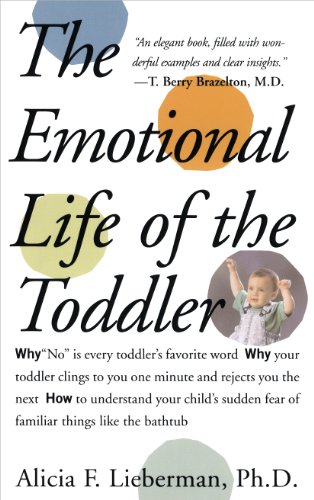
Overview: Alicia F. Lieberman explains toddlers’ rapidly changing emotions, emerging autonomy, and need for secure relationships. The book helps adults interpret behavior developmentally instead of responding only to the surface intensity of a tantrum.
Why it stands out: It covers an important part of baby and toddler development that high-level neuroscience books can overlook: how emotional regulation is built in relationships.
Strengths:
- Developmentally grounded guidance
- Useful for interpreting toddler behavior
- Supports responsive caregiving
Best for: Parents, caregivers, and early-childhood professionals supporting toddlers through big feelings and new independence.
Potential limitations: It focuses on emotional development rather than language, sleep, or medical milestones.
View price, available formats, and reader reviews.
Who This List Is Best For
These recommendations are a good fit for parents, caregivers, educators, and students of early development. They are especially useful if you want to understand baby brain development with more nuance than a short checklist, quote, or social-media summary can provide.
- Readers who want a clear conceptual foundation before choosing a technique.
- People who prefer to compare research, practical exercises, and real-world examples.
- Professionals, students, or caregivers who need language they can apply in a real conversation or decision.
Use the Best For and Why It Stands Out columns together. A book can be excellent yet still be the wrong starting point if its depth, tone, or intended reader does not match your goal.
Final Thoughts
The strongest choice for baby brain development depends on what you need to do next. Begin with Brain Rules for Baby if you need a foundation, move to What’s Going on in There? : How the Brain and Mind Develop in the First Five Years of Life if you need a practical change, and consider My First Learn-to-Talk Book: Created by an Early Speech Expert! if you need a broader or more challenging perspective. The comparison table is meant to shorten that decision, not pretend that one book works for every reader.
A useful reading plan is simple: select one book, write down the question you want it to answer, and apply one idea before moving to another recommendation. For this topic, choose simple, responsive activities that follow the baby’s attention and invite back-and-forth interaction. developmental books are educational and should not replace pediatric guidance about a particular child. Books can support reflection and skills practice, but they are not a substitute for qualified professional care when symptoms are severe, persistent, or unsafe.
FAQ
Which book should I read first for baby brain development?
Start with Brain Rules for Baby if you want the clearest foundation. If your immediate need is action rather than background, compare it with What’s Going on in There? : How the Brain and Mind Develop in the First Five Years of Life and choose the one whose exercises, examples, or audience match your situation.
How do I choose between a research-based book and a workbook?
Choose the research-oriented option when you need context and a better mental model. Choose the workbook or practical guide when you already understand the problem and need repetition, prompts, or a structured plan. The table’s Best For column is the fastest way to make that distinction.
What is a practical way to use books about baby brain development?
Do not read the whole list at once. Pick one recommendation, define the behavior or decision you want to improve, and test a small idea from the book for seven days. For this topic, choose simple, responsive activities that follow the baby’s attention and invite back-and-forth interaction.
Are these recommendations suitable for self-study?
Yes, for education and structured reflection. Take notes in your own words, mark claims you want to verify, and discuss difficult ideas with a trusted person or qualified professional when appropriate. Books can support reflection and skills practice, but they are not a substitute for qualified professional care when symptoms are severe, persistent, or unsafe.
Do I need to read every book on the list?
No. One well-matched book that changes what you notice or do is more valuable than collecting several recommendations without applying any of them.