
When a teenager is dealing with depression, the hard part is often not just naming what is happening. It is figuring out what kind of help would actually be useful. Some books explain depression in a clear, nonjudgmental way. Others teach coping skills that can support therapy or day-to-day self-management. A few are better for parents, counselors, or teachers who want to understand how depression can look in teens, especially when it is mixed with irritability, withdrawal, shame, or anger rather than obvious sadness.
The books below were selected for different needs within that larger problem. Some are practical and skills-based. Some are more narrative and help teens feel less alone. A couple are broader books on mood and emotions that can still be helpful when depression overlaps with anxiety, stress, or difficulty regulating feelings. If depression is severe, persistent, or connected to thoughts of self-harm, a book can be a useful support, but it should not replace a licensed mental health professional.
Quick Answer
If you want the clearest entry point into depression for teens, start with The Anti-Depressant Book: A Practical Guide for Teens and Young Adults to Overcome Depression and Stay Healthy. It gives you a useful foundation in mood, thought patterns, coping skills, identity, and the difference between a book that educates and one that offers exercises. Choose Don’t Let Your Emotions Run Your Life for Teens: Dialectical Behavior Therapy Skills for Helping You Manage Mood Swings, Control Angry Outbursts, and Get Along with Others when you want a more applied or contrasting approach, and use Speak when you want to extend the idea into a different context.
This list is designed for teens, parents, educators, and adults supporting adolescents. The recommendations are intentionally varied: some explain the underlying research, some offer exercises, and some are strongest as narrative or leadership case studies. That variety makes it easier to choose a book that matches your current question rather than buying the longest list.
Comparison Table
| Book | Best For | Why It Stands Out |
|---|---|---|
| The Anti-Depressant Book: A Practical Guide for Teens and Young Adults to Overcome Depression and Stay Healthy | Teens and older adolescents who want a direct, readable guide to depression and recovery habits. | Compared with broader teen mental health books, this one keeps depression at the center. That focus matters for readers who do not want a generic “feel better” book but a structured guide to the actual experience of depression. It is a… |
| Don’t Let Your Emotions Run Your Life for Teens: Dialectical Behavior Therapy Skills for Helping You Manage Mood Swings, Control Angry Outbursts, and Get Along with Others | Teens whose depression is intertwined with mood swings, conflict, or trouble regulating strong feelings. | Among teen self-help books, this one fills a specific gap. It is not just about feeling better in a general sense. It is about learning how to respond when emotions become too big, too fast, or too hard to manage. For teens whose… |
| Speak | Teens who want a readable, validating novel rather than a clinical or workbook-style guide. | For teens who resist “books about mental health,” fiction can be a safer entry point. A character can name feelings the reader is not ready to say out loud. This novel is especially valuable because it does not flatten teenage pain into a… |
| I would, but my DAMN MIND won’t let me!: a teen’s guide to controlling their thoughts and feelings | Teens who want an accessible guide to managing difficult thoughts and emotions. | Among the books on this list, it is one of the most approachable for teens who want a direct, informal voice. That matters because depression often brings shame and resistance, and a book that feels too clinical can be hard to keep… |
| Anxiety Relief for Teens: Essential CBT Skills and Mindfulness Practices to Overcome Anxiety and Stress | Teens whose depression is closely tied to anxiety, stress, or overthinking. | Depression in teens often sits inside a wider pattern of stress, self-criticism, and emotional overload. This book is worth including because it gives teens tools that can reduce some of the conditions that make depression feel heavier.… |
| The Teen Girl’s Anxiety Survival Guide: Ten Ways to Conquer Anxiety and Feel Your Best | Teen girls who need a targeted, approachable book for anxiety that may be connected to depressed mood. | Teen girls often experience depression in ways that are shaped by comparison, perfectionism, and internal pressure. This guide is relevant because it speaks to the emotional climate that can feed those patterns. It is narrower than the… |
How We Chose These Recommendations
These books were chosen for practical value, clarity, and relevance to teen mental health. The strongest options on this list either focus directly on depression or address the emotional patterns that often accompany it, such as anxiety, negative self-talk, or difficulty regulating emotions. Where possible, preference went to books with an evidence-based or skills-based approach, especially those grounded in cognitive behavioral therapy or dialectical behavior therapy.
Not every teen needs the same kind of book. Some need coping tools they can use right away. Others need a more relatable narrative that helps them feel understood. A few books here are especially useful for support people, including parents and adults who want a better grasp of what depression can look like in adolescence. Every title below earns its place by serving a distinct purpose rather than repeating the same advice in slightly different language.
Recommended Books
The Anti-Depressant Book: A Practical Guide for Teens and Young Adults to Overcome Depression and Stay Healthy

Overview: This is the most directly on-target practical guide on the list for teens dealing with depression. It is written as a guide for teens and young adults who want help understanding depression and building healthier routines, thoughts, and habits. The book’s value lies in its straightforward, self-help orientation. It does not try to be clever or vague. It aims to be useful.
Why it stands out: Compared with broader teen mental health books, this one keeps depression at the center. That focus matters for readers who do not want a generic “feel better” book but a structured guide to the actual experience of depression. It is a strong fit for teens who want something practical they can return to on difficult days, and for families looking for a book that speaks plainly without being clinical.
Strengths:
- Focused specifically on depression rather than general mood issues
- Practical tone that is accessible for teens
- Useful for readers who want concrete steps, not just encouragement
Best for: Teens and older adolescents who want a direct, readable guide to depression and recovery habits.
Potential limitations: Readers looking for a deeply clinical or research-heavy book will find this more practical than academic.
View price, available formats, and reader reviews.
Don’t Let Your Emotions Run Your Life for Teens: Dialectical Behavior Therapy Skills for Helping You Manage Mood Swings, Control Angry Outbursts, and Get Along with Others

Overview: This DBT skills book is not limited to depression, but it is very useful when depression shows up with intense emotions, conflict, or impulsive reactions. Many teens experience depression as irritability, shutdown, or feeling out of control rather than simply feeling sad. DBT is especially helpful in those situations because it teaches concrete skills for emotion regulation, distress tolerance, and interpersonal effectiveness.
Why it stands out: Among teen self-help books, this one fills a specific gap. It is not just about feeling better in a general sense. It is about learning how to respond when emotions become too big, too fast, or too hard to manage. For teens whose depression is mixed with anger, relationship stress, or mood instability, that makes it more relevant than a standard depression workbook.
Strengths:
- Grounded in dialectical behavior therapy skills
- Helpful for emotional intensity, not only sadness
- Practical exercises that can support therapy
Best for: Teens whose depression is intertwined with mood swings, conflict, or trouble regulating strong feelings.
Potential limitations: The DBT framework is highly practical, but some readers may want a simpler first book if they are new to mental health concepts.
View price, available formats, and reader reviews.
Speak
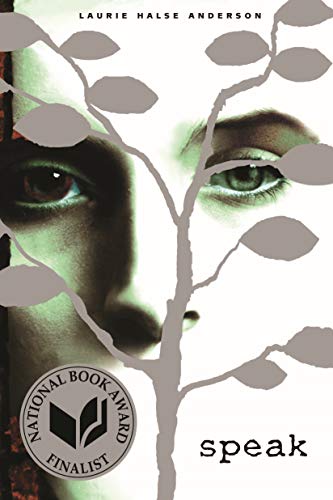
Overview: Laurie Halse Anderson’s Speak is a novel, not a self-help manual, but it belongs on this list because fiction can sometimes reach a struggling teen more effectively than advice. The book follows a teenager whose inner life is shaped by pain, silence, and isolation. Its emotional honesty has made it one of the most widely discussed YA novels for readers trying to understand what it feels like to be trapped inside distress.
Why it stands out: For teens who resist “books about mental health,” fiction can be a safer entry point. A character can name feelings the reader is not ready to say out loud. This novel is especially valuable because it does not flatten teenage pain into a neat lesson. It shows how distress can affect trust, identity, school, and relationships. That makes it a strong companion for readers who want validation more than instruction.
Strengths:
- Emotionally honest portrayal of teen distress
- Powerful for readers who prefer story over self-help
- Useful conversation starter for parents, counselors, and teachers
Best for: Teens who want a readable, validating novel rather than a clinical or workbook-style guide.
Potential limitations: Because it is fiction, it does not teach depression management skills in the same way a self-help book does.
View price, available formats, and reader reviews.
I would, but my DAMN MIND won’t let me!: a teen’s guide to controlling their thoughts and feelings

Overview: This teen-focused guide addresses a common problem in depression: feeling stuck inside painful thoughts and emotions that seem to run the day. The book’s conversational style makes it accessible to readers who may not connect with more formal mental health language. It focuses on learning to notice thoughts, understand feelings, and gain more control over internal patterns.
Why it stands out: Among the books on this list, it is one of the most approachable for teens who want a direct, informal voice. That matters because depression often brings shame and resistance, and a book that feels too clinical can be hard to keep reading. This one is especially useful for readers who need help with thought patterns, self-talk, and emotional reactivity, which often overlap with depressive symptoms.
Strengths:
- Teen-friendly, conversational style
- Focuses on thoughts and feelings in a practical way
- Useful for readers who want a less formal mental health book
Best for: Teens who want an accessible guide to managing difficult thoughts and emotions.
Potential limitations: Its casual style may not appeal to readers who prefer a more polished or clinically structured approach.
View price, available formats, and reader reviews.
Anxiety Relief for Teens: Essential CBT Skills and Mindfulness Practices to Overcome Anxiety and Stress

Overview: This CBT and mindfulness guide is aimed at anxiety and stress, but it is still relevant for teens whose depression is intensified by overwhelm, perfectionism, or constant tension. The combination of cognitive behavioral skills and mindfulness makes it practical for readers who need help calming their nervous system while also changing unhelpful thought patterns.
Why it stands out: Depression in teens often sits inside a wider pattern of stress, self-criticism, and emotional overload. This book is worth including because it gives teens tools that can reduce some of the conditions that make depression feel heavier. It is not a replacement for a depression-specific guide, but it is a strong companion when low mood and anxiety are linked.
Strengths:
- Combines CBT skills with mindfulness practices
- Helpful for teens who feel overwhelmed or tense as well as down
- Readable, skills-based format
Best for: Teens whose depression is closely tied to anxiety, stress, or overthinking.
Potential limitations: Readers seeking a book focused only on depression may prefer one of the more direct options above.
View price, available formats, and reader reviews.
The Teen Girl’s Anxiety Survival Guide: Ten Ways to Conquer Anxiety and Feel Your Best

Overview: This book is focused on anxiety in teen girls, which can be useful when depression shows up alongside self-doubt, social pressure, and chronic worry. Its practical orientation makes it easier to use than a more abstract mental health book, especially for readers who want manageable steps rather than broad theory.
Why it stands out: Teen girls often experience depression in ways that are shaped by comparison, perfectionism, and internal pressure. This guide is relevant because it speaks to the emotional climate that can feed those patterns. It is narrower than the broader books on this list, but that narrowness is also its strength for the right reader.
Strengths:
- Clear, teen-specific focus
- Practical advice that is easy to apply
- Helpful for anxiety-driven overwhelm and low confidence
Best for: Teen girls who need a targeted, approachable book for anxiety that may be connected to depressed mood.
Potential limitations: Because it focuses on anxiety, it is less direct for readers who want a book centered squarely on depression.
View price, available formats, and reader reviews.
Who This List Is Best For
These recommendations are a good fit for teens, parents, educators, and adults supporting adolescents. They are especially useful if you want to understand depression for teens with more nuance than a short checklist, quote, or social-media summary can provide.
- Readers who want a clear conceptual foundation before choosing a technique.
- People who prefer to compare research, practical exercises, and real-world examples.
- Professionals, students, or caregivers who need language they can apply in a real conversation or decision.
Use the Best For and Why It Stands Out columns together. A book can be excellent yet still be the wrong starting point if its depth, tone, or intended reader does not match your goal.
Final Thoughts
The strongest choice for depression for teens depends on what you need to do next. Begin with The Anti-Depressant Book: A Practical Guide for Teens and Young Adults to Overcome Depression and Stay Healthy if you need a foundation, move to Don’t Let Your Emotions Run Your Life for Teens: Dialectical Behavior Therapy Skills for Helping You Manage Mood Swings, Control Angry Outbursts, and Get Along with Others if you need a practical change, and consider Speak if you need a broader or more challenging perspective. The comparison table is meant to shorten that decision, not pretend that one book works for every reader.
A useful reading plan is simple: select one book, write down the question you want it to answer, and apply one idea before moving to another recommendation. For this topic, choose the reading level and format that a teen will actually use, then keep supportive conversation open. depression can be serious; books should supplement qualified care and immediate help when safety is at risk. Books can support reflection and skills practice, but they are not a substitute for qualified professional care when symptoms are severe, persistent, or unsafe.
FAQ
Which book should I read first for depression for teens?
Start with The Anti-Depressant Book: A Practical Guide for Teens and Young Adults to Overcome Depression and Stay Healthy if you want the clearest foundation. If your immediate need is action rather than background, compare it with Don’t Let Your Emotions Run Your Life for Teens: Dialectical Behavior Therapy Skills for Helping You Manage Mood Swings, Control Angry Outbursts, and Get Along with Others and choose the one whose exercises, examples, or audience match your situation.
How do I choose between a research-based book and a workbook?
Choose the research-oriented option when you need context and a better mental model. Choose the workbook or practical guide when you already understand the problem and need repetition, prompts, or a structured plan. The table’s Best For column is the fastest way to make that distinction.
What is a practical way to use books about depression for teens?
Do not read the whole list at once. Pick one recommendation, define the behavior or decision you want to improve, and test a small idea from the book for seven days. For this topic, choose the reading level and format that a teen will actually use, then keep supportive conversation open.
Are these recommendations suitable for self-study?
Yes, for education and structured reflection. Take notes in your own words, mark claims you want to verify, and discuss difficult ideas with a trusted person or qualified professional when appropriate. Books can support reflection and skills practice, but they are not a substitute for qualified professional care when symptoms are severe, persistent, or unsafe.
Do I need to read every book on the list?
No. One well-matched book that changes what you notice or do is more valuable than collecting several recommendations without applying any of them.