
Employee recognition is one of those workplace topics that sounds simple until you try to do it well. A manager may want better morale, stronger retention, or a more consistent way to acknowledge good work, but the right approach depends on the culture, the team size, and whether the goal is everyday appreciation or a formal recognition program. The books below cover those different needs from several angles, including leadership, practical recognition systems, and ready-to-use ideas for day-to-day appreciation.
Quick Answer
If you want the best books for employee recognition, start with The Carrot Principle for the leadership case for recognition, 1501 Ways to Reward Employees for practical ideas, and 1,001 Ways to Engage Employees for a broader view of what keeps people committed. For managers who want tangible tools, the recognition cards, certificates, and thoughtful gift-format items in this list can help translate the ideas into everyday practice.
Comparison Table
| Book | Best For | Why It Stands Out |
|---|---|---|
| The Carrot Principle: How the Best Managers Use Recognition to Engage Their Employees, Retain Talent, and Drive Performance | Leaders who want a strong framework for making recognition part of management practice. | Among books on employee recognition, this is one of the clearest choices for managers who need to justify why recognition matters. It is less about clever gesture ideas and more about the logic of building a workplace where people feel… |
| 1501 Ways to Reward Employees | Managers, HR staff, and small business owners who want a toolkit of workable recognition ideas. | The value here is volume and variety. Some books make the case for recognition; this one helps translate that idea into action. It is especially helpful for leaders who want to avoid repeating the same thank-you patterns and who need… |
| 1,001 Ways to Engage Employees: Help People Do Better What They Do Best | Supervisors and HR professionals who want recognition to be part of a larger employee experience strategy. | It earns a place here because employee recognition is rarely effective in isolation. This title helps managers think about the larger conditions that shape how people respond to appreciation, including involvement, encouragement, and… |
| The 5 Languages of Appreciation in the Workplace | Readers who want a practical, focused resource on specific, meaningful recognition at work. | This recommendation adds a distinct framework instead of repeating a generic introduction. It helps readers move from recognizing the issue to understanding the patterns, choices, or skills involved in specific, meaningful recognition at… |
| The Power of Moments: Why Certain Experiences Have Extraordinary Impact | Readers who want a practical, focused resource on designing memorable recognition and employee experiences. | This recommendation adds a distinct framework instead of repeating a generic introduction. It helps readers move from recognizing the issue to understanding the patterns, choices, or skills involved in designing memorable recognition and… |
| Drive: The Surprising Truth About What Motivates Us | Readers who want a practical, focused resource on autonomy, mastery, purpose, and sustainable motivation. | This recommendation adds a distinct framework instead of repeating a generic introduction. It helps readers move from recognizing the issue to understanding the patterns, choices, or skills involved in autonomy, mastery, purpose, and… |
| The Best Place to Work: The Art and Science of Creating an Extraordinary Workplace | Readers who want a practical, focused resource on workplace design, belonging, and employee experience. | This recommendation adds a distinct framework instead of repeating a generic introduction. It helps readers move from recognizing the issue to understanding the patterns, choices, or skills involved in workplace design, belonging, and… |
How We Chose These Recommendations
This list favors books and recognition tools that solve a real workplace problem: how to make appreciation consistent, meaningful, and appropriate to the setting. Some selections focus on strategy and management, while others offer practical ways to put recognition into action. The strongest choices here are the ones that help readers move from good intentions to a repeatable habit, whether that means building a formal system, improving day-to-day morale, or marking a specific achievement with the right kind of acknowledgment.
Recommended Books
The Carrot Principle: How the Best Managers Use Recognition to Engage Their Employees, Retain Talent, and Drive Performance
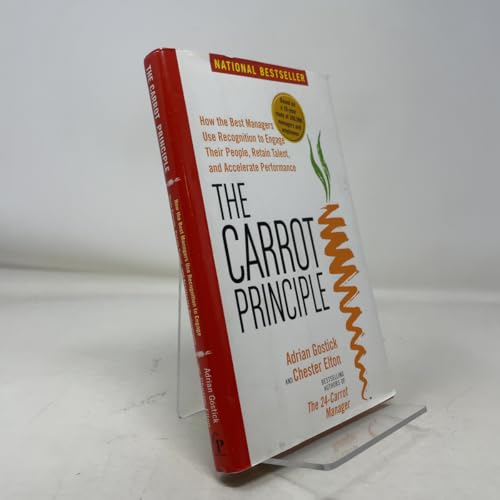
Overview: This book takes employee recognition seriously as a management practice, not a soft add-on. It focuses on how thoughtful recognition affects engagement, retention, and performance, which makes it especially useful for leaders who want a business case before they start changing habits. Rather than treating appreciation as a vague morale booster, it frames recognition as part of how strong managers lead.
Why it stands out: Among books on employee recognition, this is one of the clearest choices for managers who need to justify why recognition matters. It is less about clever gesture ideas and more about the logic of building a workplace where people feel seen and valued. That makes it especially helpful for supervisors, HR leaders, and executives who need to influence systems, not just individual moments.
Strengths:
- Connects recognition to retention and performance.
- Useful for both managers and HR professionals.
- Explains recognition as a leadership habit, not a one-time event.
Best for: Leaders who want a strong framework for making recognition part of management practice.
Potential limitations: Readers looking for a long list of ready-made gift ideas or scripts may find it more strategic than hands-on.
View price, available formats, and reader reviews.
1501 Ways to Reward Employees

Overview: For managers who need concrete ideas more than theory, this is the most straightforward book on the list. It is built around practical ways to reward employees, which makes it useful when you already know recognition matters and now need to figure out what to actually do. The format lends itself to browsing, borrowing, and adapting ideas to a specific team or budget.
Why it stands out: The value here is volume and variety. Some books make the case for recognition; this one helps translate that idea into action. It is especially helpful for leaders who want to avoid repeating the same thank-you patterns and who need options for different occasions, personalities, and workplace settings.
Strengths:
- Offers a large range of practical reward ideas.
- Easy to use as a reference book.
- Helpful for teams with different budgets and recognition styles.
Best for: Managers, HR staff, and small business owners who want a toolkit of workable recognition ideas.
Potential limitations: The book is more idea-driven than analytical, so readers looking for a deeper management framework may want a companion title.
View price, available formats, and reader reviews.
1,001 Ways to Engage Employees: Help People Do Better What They Do Best

Overview: This book goes beyond recognition alone and looks at employee engagement more broadly. That matters because recognition is most effective when it sits inside a wider effort to help people do their best work. Readers who want to improve morale, commitment, and daily experience on the job will find this a useful companion to more narrowly focused appreciation books.
Why it stands out: It earns a place here because employee recognition is rarely effective in isolation. This title helps managers think about the larger conditions that shape how people respond to appreciation, including involvement, encouragement, and workplace culture. That broader perspective makes it useful for leaders who want recognition to feel credible rather than performative.
Strengths:
- Widens the topic from recognition to engagement.
- Useful for leaders improving workplace culture overall.
- Offers a practical, management-oriented perspective.
Best for: Supervisors and HR professionals who want recognition to be part of a larger employee experience strategy.
Potential limitations: Readers looking for a narrow, recognition-only guide may find the scope broader than they need.
View price, available formats, and reader reviews.
The 5 Languages of Appreciation in the Workplace

Overview: The 5 Languages of Appreciation in the Workplace gives readers a clearer, more established way to explore specific, meaningful recognition at work. It is a stronger fit for this list because its main ideas connect directly to the practical questions readers bring to this topic.
Why it stands out: This recommendation adds a distinct framework instead of repeating a generic introduction. It helps readers move from recognizing the issue to understanding the patterns, choices, or skills involved in specific, meaningful recognition at work.
Strengths:
- Directly connected to specific, meaningful recognition at work
- Offers a clear framework readers can return to
- More focused than a general-purpose self-help choice
- Works well alongside the other recommendations on this list
Best for: Readers who want a practical, focused resource on specific, meaningful recognition at work.
Potential limitations: It works best as a focused resource for this topic, so readers may want to pair it with a broader foundational book.
View price, available formats, and reader reviews.
The Power of Moments: Why Certain Experiences Have Extraordinary Impact

Overview: The Power of Moments: Why Certain Experiences Have Extraordinary Impact gives readers a clearer, more established way to explore designing memorable recognition and employee experiences. It is a stronger fit for this list because its main ideas connect directly to the practical questions readers bring to this topic.
Why it stands out: This recommendation adds a distinct framework instead of repeating a generic introduction. It helps readers move from recognizing the issue to understanding the patterns, choices, or skills involved in designing memorable recognition and employee experiences.
Strengths:
- Directly connected to designing memorable recognition and employee experiences
- Offers a clear framework readers can return to
- More focused than a general-purpose self-help choice
- Works well alongside the other recommendations on this list
Best for: Readers who want a practical, focused resource on designing memorable recognition and employee experiences.
Potential limitations: It works best as a focused resource for this topic, so readers may want to pair it with a broader foundational book.
View price, available formats, and reader reviews.
Drive: The Surprising Truth About What Motivates Us

Overview: Drive: The Surprising Truth About What Motivates Us gives readers a clearer, more established way to explore autonomy, mastery, purpose, and sustainable motivation. It is a stronger fit for this list because its main ideas connect directly to the practical questions readers bring to this topic.
Why it stands out: This recommendation adds a distinct framework instead of repeating a generic introduction. It helps readers move from recognizing the issue to understanding the patterns, choices, or skills involved in autonomy, mastery, purpose, and sustainable motivation.
Strengths:
- Directly connected to autonomy, mastery, purpose, and sustainable motivation
- Offers a clear framework readers can return to
- More focused than a general-purpose self-help choice
- Works well alongside the other recommendations on this list
Best for: Readers who want a practical, focused resource on autonomy, mastery, purpose, and sustainable motivation.
Potential limitations: It works best as a focused resource for this topic, so readers may want to pair it with a broader foundational book.
View price, available formats, and reader reviews.
The Best Place to Work: The Art and Science of Creating an Extraordinary Workplace
Overview: The Best Place to Work: The Art and Science of Creating an Extraordinary Workplace gives readers a clearer, more established way to explore workplace design, belonging, and employee experience. It is a stronger fit for this list because its main ideas connect directly to the practical questions readers bring to this topic.
Why it stands out: This recommendation adds a distinct framework instead of repeating a generic introduction. It helps readers move from recognizing the issue to understanding the patterns, choices, or skills involved in workplace design, belonging, and employee experience.
Strengths:
- Directly connected to workplace design, belonging, and employee experience
- Offers a clear framework readers can return to
- More focused than a general-purpose self-help choice
- Works well alongside the other recommendations on this list
Best for: Readers who want a practical, focused resource on workplace design, belonging, and employee experience.
Potential limitations: It works best as a focused resource for this topic, so readers may want to pair it with a broader foundational book.
View price, available formats, and reader reviews.
Who This List Is Best For
This list will help managers, HR professionals, small business owners, team leads, and supervisors who want to improve employee recognition in a way that feels practical rather than performative. It also works for readers who need both the thinking behind recognition and the tools to put it into practice. If you are looking for a culture-building book, a source of ideas, or a simple way to recognize people more consistently, these recommendations cover those different needs without blurring them together.
Final Thoughts
If your goal is to build a stronger recognition culture, start with The Carrot Principle. If you need usable ideas right away, 1501 Ways to Reward Employees is the most practical place to begin. If your concern is broader morale and engagement, 1,001 Ways to Engage Employees gives you the wider management context.
If your priority is visible, day-to-day acknowledgment, the cards and sticky notes on this list are better tools than a dense management book. And if you are recognizing a service milestone, the engraved pen or certificate format is better suited to that moment than a general appreciation resource.
FAQ
Which book is best for managers new to employee recognition?
The Carrot Principle is the strongest starting point for managers who want a clear, business-oriented explanation of why recognition matters. It focuses on the link between appreciation, engagement, retention, and performance, so it helps readers understand the purpose before they start choosing tactics. If you are trying to build better habits rather than just collect ideas, this is the most useful first read.
Which book gives the most practical ideas?
1501 Ways to Reward Employees is the most idea-heavy recommendation here. It is useful when you already accept the value of recognition and just need a larger menu of possible approaches. Managers can browse it for low-cost ideas, team-specific gestures, or ways to keep recognition from feeling repetitive. It is especially helpful in workplaces where one-size-fits-all appreciation does not work.
What if I want to improve employee engagement as well as recognition?
1,001 Ways to Engage Employees is the better fit. Recognition matters most when it is part of a larger effort to help people feel involved, supported, and effective in their jobs. That broader angle makes the book useful for leaders who do not want to stop at thank-yous and certificates. It is a smart companion title if you are thinking about culture, not just rewards.
Are the non-book items useful for everyday recognition?
Yes, if your goal is to put appreciation into practice. The cards, sticky notes, certificates, and anniversary pen are all useful in different settings. Cards and notes work best for frequent, informal recognition. Certificates help with formal programs. The anniversary pen is better for milestone moments. They are not substitutes for the books, but they do help turn recognition ideas into daily behavior.
Which option is best for a formal workplace recognition program?
The employee of the month certificate pack is the strongest fit for formal programs. It is designed for repeated use, looks polished, and works well when recognition is public and scheduled. If your organization already has a monthly or quarterly award system, this format is more appropriate than casual notes or small gifts. It supports consistency, which is often what formal programs need most.
Which recommendation is best for small teams or small businesses?
Small teams often benefit most from practical, flexible tools rather than elaborate systems. 1501 Ways to Reward Employees gives a broad set of ideas, while the kudos cards and sticky notes make it easy to apply those ideas quickly. If you need a single book that helps you think clearly about recognition, start with The Carrot Principle. If you need something you can use immediately, the cards or notes may be the better choice.




