
Managing performance is rarely just about setting goals and checking boxes. In practice, it means giving useful feedback, handling difficult conversations, building trust, and creating systems that help people do better work over time. That is why the best books for performance management are not all the same. Some are practical and phrase-focused, some are more strategic, and some are better for leaders trying to shape a healthier team culture.
The list below is built for managers, HR professionals, team leads, and anyone responsible for improving individual or team performance. If you need help with reviews, coaching, discipline, motivation, or building a stronger performance culture, these books cover the subject from several useful angles.
Quick Answer
If you want the strongest books for performance management, start with High Output Management for management fundamentals, Performance Appraisal Phrase Book for review language, 101 Tough Conversations to Have with Employees for difficult conversations, Performance Management: Changing Behavior that Drives Organizational Effectiveness for a deeper behavioral approach, and Bringing Out the Best in People for positive reinforcement and day-to-day coaching.
Comparison Table
| Book | Best For | Why It Stands Out |
|---|---|---|
| High Output Management | Managers who want a practical foundation | Clear thinking about output, leverage, and managerial discipline |
| Performance Appraisal Phrase Book | Writing performance reviews | Helpful language for review comments and evaluation wording |
| 101 Tough Conversations to Have with Employees | Difficult employee conversations | Direct, workplace-ready guidance for sensitive situations |
| Performance Management: Changing Behavior that Drives Organizational Effectiveness | Deeper performance systems and behavior change | More rigorous and comprehensive than most practical guides |
| Bringing Out the Best in People | Positive reinforcement and coaching | Strong focus on encouraging better performance through reinforcement |
| Superteams | Building high-performing teams | Useful science-backed perspective on team performance |
| It’s Your Ship | Leadership accountability and team standards | Practical leadership lessons from a highly disciplined management environment |
| Beyond the Hammer | Culture and team performance | Fresh perspective on leadership habits that shape performance |
How We Chose These Recommendations
Performance management works best when the advice is concrete, usable, and suited to real managerial work. That is the standard used here. The books on this list were chosen for their practical value, their relevance to common performance problems, and their ability to help readers at different levels, from first-time supervisors to experienced leaders refining a team system.
The list balances several needs. Some readers need help with the wording of reviews. Others need a stronger grasp of behavior change, coaching, feedback, or accountability. A few books are better for building a performance culture across a team or organization. Each selection earns its place by solving a distinct problem rather than repeating the same advice in a slightly different form.
Recommended Books
High Output Management

Overview: Andrew S. Grove’s management classic focuses on what managers actually do to increase output, improve meetings, develop people, and use time well. Rather than treating performance as an abstract leadership idea, the book breaks it into practical managerial behavior. That makes it especially useful for readers who want a disciplined, operational approach to managing people.
Why it stands out: Among books on performance management, this remains one of the clearest frameworks for understanding the manager’s role. It is not a modern HR handbook and does not try to cover every workplace scenario. Instead, it gives readers a durable way to think about leverage, measurement, delegation, and managerial effectiveness. For anyone who wants the broader system behind performance, not just review language, this is one of the strongest starting points.
Strengths:
- Highly practical framework for managerial effectiveness
- Useful for both new and experienced managers
- Strong focus on output, leverage, and execution
Best for: Managers who want a serious, operational book on performance management and team results.
Potential limitations: The style is compact and businesslike, so readers looking for a soft-skills or conversational approach may want a more directly people-focused book as a companion.
View price, available formats, and reader reviews.
Performance Appraisal Phrase Book: The Best Words, Phrases, and Techniques for Performance Reviews

Overview: This book is built for the specific challenge many managers face at review time: saying something accurate, constructive, and professional without sounding vague or awkward. It offers ready-to-use language for performance appraisals, which can help when you need to write review comments, summarize strengths, or describe areas for improvement with more precision.
Why it stands out: While many performance management books focus on strategy, this one is especially valuable for the immediate task of writing reviews. It is not meant to teach leadership theory in depth. Its value is practical and specific. For managers and HR professionals who need better wording fast, that focus makes it one of the most useful books on the list.
Strengths:
- Direct help with performance review wording
- Useful for annual reviews, evaluations, and written feedback
- Good reference book to keep on hand during review season
Best for: Managers, supervisors, and HR professionals who write performance reviews regularly.
Potential limitations: Because it is phrase-driven, it is more of a working reference than a full theory book on performance management.
View price, available formats, and reader reviews.
101 Tough Conversations to Have with Employees: A Manager’s Guide to Addressing Performance, Conduct, and Discipline Challenges

Overview: This book is focused on one of the hardest parts of performance management, which is speaking clearly when the conversation is uncomfortable. It covers performance problems, conduct concerns, and discipline issues in a practical way. The structure makes it especially useful for managers who need help preparing for real conversations, not just understanding the theory behind them.
Why it stands out: Some books on management encourage feedback in general terms. This one gets closer to the day-to-day realities of supervision. That makes it especially valuable for frontline managers, department heads, and HR professionals who have to address issues early and directly. Its strength is specificity. Readers get help with the moments that often cause hesitation or avoidance.
Strengths:
- Highly relevant to difficult employee conversations
- Covers performance, conduct, and discipline issues
- Useful for practical preparation before meetings
Best for: Managers who need help handling underperformance and sensitive workplace discussions.
Potential limitations: The focus is narrow, so readers seeking a broad leadership framework will want to pair it with a more general management book.
View price, available formats, and reader reviews.
Performance Management: Changing Behavior that Drives Organizational Effectiveness

Overview: This is the most formal and behavior-focused book on the list. It treats performance management as a system for changing behavior in ways that improve organizational results. Readers who want to understand the mechanics behind reinforcement, measurement, and performance improvement will find this much more analytical than a typical manager’s guide.
Why it stands out: Compared with the more practical books here, this one offers greater depth and a stronger conceptual foundation. That makes it especially useful for HR professionals, organizational leaders, consultants, and managers who want to move beyond surface-level advice. It is not the easiest option, but it is one of the most serious books on the topic and deserves attention from readers who want a more complete understanding of performance management.
Strengths:
- Deep treatment of behavior change and organizational effectiveness
- Useful for readers who want more than quick managerial tips
- Strong fit for structured workplace systems and policy thinking
Best for: HR leaders, organizational development professionals, and experienced managers who want a deeper framework.
Potential limitations: More academic and technical than most of the other recommendations, so it is less approachable as a first book for beginners.
View price, available formats, and reader reviews.
Bringing Out the Best in People: How to Apply the Astonishing Power of Positive Reinforcement, Third Edition

Overview: This book takes a constructive approach to performance improvement by focusing on positive reinforcement. Instead of centering only on correction or discipline, it shows how managers can encourage better behavior through recognition, feedback, and reinforcement. That makes it a useful counterbalance to the more problem-focused books on the list.
Why it stands out: Many performance management books concentrate on fixing errors. This one is more interested in building habits that last. Readers who manage creative teams, service teams, or people who respond well to encouragement may find this especially effective. It deserves a place here because it reminds managers that performance improvement is not only about accountability. It is also about creating conditions where good work is repeated.
Strengths:
- Strong emphasis on reinforcement rather than punishment
- Useful for coaching and recognition practices
- Helps managers build better everyday habits
Best for: Managers and team leaders who want to improve performance through reinforcement and positive coaching.
Potential limitations: Readers looking for discipline procedures or formal review systems will need another book alongside it.
View price, available formats, and reader reviews.
Superteams: The Science and Secrets of High-Performing Teams

Overview: This book examines what helps teams perform at a high level and what gets in the way. Its team-centered lens makes it different from books focused on individual supervision or annual review mechanics. Readers who are trying to improve collaboration, trust, and overall team functioning will find this angle especially relevant.
Why it stands out: Performance management is often treated as an individual issue, but many problems are actually team problems. That is where this book is particularly useful. It helps managers think about the social and organizational conditions that shape performance, which makes it a good choice for readers responsible for group results rather than just one-on-one feedback.
Strengths:
- Focuses on team performance rather than only individual evaluation
- Helpful for leaders working on collaboration and trust
- Brings a science-informed perspective to team effectiveness
Best for: Leaders, managers, and team builders trying to improve group performance and cohesion.
Potential limitations: Less focused on formal appraisal writing and more useful for team dynamics and leadership context.
View price, available formats, and reader reviews.
It’s Your Ship: Management Techniques from the Best Damn Ship in the Navy, 10th Anniversary Edition
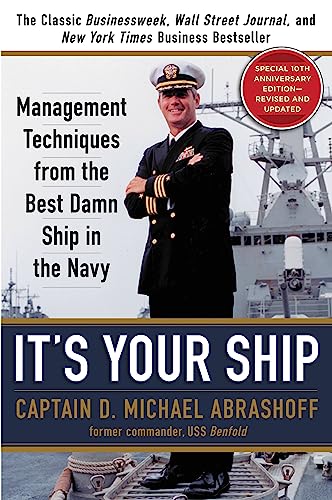
Overview: This management book uses a naval setting to show how clear standards, accountability, and leadership presence can shape performance. It is not a technical performance management manual, but it offers memorable lessons about ownership, morale, and operational discipline. That makes it useful for readers who want leadership ideas with a strong real-world edge.
Why it stands out: Compared with books centered on reviews or HR process, this one speaks more directly to the leadership habits that influence how teams behave every day. It is especially helpful for managers who need to strengthen accountability without losing sight of culture. The setting is specific, but the management lessons translate well to many workplaces.
Strengths:
- Clear lessons on accountability and leadership standards
- Practical and readable
- Useful for managers building team discipline and ownership
Best for: Leaders who want a readable management book with strong lessons about team accountability.
Potential limitations: The naval context gives the book its character, but readers looking for a direct HR or appraisal framework may want a more specialized title too.
View price, available formats, and reader reviews.
Beyond the Hammer: A Fresh Approach to Leadership, Culture, and Building High Performance Teams

Overview: This book looks at leadership, culture, and the habits that support high-performing teams. Rather than treating performance as a narrow process problem, it connects results to the way leaders shape trust, expectations, and team environment. That gives it a broader and more modern feel than books focused only on appraisal mechanics.
Why it stands out: The value here is in its emphasis on culture as a driver of performance. Readers who manage teams in fast-moving environments often need more than forms and feedback language. They need to understand how day-to-day leadership affects team energy and output. This book fills that space well, especially for readers who want a fresh, team-oriented perspective near the end of the list.
Strengths:
- Connects leadership behavior to team performance
- Useful for culture building and team development
- Offers a broader leadership lens than appraisal-focused books
Best for: Managers and leaders who want to improve performance by strengthening culture and team habits.
Potential limitations: Less specialized than a review-writing or discipline-focused guide.
View price, available formats, and reader reviews.
Who This List Is Best For
This list will be most useful to:
- New managers who need a practical starting point for feedback and accountability
- Experienced supervisors who want better systems for performance conversations and reviews
- HR professionals who support evaluations, discipline, or performance programs
- Team leaders who want to strengthen collaboration, trust, and standards
- Organizational leaders who are thinking about performance as part of culture and behavior change
Final Thoughts
If your main need is a practical management foundation, start with High Output Management. If you are writing reviews and want better language, choose Performance Appraisal Phrase Book. If your hardest task is handling difficult conversations, 101 Tough Conversations to Have with Employees is the most directly useful place to begin.
For readers who want a deeper understanding of how performance systems shape behavior, Performance Management: Changing Behavior that Drives Organizational Effectiveness offers more depth. If you want to encourage better habits through reinforcement, Bringing Out the Best in People is the better fit. The best choice depends on whether your problem is writing, coaching, accountability, or team culture.
FAQ
Which book is best for beginners in performance management?
High Output Management is the best starting point for most beginners because it explains the manager’s role in a practical way without getting buried in jargon.
Which book is best for writing performance reviews?
Performance Appraisal Phrase Book is the most directly useful choice if your main challenge is writing clear, professional review comments.
Which book helps most with difficult employee conversations?
101 Tough Conversations to Have with Employees is the strongest fit for managers who need help addressing underperformance, conduct issues, or discipline concerns.
Which book offers the most depth on performance systems?
Performance Management: Changing Behavior that Drives Organizational Effectiveness offers the deepest look at behavior change and organizational performance.
Which book is best for improving team performance rather than individual reviews?
Superteams and Beyond the Hammer are the best choices for readers focused on team dynamics, culture, and collective results.
Which book should I read first if I want a broad understanding of the topic?
Start with High Output Management for a broad management foundation, then move to a more specialized book depending on whether your next priority is reviews, coaching, or difficult conversations.




