
Interview skills are easy to underestimate until you are the one sitting across from a hiring manager, admissions officer, or scholarship panel. At that point, the challenge is rarely a single bad answer. More often, it is a mix of nerves, uneven preparation, weak examples, and not knowing how to present yourself clearly under pressure. The best books for interview skills help with different parts of that problem. Some focus on structure and strategy, some on confidence and delivery, and some on repeated practice with likely questions. The right choice depends on whether you need help with job interviews, academic interviews, or the broader communication habits that make any interview go better.
Quick Answer
If you want the best books for interview skills, start with Get That Job!: The Quick and Complete Guide to a Winning Interview for a practical all-around job interview guide, 60 Seconds and You’re Hired!: Revised Edition for concise self-presentation and fast answers, I Hate Job Interviews for reducing interview anxiety, Cracking the Coding Interview for technical roles, and Mind Brain Emotion 52 Essential Interview Skills if you need interview practice for private school, college, or graduate admissions.
Comparison Table
| Book | Best For | Why It Stands Out |
|---|---|---|
| Get That Job!: The Quick and Complete Guide to a Winning Interview | Job seekers who want a straightforward, all-purpose interview book. | Among general interview books, this one has the clearest “start here” value. It is broad enough to help early-career candidates, yet concrete enough for experienced professionals who need a refresher before an important interview. What… |
| 60 Seconds and You’re Hired!: Revised Edition | Readers who need to tighten their answers and present themselves more clearly in a short amount of time. | For readers who tend to ramble, overexplain, or lose confidence early in the conversation, this is one of the most useful interview books available. Its value lies in compression. It teaches readers to distill their message without… |
| I Hate Job Interviews: Stop Stressing. Start Performing. Get the Job You Want. | Candidates who know what to say but struggle to say it calmly and naturally. | Many interview books assume the main issue is preparation. This one recognizes that nervousness can undo even a prepared candidate. That makes it especially valuable for readers who rehearse well but freeze in the moment. Its usefulness… |
| Cracking the Coding Interview: 189 Programming Questions and Solutions | Software developers and computer science candidates preparing for coding interviews. | Technical interviews have their own rules, and generic interview books do not adequately prepare readers for them. This one does. Its strength is focus. It helps candidates think through coding problems, communicate their reasoning, and… |
| Mind Brain Emotion 52 Essential Interview Skills: Prep for Private School, College, Job Entrance Interviews| 200+ Insider Questions, 101 Real Admissions Essay Prompts, Expert Guide Videos | Students preparing for private school, college, graduate, or early-career entrance interviews. | The strongest reason to recommend it is the range of readers it serves. High school students, college applicants, graduate applicants, parents, counselors, and coaches can all use it in a structured way. It differs from standard job… |
| 101 Toughest Interview Questions | Job seekers who want structured practice for challenging interview questions. | It replaces interview-question cards with a verifiable book that develops preparation, answer structure, and confidence. |
| The Social Skills Picture Book: For High School and Beyond | Readers who need to strengthen basic social confidence before focusing on interview technique. | Interview performance is often built on everyday communication habits. For high school students, neurodivergent readers, or anyone who wants to become more comfortable in face-to-face interactions, this book offers a different kind of… |
How We Chose These Recommendations
This list favors books that solve real interview problems rather than books that merely mention interviews in the title. The strongest choices here offer practical preparation, durable advice, and clear value for specific readers. Some are general job interview guides, while others are better for technical hiring, academic admissions, or learners who need structured practice. The result is a compact list with distinct roles, so readers can match a book to their actual situation instead of sorting through several versions of the same advice.
Recommended Books
Get That Job!: The Quick and Complete Guide to a Winning Interview

Overview: This is a practical, full-spectrum guide to job interviews, covering preparation, answering questions, making a strong impression, and handling the follow-up that so many candidates neglect. It is aimed at readers who want a reliable working manual rather than a theory-heavy book, and it keeps its focus on the mechanics of performing well in a real interview.
Why it stands out: Among general interview books, this one has the clearest “start here” value. It is broad enough to help early-career candidates, yet concrete enough for experienced professionals who need a refresher before an important interview. What makes it especially useful is its balance of practical advice and direct application. It does not ask readers to reinvent themselves. Instead, it helps them organize what they already know, present it well, and avoid common missteps.
Strengths:
- Covers the full interview process, not just the question-and-answer stage
- Useful for both beginners and experienced job seekers
- Practical tone with clear, actionable guidance
- Good choice for readers who want one dependable general resource
Best for: Job seekers who want a straightforward, all-purpose interview book.
Potential limitations: Readers preparing for highly specialized interviews, especially technical roles, may need a more targeted companion book.
View price, available formats, and reader reviews.
60 Seconds and You’re Hired!: Revised Edition

Overview: This book focuses on the short, high-stakes moments that shape an interview. It helps readers sharpen how they introduce themselves, frame their experience, and answer questions with clarity and momentum. Rather than treating interviewing as a long seminar in career development, it zeroes in on the first minute, the critical answer, and the impression that follows.
Why it stands out: For readers who tend to ramble, overexplain, or lose confidence early in the conversation, this is one of the most useful interview books available. Its value lies in compression. It teaches readers to distill their message without sounding rehearsed, which is a skill many candidates lack even when their experience is strong. That makes it especially helpful for people who already know the basics but need to sound more polished under pressure.
Strengths:
- Excellent for improving concise self-presentation
- Helps readers manage first impressions and opening answers
- Useful for candidates who speak well but lack structure
- Fits busy job seekers who want focused preparation
Best for: Readers who need to tighten their answers and present themselves more clearly in a short amount of time.
Potential limitations: It is more specialized than a broad job-search handbook, so some readers may want a fuller interview reference alongside it.
View price, available formats, and reader reviews.
I Hate Job Interviews: Stop Stressing. Start Performing. Get the Job You Want.

Overview: Some candidates do not fail interviews because they lack qualifications. They stumble because anxiety gets in the way of clear thinking, good pacing, and natural conversation. This book is aimed squarely at that problem. It addresses the stress of interviewing and gives readers a more grounded way to perform when the pressure rises.
Why it stands out: Many interview books assume the main issue is preparation. This one recognizes that nervousness can undo even a prepared candidate. That makes it especially valuable for readers who rehearse well but freeze in the moment. Its usefulness comes from treating interviews as a performance challenge as much as a knowledge challenge. The perspective is simple, direct, and easy to act on, which makes it a strong fit for anxious readers who want practical reassurance without fluff.
Strengths:
- Addresses anxiety and performance together
- Good choice for readers who feel tense in interviews
- Practical and approachable rather than abstract
- Useful for building confidence before live interviews
Best for: Candidates who know what to say but struggle to say it calmly and naturally.
Potential limitations: Readers looking for a highly detailed question bank or deeply technical interview prep may want a different book.
View price, available formats, and reader reviews.
Cracking the Coding Interview: 189 Programming Questions and Solutions
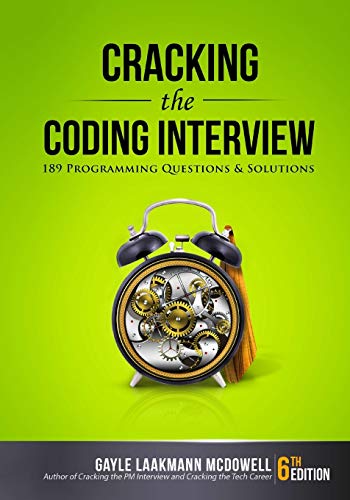
Overview: This is the clearest recommendation for software engineers and coding candidates who need interview prep that goes beyond general advice. It covers programming questions and solutions in a format designed to help readers practice the kinds of problems commonly used in technical hiring. The emphasis is on problem-solving, explanation, and interview readiness, not just memorizing answers.
Why it stands out: Technical interviews have their own rules, and generic interview books do not adequately prepare readers for them. This one does. Its strength is focus. It helps candidates think through coding problems, communicate their reasoning, and work under time pressure. For readers targeting engineering roles, that specificity matters more than broad career advice. It is not the right book for every interview, but within its lane, it remains one of the most practical choices.
Strengths:
- Purpose-built for technical and coding interviews
- Strong emphasis on practice and problem-solving
- Helps readers explain their thinking, not just reach answers
- Well suited to self-study before technical hiring rounds
Best for: Software developers and computer science candidates preparing for coding interviews.
Potential limitations: It is specialized and assumes the reader is preparing for a technical role, so it is not a general job interview guide.
View price, available formats, and reader reviews.
Mind Brain Emotion 52 Essential Interview Skills: Prep for Private School, College, Job Entrance Interviews| 200+ Insider Questions, 101 Real Admissions Essay Prompts, Expert Guide Videos

Overview: This resource is built for interview practice across educational and early-career settings. It is especially relevant for private school, college, and graduate admissions, where interviews often test confidence, poise, communication, and self-awareness rather than job experience. The card-based structure and accompanying guidance make it well suited to mock interviews and repeated practice.
Why it stands out: The strongest reason to recommend it is the range of readers it serves. High school students, college applicants, graduate applicants, parents, counselors, and coaches can all use it in a structured way. It differs from standard job interview books by focusing on admissions-style questions and on building the habits that support stronger communication overall. The format also makes practice feel more active, which is useful for younger readers who learn better through repetition and guided response work.
Strengths:
- Designed for admissions and entrance interviews as well as career interviews
- Works well for mock practice and guided repetition
- Covers a broad range of question types and response styles
- Useful for students and the adults supporting them
Best for: Students preparing for private school, college, graduate, or early-career entrance interviews.
Potential limitations: Readers looking for a traditional narrative book may prefer a standard paperback rather than a card-based format.
View price, available formats, and reader reviews.
101 Toughest Interview Questions
Overview: Daniel Porot and Frances Bolles Haynes provide questions, answer strategies, and examples that help candidates prepare for difficult interviews without memorizing a rigid script.
Why it stands out: It replaces interview-question cards with a verifiable book that develops preparation, answer structure, and confidence.
Strengths:
- Focused practice questions
- Useful answer frameworks
- Easy to use before a real interview
Best for: Job seekers who want structured practice for challenging interview questions.
Potential limitations: Readers still need to adapt the examples to their own experience and target role.
View price, available formats, and reader reviews.
The Social Skills Picture Book: For High School and Beyond

Overview: Although it is not an interview book in the narrow sense, this title belongs on a list about interview skills because interviewing depends heavily on social communication. The book focuses on practical social skills for teens and older readers, which can help with eye contact, conversation flow, turn-taking, and other behaviors that influence how someone comes across in an interview.
Why it stands out: Interview performance is often built on everyday communication habits. For high school students, neurodivergent readers, or anyone who wants to become more comfortable in face-to-face interactions, this book offers a different kind of preparation. It is less about crafting the perfect answer and more about building the baseline social ease that makes interviews smoother. That makes it a smart supporting recommendation, especially when the core issue is confidence and conversational fluency.
Strengths:
- Supports the communication habits that help in interviews
- Especially useful for teens and young adults
- Concrete, approachable format
- Helpful companion to a more direct interview prep book
Best for: Readers who need to strengthen basic social confidence before focusing on interview technique.
Potential limitations: It is broader than a dedicated interview guide, so it works best as a foundation rather than a standalone interview manual.
View price, available formats, and reader reviews.
Who This List Is Best For
This list is most useful for job seekers, students preparing for admissions interviews, technical candidates, and readers who want to improve the communication habits that make interviews go better. Beginners will benefit from the broader guides. Anxious candidates will likely prefer the books that focus on confidence and performance. Technical professionals should go directly to the coding interview title. Students and families preparing for academic interviews will get the most from the more structured practice tools.
Final Thoughts
If you want the most dependable all-around starting point, choose Get That Job!. If your main problem is sounding concise and prepared, 60 Seconds and You’re Hired! is the sharper fit. If nerves are the real obstacle, I Hate Job Interviews speaks to that challenge directly. For technical hiring, Cracking the Coding Interview is the obvious first stop. And if you are preparing for school or admissions interviews, Mind Brain Emotion 52 Essential Interview Skills is the most targeted option on the list.
The right book depends less on the word “interview” and more on the kind of interview you are facing, and the part of the process that needs the most work.
FAQ
Which book is best for beginners?
Get That Job! is the best starting point for most beginners because it covers the core pieces of interview preparation in a clear, practical way.
Which book is best if I get nervous in interviews?
I Hate Job Interviews is the strongest choice for readers whose main issue is stress, hesitation, or freezing under pressure.
Which book is best for technical interviews?
Cracking the Coding Interview is the most useful book here for software and programming candidates.
Which book is best for college or private school interviews?
Mind Brain Emotion 52 Essential Interview Skills is the most directly relevant option for admissions-style interviews and guided practice.
Can I improve interview skills by reading one book?
Yes, especially if you choose a book that matches your situation. That said, interview skills improve fastest when reading is paired with mock interviews, spoken practice, and feedback.
Which book offers the best long-term value?
60 Seconds and You’re Hired! offers strong long-term value because concise self-presentation is useful in interviews, networking conversations, and many professional settings beyond hiring.