
Kindness is one of those subjects that sounds simple until you try to practice it consistently. In books, it can mean very different things depending on what you need right now: a picture book for young children, a story that models empathy through action, or a more thoughtful read about how kindness changes relationships and communities. The best books for kindness do more than repeat a good message. They help readers see what kindness looks like, why it matters, and how it can be lived in ordinary situations.
That is why this list includes a mix of picture books and read-aloud favorites that approach kindness from different angles. Some are ideal for introducing the idea to toddlers and early readers. Others work better when you want a story that carries the lesson naturally without sounding instructional. Together, they give you a practical set of choices rather than six versions of the same book.
Quick Answer
If you want the best books for kindness, start with The Rainbow Fish, Each Kindness, Stick and Stone, The One and Only Ivan, and Kindness is My Superpower. Those five cover the broadest range of readers, from toddlers to older children, while offering different ways to explore generosity, empathy, friendship, and the consequences of kindness withheld.
Comparison Table
| Book | Best For | Why It Stands Out |
|---|---|---|
| The Rainbow Fish | Introducing sharing and generosity to young children | A familiar classic that turns kindness into a clear, visual story |
| Each Kindness | Older children ready for a more realistic lesson | Shows the lasting impact of small choices and missed chances |
| Stick and Stone | Early readers and simple read-aloud time | Uses a short, gentle friendship story to make kindness feel accessible |
| The One and Only Ivan | Readers who want kindness in a fuller story | Explores empathy, patience, and responsibility with unusual depth |
| Kindness is My Superpower | Toddlers and early elementary readers | A straightforward introduction to empathy and compassionate behavior |
How We Chose These Recommendations
The strongest books for kindness are not the ones that mention kindness most often. They are the ones that help readers understand it in a memorable, age-appropriate way. For this list, the focus was on books that are easy to share, easy to discuss, and strong enough to hold up beyond a single reading.
Selection also favored books with clear editorial value. That means stories with a lasting reputation, a useful emotional angle, and an approach that suits real readers rather than generic browsing. Some books here are classics for very young children. Others are better for classrooms, family reading, or children who are ready to think a little more deeply about empathy and friendship.
Recommended Books
The Rainbow Fish

Overview: The Rainbow Fish follows a beautiful fish who learns that sharing what makes him special can also help him connect with others. The story is simple, visually distinctive, and built around a message that young children can understand quickly. It works especially well as a read-aloud because the lesson is direct without becoming preachy.
Why it stands out: Among books for kindness, this is one of the most recognizable ways to introduce the connection between generosity and friendship. It gives parents, teachers, and caregivers an easy starting point for conversations about sharing, belonging, and what it means to be kind to others. The book’s strength is its clarity. Young readers do not have to decode a complex plot to grasp the central idea.
Strengths:
- Clear, memorable lesson for young children
- Works well for read-alouds and classroom discussion
- Simple structure makes the message easy to revisit
Best for: Preschoolers, kindergarteners, and anyone introducing kindness through a classic picture book.
Potential limitations: The message is very direct, so older children may find it too simple compared with more layered stories.
View price, available formats, and reader reviews.
Each Kindness

Overview: Each Kindness tells the story of a child who misses repeated chances to be kind to a new classmate. Rather than offering a tidy lesson, it focuses on regret, missed opportunity, and the emotional weight of everyday cruelty or indifference. That makes it one of the strongest kindness books for children who are ready for a more realistic conversation.
Why it stands out: This book deserves a place on the list because it treats kindness as a choice with consequences. Many children’s books on the topic emphasize warmth and goodwill, but this one does something harder and more useful. It helps readers understand that kindness is not only about grand gestures. It is also about noticing who is left out and what happens when we fail to act.
Strengths:
- Handles empathy and regret with unusual honesty
- Useful for classroom discussions about inclusion
- Encourages reflection rather than simple repetition of a moral
Best for: Elementary-age readers, teachers, and families looking for a more thoughtful kindness book.
Potential limitations: The emotional tone is heavier than many picture books, so it may not be the best choice for very young children.
View price, available formats, and reader reviews.
Stick and Stone

Overview: Stick and Stone centers on two unlikely friends who learn how support, loyalty, and kindness help them through small and meaningful challenges. Its language is spare, which makes it easy to read aloud, and its emotional arc is gentle enough for very young audiences. The story also models friendship in a way that feels reassuring rather than didactic.
Why it stands out: This is one of the best books for kindness when you want a story that feels warm without becoming overly sentimental. It is especially useful for children who are beginning to navigate friendship dynamics, because it shows kindness as steady support rather than just polite behavior. The book also has strong value for repeated reading, since young children often respond well to its rhythm and simplicity.
Strengths:
- Short, accessible, and easy to share aloud
- Focuses on loyalty and mutual support
- Works well for preschool and early elementary readers
Best for: Toddlers, preschoolers, and early readers who need a simple story about friendship and care.
Potential limitations: Readers looking for a more detailed or discussion-heavy book may find it too brief.
View price, available formats, and reader reviews.
The One and Only Ivan

Overview: The One and Only Ivan is a novel about friendship, patience, and the quiet moral force of caring for others. Although it is often recommended as children’s literature, it reaches beyond a basic lesson book. The emotional perspective is more layered, and the story invites readers to think about compassion in more difficult circumstances.
Why it stands out: Compared with many kindness books that focus on a single, obvious message, this one gives readers a fuller narrative experience. It is especially valuable for children who are ready to move from picture-book lessons into chapter-book reading without losing sight of the theme. The book treats kindness as something tied to responsibility, attention, and the way we respond to vulnerability.
Strengths:
- More nuanced than a typical introductory kindness book
- Strong choice for independent reading or family read-alouds
- Connects kindness with empathy and care over time
Best for: Middle-grade readers and families who want a kindness story with more depth.
Potential limitations: The emotional range is broader than in a simple picture book, so it may be better for readers who can handle a more reflective story.
View price, available formats, and reader reviews.
Kindness is My Superpower

Overview: Kindness is My Superpower introduces empathy, compassion, and everyday kind behavior in language that is easy for young children to absorb. It is designed to make the idea of kindness concrete rather than abstract. That makes it a strong pick for toddlers and early elementary readers who benefit from direct, simple framing.
Why it stands out: This book earns its place because it gives very young readers a straightforward way to think about kindness as something they can practice themselves. Some kindness books rely on story or symbolism, which is valuable, but this one is especially useful for early instruction. If you want a book that can help children name kind choices and recognize them in daily life, this is a practical option.
Strengths:
- Clear language for very young readers
- Centers empathy and compassion in an accessible way
- Good fit for home reading and classroom use
Best for: Toddlers, preschoolers, and adults looking for a simple kindness introduction.
Potential limitations: The approach is instructional, so readers seeking a richer narrative may prefer a story-driven title instead.
View price, available formats, and reader reviews.
Kindness Makes Us Strong

Overview: Kindness Makes Us Strong presents kindness as a source of confidence, connection, and emotional resilience. For young children, that framing matters. It helps them understand that kindness is not weakness or something extra. It is part of how people build trust and care for one another.
Why it stands out: This is a useful recommendation for families or educators who want a book that links kindness with everyday strength. It differs from the more classic picture-book options by emphasizing the positive effect kindness has on both giver and receiver. That makes it a strong fit when the goal is to reinforce kind behavior in a reassuring, age-appropriate way.
Strengths:
- Reinforces kindness as a practical habit
- Accessible for very young children
- Works well as a shared read-aloud
Best for: Preschool and early elementary readers who benefit from simple, positive messaging.
Potential limitations: Readers wanting a more literary or layered narrative may find it more direct than they need.
View price, available formats, and reader reviews.
Be Kind
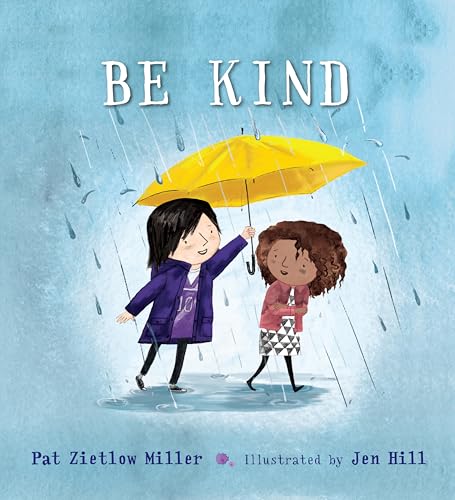
Overview: Be Kind gives young readers a clear introduction to kind behavior in a format that is straightforward and easy to use with children just beginning to learn social-emotional ideas. It focuses on the basics, which is exactly what makes it useful. When the goal is to start the conversation early, clarity matters more than complexity.
Why it stands out: Among the picture books on this list, this is one of the most direct choices for introducing kindness in a very simple way. It does not ask children to unpack a complicated plot or a heavy emotional situation. Instead, it offers an approachable, practical starting point for families, daycare settings, and early classrooms.
Strengths:
- Very accessible for early learners
- Good fit for short read-aloud sessions
- Helps reinforce basic social-emotional vocabulary
Best for: Toddlers and preschoolers who are just beginning to learn what kindness looks like.
Potential limitations: Because it is so direct, older children may want a story with more character development or emotional depth.
View price, available formats, and reader reviews.
We’re Better Together

Overview: We’re Better Together focuses on kindness, community, friendship, and cooperation for toddlers and young children. Its emphasis on collective care makes it especially relevant for families or classrooms that want to talk not just about being kind individually, but about how people support one another in groups.
Why it stands out: This book adds something useful that many kindness titles overlook: the social side of kindness. It is not only about one person being kind to another. It also helps children see how kindness contributes to a happier, more cooperative environment. That makes it a strong choice for group settings, sibling reading, and early social learning.
Strengths:
- Focuses on community as well as individual kindness
- Well suited to toddlers and ages 2 to 5
- Practical for classrooms and family discussions
Best for: Toddlers, preschoolers, and caregivers who want a kindness book about cooperation and belonging.
Potential limitations: Readers looking for a more emotionally complex story may prefer one of the longer picture books on the list.
View price, available formats, and reader reviews.
Books of Kindness
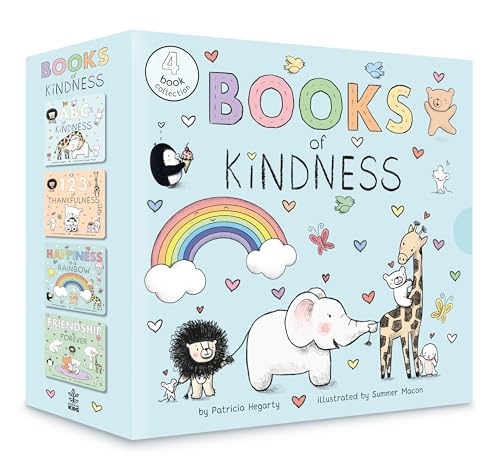
Overview: Books of Kindness brings together several gentle, early-learning themes in one collection, including kindness, thankfulness, happiness, and friendship. Because it is built as a set, it can work well for families who want multiple short, positive reads rather than a single long story. The format also makes it useful for rotating between different emotions and values with young children.
Why it stands out: This is the most flexible option on the list for readers who want a bundle of early lessons in one place. It is less focused than the single-title picture books, but that can be an advantage for parents who want a small library of kindness-related stories. Its main value is convenience paired with broad early-childhood appeal.
Strengths:
- Offers several kindness-related themes in one volume
- Useful for short, repeated reading sessions
- Good for families building an early picture-book shelf
Best for: Parents, caregivers, and gift buyers looking for a varied set of gentle, early-learning reads.
Potential limitations: Because it is a collection, it may feel less focused than a single story with one clear emotional arc.
View price, available formats, and reader reviews.
Who This List Is Best For
This list is best for parents, teachers, librarians, gift buyers, and anyone looking for books that introduce kindness in a way children can understand. It also works well for readers choosing books by age group, since the recommendations range from very simple picture books to a more reflective chapter book.
If you want books for toddlers and preschoolers, the clearest starting points are Be Kind, Kindness is My Superpower, Kindness Makes Us Strong, and We’re Better Together. If you need a story that reaches older children more effectively, Each Kindness, Stick and Stone, and The One and Only Ivan offer more emotional range.
Final Thoughts
If your main goal is to introduce kindness in the simplest possible way, start with Be Kind or Kindness is My Superpower. If you want a classic picture book that most children will understand immediately, The Rainbow Fish is still one of the clearest choices. For readers who are ready for a more meaningful conversation, Each Kindness and The One and Only Ivan offer more depth.
If you are choosing for a classroom or a shared reading setting, Stick and Stone and We’re Better Together are especially practical because they connect kindness with friendship and group behavior. And if you want a set of gentle early-learning books in one place, Books of Kindness gives you the most variety in a single pick.
FAQ
Which book is best for beginners?
Be Kind and Kindness is My Superpower are the easiest starting points for very young children because they introduce kindness in simple, direct language.
Which book is best for classroom use?
Each Kindness is one of the strongest classroom choices because it invites discussion about inclusion, regret, and the impact of everyday choices.
Which book is the most gentle read-aloud?
Stick and Stone is especially gentle and works well when you want a short, comforting story about friendship and support.
Which book offers the most depth?
The One and Only Ivan offers the most layered reading experience on this list, especially for children ready to think more deeply about empathy and responsibility.
Which book should I read first?
If you want a familiar classic, start with The Rainbow Fish. If you want something more reflective, begin with Each Kindness.
Which recommendation is best for toddlers?
Be Kind, Kindness Makes Us Strong, and We’re Better Together are especially well suited to toddlers and preschoolers.




