
Emotional maturity is one of those subjects that sounds simple until you try to practice it in real life. Most readers come to this topic after noticing the same patterns again and again: reacting too quickly, shutting down under stress, struggling to name feelings clearly, or realizing that old family dynamics still shape adult relationships. The best books on emotional maturity do more than encourage self-control. They help you understand your triggers, make sense of your habits, and respond to people with more steadiness and clarity.
The strongest books in this area are not all the same. Some are practical and skills-based. Others focus on emotional development in the context of childhood, relationships, faith, or leadership. That variety matters, because emotional maturity is not a single lesson. Different readers need different entry points depending on what they are trying to change.
Quick Answer
For most readers, Adult Children of Emotionally Immature Parents is the best starting point because it gives the clearest foundation for emotional maturity. HBR’s 10 Must Reads on Emotional Intelligence is a strong next choice when you want a more practical or applied approach, while The 5 Personality Patterns adds a different perspective for readers who want to go deeper.
Comparison Table
| Book | Best For | Why It Stands Out |
|---|---|---|
| Adult Children of Emotionally Immature Parents | Readers who want a book specifically about family patterns and emotional responsibility. | It earns a place on this list because it addresses family patterns and emotional responsibility directly and adds a distinct perspective alongside the other recommendations. |
| HBR’s 10 Must Reads on Emotional Intelligence | Readers who want a book specifically about emotional intelligence at work. | It earns a place on this list because it addresses emotional intelligence at work directly and adds a distinct perspective alongside the other recommendations. |
| The 5 Personality Patterns | Readers who want a book specifically about recognizing recurring emotional and relational patterns. | It earns a place on this list because it addresses recognizing recurring emotional and relational patterns directly and adds a distinct perspective alongside the other recommendations. |
| Emotional Maturity | Readers who want a book specifically about the habits behind steadier emotional responses. | It earns a place on this list because it addresses the habits behind steadier emotional responses directly and adds a distinct perspective alongside the other recommendations. |
| Spiritual and Emotional Maturity | Readers who want a book specifically about emotional growth and personal values. | It earns a place on this list because it addresses emotional growth and personal values directly and adds a distinct perspective alongside the other recommendations. |
| Permission to Feel | Adults who want stronger emotional awareness, regulation, and communication. | It is a better fit for emotional maturity than a young-adult literary title because it explains the emotional skills adults can practice at work and at home. |
| Emotional Intelligence | Readers who want a broad introduction to the skills behind emotional maturity. | It gives the emotional-maturity list a foundational, widely applicable framework instead of a children’s story. |
How We Chose These Recommendations
This list was built around usefulness, not just keyword match. Emotional maturity can mean learning to regulate emotions, recovering from difficult family dynamics, understanding yourself better, or developing steadier relationships. The books here address those different needs without drifting into filler or overly similar advice.
Priority went to books with clear editorial value: established titles, recognizable frameworks, and approaches that have lasting relevance. Some are best for practical self-study, others are better for readers who want a deeper psychological lens, and a few serve specific audiences such as faith-based readers or younger learners. Together, they give readers real choices instead of repeating the same idea in different covers.
Recommended Books
Adult Children of Emotionally Immature Parents

Overview: Adult Children of Emotionally Immature Parents is a focused resource for family patterns and emotional responsibility. It gives readers a concrete way to understand the topic and apply the ideas in real situations.
Why it stands out: It earns a place on this list because it addresses family patterns and emotional responsibility directly and adds a distinct perspective alongside the other recommendations.
Strengths:
- Clear explanation of the core ideas
- Useful examples or practical takeaways
- Easy to compare with the other books on this list
Best for: Readers who want a book specifically about family patterns and emotional responsibility.
Potential limitations: The examples and level of detail may fit some readers better than others, so it works best as part of a focused reading plan.
View price, available formats, and reader reviews.
HBR’s 10 Must Reads on Emotional Intelligence

Overview: HBR’s 10 Must Reads on Emotional Intelligence is a focused resource for emotional intelligence at work. It gives readers a concrete way to understand the topic and apply the ideas in real situations.
Why it stands out: It earns a place on this list because it addresses emotional intelligence at work directly and adds a distinct perspective alongside the other recommendations.
Strengths:
- Clear explanation of the core ideas
- Useful examples or practical takeaways
- Easy to compare with the other books on this list
Best for: Readers who want a book specifically about emotional intelligence at work.
Potential limitations: The examples and level of detail may fit some readers better than others, so it works best as part of a focused reading plan.
View price, available formats, and reader reviews.
The 5 Personality Patterns

Overview: The 5 Personality Patterns is a focused resource for recognizing recurring emotional and relational patterns. It gives readers a concrete way to understand the topic and apply the ideas in real situations.
Why it stands out: It earns a place on this list because it addresses recognizing recurring emotional and relational patterns directly and adds a distinct perspective alongside the other recommendations.
Strengths:
- Clear explanation of the core ideas
- Useful examples or practical takeaways
- Easy to compare with the other books on this list
Best for: Readers who want a book specifically about recognizing recurring emotional and relational patterns.
Potential limitations: The examples and level of detail may fit some readers better than others, so it works best as part of a focused reading plan.
View price, available formats, and reader reviews.
Emotional Maturity

Overview: Emotional Maturity is a focused resource for the habits behind steadier emotional responses. It gives readers a concrete way to understand the topic and apply the ideas in real situations.
Why it stands out: It earns a place on this list because it addresses the habits behind steadier emotional responses directly and adds a distinct perspective alongside the other recommendations.
Strengths:
- Clear explanation of the core ideas
- Useful examples or practical takeaways
- Easy to compare with the other books on this list
Best for: Readers who want a book specifically about the habits behind steadier emotional responses.
Potential limitations: The examples and level of detail may fit some readers better than others, so it works best as part of a focused reading plan.
View price, available formats, and reader reviews.
Spiritual and Emotional Maturity

Overview: Spiritual and Emotional Maturity is a focused resource for emotional growth and personal values. It gives readers a concrete way to understand the topic and apply the ideas in real situations.
Why it stands out: It earns a place on this list because it addresses emotional growth and personal values directly and adds a distinct perspective alongside the other recommendations.
Strengths:
- Clear explanation of the core ideas
- Useful examples or practical takeaways
- Easy to compare with the other books on this list
Best for: Readers who want a book specifically about emotional growth and personal values.
Potential limitations: The examples and level of detail may fit some readers better than others, so it works best as part of a focused reading plan.
View price, available formats, and reader reviews.
Permission to Feel
Overview: Marc Brackett presents a practical framework for recognizing, labeling, expressing, and regulating emotions.
Why it stands out: It is a better fit for emotional maturity than a young-adult literary title because it explains the emotional skills adults can practice at work and at home.
Strengths:
- Clear emotional vocabulary
- Practical regulation framework
- Applicable to relationships and leadership
Best for: Adults who want stronger emotional awareness, regulation, and communication.
Potential limitations: The framework is accessible rather than a substitute for clinical care.
View price, available formats, and reader reviews.
Emotional Intelligence
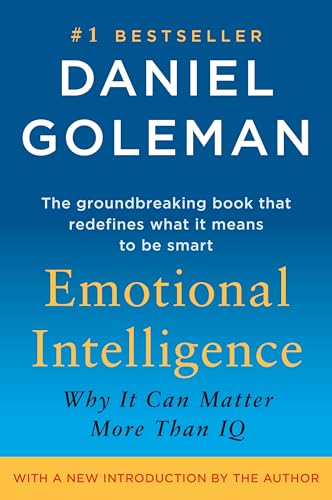
Overview: Daniel Goleman explains how self-awareness, self-regulation, empathy, and social skill affect judgment and relationships.
Why it stands out: It gives the emotional-maturity list a foundational, widely applicable framework instead of a children’s story.
Strengths:
- Foundational model of emotional intelligence
- Connects emotion with performance
- Useful across work and personal life
Best for: Readers who want a broad introduction to the skills behind emotional maturity.
Potential limitations: Some examples reflect the period in which it was written and should be read alongside newer research.
View price, available formats, and reader reviews.
Who This List Is Best For
This list works best for readers who want emotional maturity to feel concrete rather than vague. It is especially useful for:
- Beginners who want a clear, accessible introduction
- Adults processing family patterns and emotional history
- Professionals and managers who want emotional intelligence in a workplace context
- Readers who like frameworks and personality-based insight
- Faith-based readers who want spiritual and emotional growth together
- Parents and caregivers supporting children’s emotional development
- Teen readers and educators who prefer fiction as a path into the topic
Final Thoughts
The strongest choice depends on what you need from a book about emotional maturity. Start with Adult Children of Emotionally Immature Parents if you want the clearest foundation, move to HBR’s 10 Must Reads on Emotional Intelligence when you want a more practical framework, and use The 5 Personality Patterns when you want to broaden your perspective. The comparison table above is designed to make that choice easier without treating one book as the right answer for every reader.
FAQ
Which book should I read first?
Start with Adult Children of Emotionally Immature Parents if you want the clearest introduction to emotional maturity. It is the most useful foundation before choosing a narrower or more advanced recommendation.
Which recommendation is the most practical?
HBR’s 10 Must Reads on Emotional Intelligence is a strong practical choice because it translates the topic into ideas or exercises that can be used immediately. If your needs are more specialized, compare the Best For column in the table.
Can I use these books for self-study?
Yes. Read one book at a time, take notes on the ideas that fit your situation, and apply one or two practices before moving on. For mental-health or clinical concerns, books should support—not replace—professional care.
How should I choose between the recommendations?
Choose based on your current goal, experience level, and preferred format. A practical guide may be best when you need action now, while a broader or more research-oriented book may be better when you want context and long-term understanding.
Do I need to read every book on the list?
No. One well-matched book, followed by deliberate application, is usually more useful than collecting several books without using what they teach.