
Searching for the best books about happiness usually means one of two things. Either you want a thoughtful guide to living with more ease and contentment, or you are trying to make sense of why some approaches to happiness feel shallow while others actually change how you think and act. The strongest books in this area do not promise constant positivity. They help readers understand habits, mindset, purpose, relationships, and the practical limits of chasing feeling good all the time.
That is why a good happiness reading list should mix classic wisdom, modern psychology, and books that focus on different stages of life. Some are more philosophical, some are more practical, and some are best when you want a clearer framework for real-world change. The books below were selected with that range in mind.
Quick Answer
If you want the best books about happiness, start with Build the Life You Want, The Art of Happiness, The Happiness Advantage, Don’t Believe Everything You Think, and From Strength to Strength. Together, they cover practical habits, emotional perspective, mental habits, and the deeper question of how happiness changes across life stages.
Comparison Table
| Book | Best For | Why It Stands Out |
|---|---|---|
| Build the Life You Want: The Art and Science of Getting Happier | Readers who want a straightforward, balanced starting point and prefer modern psychology over abstract philosophy. | Among the newer books about happiness, this is one of the clearest options for readers who want structure without jargon. It is especially helpful for people who like advice grounded in both research and common sense. The tone is… |
| The Art of Happiness: A Handbook for Living | Readers interested in a broader, more philosophical view of happiness and personal well-being. | It remains one of the most influential books about happiness because it treats the subject as a skill and a way of living, not a quick emotional fix. Readers who want to think more carefully about what happiness means often find it more… |
| The Happiness Advantage: How a Positive Brain Fuels Success in Work and Life | Professionals, students, and readers who want happiness ideas they can use in daily life and at work. | Compared with broader happiness books, this one is especially useful for readers who want to understand how optimism and well-being influence productivity, resilience, and everyday performance. It is practical without being simplistic,… |
| Don’t Believe Everything You Think (Expanded Edition): Why Your Thinking Is The Beginning & End of Suffering | Readers who want a calmer mindset and a more inward, reflective approach to happiness. | It earns its place on a happiness list because it offers a simpler, more introspective route to well-being than books built around productivity or habit tracking. Readers who feel stuck in mental loops may find its message immediately… |
| From Strength to Strength: Finding Success, Happiness, and Deep Purpose in the Second Half of Life | Readers in midlife, retirees, or anyone thinking seriously about the second half of life. | Many happiness books assume a generic reader. This one is especially valuable for midlife and later-life readers who are reevaluating work, status, and fulfillment. It offers a more specific and honest conversation about how happiness… |
| The Psychology of Money: Timeless lessons on wealth, greed, and happiness | Readers who want to understand how financial habits and attitudes affect contentment. | What makes this recommendation especially useful is its angle. Instead of offering financial formulas, it explains how people actually think about money and why that thinking can either support or undermine happiness. Readers who want a… |
| The Let Them Theory: A Life-Changing Tool That Millions of People Can’t Stop Talking About | Readers who want an easy-to-grasp tool for reducing stress and emotional friction. | While many happiness books offer broad frameworks, this one is centered on a single, memorable mindset shift. That makes it especially appealing for readers who feel drained by other people’s expectations, social pressure, or constant… |
| 7 Strategies for Wealth & Happiness: Power Ideas from America’s Foremost Business Philosopher | Readers who want a brief, practical introduction to the overlap between wealth and happiness. | The book has a distinctive place on this list because it speaks to readers who want a business-minded perspective without losing sight of personal contentment. It is not the deepest or most expansive title here, but it is useful for… |
How We Chose These Recommendations
These books were selected for usefulness, staying power, and fit with the real reasons people look for books about happiness. Some readers want practical tools. Others want a broader philosophy of contentment. Others are trying to understand why success does not always produce satisfaction, or why certain patterns of thinking keep getting in the way.
The list mixes established classics with a few modern books that have earned a place because they speak clearly to readers without oversimplifying the topic. Just as important, each book adds something different. That means you are not getting five versions of the same advice, but a more useful range of approaches to happiness, purpose, and emotional well-being.
Recommended Books
Build the Life You Want: The Art and Science of Getting Happier

Overview: This book takes a practical, contemporary approach to happiness, focusing on habits, mindset, and the everyday choices that shape well-being. Rather than treating happiness as a vague emotional state, it breaks the topic into understandable parts and offers a framework readers can actually use.
Why it stands out: Among the newer books about happiness, this is one of the clearest options for readers who want structure without jargon. It is especially helpful for people who like advice grounded in both research and common sense. The tone is accessible, but the book still respects the complexity of the subject.
Strengths:
- Clear, organized approach to getting happier
- Practical without feeling overly prescriptive
- Useful for readers who want actionable ideas they can try immediately
Best for: Readers who want a straightforward, balanced starting point and prefer modern psychology over abstract philosophy.
Potential limitations: Readers looking for a deeply reflective or spiritual treatment of happiness may want something more contemplative.
View price, available formats, and reader reviews.
The Art of Happiness: A Handbook for Living

Overview: This well-known book explores happiness as something that can be cultivated through thought, discipline, and compassion. It blends Buddhist ideas with practical conversation, making it more reflective than a typical self-help book and more grounded than purely philosophical writing.
Why it stands out: It remains one of the most influential books about happiness because it treats the subject as a skill and a way of living, not a quick emotional fix. Readers who want to think more carefully about what happiness means often find it more rewarding than books that focus only on positivity or productivity.
Strengths:
- Deep but still approachable discussion of happiness
- Strong emphasis on compassion and perspective
- Helpful for readers who want both ideas and self-reflection
Best for: Readers interested in a broader, more philosophical view of happiness and personal well-being.
Potential limitations: The reflective style may feel slower for readers who want quick exercises or a highly structured plan.
View price, available formats, and reader reviews.
The Happiness Advantage: How a Positive Brain Fuels Success in Work and Life

Overview: This book argues that happiness is not just the reward for success, but often a contributor to it. Drawing on positive psychology, it connects mood, performance, and habits in a way that is especially relevant for work, school, and high-pressure environments.
Why it stands out: Compared with broader happiness books, this one is especially useful for readers who want to understand how optimism and well-being influence productivity, resilience, and everyday performance. It is practical without being simplistic, and it gives readers a reason to care about happiness beyond emotional comfort alone.
Strengths:
- Strong link between well-being and performance
- Useful in professional and academic settings
- Easy to apply to routines, teamwork, and mindset
Best for: Professionals, students, and readers who want happiness ideas they can use in daily life and at work.
Potential limitations: Readers seeking a more contemplative or existential perspective may find the workplace emphasis narrower than they want.
View price, available formats, and reader reviews.
Don’t Believe Everything You Think (Expanded Edition): Why Your Thinking Is The Beginning & End of Suffering

Overview: This book focuses on one of the most common sources of unhappiness: unexamined thinking. It invites readers to step back from anxious, repetitive, or self-defeating mental habits and notice how much suffering comes from believing every thought at face value.
Why it stands out: It earns its place on a happiness list because it offers a simpler, more introspective route to well-being than books built around productivity or habit tracking. Readers who feel stuck in mental loops may find its message immediately relevant. The expanded edition also makes it more useful for those who want a fuller treatment of the idea.
Strengths:
- Direct focus on thoughts as a source of suffering
- Clear and accessible for readers exploring inner calm
- Works well for people interested in mindfulness-adjacent ideas
Best for: Readers who want a calmer mindset and a more inward, reflective approach to happiness.
Potential limitations: The book’s central idea is narrow by design, so readers wanting a broad survey of happiness research may want to pair it with another title.
View price, available formats, and reader reviews.
From Strength to Strength: Finding Success, Happiness, and Deep Purpose in the Second Half of Life

Overview: This book addresses happiness through the lens of aging, purpose, and changing expectations. It is especially concerned with what happens when the kind of success that once motivated you no longer feels as satisfying, and how to build a different, more durable sense of meaning.
Why it stands out: Many happiness books assume a generic reader. This one is especially valuable for midlife and later-life readers who are reevaluating work, status, and fulfillment. It offers a more specific and honest conversation about how happiness evolves over time, which makes it unusually relevant for a mature audience.
Strengths:
- Excellent for readers facing career or life transitions
- Connects happiness with purpose, not just mood
- Thoughtful and realistic about changing priorities with age
Best for: Readers in midlife, retirees, or anyone thinking seriously about the second half of life.
Potential limitations: Younger readers may still benefit from it, but the book is most compelling when age, success, and purpose are already pressing questions.
View price, available formats, and reader reviews.
The Psychology of Money: Timeless lessons on wealth, greed, and happiness
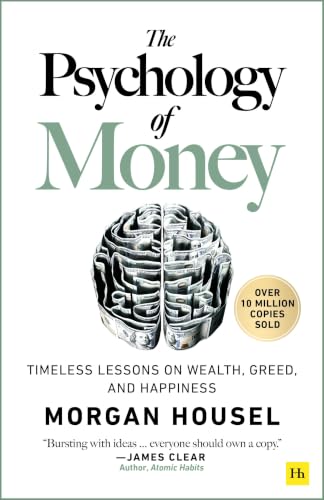
Overview: Although this is not a traditional happiness book, it belongs on any serious list because money is one of the most common variables affecting peace of mind. The book looks at how behavior, expectations, envy, security, and financial decisions shape a person’s sense of well-being.
Why it stands out: What makes this recommendation especially useful is its angle. Instead of offering financial formulas, it explains how people actually think about money and why that thinking can either support or undermine happiness. Readers who want a more realistic view of contentment, especially in relation to wealth and worry, will find it unusually insightful.
Strengths:
- Fresh perspective on the link between money and happiness
- Readable, memorable, and easy to revisit
- Useful for readers who want fewer emotional mistakes around money
Best for: Readers who want to understand how financial habits and attitudes affect contentment.
Potential limitations: Because it is primarily about money, readers looking for a full philosophy or psychology of happiness should treat it as one important angle rather than the whole subject.
View price, available formats, and reader reviews.
The Let Them Theory: A Life-Changing Tool That Millions of People Can’t Stop Talking About

Overview: This book centers on a simple idea about releasing control over other people’s choices and opinions. At its best, it helps readers create more emotional space, reduce unnecessary tension, and stop over-managing situations that were never fully theirs to control.
Why it stands out: While many happiness books offer broad frameworks, this one is centered on a single, memorable mindset shift. That makes it especially appealing for readers who feel drained by other people’s expectations, social pressure, or constant overthinking. It is more of a practical mental reset than a theory-heavy exploration.
Strengths:
- Simple central idea that is easy to remember
- Relevant to relationships, boundaries, and stress
- Highly accessible for readers who want a quick entry point
Best for: Readers who want an easy-to-grasp tool for reducing stress and emotional friction.
Potential limitations: The concept is intentionally narrow, so readers who want a deeper treatment of happiness may want a more comprehensive companion book.
View price, available formats, and reader reviews.
7 Strategies for Wealth & Happiness: Power Ideas from America’s Foremost Business Philosopher

Overview: This is a compact, idea-driven book that connects financial thinking with a broader sense of well-being. Its format is concise, making it a practical choice for readers who want something shorter and more direct than many modern happiness titles.
Why it stands out: The book has a distinctive place on this list because it speaks to readers who want a business-minded perspective without losing sight of personal contentment. It is not the deepest or most expansive title here, but it is useful for readers who appreciate crisp, principle-based advice and want to think about wealth and happiness together.
Strengths:
- Short and accessible
- Connects personal well-being with financial perspective
- Good option for readers who prefer concise lessons over long-form self-help
Best for: Readers who want a brief, practical introduction to the overlap between wealth and happiness.
Potential limitations: It is narrower and less comprehensive than the strongest books on this list, so it works best as a lighter addition rather than a primary starting point.
View price, available formats, and reader reviews.
Who This List Is Best For
This list is best for readers who want more than feel-good slogans. It works well for:
- Complete beginners who want a sensible starting point
- Readers interested in psychology and self-understanding
- Professionals looking for happiness ideas that fit real life and work
- Adults in midlife or later life who are rethinking success and purpose
- Readers who want a mix of practical advice, philosophy, and mindset tools
Final Thoughts
If you want the most balanced starting point, begin with Build the Life You Want. If you want a more reflective and enduring perspective, The Art of Happiness is the better choice. Readers focused on work, performance, or day-to-day routines should move to The Happiness Advantage, while those wrestling with overthinking may benefit most from Don’t Believe Everything You Think.
For readers in midlife, From Strength to Strength offers one of the most relevant treatments of happiness on this list. And if your main concern is the way money, stress, and contentment intersect, The Psychology of Money belongs near the top of the pile.
FAQ
Which book is best for beginners?
Build the Life You Want is the most accessible starting point for most readers because it presents happiness in a structured, practical way.
Which book is the most philosophical?
The Art of Happiness offers the deepest reflective perspective on what happiness means and how it connects to compassion and daily living.
Which book is best for work and productivity?
The Happiness Advantage is the strongest choice if you want to understand how happiness affects performance, resilience, and professional life.
Which book is best for overthinking and mental stress?
Don’t Believe Everything You Think is the most direct option for readers who want to interrupt anxious or repetitive thought patterns.
Which book should older readers start with?
From Strength to Strength is especially useful for readers who are reassessing purpose, success, and happiness later in life.
Can I learn about happiness by reading just one book?
Yes, but the best choice depends on your goal. For a broad introduction, start with Build the Life You Want. For a more inward or philosophical approach, choose The Art of Happiness instead.




