
Executive communication is rarely about having the most polished slide deck or the loudest voice in the room. It is about making decisions clear, building trust quickly, giving feedback without confusion, and adapting your message to different audiences without losing authority. That is why the best books for executive communication tend to come from a few different angles. Some focus on presence and credibility. Others focus on leadership language, feedback, or the judgment required to communicate under pressure. The right choice depends on whether you are trying to lead a team, influence peers, present to senior stakeholders, or simply become more effective in high-stakes conversations.
Quick Answer
If you want the clearest entry point into executive communication, start with Executive Presence: The Missing Link Between Merit and Success. It gives you a useful foundation in clarity, audience awareness, influence, listening, and the decisions hidden inside executive messages. Choose Radical Candor: Fully Revised & Updated Edition: Be a Kick-Ass Boss Without Losing Your Humanity when you want a more applied or contrasting approach, and use The Effective Executive: The Definitive Guide to Getting the Right Things Done (Harperbusiness Essentials) when you want to extend the idea into a different context.
This list is designed for senior leaders, managers, and professionals communicating under pressure. The recommendations are intentionally varied: some explain the underlying research, some offer exercises, and some are strongest as narrative or leadership case studies. That variety makes it easier to choose a book that matches your current question rather than buying the longest list.
Comparison Table
| Book | Best For | Why It Stands Out |
|---|---|---|
| Executive Presence: The Missing Link Between Merit and Success | Managers, rising leaders, and high performers who need more executive-level authority in how they speak and carry themselves. | Among books on executive communication, this one is particularly helpful because it addresses the gap between competence and perceived leadership. Many people can explain ideas well in low-pressure settings. Fewer know how to project… |
| Radical Candor: Fully Revised & Updated Edition: Be a Kick-Ass Boss Without Losing Your Humanity | Managers and executives who need to give clearer feedback without becoming harsh or evasive. | Feedback is one of the most important forms of executive communication, and this book stays focused on the real-world tension it creates. It does not treat candor as a slogan. It treats it as a daily leadership discipline that affects… |
| The Effective Executive: The Definitive Guide to Getting the Right Things Done (Harperbusiness Essentials) | Executives, senior managers, and ambitious professionals who want better communication grounded in better decision-making. | Compared with more tactical leadership books, this one addresses the mental discipline behind executive messaging. It helps readers think more cleanly, which improves emails, meetings, presentations, and decisions. For anyone whose… |
| Multipliers, Revised and Updated: How the Best Leaders Make Everyone Smarter | Leaders who want their communication to improve team thinking, not just their own visibility. | A lot of executive communication advice is focused on individual polish. This book shifts the emphasis to the effect your communication has on other people’s intelligence and ownership. That makes it a strong choice for leaders who want… |
| The 5 Voices: How to Communicate Effectively with Everyone You Lead | Managers and executives who need to communicate effectively across different personality types and working styles. | Executive communication often fails not because the message is wrong, but because it is delivered in a way the audience cannot easily receive. This book is helpful precisely because it teaches adaptation. For leaders who work with a range… |
| Be The Best Part of Their Day: Supercharging Communication with Values-Driven Leadership | Leaders who want communication to reflect and reinforce their leadership values. | Compared with books that focus mainly on techniques, this one is more concerned with the quality of leadership behind the message. That distinction matters in executive settings, where communication is often judged by consistency and… |
| The Four Obsessions of an Extraordinary Executive: A Leadership Fable | Busy leaders who want a compact, story-driven book on executive focus and communication. | Some readers do better with a short, memorable business story than with a dense leadership manual. That is where this book earns its place. It delivers executive-level lessons in a compact format, making it a strong choice for readers who… |
| Smart but Scattered Teens: The “Executive Skills” Program for Helping Teens Reach Their Potential | Parents and professionals helping teens strengthen executive skills that affect communication and self-management. | Most books on executive communication assume a business context. This one is different because it addresses the developmental side of executive functioning, which often shapes how clearly young people communicate, organize ideas, and… |
How We Chose These Recommendations
This list favors books that help readers communicate with the clarity, judgment, and steadiness expected of an executive. That means prioritizing books with lasting relevance, practical insight, and a strong reputation among leaders, managers, and business readers. Some titles focus on presence and influence, others on feedback and team communication, and a few address the deeper habits that make executive communication effective in the first place.
We also looked for range. Executive communication is not one skill. It includes speaking up in meetings, writing clearly, giving difficult feedback, adapting to different personalities, and leading in a way that people trust. The books below cover those needs from different angles without repeating the same advice in slightly different packaging.
Recommended Books
Executive Presence: The Missing Link Between Merit and Success

Overview: This book looks at why some capable professionals are trusted, heard, and promoted faster than others with similar experience. Its focus is not on charisma for its own sake, but on the signals that make communication feel credible in high-stakes settings. That makes it especially useful for leaders who know their work is strong but want their message to land with more authority.
Why it stands out: Among books on executive communication, this one is particularly helpful because it addresses the gap between competence and perceived leadership. Many people can explain ideas well in low-pressure settings. Fewer know how to project calm, command attention, and speak in a way that supports executive-level influence. This book tackles that transition directly.
Strengths:
- Focuses on presence as a practical communication skill, not a vague personality trait
- Useful for promotions, stakeholder meetings, and senior-level visibility
- Connects communication style to professional credibility
Best for: Managers, rising leaders, and high performers who need more executive-level authority in how they speak and carry themselves.
Potential limitations: Readers looking for a tactical handbook on meetings, memos, or feedback conversations may want a more operational book alongside it.
View price, available formats, and reader reviews.
Radical Candor: Fully Revised & Updated Edition: Be a Kick-Ass Boss Without Losing Your Humanity
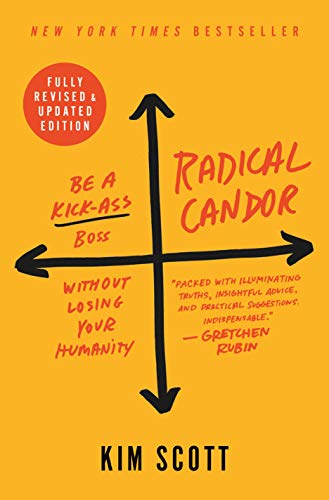
Overview: This is one of the clearest books on giving feedback, challenging people directly, and staying respectful while doing it. It is built around a simple communication framework that helps leaders avoid two common failures: being too vague to be useful or too blunt to be effective. For executives and managers, that balance is essential.
Why it stands out: Feedback is one of the most important forms of executive communication, and this book stays focused on the real-world tension it creates. It does not treat candor as a slogan. It treats it as a daily leadership discipline that affects trust, performance, and retention. That practical focus is why it belongs on this list.
Strengths:
- Clear framework for direct but respectful communication
- Strong on coaching, performance conversations, and accountability
- Readable and immediately applicable in management settings
Best for: Managers and executives who need to give clearer feedback without becoming harsh or evasive.
Potential limitations: The framework is simple by design, so readers wanting a more nuanced or academic treatment of organizational communication may want something deeper as well.
View price, available formats, and reader reviews.
The Effective Executive: The Definitive Guide to Getting the Right Things Done (Harperbusiness Essentials)

Overview: This classic focuses on the habits that make executives useful: setting the right priorities, managing time, contributing where it matters most, and making better decisions. While it is not a communication book in the narrow sense, it belongs here because strong executive communication depends on clarity of thought. If you cannot define what matters, you cannot communicate it well.
Why it stands out: Compared with more tactical leadership books, this one addresses the mental discipline behind executive messaging. It helps readers think more cleanly, which improves emails, meetings, presentations, and decisions. For anyone whose communication problems are really priority problems, this book is especially valuable.
Strengths:
- Classic treatment of executive judgment and effectiveness
- Excellent for readers who want disciplined, concise thinking
- Useful foundation for better communication under pressure
Best for: Executives, senior managers, and ambitious professionals who want better communication grounded in better decision-making.
Potential limitations: The writing is more cerebral and less conversational than some modern leadership books, so it may feel dense to readers seeking quick tactics.
View price, available formats, and reader reviews.
Multipliers, Revised and Updated: How the Best Leaders Make Everyone Smarter

Overview: This book explores the difference between leaders who drain attention and leaders who make the people around them more capable. Communication is central to that distinction. The book shows how leaders can ask better questions, create stronger discussions, and communicate in ways that bring out better thinking from teams.
Why it stands out: A lot of executive communication advice is focused on individual polish. This book shifts the emphasis to the effect your communication has on other people’s intelligence and ownership. That makes it a strong choice for leaders who want meetings, reviews, and strategy sessions to become more productive rather than more performative.
Strengths:
- Strong framework for communication that develops others
- Helpful for managers leading collaborative or high-skill teams
- Encourages better questions instead of just better speeches
Best for: Leaders who want their communication to improve team thinking, not just their own visibility.
Potential limitations: Readers looking for a direct guide to executive speaking, writing, or presentation skills will find the focus more managerial than rhetorical.
View price, available formats, and reader reviews.
The 5 Voices: How to Communicate Effectively with Everyone You Lead

Overview: This book focuses on communication differences between people and shows leaders how to adapt their approach accordingly. Instead of assuming one style works for everyone, it gives readers a way to think about how different team members hear information, respond to direction, and participate in discussion. That makes it useful for everyday leadership communication.
Why it stands out: Executive communication often fails not because the message is wrong, but because it is delivered in a way the audience cannot easily receive. This book is helpful precisely because it teaches adaptation. For leaders who work with a range of personalities, it offers a practical lens for avoiding one-size-fits-all communication.
Strengths:
- Helps leaders tailor communication to different people
- Useful for one-on-ones, team meetings, and cross-functional work
- Focuses on listening and interpretation as much as speaking
Best for: Managers and executives who need to communicate effectively across different personality types and working styles.
Potential limitations: Readers who prefer evidence-heavy business writing may find the framework more practical than academic.
View price, available formats, and reader reviews.
Be The Best Part of Their Day: Supercharging Communication with Values-Driven Leadership

Overview: This book connects executive communication to values, leadership behavior, and the experience people have of working with you day to day. Its emphasis is not on performance tricks. It is on becoming a leader whose communication builds trust, clarity, and commitment over time. That makes it a good fit for readers who want substance, not just style.
Why it stands out: Compared with books that focus mainly on techniques, this one is more concerned with the quality of leadership behind the message. That distinction matters in executive settings, where communication is often judged by consistency and credibility as much as by polish. Readers who want a more values-centered approach will find it distinct.
Strengths:
- Connects communication to trust and leadership behavior
- Helpful for culture-building and manager credibility
- Practical without becoming overly theoretical
Best for: Leaders who want communication to reflect and reinforce their leadership values.
Potential limitations: Readers wanting a narrow focus on presentation technique or executive speaking may find the emphasis broader than expected.
View price, available formats, and reader reviews.
The Four Obsessions of an Extraordinary Executive: A Leadership Fable

Overview: This concise leadership fable centers on the priorities and habits that distinguish effective executives. It is especially useful for readers who absorb ideas more easily through narrative than through framework-heavy business writing. The communication value here comes from clarity, focus, and the ability to align people around what matters most.
Why it stands out: Some readers do better with a short, memorable business story than with a dense leadership manual. That is where this book earns its place. It delivers executive-level lessons in a compact format, making it a strong choice for readers who want a focused, accessible addition to this list.
Strengths:
- Short, readable, and easy to revisit
- Uses narrative to make leadership lessons memorable
- Good companion book for readers who want a lighter business read
Best for: Busy leaders who want a compact, story-driven book on executive focus and communication.
Potential limitations: Readers looking for a comprehensive communication manual will find it narrower than the other recommendations here.
View price, available formats, and reader reviews.
Smart but Scattered Teens: The “Executive Skills” Program for Helping Teens Reach Their Potential

Overview: This book is aimed at helping teens develop executive skills such as planning, self-management, and follow-through. It is not a corporate communication book, but it belongs on this list for readers whose search intent includes helping adolescents build the foundations that support effective communication later on. For parents, educators, and counselors, that makes it more relevant than it first appears.
Why it stands out: Most books on executive communication assume a business context. This one is different because it addresses the developmental side of executive functioning, which often shapes how clearly young people communicate, organize ideas, and respond under pressure. It is the strongest fit here for readers working with teens rather than business leaders.
Strengths:
- Useful for supporting teens who struggle with organization and follow-through
- Practical for parents, educators, and counselors
- Focuses on the habits that support clearer communication over time
Best for: Parents and professionals helping teens strengthen executive skills that affect communication and self-management.
Potential limitations: This is a specialized fit for adolescent development, not a general leadership book.
View price, available formats, and reader reviews.
Who This List Is Best For
These recommendations are a good fit for senior leaders, managers, and professionals communicating under pressure. They are especially useful if you want to understand executive communication with more nuance than a short checklist, quote, or social-media summary can provide.
- Readers who want a clear conceptual foundation before choosing a technique.
- People who prefer to compare research, practical exercises, and real-world examples.
- Professionals, students, or caregivers who need language they can apply in a real conversation or decision.
Use the Best For and Why It Stands Out columns together. A book can be excellent yet still be the wrong starting point if its depth, tone, or intended reader does not match your goal.
Final Thoughts
The strongest choice for executive communication depends on what you need to do next. Begin with Executive Presence: The Missing Link Between Merit and Success if you need a foundation, move to Radical Candor: Fully Revised & Updated Edition: Be a Kick-Ass Boss Without Losing Your Humanity if you need a practical change, and consider The Effective Executive: The Definitive Guide to Getting the Right Things Done (Harperbusiness Essentials) if you need a broader or more challenging perspective. The comparison table is meant to shorten that decision, not pretend that one book works for every reader.
A useful reading plan is simple: select one book, write down the question you want it to answer, and apply one idea before moving to another recommendation. For this topic, rewrite one important message around the decision, evidence, risk, and next action the audience needs. executive presence is not performance or jargon; it is credible judgment made understandable.
FAQ
Which book should I read first for executive communication?
Start with Executive Presence: The Missing Link Between Merit and Success if you want the clearest foundation. If your immediate need is action rather than background, compare it with Radical Candor: Fully Revised & Updated Edition: Be a Kick-Ass Boss Without Losing Your Humanity and choose the one whose exercises, examples, or audience match your situation.
How do I choose between a research-based book and a workbook?
Choose the research-oriented option when you need context and a better mental model. Choose the workbook or practical guide when you already understand the problem and need repetition, prompts, or a structured plan. The table’s Best For column is the fastest way to make that distinction.
What is a practical way to use books about executive communication?
Do not read the whole list at once. Pick one recommendation, define the behavior or decision you want to improve, and test a small idea from the book for seven days. For this topic, rewrite one important message around the decision, evidence, risk, and next action the audience needs.
Are these recommendations suitable for self-study?
Yes, for education and structured reflection. Take notes in your own words, mark claims you want to verify, and discuss difficult ideas with a trusted person or qualified professional when appropriate.
Do I need to read every book on the list?
No. One well-matched book that changes what you notice or do is more valuable than collecting several recommendations without applying any of them.




