
Trying to improve your life usually starts with a simple question: what should I read first? The trouble is that self-improvement covers a lot of ground. Some books focus on habits and discipline, others on mindset, emotional resilience, money, purpose, or relationships. The best choice depends on the problem you are trying to solve, not just on which title is most famous.
That is why a good self-improvement reading list should not be a stack of similar advice books. It should help you choose the right tool for the right situation. The books below were selected because they offer different, useful angles on personal growth and have earned lasting attention for good reasons.
Quick Answer
If you want the clearest entry point into self-improvement, start with Atomic Habits: An Easy & Proven Way to Build Good Habits & Break Bad Ones. It gives you a useful foundation in behavior change, identity, attention, values, and the difference between motivation and a system. Choose The 7 Habits of Highly Effective People: 30th Anniversary Edition (The Covey Habits Series) when you want a more applied or contrasting approach, and use The Four Agreements: A Practical Guide to Personal Freedom when you want to extend the idea into a different context.
This list is designed for readers building better habits, discipline, money decisions, and personal effectiveness. The recommendations are intentionally varied: some explain the underlying research, some offer exercises, and some are strongest as narrative or leadership case studies. That variety makes it easier to choose a book that matches your current question rather than buying the longest list.
Comparison Table
| Book | Best For | Why It Stands Out |
|---|---|---|
| Atomic Habits: An Easy & Proven Way to Build Good Habits & Break Bad Ones | Readers who want a straightforward system for building better habits and following through on goals. | The book earns its place because it translates a familiar topic into a usable framework. Many self-help books inspire people briefly, then leave them unsure what to do next. This one is more useful because it explains how habits actually… |
| The 7 Habits of Highly Effective People: 30th Anniversary Edition (The Covey Habits Series) | Readers who want a foundational self-improvement book with broader life application. | Compared with narrower habit books, this one reaches further into character, leadership, and interdependence. That makes it especially useful for readers who want their self-improvement to affect not just private routines but also how… |
| The Four Agreements: A Practical Guide to Personal Freedom | Readers who want a simple, reflective book about emotional and mental habits. | Unlike many self-improvement books that rely on systems or productivity habits, this one works at the level of perspective. That gives it a different kind of value. It is not trying to optimize your schedule. It is trying to help you… |
| The Psychology of Money: Timeless lessons on wealth, greed, and happiness | Readers who want to improve their financial habits and decision-making. | Money books often fall into two camps, technical instruction or motivational advice. This one stands apart by staying behavioral and readable while still offering serious insight. It is particularly valuable because financial… |
| The Mountain Is You: Transforming Self-Sabotage Into Self-Mastery | Readers who want to understand and interrupt self-sabotaging behavior. | Some self-improvement books are about doing more. This one is about understanding why change stalls in the first place. That distinction matters. Readers who are stuck in cycles of avoidance, perfectionism, or hesitation may find this… |
| The Let Them Theory: A Life-Changing Tool That Millions of People Can’t Stop Talking About | Readers who want a practical mindset shift around control, boundaries, and stress. | Among self-improvement books, few are as narrowly focused. That is a strength here. Readers who are overwhelmed by people-pleasing, comparison, or frustration with others may find the clarity of a one-idea book refreshing. It does not try… |
| Make Your Bed: Little Things That Can Change Your Life…And Maybe the World | Readers who want a concise, motivating book about discipline and personal standards. | The book is not trying to be comprehensive, and that is part of its value. It works well as an entry point for readers who want encouragement without a heavy framework. Compared with longer self-improvement books, it is more compact and… |
| Don’t Believe Everything You Think: Why Your Thinking Is The Beginning & End Of Suffering (Beyond Suffering) | Readers who want help with overthinking, anxiety, or mental noise. | Many books in this category try to help readers do better. This one tries to help readers think differently about thinking itself. That gives it a distinct place on the list. It will especially resonate with readers who feel trapped in… |
| The Power of Discipline: How to Use Self Control and Mental Toughness to Achieve Your Goals | Readers who need help sticking with goals after the initial enthusiasm wears off. | While many self-help books touch on discipline, this one keeps that subject at the center. That narrow focus is useful for readers who need a more direct conversation about consistency and restraint. It is a strong complement to habit… |
| Ikigai: The Japanese Secret to a Long and Happy Life | Readers who want a thoughtful book about purpose, habits, and a more sustainable approach to happiness. | The book offers a quieter alternative to the usual self-help formula. Instead of urging constant optimization, it encourages readers to think about fulfillment, daily rhythm, and longevity of well-being. That gives it a useful place on… |
How We Chose These Recommendations
This list was built around books that genuinely help readers change how they think, act, and make decisions. Rather than leaning on popularity alone, the selections favor books with enduring usefulness, clear editorial purpose, and distinct approaches to self-improvement.
Some books here are practical and method-driven. Others are better for perspective, emotional clarity, or long-term mindset shifts. Taken together, they cover the main reasons people seek self-improvement books in the first place: to form better habits, make wiser choices, handle stress more effectively, and move forward with more intention.
Recommended Books
Atomic Habits: An Easy & Proven Way to Build Good Habits & Break Bad Ones

Overview: Atomic Habits focuses on how small behavioral changes build into lasting results. Rather than treating change as a matter of motivation, it breaks habit formation into concrete systems, showing how environment, repetition, and identity shape what people do day after day. It is one of the clearest books available for readers who want practical self-improvement instead of vague encouragement.
Why it stands out: The book earns its place because it translates a familiar topic into a usable framework. Many self-help books inspire people briefly, then leave them unsure what to do next. This one is more useful because it explains how habits actually work and how to make them easier to repeat. If your goal is consistent progress, this is one of the most dependable places to start.
Strengths:
- Highly practical and easy to apply right away
- Useful for routines, productivity, health, and personal goals
- Clear structure makes the advice easy to remember
Best for: Readers who want a straightforward system for building better habits and following through on goals.
Potential limitations: Readers looking for deep philosophy or emotional reflection may find it more tactical than contemplative.
View price, available formats, and reader reviews.
The 7 Habits of Highly Effective People: 30th Anniversary Edition (The Covey Habits Series)
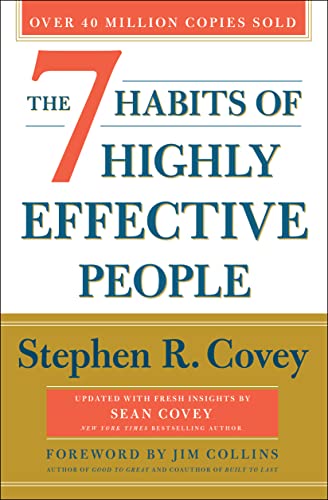
Overview: Stephen Covey’s classic lays out a broad framework for personal effectiveness, responsibility, and long-term thinking. The book moves beyond quick fixes and offers a sequence of principles that apply to work, relationships, and self-management. It is especially valuable for readers who want a more complete philosophy of self-improvement rather than a single technique.
Why it stands out: Compared with narrower habit books, this one reaches further into character, leadership, and interdependence. That makes it especially useful for readers who want their self-improvement to affect not just private routines but also how they collaborate, lead, and make decisions. Its influence has lasted because the advice is built on principles rather than trends.
Strengths:
- Offers a full framework, not just isolated tips
- Useful for both personal life and professional settings
- Strong emphasis on responsibility and long-term thinking
Best for: Readers who want a foundational self-improvement book with broader life application.
Potential limitations: The book is more substantial than many modern self-help titles, so readers looking for something fast and light may need more patience.
View price, available formats, and reader reviews.
The Four Agreements: A Practical Guide to Personal Freedom

Overview: This concise book offers four simple principles for living with more clarity and less unnecessary conflict. Its focus is on language, assumptions, and self-limiting beliefs, which makes it especially relevant for readers who feel weighed down by mental noise or other people’s expectations. The advice is compact, but the ideas are easy to revisit over time.
Why it stands out: Unlike many self-improvement books that rely on systems or productivity habits, this one works at the level of perspective. That gives it a different kind of value. It is not trying to optimize your schedule. It is trying to help you reduce friction in the way you interpret life and relate to others. For readers who want a short book with a clear message, it is hard to overlook.
Strengths:
- Short and accessible
- Strong focus on mindset and personal freedom
- Easy to reread without feeling repetitive
Best for: Readers who want a simple, reflective book about emotional and mental habits.
Potential limitations: Its spiritual and philosophical style may not appeal to readers who prefer highly practical, step-by-step advice.
View price, available formats, and reader reviews.
The Psychology of Money: Timeless lessons on wealth, greed, and happiness
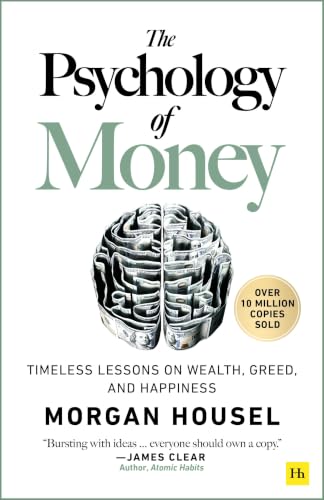
Overview: This book examines how people actually think about money, risk, and enough. Instead of treating finance as a math problem alone, it focuses on behavior, bias, and long-term judgment. That makes it especially useful for self-improvement readers who want better decision-making, not just more information about investing or saving.
Why it stands out: Money books often fall into two camps, technical instruction or motivational advice. This one stands apart by staying behavioral and readable while still offering serious insight. It is particularly valuable because financial self-improvement usually depends more on emotional discipline than on clever tactics. Readers who want a calmer, more realistic relationship with money will find a lot to work with here.
Strengths:
- Focuses on behavior rather than jargon
- Practical for long-term financial thinking
- Readable enough for non-specialists
Best for: Readers who want to improve their financial habits and decision-making.
Potential limitations: It is not a technical personal finance manual, so readers seeking detailed investment instruction will need another book alongside it.
View price, available formats, and reader reviews.
The Mountain Is You: Transforming Self-Sabotage Into Self-Mastery

Overview: The Mountain Is You is centered on self-sabotage, which makes it a strong choice for readers who already know what they want to change but keep getting in their own way. The book looks at emotional resistance, inner conflict, and the hidden habits that interfere with growth. Its value lies in naming the internal patterns that can undermine even good intentions.
Why it stands out: Some self-improvement books are about doing more. This one is about understanding why change stalls in the first place. That distinction matters. Readers who are stuck in cycles of avoidance, perfectionism, or hesitation may find this more relevant than a productivity-focused title. It fills a specific need in the self-improvement landscape by addressing the emotional side of stalled progress.
Strengths:
- Useful for readers dealing with self-defeating patterns
- Focuses on emotional and psychological barriers
- Speaks directly to readers who feel stuck despite good intentions
Best for: Readers who want to understand and interrupt self-sabotaging behavior.
Potential limitations: The book is more introspective than procedural, so it may feel less concrete than habit-centered guides.
View price, available formats, and reader reviews.
The Let Them Theory: A Life-Changing Tool That Millions of People Can’t Stop Talking About

Overview: This book is built around a single idea: stop wasting energy trying to control other people’s choices, reactions, or opinions. That makes it a relevant self-improvement pick for readers dealing with stress, overthinking, or boundaries. Its appeal is in its simplicity. The concept is easy to understand, and the emphasis is on reducing unnecessary emotional friction.
Why it stands out: Among self-improvement books, few are as narrowly focused. That is a strength here. Readers who are overwhelmed by people-pleasing, comparison, or frustration with others may find the clarity of a one-idea book refreshing. It does not try to cover everything. Instead, it offers a memorable mental habit that can be applied quickly in everyday life.
Strengths:
- Simple central idea that is easy to remember
- Useful for boundaries and emotional detachment
- Accessible for readers who want a less complicated entry point
Best for: Readers who want a practical mindset shift around control, boundaries, and stress.
Potential limitations: Its focused approach may feel too narrow for readers looking for a broader self-improvement framework.
View price, available formats, and reader reviews.
Make Your Bed: Little Things That Can Change Your Life…And Maybe the World

Overview: Make Your Bed is a short, motivating book built around discipline, resilience, and everyday consistency. It draws on personal experience to make its lessons concrete, which gives it an immediate, accessible quality. For readers who want a quick read that still leaves them with a few usable ideas, it is a strong fit.
Why it stands out: The book is not trying to be comprehensive, and that is part of its value. It works well as an entry point for readers who want encouragement without a heavy framework. Compared with longer self-improvement books, it is more compact and easier to finish, which makes it especially appealing to readers who need momentum rather than a long course of study.
Strengths:
- Short and easy to get through
- Clear lessons on discipline and resilience
- Good for readers who prefer practical inspiration over theory
Best for: Readers who want a concise, motivating book about discipline and personal standards.
Potential limitations: It is more inspirational than analytical, so readers looking for a deeper system may want a more detailed book as well.
View price, available formats, and reader reviews.
Don’t Believe Everything You Think: Why Your Thinking Is The Beginning & End Of Suffering (Beyond Suffering)

Overview: This book focuses on the role thought plays in anxiety, suffering, and mental distress. Rather than offering productivity advice, it turns attention inward and asks readers to question the authority of their own thoughts. That makes it a strong option for people whose self-improvement goal is less about performance and more about peace of mind.
Why it stands out: Many books in this category try to help readers do better. This one tries to help readers think differently about thinking itself. That gives it a distinct place on the list. It will especially resonate with readers who feel trapped in mental loops or who want a more reflective approach to self-improvement. Its value is in reducing identification with every thought that appears.
Strengths:
- Directly addresses overthinking and mental distress
- Offers a different angle from habit or productivity books
- Useful for readers interested in psychological and contemplative growth
Best for: Readers who want help with overthinking, anxiety, or mental noise.
Potential limitations: Its approach is more philosophical and introspective than step-by-step, which may not suit readers who want a structured action plan.
View price, available formats, and reader reviews.
The Power of Discipline: How to Use Self Control and Mental Toughness to Achieve Your Goals

Overview: This book is built around one of the most underrated parts of self-improvement: the ability to keep going when motivation fades. It focuses on self-control, mental toughness, and goal follow-through, making it especially relevant for readers who understand what they need to do but struggle to stay consistent. The emphasis is on discipline as a trainable skill rather than a personality trait.
Why it stands out: While many self-help books touch on discipline, this one keeps that subject at the center. That narrow focus is useful for readers who need a more direct conversation about consistency and restraint. It is a strong complement to habit books because it addresses the harder moments after the plan is already in place.
Strengths:
- Focused on follow-through and self-control
- Helpful for readers working toward long-term goals
- Clear emphasis on effort, routine, and mental toughness
Best for: Readers who need help sticking with goals after the initial enthusiasm wears off.
Potential limitations: The book is more direct and motivational than reflective, so readers wanting a gentler tone may prefer another choice.
View price, available formats, and reader reviews.
Ikigai: The Japanese Secret to a Long and Happy Life

Overview: Ikigai takes a more reflective approach to self-improvement, focusing on purpose, balance, and the habits that support a meaningful life. It is less about strict productivity and more about living in a way that feels sustainable. That makes it a good choice for readers who are reassessing what a good life should look like, not just how to be more efficient.
Why it stands out: The book offers a quieter alternative to the usual self-help formula. Instead of urging constant optimization, it encourages readers to think about fulfillment, daily rhythm, and longevity of well-being. That gives it a useful place on this list for anyone who wants self-improvement with a slower, more holistic perspective.
Strengths:
- Balanced and reflective rather than rigid
- Useful for readers exploring purpose and lifestyle changes
- Accessible introduction to a more holistic view of well-being
Best for: Readers who want a thoughtful book about purpose, habits, and a more sustainable approach to happiness.
Potential limitations: Readers looking for step-by-step action plans may find it more inspirational than tactical.
View price, available formats, and reader reviews.
Who This List Is Best For
These recommendations are a good fit for readers building better habits, discipline, money decisions, and personal effectiveness. They are especially useful if you want to understand self-improvement with more nuance than a short checklist, quote, or social-media summary can provide.
- Readers who want a clear conceptual foundation before choosing a technique.
- People who prefer to compare research, practical exercises, and real-world examples.
- Professionals, students, or caregivers who need language they can apply in a real conversation or decision.
Use the Best For and Why It Stands Out columns together. A book can be excellent yet still be the wrong starting point if its depth, tone, or intended reader does not match your goal.
Final Thoughts
The strongest choice for self-improvement depends on what you need to do next. Begin with Atomic Habits: An Easy & Proven Way to Build Good Habits & Break Bad Ones if you need a foundation, move to The 7 Habits of Highly Effective People: 30th Anniversary Edition (The Covey Habits Series) if you need a practical change, and consider The Four Agreements: A Practical Guide to Personal Freedom if you need a broader or more challenging perspective. The comparison table is meant to shorten that decision, not pretend that one book works for every reader.
A useful reading plan is simple: select one book, write down the question you want it to answer, and apply one idea before moving to another recommendation. For this topic, choose one behavior and create a cue, a small action, and a review rhythm. self-improvement should support a life you value rather than turn every day into optimization.
FAQ
Which book should I read first for self-improvement?
Start with Atomic Habits: An Easy & Proven Way to Build Good Habits & Break Bad Ones if you want the clearest foundation. If your immediate need is action rather than background, compare it with The 7 Habits of Highly Effective People: 30th Anniversary Edition (The Covey Habits Series) and choose the one whose exercises, examples, or audience match your situation.
How do I choose between a research-based book and a workbook?
Choose the research-oriented option when you need context and a better mental model. Choose the workbook or practical guide when you already understand the problem and need repetition, prompts, or a structured plan. The table’s Best For column is the fastest way to make that distinction.
What is a practical way to use books about self-improvement?
Do not read the whole list at once. Pick one recommendation, define the behavior or decision you want to improve, and test a small idea from the book for seven days. For this topic, choose one behavior and create a cue, a small action, and a review rhythm.
Are these recommendations suitable for self-study?
Yes, for education and structured reflection. Take notes in your own words, mark claims you want to verify, and discuss difficult ideas with a trusted person or qualified professional when appropriate.
Do I need to read every book on the list?
No. One well-matched book that changes what you notice or do is more valuable than collecting several recommendations without applying any of them.