
Cash flow is one of those business topics that sounds simple until a reader has to manage it in real life. Revenue can look healthy while the bank balance tells a different story, and that gap is exactly why people search for the best books for cash flow. Some need a practical system for tracking money coming in and going out. Others want a better framework for running a business, managing rental properties, or understanding how cash flow shapes long-term financial decisions. The right book depends on the problem you are trying to solve.
What follows is a curated list for readers who want more than vague money advice. These books were chosen for their practical value, staying power, and relevance to real cash flow decisions in business, investing, and personal finance.
Quick Answer
If you want the clearest entry point into cash flow, start with Profit First: Transform Your Business from a Cash-Eating Monster to a Money-Making Machine (Entrepreneurship Simplified). It gives you a useful foundation in timing, margins, working capital, financial behavior, and the decisions that turn cash visibility into resilience. Choose What Every Real Estate Investor Needs to Know About Cash Flow… And 36 Other Key Financial Measures, Updated Edition when you want a more applied or contrasting approach, and use Rich Dad’s CASHFLOW Quadrant: Rich Dad’s Guide to Financial Freedom when you want to extend the idea into a different context.
This list is designed for small-business owners, investors, and managers responsible for financial health. The recommendations are intentionally varied: some explain the underlying research, some offer exercises, and some are strongest as narrative or leadership case studies. That variety makes it easier to choose a book that matches your current question rather than buying the longest list.
Comparison Table
| Book | Best For | Why It Stands Out |
|---|---|---|
| Profit First: Transform Your Business from a Cash-Eating Monster to a Money-Making Machine (Entrepreneurship Simplified) | Small business owners, founders, freelancers, and service businesses that need better cash discipline. | Among books for cash flow, this one is especially practical because it addresses the everyday behavior that causes cash problems in profitable businesses. Rather than focusing on abstract finance theory, it gives readers a way to think… |
| What Every Real Estate Investor Needs to Know About Cash Flow… And 36 Other Key Financial Measures, Updated Edition | Real estate investors, landlords, and readers who want to make better property decisions. | Many real estate books promise income strategies but stay light on financial judgment. This one is different because it teaches readers how to think about the numbers that determine whether a property truly works. It belongs on a list of… |
| Rich Dad’s CASHFLOW Quadrant: Rich Dad’s Guide to Financial Freedom | Readers who want a big-picture explanation of how cash flow relates to financial freedom. | Some books on cash flow stay narrowly focused on tactics. This one is stronger as a mindset and framework book, which makes it helpful for readers who want to understand why some income sources create more flexibility than others. It… |
| Be a Cash Flow Pro: Your Real-World Playbook for Clarity, Control, and Confidence with Money | Readers who want a practical, personal approach to managing money flow. | What makes this recommendation useful is its emphasis on real-world money management. Not every reader needs an investing framework or a business accounting system. Some need a book that helps them get organized, make sense of their cash… |
| The Psychology of Money | Readers who need a better mental model for managing surplus, uncertainty, and financial trade-offs. | It complements practical cash-flow books by explaining why people with similar income can make very different saving, spending, and investing choices. |
| Financial Intelligence for Entrepreneurs | Small-business owners who want financial fluency without a technical accounting textbook. | It turns cash flow from a vague health metric into a set of financial signals that owners and managers can interpret and act on. |
| Cash Flow Stock Investing: Generate Monthly Income from Covered Calls & Dividends | Income investors who want a stock-based cash flow strategy. | The reason to include it is not its title, but its clear fit for income-oriented investors. A reader searching for the best books for cash flow may be trying to understand how to turn a portfolio into a regular income source. This book… |
| Co-Living Cash Flow: A BiggerPockets Guide | Real estate investors researching co-living as an income strategy. | General real estate books often stop at broad concepts. This one narrows the field and is useful for readers already exploring co-living as a possible strategy. That specificity makes it more relevant than a generic investing title for… |
How We Chose These Recommendations
The best books for cash flow are not just the ones with the phrase in the title. They are the books that help readers make better decisions about money movement, profit, liquidity, and income generation. That means choosing titles that offer real-world usefulness, durable ideas, and a clear fit for specific readers, whether they run a business, invest in property, or need a better system for tracking daily cash.
This list balances big-picture frameworks with hands-on tools. Some books help you understand the role cash flow plays in financial freedom. Others are more operational and practical, especially for small business owners and anyone who needs cleaner record keeping. Each selection earns its place by serving a distinct purpose.
Recommended Books
Profit First: Transform Your Business from a Cash-Eating Monster to a Money-Making Machine (Entrepreneurship Simplified)

Overview: Profit First is built around a simple but disciplined idea: many businesses treat profit as what is left over, and that approach often leaves owners short on cash. The book introduces a cash management system that reorders how money is allocated, with the goal of making profit a habit rather than an afterthought. It is especially useful for small business owners who know their sales are improving but still feel financial pressure at the end of each month.
Why it stands out: Among books for cash flow, this one is especially practical because it addresses the everyday behavior that causes cash problems in profitable businesses. Rather than focusing on abstract finance theory, it gives readers a way to think differently about spending, reserves, and control. That makes it a strong choice for entrepreneurs who want a system they can actually use.
Strengths:
- Offers a clear framework for managing business cash before it disappears
- Helps owners build discipline around profit, operating expenses, and reserves
- Especially relevant for entrepreneurs and small business operators
Best for: Small business owners, founders, freelancers, and service businesses that need better cash discipline.
Potential limitations: Readers looking for detailed accounting instruction or advanced financial modeling may find it more conceptual than technical.
View price, available formats, and reader reviews.
What Every Real Estate Investor Needs to Know About Cash Flow… And 36 Other Key Financial Measures, Updated Edition

Overview: This book takes a more analytical approach to cash flow by placing it within the broader set of financial measures that real estate investors use to evaluate deals. Instead of treating cash flow as a standalone concept, it shows how investors should look at returns, risk, and performance together. That makes it especially useful for readers who are moving beyond beginner-level property advice and want a more serious decision-making framework.
Why it stands out: Many real estate books promise income strategies but stay light on financial judgment. This one is different because it teaches readers how to think about the numbers that determine whether a property truly works. It belongs on a list of the best books for cash flow because it treats cash flow as part of investment analysis, not just a slogan.
Strengths:
- Helps readers evaluate real estate through a financial lens
- Connects cash flow to other measures that affect deal quality
- Useful for investors who want stronger underwriting habits
Best for: Real estate investors, landlords, and readers who want to make better property decisions.
Potential limitations: More specialized than a general money book, so it is best suited to readers already interested in real estate.
View price, available formats, and reader reviews.
Rich Dad’s CASHFLOW Quadrant: Rich Dad’s Guide to Financial Freedom

Overview: This well-known book looks at the four broad ways people earn money and how those differences shape financial life. The focus is not on bookkeeping or deal analysis. Instead, it gives readers a framework for understanding how cash flow moves through wages, self-employment, business ownership, and investing. For readers trying to step back and rethink their relationship to income, it offers a useful high-level perspective.
Why it stands out: Some books on cash flow stay narrowly focused on tactics. This one is stronger as a mindset and framework book, which makes it helpful for readers who want to understand why some income sources create more flexibility than others. It earns a place here because it helps readers connect cash flow to long-term financial structure.
Strengths:
- Explains income types in a memorable, structured way
- Useful for readers reconsidering how they earn money
- Broad enough to fit both business and personal finance discussions
Best for: Readers who want a big-picture explanation of how cash flow relates to financial freedom.
Potential limitations: It is more conceptual than procedural, so readers seeking step-by-step financial systems may want a more practical companion book.
View price, available formats, and reader reviews.
Be a Cash Flow Pro: Your Real-World Playbook for Clarity, Control, and Confidence with Money

Overview: This book focuses on everyday clarity around money rather than specialized business finance. Its emphasis on control and confidence makes it a practical option for readers who feel overwhelmed by irregular income, inconsistent spending, or a lack of visibility into where cash is going. It fits well alongside more business-oriented titles because it speaks to the personal habits that support financial stability.
Why it stands out: What makes this recommendation useful is its emphasis on real-world money management. Not every reader needs an investing framework or a business accounting system. Some need a book that helps them get organized, make sense of their cash position, and build steadier habits. That is the role this book fills on the list.
Strengths:
- Centers on clarity and control, not just theory
- Approachable for readers who want better everyday money habits
- Works well for people with variable or messy cash flow
Best for: Readers who want a practical, personal approach to managing money flow.
Potential limitations: Readers looking for advanced business finance or investment analysis may find it broader than they need.
View price, available formats, and reader reviews.
The Psychology of Money
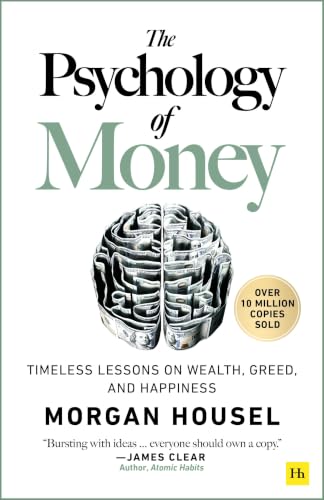
Overview: Morgan Housel uses short, memorable stories to show how behavior, time horizon, risk tolerance, and personal history shape financial decisions. It treats cash flow as a human-behavior problem as much as an accounting problem.
Why it stands out: It complements practical cash-flow books by explaining why people with similar income can make very different saving, spending, and investing choices.
Strengths:
- Readable behavioral-finance lessons
- Strong focus on long-term thinking
- Useful beyond business bookkeeping
Best for: Readers who need a better mental model for managing surplus, uncertainty, and financial trade-offs.
Potential limitations: It is not a bookkeeping manual and does not replace a business cash-flow forecast.
View price, available formats, and reader reviews.
Financial Intelligence for Entrepreneurs

Overview: Karen Berman, Joe Knight, and John Case explain how entrepreneurs can read income statements, balance sheets, and cash-flow statements without becoming accountants. The emphasis is on asking better questions and using numbers to make operating decisions.
Why it stands out: It turns cash flow from a vague health metric into a set of financial signals that owners and managers can interpret and act on.
Strengths:
- Plain-language accounting guidance
- Useful for owner-managers
- Connects statements with decisions
Best for: Small-business owners who want financial fluency without a technical accounting textbook.
Potential limitations: Examples are general; readers should adapt the framework to their industry and reporting system.
View price, available formats, and reader reviews.
Cash Flow Stock Investing: Generate Monthly Income from Covered Calls & Dividends

Overview: This book focuses on income-producing stock strategies, especially covered calls and dividends. It is a narrower title than the business or personal finance books on this list, but that focus is useful for readers who want portfolio cash flow rather than operating income. It speaks directly to investors who care less about growth narratives and more about generating ongoing income.
Why it stands out: The reason to include it is not its title, but its clear fit for income-oriented investors. A reader searching for the best books for cash flow may be trying to understand how to turn a portfolio into a regular income source. This book addresses that goal more directly than broad investing titles that only mention cash flow in passing.
Strengths:
- Targets income generation through stocks rather than general market theory
- Useful for readers interested in dividends and option-based income
- Provides a focused lens on monthly cash flow from investing
Best for: Income investors who want a stock-based cash flow strategy.
Potential limitations: Readers new to options or income investing may find the topic specialized and strategy-specific.
View price, available formats, and reader reviews.
Co-Living Cash Flow: A BiggerPockets Guide

Overview: This guide focuses on co-living as a real estate income strategy, which makes it more niche than the other books here. Still, it has a legitimate place on a cash flow list because it speaks to readers evaluating a specific rental model. The value lies in its practical orientation toward an operational real estate approach with income potential.
Why it stands out: General real estate books often stop at broad concepts. This one narrows the field and is useful for readers already exploring co-living as a possible strategy. That specificity makes it more relevant than a generic investing title for people who want to understand this particular cash flow model in real estate.
Strengths:
- Focuses on a specific rental strategy with cash flow implications
- Helpful for investors comparing different property income models
- Practical for readers already interested in co-living operations
Best for: Real estate investors researching co-living as an income strategy.
Potential limitations: Narrow in scope, so it is not the best choice for readers who want a broad introduction to cash flow.
View price, available formats, and reader reviews.
Who This List Is Best For
These recommendations are a good fit for small-business owners, investors, and managers responsible for financial health. They are especially useful if you want to understand cash flow with more nuance than a short checklist, quote, or social-media summary can provide.
- Readers who want a clear conceptual foundation before choosing a technique.
- People who prefer to compare research, practical exercises, and real-world examples.
- Professionals, students, or caregivers who need language they can apply in a real conversation or decision.
Use the Best For and Why It Stands Out columns together. A book can be excellent yet still be the wrong starting point if its depth, tone, or intended reader does not match your goal.
Final Thoughts
The strongest choice for cash flow depends on what you need to do next. Begin with Profit First: Transform Your Business from a Cash-Eating Monster to a Money-Making Machine (Entrepreneurship Simplified) if you need a foundation, move to What Every Real Estate Investor Needs to Know About Cash Flow… And 36 Other Key Financial Measures, Updated Edition if you need a practical change, and consider Rich Dad’s CASHFLOW Quadrant: Rich Dad’s Guide to Financial Freedom if you need a broader or more challenging perspective. The comparison table is meant to shorten that decision, not pretend that one book works for every reader.
A useful reading plan is simple: select one book, write down the question you want it to answer, and apply one idea before moving to another recommendation. For this topic, build a rolling forecast that names expected inflows, committed outflows, and the assumptions most likely to change. cash flow is not the same as profit, and a book cannot replace current, business-specific numbers.
FAQ
Which book should I read first for cash flow?
Start with Profit First: Transform Your Business from a Cash-Eating Monster to a Money-Making Machine (Entrepreneurship Simplified) if you want the clearest foundation. If your immediate need is action rather than background, compare it with What Every Real Estate Investor Needs to Know About Cash Flow… And 36 Other Key Financial Measures, Updated Edition and choose the one whose exercises, examples, or audience match your situation.
How do I choose between a research-based book and a workbook?
Choose the research-oriented option when you need context and a better mental model. Choose the workbook or practical guide when you already understand the problem and need repetition, prompts, or a structured plan. The table’s Best For column is the fastest way to make that distinction.
What is a practical way to use books about cash flow?
Do not read the whole list at once. Pick one recommendation, define the behavior or decision you want to improve, and test a small idea from the book for seven days. For this topic, build a rolling forecast that names expected inflows, committed outflows, and the assumptions most likely to change.
Are these recommendations suitable for self-study?
Yes, for education and structured reflection. Take notes in your own words, mark claims you want to verify, and discuss difficult ideas with a trusted person or qualified professional when appropriate.
Do I need to read every book on the list?
No. One well-matched book that changes what you notice or do is more valuable than collecting several recommendations without applying any of them.




