
People search for books about emotional intelligence when they want to understand feelings more clearly, handle difficult conversations better, or respond with less reactivity under pressure. Sometimes the goal is personal growth. Sometimes it is parenting, leadership, teaching, or simply learning how to stay steady when emotions run high. The best books in this area do not all do the same job, so the right choice depends on whether you want a research-based foundation, practical tools, or a more accessible way into the subject.
Quick Answer
If you want the best books about emotional intelligence, start with Emotional Intelligence: Why It Can Matter More Than IQ for the classic introduction, Working with Emotional Intelligence for workplace and leadership applications, and Emotional Agility for a practical approach to handling thoughts and feelings without getting stuck. For a faster, more applied format, Emotional Intelligence 2.0 is useful, while Tiny Humans, Big Emotions is the strongest choice for parents and caregivers.
Comparison Table
| Book | Best For | Why It Stands Out |
|---|---|---|
| Emotional Intelligence: Why It Can Matter More Than IQ | Readers who want the foundational book on the subject | Broad, influential overview that shaped how many people think about emotional intelligence |
| Working with Emotional Intelligence | Managers, professionals, and career-focused readers | Shows how emotional intelligence plays out in performance, leadership, and workplace relationships |
| Emotional Agility | Readers who want a practical, modern framework | Gives clear methods for responding to emotions with more flexibility and less avoidance |
| Emotional Intelligence 2.0 | Readers who prefer a concise, skills-based format | Breaks emotional intelligence into manageable competencies with an action-oriented style |
| Tiny Humans, Big Emotions | Parents and caregivers of young children | Focuses on tantrums, meltdowns, and defiance with a parent-friendly emotional intelligence lens |
| Master Your Emotions | Readers looking for a direct self-help approach | Offers straightforward guidance for managing negativity and emotional overwhelm |
| The Rabbit Listened | Adults looking for a gentle, memorable book about empathy | Uses a simple story to model listening and emotional support in a way people remember |
| The Color Monster | Children and the adults guiding them | Makes emotions concrete and easy to discuss through a visual storytelling approach |
How We Chose These Recommendations
This list favors books that help readers understand emotions in a usable way, not just in theory. Emotional intelligence is a broad topic, so the strongest recommendations had to cover different needs without repeating the same message. That means including a foundational classic, a workplace-focused book, a practical self-management book, and a few titles that work especially well for parents, caregivers, and readers who prefer approachable storytelling.
For a topic like emotional intelligence, long-term usefulness matters more than novelty. The best selections here are widely respected, easy to justify to an informed reader, and useful in different settings such as home, school, work, and personal development. When a book is more specialized or more introductory, that limitation is noted so readers can choose according to their goals.
Recommended Books
Emotional Intelligence: Why It Can Matter More Than IQ
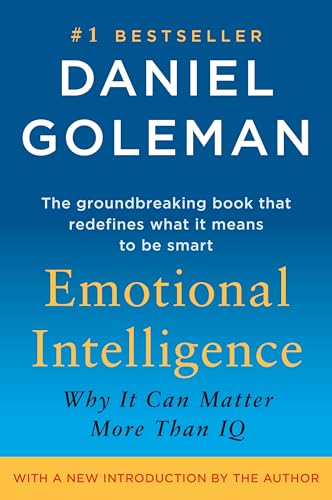
Overview: This is the classic book that helped bring emotional intelligence into mainstream conversation. It explains why self-awareness, self-regulation, empathy, and social skill matter in real life, especially when raw cognitive ability is not enough to explain success or failure. The book moves between research, psychology, and everyday examples in a way that makes the idea feel substantial rather than trendy.
Why it stands out: For readers who want the clearest starting point, this remains the most influential introduction. It is not a quick self-help manual, and that is part of its value. It gives the topic weight and context, which helps readers understand why emotional intelligence became such an important framework in education, work, and relationships.
Strengths:
- Strong foundational overview of the topic
- Connects emotional intelligence to work, relationships, and daily life
- Accessible enough for general readers without feeling shallow
Best for: Beginners, curious readers, students, and anyone who wants the most important background book on emotional intelligence.
Potential limitations: Readers looking for a highly structured workbook or a very recent take on the subject may find it more conceptual than practical.
View price, available formats, and reader reviews.
Working with Emotional Intelligence

Overview: This book takes emotional intelligence into the workplace and focuses on how it affects performance, leadership, teamwork, and professional relationships. It is especially useful for readers who want more than general advice about feelings and are looking for a practical framework tied to career success. The material is grounded in organizational life rather than therapy or personal journaling.
Why it stands out: Among books about emotional intelligence, this is one of the best choices for professionals because it treats EQ as a serious workplace skill. It helps readers see how emotional awareness affects communication, conflict, decision-making, and leadership presence. That gives it a different purpose from more personal self-help books.
Strengths:
- Focused on real workplace behavior and leadership
- Useful for managers, executives, and team members
- Connects emotional intelligence to performance rather than abstract ideals
Best for: Professionals, managers, people in leadership roles, and readers who want emotional intelligence applied to career development.
Potential limitations: Its workplace emphasis makes it less useful for readers who want a broad personal-development overview or a family-centered perspective.
View price, available formats, and reader reviews.
Emotional Agility: Get Unstuck, Embrace Change, and Thrive in Work and Life

Overview: This book offers a practical way to think about emotions without being controlled by them. It focuses on how to notice feelings, make room for them, and still act according to your values. That makes it especially useful for readers who feel stuck in overthinking, avoidance, perfectionism, or emotional reactivity.
Why it stands out: Compared with broader books on emotional intelligence, this one is more immediately actionable. It does not just explain why emotions matter. It shows how to work with them in a healthier way. That practical orientation makes it a strong choice for readers who want tools they can apply right away in work and life.
Strengths:
- Clear and usable framework for emotional self-management
- Balances psychology with everyday application
- Helpful for readers who want to respond more deliberately under stress
Best for: Readers who want a modern, practical book about managing emotions and making better choices under pressure.
Potential limitations: Some readers may want a broader survey of emotional intelligence rather than a method-focused book centered on flexibility and resilience.
View price, available formats, and reader reviews.
Emotional Intelligence 2.0

Overview: This book presents emotional intelligence as a set of learnable skills rather than a vague personal trait. It is built for readers who want a direct, structured approach and prefer a concise format over a long conceptual discussion. The emphasis is on self-awareness, self-management, social awareness, and relationship management.
Why it stands out: What makes this book especially useful is its accessibility. Readers who want a more compact entry point often find it easier to use than larger, more theory-heavy books. It also works well for people who want to translate the idea of emotional intelligence into specific habits and behaviors.
Strengths:
- Concise and practical
- Skills-based approach makes the topic easier to apply
- Good choice for busy readers who want a straightforward introduction
Best for: Beginners, busy professionals, and readers who prefer an applied overview rather than a long academic treatment.
Potential limitations: Readers looking for deep theory or a more research-heavy foundation may prefer a more substantial book.
View price, available formats, and reader reviews.
Tiny Humans, Big Emotions: How to Navigate Tantrums, Meltdowns, and Defiance to Raise Emotionally Intelligent Children―An Essential Guide for Caregivers of Children from Infancy to Age Eight

Overview: This book is aimed at caregivers of young children who are trying to respond to big feelings without escalating conflict. It focuses on tantrums, meltdowns, and defiance, with practical guidance for supporting emotional development from infancy through age eight. The approach is rooted in everyday parenting challenges rather than abstract theory.
Why it stands out: Many emotional intelligence books speak to adults in general, but this one addresses the stage where emotional habits begin to form. That makes it particularly valuable for parents who want tools they can use in the moment. It belongs on this list because it translates emotional intelligence into parenting decisions, which is a very different need from self-improvement or leadership training.
Strengths:
- Directly relevant to parenting and caregiving
- Practical help for common high-stress situations
- Focuses on building emotional skills early in childhood
Best for: Parents, grandparents, teachers, and caregivers of children from infancy through elementary school.
Potential limitations: This is a specialized parenting book, so readers without young children will likely want a broader title instead.
View price, available formats, and reader reviews.
Master Your Emotions: A Practical Guide to Overcome Negativity and Better Manage Your Feelings (Mastery Series)

Overview: This is a direct self-help book centered on emotional regulation and handling negativity more effectively. It is geared toward readers who want straightforward advice on how to deal with difficult feelings and reduce the impact of emotional habits that keep getting in the way. The tone and structure are practical rather than academic.
Why it stands out: While some emotional intelligence books emphasize theory, this one is built for immediate use. It is a good fit for readers who want a no-frills guide to managing emotions in daily life. That makes it especially helpful for people who want the emotional intelligence topic translated into simple, workable steps.
Strengths:
- Clear focus on emotional self-management
- Practical and accessible for self-study
- Useful for readers who want a more hands-on self-help style
Best for: Readers looking for a practical guide to emotional regulation, negativity, and day-to-day resilience.
Potential limitations: It is narrower in scope than the best foundational books on emotional intelligence and may feel too applied for readers seeking a broader framework.
View price, available formats, and reader reviews.
The Rabbit Listened

Overview: This picture book tells a simple story about what it means to show up for someone in emotional distress. Rather than offering advice in a direct, instructional style, it demonstrates the power of listening, patience, and quiet support. That makes it especially effective for children, but it also resonates with adults who want a gentler way to talk about empathy.
Why it stands out: A list about emotional intelligence benefits from at least one book that models the human side of the subject. This one does that with unusual clarity. It is not a technical book, and that is exactly why it works so well for families, classrooms, and anyone trying to explain empathy in a memorable way.
Strengths:
- Beautifully illustrates empathy and active listening
- Works well for children and adults alike
- Useful for conversations about comfort and emotional support
Best for: Families, teachers, counselors, and readers who want a story-based introduction to empathy.
Potential limitations: Because it is a picture book, it is not a comprehensive treatment of emotional intelligence.
View price, available formats, and reader reviews.
The Color Monster: A Story About Emotions

Overview: This children’s book uses color and simple storytelling to help young readers identify different emotions. It is especially effective for helping children name feelings like happiness, sadness, anger, and calm in a way that feels concrete rather than abstract. Adults can use it as a starting point for age-appropriate emotional conversations.
Why it stands out: For younger children, emotional intelligence begins with recognition and naming. This book does that job very well. It belongs on this list because it gives parents and educators a simple tool for building emotional vocabulary, which is often the first step toward emotional awareness.
Strengths:
- Clear and visual way to teach emotions
- Very approachable for young children
- Helpful for home use, classrooms, and counseling settings
Best for: Preschool and early elementary readers, plus adults helping children learn emotional vocabulary.
Potential limitations: The book is introductory by design, so it is best as a teaching tool rather than a deep exploration of emotional intelligence.
View price, available formats, and reader reviews.
Who This List Is Best For
This list is designed for a wide range of readers, but especially for:
- Beginners who want a reliable introduction to emotional intelligence
- Professionals and managers who need workplace application, not just theory
- Parents and caregivers who want help guiding children through big emotions
- Readers focused on emotional well-being who want practical ways to handle stress, reactivity, and self-awareness
- Teachers, counselors, and coaches looking for accessible books they can use with others
Final Thoughts
If you want the best overall starting point, begin with Emotional Intelligence: Why It Can Matter More Than IQ. If your priority is work, choose Working with Emotional Intelligence. If you want something more practical and current in tone, Emotional Agility is the strongest fit. For a concise, skills-based overview, Emotional Intelligence 2.0 is a good place to begin. And if you are reading for children or parenting, Tiny Humans, Big Emotions, The Rabbit Listened, and The Color Monster each serve a different, useful purpose.
If you want the most influential foundation, start with Emotional Intelligence: Why It Can Matter More Than IQ.
If you want practical change you can use quickly, start with Emotional Agility.
If you want emotional intelligence in a work setting, start with Working with Emotional Intelligence.
FAQ
Which book is best for beginners?
Emotional Intelligence: Why It Can Matter More Than IQ is the best foundational choice for most beginners. If you want something shorter and more applied, Emotional Intelligence 2.0 is easier to move through quickly.
Which book is the most practical?
Emotional Agility is the most immediately practical for many adult readers because it focuses on how to respond to emotions in real life rather than just defining the concept.
Which book is best for managers or professionals?
Working with Emotional Intelligence is the strongest fit for readers who want emotional intelligence applied to leadership, teamwork, and workplace performance.
Which book is best for parents?
Tiny Humans, Big Emotions is the clearest choice for parents and caregivers of young children because it addresses tantrums, meltdowns, and emotional development directly.
Can I learn emotional intelligence through self-study?
Yes. Several books on this list work well for self-study, especially Emotional Intelligence 2.0, Emotional Agility, and Master Your Emotions. The best choice depends on whether you want theory, tools, or a more general overview.
Which book is best for teaching children about emotions?
The Color Monster is the most approachable starting point for young children, while The Rabbit Listened is especially useful for teaching empathy and listening.