
Getting started with philosophy can feel harder than it should. Many beginners do not need a survey of every major thinker. They need a clear entry point, a sensible reading order, and books that explain ideas without turning them into a fog of jargon. The best books for philosophy beginners do exactly that. Some introduce the field broadly, while others use Buddhism, Stoicism, or daily reflections to make philosophical thinking feel more concrete and usable.
The right choice depends on what you want from philosophy. If you want a general introduction, start with a broad primer. If you want practical wisdom, Stoicism and Buddhist philosophy offer a more immediate path. If you prefer short daily reading, a guided-a-day format may be easier to sustain. The books below were selected to give beginners real options, not just a stack of famous titles.
Quick Answer
If you are looking for the best books for philosophy beginners, start with Think: A Compelling Introduction to Philosophy, Philosophy For Beginners, The Beginner’s Guide to Stoicism, No-Nonsense Buddhism for Beginners, and The Heart of the Buddha’s Teaching. Together, these five give newcomers the strongest mix of clarity, accessibility, and lasting value.
Comparison Table
| Book | Best For | Why It Stands Out |
|---|---|---|
| Think: A Compelling Introduction to Philosophy | Readers who want a broad, academic but approachable first introduction | Covers major philosophical questions with clarity and structure |
| Philosophy For Beginners | True beginners who want a very direct starting point | Low-friction entry into the subject without unnecessary complexity |
| The Beginner’s Guide to Stoicism | Readers who want practical philosophy for daily life | Makes Stoic ideas usable for emotional resilience and perspective |
| No-Nonsense Buddhism for Beginners | Beginners who want a straightforward path into Buddhist philosophy | Explains core teachings in a question-and-answer style |
| The Heart of the Buddha’s Teaching: Transforming Suffering into Peace, Joy, and Liberation | Readers ready for a deeper, more reflective Buddhist introduction | Combines philosophical depth with practical spiritual insight |
| Zen Mind, Beginner’s Mind: 50th Anniversary Edition | Readers drawn to Zen practice and a contemplative style | A concise classic that captures the spirit of beginner-minded thinking |
| The Daily Buddhist | People who prefer short daily reading over long chapters | Offers a structured year of Buddhist philosophy and reflection |
| 365 Days of Philosophy | Readers who want broad exposure to many philosophers and ideas | Daily format makes philosophy easy to sample and revisit |
How We Chose These Recommendations
These books were selected for how well they help beginners actually enter philosophy, not for how famous their titles are. The list balances broad introductions, practical traditions, and daily-reading formats so different kinds of readers can find a sensible starting point. The strongest selections here explain ideas clearly, respect the reader’s time, and offer lasting value beyond a first encounter with the subject.
Some books are better for learning the field as a whole. Others are better for readers who want philosophy tied to everyday life, self-cultivation, or a particular tradition such as Stoicism or Buddhism. That mix matters, because many beginners do not yet know whether they want a survey, a practice, or a tradition-focused starting point.
Recommended Books
Think: A Compelling Introduction to Philosophy

Overview: This is a broad introduction to philosophy that walks readers through some of the field’s central questions: what we can know, what makes actions right or wrong, whether free will exists, and how to think carefully about reality and belief. Its strength is balance. It gives beginners a real sense of philosophy as a discipline without assuming prior training.
Why it stands out: Among introductory philosophy books, this one is especially useful for readers who want the clearest possible map of the subject. It does not narrow philosophy to one school or one lifestyle application. Instead, it helps readers understand how philosophers think, what kinds of questions they ask, and why those questions still matter. That makes it one of the best starting points for someone who wants a general foundation before choosing a direction.
Strengths:
- Clear introduction to major philosophical questions
- Useful for readers who want breadth before specialization
- Accessible without becoming shallow
- Good bridge between curiosity and formal study
Best for: Readers who want a serious but approachable first philosophy book, especially students and self-directed learners.
Potential limitations: Readers looking for a highly practical or self-help-oriented book may want a more applied option.
View price, available formats, and reader reviews.
Philosophy For Beginners

Overview: This is the most direct low-barrier option on the list. It is meant for readers who want to understand philosophy without first learning a lot of academic vocabulary or historical background. The book gives beginners a straightforward way into the subject and can help remove the intimidation that often keeps people from starting.
Why it stands out: Some philosophy books try to impress readers with scope or sophistication. This one earns its place by being simple and accessible. For a true beginner who wants an uncluttered first step, that matters. It is especially helpful for readers who are not yet sure whether they want an overview, a tradition, or a method. This book provides an easy entry before they commit to more specialized reading.
Strengths:
- Very accessible for first-time readers
- Good starting point for building confidence
- Low-pressure introduction to core ideas
- Useful for readers who want something less demanding than a survey text
Best for: Absolute beginners, casual readers, and anyone who wants the least intimidating first philosophy book.
Potential limitations: Readers who want deeper historical context or more analytical rigor may outgrow it quickly.
View price, available formats, and reader reviews.
The Beginner’s Guide to Stoicism: Tools for Emotional Resilience and Positivity

Overview: This book introduces Stoicism as a practical philosophy for handling difficulty, managing emotions, and focusing on what is within your control. Rather than treating philosophy as a purely theoretical subject, it shows how Stoic ideas can shape daily judgment and behavior. That makes it especially approachable for readers who want philosophy to feel relevant right away.
Why it stands out: Stoicism is one of the easiest philosophical traditions for beginners to connect with because it addresses common problems such as frustration, stress, and self-discipline. This book is a strong choice for readers who want philosophy they can use immediately. It differs from broader introductions by being more focused and more practical, which makes it a smart second step after a general overview or a strong first step for readers drawn to applied philosophy.
Strengths:
- Practical focus on resilience and perspective
- Clear path into Stoic thinking
- Relevant for everyday decision-making
- Accessible for readers who prefer applied ideas over abstract theory
Best for: Readers who want philosophy they can put to work in ordinary life, especially those interested in emotional steadiness and self-control.
Potential limitations: It is narrower than a general philosophy introduction and focuses mainly on Stoicism.
View price, available formats, and reader reviews.
No-Nonsense Buddhism for Beginners: Clear Answers to Burning Questions about Core Buddhist Teachings

Overview: This book offers a direct introduction to Buddhist teachings in a format that is designed to answer the questions beginners actually have. It helps readers understand the basics of Buddhism without assuming they already know the vocabulary, traditions, or historical background. The result is a friendly entry point into a major philosophical and spiritual tradition.
Why it stands out: The question-and-answer approach is useful for readers who want quick clarity rather than a long conceptual climb. Compared with more academic books on Buddhism, this one is easier to navigate and less likely to overwhelm a newcomer. It also works well for readers who are curious about Buddhist philosophy but do not want their first book to feel overly formal or dense. For beginner-friendly clarity, it belongs on this list.
Strengths:
- Direct answers to common beginner questions
- Accessible tone and structure
- Good introduction to core Buddhist ideas
- Easy to consult in short reading sessions
Best for: Beginners who want a simple, practical introduction to Buddhist philosophy and teaching.
Potential limitations: Readers seeking a highly scholarly or historical treatment will need a more detailed follow-up book.
View price, available formats, and reader reviews.
The Heart of the Buddha’s Teaching: Transforming Suffering into Peace, Joy, and Liberation
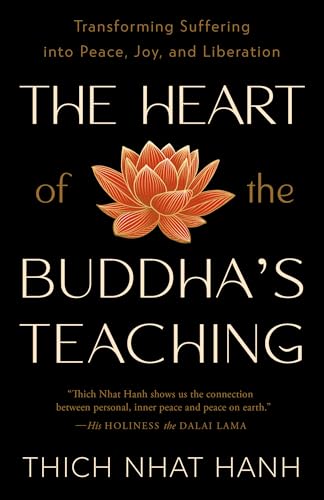
Overview: This is a deeper, more reflective introduction to Buddhist philosophy. It explains central Buddhist ideas in a way that connects doctrine with human suffering, inner peace, and ethical living. For readers who want more than a surface-level overview, it offers a thoughtful path into one of philosophy’s most influential traditions.
Why it stands out: What makes this book especially valuable for beginners is the combination of clarity and depth. It is accessible enough to read early, yet substantial enough to remain useful after the first pass. Compared with shorter beginner guides, it gives readers a more complete sense of how Buddhist thought fits together. That makes it a strong choice for anyone who wants a serious introduction that still feels humane and readable.
Strengths:
- Balances accessibility with philosophical depth
- Connects ideas to real human experience
- Useful for readers who want more than a quick overview
- Strong long-term reference for Buddhist study
Best for: Beginners who want a richer introduction to Buddhist philosophy and are comfortable with a more substantial read.
Potential limitations: It asks for more patience than very short beginner books and may feel less immediate to casual readers.
View price, available formats, and reader reviews.
Zen Mind, Beginner’s Mind: 50th Anniversary Edition

Overview: This classic Zen text is less of a systematic introduction and more of a distilled encounter with Zen practice and attitude. It emphasizes the value of openness, discipline, and seeing with fresh attention. For beginners, it offers an unusually compact way to absorb a philosophical outlook that is lived rather than merely explained.
Why it stands out: Not every beginner wants a textbook. Some want a short, memorable book that captures the feel of a tradition. This one does that exceptionally well. Its place on this list comes from its long-standing reputation and its usefulness as a first encounter with Zen thought. While it is not the easiest book in the group for someone who wants structured explanation, it rewards careful reading and gives beginners a different kind of philosophical education.
Strengths:
- Concise and memorable
- Strong introduction to Zen sensibility
- Classic text with lasting relevance
- Good for reflective readers
Best for: Readers interested in Zen, meditation, or a more contemplative style of philosophy.
Potential limitations: It is less explanatory than a standard beginner’s survey and may feel abstract to readers who want a step-by-step guide.
View price, available formats, and reader reviews.
The Daily Buddhist: 366 Days of Wisdom for Happiness, Inner Freedom, and Mindful Living ― A Self-Help Guide to Buddhist Philosophy and Meditation

Overview: This book presents Buddhist philosophy in a daily reading format, which makes it especially approachable for readers who prefer small, regular doses of reflection. Instead of asking beginners to work through a long, dense text, it breaks the material into manageable pieces that can support steady habits of thought and practice.
Why it stands out: The main advantage here is pacing. Some beginners do better with a book they can live with over time rather than one they need to finish quickly. This format also makes it easier to absorb philosophical ideas gradually, which is often a better fit for people new to the subject. Compared with more conventional introductions, this book is less about classroom-style explanation and more about sustained engagement.
Strengths:
- Easy to read in short daily sessions
- Supports habit-building and reflection
- Gentle introduction to Buddhist ideas
- Good for readers who prefer a slower pace
Best for: Beginners who want philosophy in a daily devotional or reflection format.
Potential limitations: It is not the best choice for readers seeking a full historical survey or systematic philosophical framework.
View price, available formats, and reader reviews.
365 Days of Philosophy: A Year of Daily Lessons from the World’s Greatest Thinkers, from Socrates to Sartre — 130+ Philosophers on Life, Ethics, … and More (The Everyday 365 Books)

Overview: This is a daily-reading philosophy book built for breadth. It offers short lessons from a wide range of thinkers, making it useful for readers who want exposure to many voices without committing to a dense academic course. The format lowers the barrier to entry and helps beginners sample the field before deciding where to go next.
Why it stands out: For some readers, philosophy becomes approachable only when it is broken into small pieces. This book is one of the best choices for that kind of learner because it gives variety without forcing specialization too early. It belongs on this list because it helps beginners discover what kind of philosophy interests them, whether that ends up being ethics, ancient thought, existentialism, or practical wisdom. That exploratory value is important and often overlooked.
Strengths:
- Wide exposure to major thinkers and ideas
- Easy to use as a daily reading habit
- Helpful for exploring interests before choosing deeper books
- Low-pressure way to build philosophical familiarity
Best for: Readers who want a year-long philosophy companion and prefer gradual learning.
Potential limitations: Because it covers so much ground, it cannot go very deep on any single philosopher or school.
View price, available formats, and reader reviews.
Who This List Is Best For
This list works best for complete beginners, curious general readers, and anyone who wants philosophy to feel understandable from the start. It is also useful for students who need a first text before moving into more demanding reading, and for self-directed learners who want a sensible way to explore the field without getting lost.
Readers who prefer theory will likely start with Think. Readers who want something easier and more inviting may prefer Philosophy For Beginners. Those looking for practical philosophy can begin with Stoicism, while readers drawn to reflection, meditation, or spiritual philosophy will probably feel at home with the Buddhist selections. If you want a slow, steady reading habit, the daily-format books make the subject feel much more manageable.
Final Thoughts
If your goal is to understand philosophy as a field, start with Think: A Compelling Introduction to Philosophy. If you want the least intimidating entry point, begin with Philosophy For Beginners. If you are drawn to practical wisdom, The Beginner’s Guide to Stoicism is the most immediately usable choice.
If your interest leans toward Buddhist thought, choose between No-Nonsense Buddhism for Beginners for clarity and The Heart of the Buddha’s Teaching for greater depth. For readers who prefer a contemplative or daily-reading approach, Zen Mind, Beginner’s Mind, The Daily Buddhist, and 365 Days of Philosophy offer a slower, more reflective path into the subject.
FAQ
Which book is best for complete beginners?
Philosophy For Beginners is the easiest starting point if you want something direct and unintimidating. If you want a broader introduction, Think: A Compelling Introduction to Philosophy is the stronger overall primer.
Which book is easiest to read?
Philosophy For Beginners and The Daily Buddhist are the most approachable in format. The first offers a simple entry into the subject, while the second breaks philosophy into short daily readings.
Which book is best for practical advice?
The Beginner’s Guide to Stoicism is the most practical choice because it focuses on emotional resilience, perspective, and everyday decision-making.
Which book is best if I want Buddhist philosophy?
For a straightforward introduction, choose No-Nonsense Buddhism for Beginners. For a more substantial and reflective read, choose The Heart of the Buddha’s Teaching.
Which book should I read first if I want a broad overview of philosophy?
Start with Think: A Compelling Introduction to Philosophy. It gives the best overall map of the subject before you move into a more specialized direction.
Is it better to start with a classic or a beginner guide?
If you are brand new to philosophy, a beginner guide is usually easier. Once you know what interests you, a classic such as Zen Mind, Beginner’s Mind can deepen your reading in a more focused way.