
Readers usually search for books on personal transformation when they want change that lasts, not just a burst of motivation. That might mean changing habits, rebuilding confidence, becoming more resilient, or learning how to think differently about themselves and their choices. The best books in this space do more than offer encouragement. They give readers a usable framework for understanding why change is hard and how to make it more deliberate.
Because personal transformation can mean different things to different readers, the strongest recommendations are not all cut from the same cloth. Some are practical and science-based. Others focus on mindset, self-awareness, or spiritual freedom. A useful list needs that range, but it also needs discipline. Every book here has a clear reason for being included.
Quick Answer
If you want the best books for personal transformation, start with Be Your Future Self Now, The Four Agreements, Mindsight, Think Again, Core Transformation, and Falling Forward. Together, they cover intentional change, emotional freedom, self-awareness, mental flexibility, deep inner work, and resilience. If you want a more spiritual or reflective approach, Frequency and The Emerald Tablet add a different perspective. For a structured, challenge-based path, Your Best Year Yet is the most action-oriented option.
Comparison Table
| Book | Best For | Why It Stands Out |
|---|---|---|
| Be Your Future Self Now | Readers who want a practical, science-informed approach to change | Connects identity, habits, and intentional action in a clear framework |
| The Four Agreements | Readers looking for a concise philosophy of personal freedom | Simple language, memorable ideas, and broad appeal |
| Mindsight | Readers interested in self-awareness and emotional change | Grounds transformation in the science of the mind and relationships |
| Think Again | Readers who need help changing their minds and unlearning assumptions | Excellent for intellectual flexibility and better decision-making |
| Core Transformation | Readers seeking deeper inner work and lasting personal shifts | Focuses on changing at the level of core emotional states |
| Falling Forward | Readers rebuilding after setbacks | Centers resilience as a pathway to transformation |
| Frequency | Readers drawn to a spiritual or energetic lens on change | Offers a distinctive worldview that differs from mainstream self-help |
| The Emerald Tablet | Readers interested in symbolic, philosophical transformation | Brings a reflective, alchemical perspective to personal change |
| Your Best Year Yet | Readers who want weekly structure and accountability | Turns growth into a concrete, year-long practice |
How We Chose These Recommendations
The books on this list were chosen for their usefulness to readers who want real change, not vague encouragement. That means favoring books with a strong reputation, a clear approach, and a meaningful angle on transformation. Some focus on behavior and habits, some on thinking and self-awareness, and others on resilience or spiritual perspective. Together, they give readers different ways to approach the same goal: becoming more intentional about who they are and how they live.
We also looked for books that do not overlap too much. A good personal transformation list should not repeat the same message in slightly different packaging. Instead, it should help readers choose based on their preferred style of change, whether that means practical exercises, psychological insight, philosophical clarity, or a more reflective path.
Recommended Books
Be Your Future Self Now: The Science of Intentional Transformation

Overview: This book focuses on intentional change by linking your present choices to the person you want to become. It treats transformation as a process that can be understood, practiced, and repeated rather than something that happens by willpower alone. The emphasis is on building a future-oriented identity that shapes daily decisions.
Why it stands out: Among books on personal transformation, this one is especially useful for readers who want a modern, structured framework. It is less interested in inspiration for its own sake and more interested in how people actually change behavior over time. That makes it a strong choice for readers who have tried motivation-based self-help and want something more grounded.
Strengths:
- Connects identity and behavior in a practical way
- Useful for readers who want a clear transformation framework
- Balances science-based thinking with accessible advice
Best for: Readers who want a thoughtful, actionable book on becoming the person they intend to be.
Potential limitations: Readers looking for a more spiritual, reflective, or memoir-driven approach may find it more analytical than personal.
View price, available formats, and reader reviews.
The Four Agreements: A Practical Guide to Personal Freedom

Overview: Don Miguel Ruiz presents four simple principles intended to reduce self-limiting beliefs and help readers live with more integrity and freedom. The book is short, direct, and easy to revisit, which is one reason it has remained influential for so long.
Why it stands out: This is one of the clearest introductions to personal transformation for readers who do not want a heavy or academic book. Its strength is its simplicity. The ideas are memorable enough to apply quickly, but broad enough to be meaningful in relationships, work, and self-talk. It is not the most detailed book on this list, but it is one of the most usable.
Strengths:
- Concise and easy to return to
- Focuses on everyday behavior, language, and mindset
- Approachable for readers new to self-improvement
Best for: Readers who want a straightforward, philosophy-based introduction to personal freedom and self-change.
Potential limitations: Its style is more spiritual and principle-driven than evidence-based, so readers wanting a psychological or scientific framework may prefer another title.
View price, available formats, and reader reviews.
Mindsight: The New Science of Personal Transformation
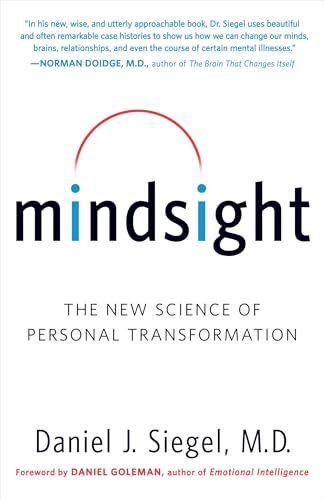
Overview: Daniel J. Siegel explores how awareness of the mind can change emotional patterns, relationships, and self-understanding. The book introduces readers to a more clinical and research-informed view of transformation, with an emphasis on how insight and integration support healthier living.
Why it stands out: For readers who want personal transformation rooted in psychology and neuroscience, this is one of the most credible options. It does not reduce change to positive thinking. Instead, it explains why attention, awareness, and reflection matter. That gives the book a different weight from more general self-help titles.
Strengths:
- Strong connection between science and self-development
- Helpful for understanding emotional and relational patterns
- More substantive than many lightweight transformation books
Best for: Readers who want to understand the inner mechanics of change, especially through the lens of psychology.
Potential limitations: Some readers may find the material more technical or concept-heavy than books aimed at quick practical motivation.
View price, available formats, and reader reviews.
Think Again: The Power of Knowing What You Don’t Know

Overview: Adam Grant examines the habits of people who revise their thinking well. Rather than focusing on affirmations or goal setting, the book looks at mental flexibility, humility, and the ability to unlearn outdated ideas. That makes it especially relevant for readers whose transformation depends on changing beliefs first.
Why it stands out: Personal transformation often fails when people cling to old assumptions. This book addresses that problem directly. It is particularly valuable for professionals, leaders, and highly analytical readers who want to become more adaptable. Compared with broader self-help books, it is sharper about the role of thinking itself in shaping change.
Strengths:
- Excellent for intellectual and professional growth
- Addresses the challenge of unlearning as part of transformation
- Clear, practical, and grounded in real-world examples
Best for: Readers who need to become more open-minded, adaptable, and willing to rethink old positions.
Potential limitations: Readers wanting a more inward, emotional, or spiritual approach may find its focus on cognition narrower than they prefer.
View price, available formats, and reader reviews.
Core Transformation: Reaching the Wellspring Within

Overview: Connirae Andreas and Tamara Andreas present a method for working with the deeper emotional states that shape behavior and self-perception. The book is more specialized than many broad self-help titles, and that is part of its value. It does not just advise readers to think differently. It offers a structured process for inner change.
Why it stands out: This is one of the stronger choices for readers who want transformation that feels deep rather than motivational. It speaks to people who have already read plenty of general personal growth books and are looking for a more precise method. Its approach is distinct, focused, and more technique-oriented than most books on this list.
Strengths:
- Offers a clear method for inner work
- Useful for persistent emotional or behavioral patterns
- More specific than general-purpose self-help books
Best for: Readers who want a methodical approach to deep personal change.
Potential limitations: The book is more specialized than an introductory self-help title, so some readers may need patience with its process.
View price, available formats, and reader reviews.
Falling Forward: The New Science of Resilience and Personal Transformation

Overview: This book centers resilience as the engine of transformation, showing how setbacks can become part of growth rather than proof of failure. It is especially relevant for readers who are recovering from disappointment, change, or burnout and need a way to move forward without pretending the difficulty did not matter.
Why it stands out: Many personal transformation books focus on aspiration. This one focuses on recovery, which is often where real change begins. That gives it a valuable place on the list, especially for readers whose immediate need is not reinvention but rebuilding. Its emphasis on resilience makes it different from books that prioritize mindset alone.
Strengths:
- Directly addresses recovery and resilience
- Useful after setbacks or periods of stress
- Frames transformation as something that can emerge from difficulty
Best for: Readers rebuilding confidence, energy, or direction after a hard stretch.
Potential limitations: Readers seeking a more philosophical or contemplative book may want something less focused on resilience as a practical skill.
View price, available formats, and reader reviews.
Frequency: The Power of Personal Vibration (15th Anniversary Edition) (Transformation Series)

Overview: This book approaches transformation through a spiritual and energetic framework. It is aimed at readers who are open to the idea that inner state, attention, and vibration influence the quality of life. The book belongs to a different tradition than the psychology-based titles on this list, which gives readers an alternative path to consider.
Why it stands out: Not every reader wants a science-first self-help book. For those who are drawn to spiritual personal development, this book offers a distinct worldview and language for change. Its place on the list is less about broad universality and more about giving the right reader a meaningful alternative to conventional self-improvement thinking.
Strengths:
- Offers a spiritual lens on personal growth
- Useful for readers interested in energy, mindset, and intention
- Provides a different perspective from mainstream self-help
Best for: Readers who prefer spiritually oriented books on self-transformation.
Potential limitations: The framework is not for everyone. Readers who want evidence-based psychology may find the approach too metaphysical.
View price, available formats, and reader reviews.
The Emerald Tablet: Alchemy for Personal Transformation

Overview: This book explores transformation through the lens of alchemy, symbolism, and inner development. It is less instructional than many modern self-help books and more reflective in tone, which makes it useful for readers who want a philosophical or symbolic approach to change.
Why it stands out: The value here is not in step-by-step habit change. It is in helping readers think differently about transformation itself. That makes it a good fit for those who are drawn to depth, metaphor, and a slower kind of personal work. It broadens the list by offering a more contemplative option alongside the practical titles.
Strengths:
- Distinctive symbolic approach to self-transformation
- Good fit for reflective readers
- Expands the list beyond standard self-help categories
Best for: Readers interested in philosophy, symbolism, or a more meditative view of change.
Potential limitations: Its style is more interpretive than practical, so readers looking for a direct action plan may want a different title first.
View price, available formats, and reader reviews.
Your Best Year Yet: Weekly Personal Growth Challenges to Unlock Your Best Self
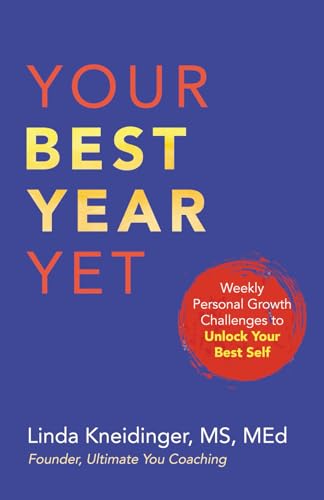
Overview: This book is built around weekly challenges, which makes it one of the more structured options on the list. Rather than asking readers to absorb ideas and figure out the rest, it turns growth into a sequence of manageable exercises over time. That format works well for people who benefit from accountability and momentum.
Why it stands out: Many transformation books are strong on insight but weak on follow-through. The weekly challenge format makes this one especially useful for readers who want a more active, habit-based approach. It is not the deepest book here, but it may be the easiest to put into practice consistently.
Strengths:
- Highly structured and action-oriented
- Good for readers who want accountability
- Turns self-improvement into an ongoing routine
Best for: Readers who want a practical, paced system for personal growth.
Potential limitations: Readers who prefer conceptual or reflective books may find the challenge format more prescriptive than they want.
View price, available formats, and reader reviews.
Who This List Is Best For
This list is best for readers who want personal transformation in a serious, practical sense. It will be especially useful for:
- Complete beginners who want a clear starting point
- Readers who prefer science-based self-development
- People looking to rebuild after setbacks
- Professionals who want to change habits, thinking, or decision-making
- Readers drawn to spiritual or philosophical approaches to growth
- Anyone who wants more than generic motivation
Final Thoughts
If you want the most balanced starting point, begin with Be Your Future Self Now or The Four Agreements. The first is best if you want a structured, modern framework for change. The second is best if you want something shorter and more philosophical. If your transformation goal is more specific, the rest of the list gives you better matches.
If your priority is emotional insight, start with Mindsight. If you want to become more adaptable and open to change, Think Again is the strongest choice. If you need to rebuild after a setback, Falling Forward is especially well matched. And if you want a more reflective or spiritual path, Frequency or The Emerald Tablet may fit better than a conventional self-help title.
FAQ
Which book is best for beginners?
The Four Agreements is the easiest entry point for most readers because it is short, clear, and memorable. If you want a more modern and structured approach, Be Your Future Self Now is also beginner-friendly.
Which book is the most practical?
Your Best Year Yet is the most action-oriented option because it uses weekly challenges to create momentum. Be Your Future Self Now is also practical, but in a more framework-driven way.
Which book offers the deepest inner work?
Core Transformation is the strongest choice for readers who want to work at a deeper emotional level. It is more specialized than the others, but that focus is part of its value.
Which book is best for changing your thinking?
Think Again is the best fit for readers who need to become more flexible, less rigid, and more willing to revise old assumptions. It is especially useful in professional and intellectual settings.
Which book should I read first if I am recovering from a setback?
Falling Forward is the best starting point if resilience is your main need. It treats difficulty as part of the transformation process rather than something to move past quickly.
Can I use these books together?
Yes. A good combination is one practical book, one reflective book, and one that matches your current challenge. For example, Be Your Future Self Now, Think Again, and Falling Forward work well together because they address identity, thinking, and resilience from different angles.




