People usually search for the best books about the brain when they want a clearer answer to a messy question: how the brain actually works, why we feel what we feel, and how neuroscience connects to real life. Some readers want an accessible introduction. Others want a more clinical understanding of trauma, emotion, ADHD, or obsessive-compulsive behavior. A few are looking for a book they can trust without wading through jargon or unsupported claims. The right choice depends on what kind of understanding you want, and how technical you want the reading to be.
Quick Answer
If you want the strongest overall books about the brain, start with The Brain That Changes Itself, Incognito, How Emotions Are Made, This Is Your Brain on Music, and The Body Keeps the Score. Together, they cover neuroplasticity, unconscious processing, emotion, applied neuroscience, and trauma in ways that are widely respected and genuinely useful.
Comparison Table
| Book | Best For | Why It Stands Out |
|---|---|---|
| The Brain That Changes Itself | Readers who want a broad, accessible introduction to neuroplasticity | Connects brain science to real stories of recovery and adaptation |
| Incognito | Anyone who wants to understand unconscious brain activity | Makes hidden mental processes feel concrete and easy to follow |
| How Emotions Are Made | Readers interested in emotion, prediction, and how the brain constructs experience | Offers a distinctive, research-driven view of emotion and perception |
| The Body Keeps the Score | Readers looking for a brain-based understanding of trauma | Bridges neuroscience, psychology, and treatment in a practical way |
| This Is Your Brain on Music | Curious readers who want a lively, focused book on music and the brain | Explains a specific brain function through an engaging subject |
| Seven And A Half Lessons About The Brain | Beginners who want a concise scientific overview | Short, clear, and direct without oversimplifying the topic |
| Brain Lock | Readers seeking a brain-based approach to obsessive-compulsive behavior | Focuses on a specific condition with a structured method |
| The Whole-Brain Child | Parents and caregivers | Translates brain development into concrete parenting strategies |
How We Chose These Recommendations
This list favors books that explain the brain in ways readers can actually use. That means a balance of scientific credibility, long-term reputation, and readability. Some books are broad introductions, while others focus on specific applications such as trauma, emotion, music, obsessive-compulsive behavior, or child development. Each one earned a place because it serves a distinct reader need rather than repeating the same ideas in a slightly different package.
For a topic as large as the brain, a good list should help readers narrow their goal quickly. A beginner needs something different from a parent, a student, a therapist, or someone trying to better understand their own mind. The books below reflect those differences.
Recommended Books
The Brain That Changes Itself

Overview: Norman Doidge’s book is one of the clearest introductions to neuroplasticity, the brain’s ability to change across a lifetime. Rather than treating the brain as fixed hardware, it shows how learning, injury, therapy, and experience can reshape neural pathways. The book uses case studies to make the science memorable, so readers see how the ideas matter outside a lab.
Why it stands out: Among books about the brain, this is one of the best choices for readers who want a broad, readable account of modern brain science without losing sight of human experience. It is especially effective at showing why neuroscience matters in medicine, rehabilitation, and everyday life. The storytelling approach makes it approachable, but the subject matter still has real depth.
Strengths:
- Clear explanation of neuroplasticity and why it matters
- Strong balance of science and real-world examples
- Accessible for general readers without feeling oversimplified
Best for: Curious readers, students, and anyone who wants a foundational brain book that connects science to lived experience.
Potential limitations: Readers looking for a more textbook-like treatment may want something denser and more technical.
View price, available formats, and reader reviews.
Incognito: The Secret Lives of the Brain

Overview: David Eagleman focuses on how much of mental life happens outside conscious awareness. The book explores perception, decision-making, habit, and the hidden processes that shape what people think they are choosing. It is one of the more engaging introductions to the idea that the brain does a great deal behind the scenes.
Why it stands out: Compared with broader brain books, Incognito is especially useful for readers who want to understand the gap between conscious experience and actual brain activity. It does not just explain facts about the brain. It changes how readers think about their own mind. That makes it a strong pick for general readers who want something intellectually satisfying but still accessible.
Strengths:
- Excellent on unconscious processing and self-awareness
- Readable without being shallow
- Offers a fresh perspective on everyday choices and behavior
Best for: General readers, psychology enthusiasts, and anyone interested in how much the brain does without conscious control.
Potential limitations: Readers looking for a highly clinical or treatment-focused book will find this more conceptual than practical.
View price, available formats, and reader reviews.
How Emotions Are Made

Overview: Lisa Feldman Barrett presents a research-based account of emotion as something the brain constructs rather than simply detects. The book brings together neuroscience, psychology, and culture to explain how the brain predicts, interprets, and labels experience. For readers who want a serious challenge to older assumptions about emotion, this is one of the most important books on the list.
Why it stands out: This book earns its place because it offers a distinct scientific framework instead of repeating familiar self-help language. It is one of the most thought-provoking books about the brain for readers interested in emotion, social life, and perception. It works especially well for people who want to understand not just what emotions feel like, but how the brain organizes them.
Strengths:
- Original and well-developed theory of emotion
- Strong synthesis of brain, body, and context
- Useful for readers interested in scientific debate and interpretation
Best for: Advanced general readers, students of psychology, and anyone interested in how emotion is built by the brain.
Potential limitations: It is more conceptual than practical, and some sections demand closer attention than the average popular science book.
View price, available formats, and reader reviews.
The Body Keeps the Score: Brain, Mind, and Body in the Healing of Trauma
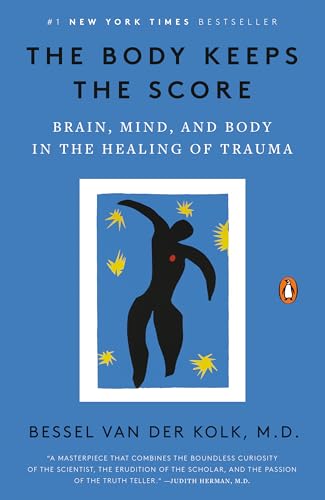
Overview: Bessel van der Kolk’s book examines how trauma affects the brain, body, and nervous system, then looks at treatment approaches that go beyond talk therapy alone. It is grounded in clinical experience and helps readers understand why trauma can remain active long after the original event. For many readers, it provides a vocabulary for experiences that were previously hard to name.
Why it stands out: This is one of the most influential brain-and-trauma books for a reason. It connects neuroscience to therapy, behavior, memory, and healing in a way that is unusually practical for a general audience. Readers who want a serious, clinically oriented book about how brain and body respond to trauma will find more substance here than in lighter self-help books.
Strengths:
- Strong clinical perspective on trauma and recovery
- Connects neuroscience to real treatment questions
- Especially helpful for readers affected by trauma or working with survivors
Best for: Readers seeking a trauma-informed brain book, as well as therapists, caregivers, and mental health students.
Potential limitations: The subject matter can be heavy, and some readers may find the clinical focus emotionally demanding.
View price, available formats, and reader reviews.
This Is Your Brain on Music: The Science of a Human Obsession

Overview: Daniel J. Levitin uses music as a lens for understanding how the brain processes rhythm, memory, emotion, and pattern recognition. The book is part neuroscience, part cultural analysis, and part demonstration of how an ordinary human experience can reveal deep brain mechanisms. Readers do not need a background in science to follow the argument.
Why it stands out: Among books about the brain, this one succeeds by narrowing the topic without becoming narrow-minded. It is a smart choice for readers who want neuroscience that feels concrete and engaging rather than abstract. Because music is so familiar, the book gives readers an easy entry point into complex brain functions.
Strengths:
- Engaging subject matter with real scientific substance
- Strong introduction to memory, emotion, and pattern processing
- More focused than broad brain surveys, which makes it memorable
Best for: Music lovers, curious general readers, and anyone who wants an approachable neuroscience book with a distinctive angle.
Potential limitations: Readers looking for a broad survey of the brain will find this more specialized than other picks here.
View price, available formats, and reader reviews.
Seven And A Half Lessons About The Brain: A Scientific Guide to Understanding your Brain

Overview: This short scientific guide is built for readers who want a concise introduction to how the brain works without signing up for a dense academic text. It covers core ideas in an organized, digestible way and is especially useful as a starting point for people who are new to neuroscience. The format makes it easier to absorb the essentials before moving on to longer books.
Why it stands out: Many books about the brain are either too shallow or too technical. This one finds a useful middle ground. It is compact enough to encourage completion, but substantive enough to leave readers with real scientific context. For beginners, that balance is a major advantage.
Strengths:
- Concise and approachable
- Good entry point for readers new to neuroscience
- Focuses on essential ideas without unnecessary padding
Best for: Beginners, busy readers, and anyone who wants a fast but serious introduction to the brain.
Potential limitations: Its brevity means it cannot go as deep as the longer, more comprehensive titles on this list.
View price, available formats, and reader reviews.
Brain Lock, Twentieth Anniversary Edition: Free Yourself from Obsessive-Compulsive Behavior

Overview: Jeffrey M. Schwartz focuses on obsessive-compulsive behavior through the lens of brain science and a structured self-help framework. The book is specifically aimed at readers trying to understand OCD and related compulsive patterns, and it gives them a methodical approach rather than vague reassurance. That specificity makes it more useful than broader books for the right audience.
Why it stands out: This is one of the few books on this list that addresses a specific brain-based condition with practical direction. For readers who want something grounded in neuroscience but targeted to OCD, it fills a clear gap. Its value lies in precision. It is not trying to cover everything about the brain, only one difficult and important problem.
Strengths:
- Highly focused on OCD and compulsive behavior
- Structured and practical
- Useful for readers who want a condition-specific framework
Best for: Readers dealing with obsessive-compulsive symptoms, as well as family members and clinicians looking for a brain-based overview.
Potential limitations: Because it is so specialized, it is not the best choice for readers looking for a broad brain science overview.
View price, available formats, and reader reviews.
The Whole-Brain Child: 12 Revolutionary Strategies to Nurture Your Child’s Developing Mind

Overview: Daniel J. Siegel and Tina Payne Bryson translate brain development into parenting strategies that are concrete and easy to apply. The book focuses on helping adults respond to children in ways that support emotional regulation, growth, and connection. It is one of the most practical brain books for parents because it connects developmental science to everyday situations.
Why it stands out: For readers who want brain science they can use immediately with children, this is the strongest choice on the list. It does not ask parents to become neuroscientists. Instead, it turns major ideas about the developing brain into usable guidance. That makes it especially valuable for caregivers who want a practical book rather than a theoretical one.
Strengths:
- Highly practical for parenting and caregiving
- Explains child development in accessible language
- Offers strategies readers can apply right away
Best for: Parents, guardians, teachers, and caregivers of children.
Potential limitations: Readers without children may find it less relevant than the broader science titles on this list.
View price, available formats, and reader reviews.
Who This List Is Best For
This list is best for readers who want more than a casual overview of neuroscience. It works especially well for complete beginners, curious general readers, psychology and neuroscience students, parents, therapists, caregivers, and anyone trying to understand a specific issue such as trauma, emotion, OCD, or child development. If you want books that explain the brain in clear, trustworthy language and serve different reading goals, these are strong places to start.
Final Thoughts
If your priority is the broadest, most accessible foundation, start with The Brain That Changes Itself. If you want to understand hidden mental processes, choose Incognito. If you are more interested in emotion and how the brain shapes experience, How Emotions Are Made is the most distinctive pick. For trauma, The Body Keeps the Score remains the most useful clinical-oriented choice. And if your goal is practical parenting guidance, The Whole-Brain Child is the clearest fit.
In other words, the best books about the brain are not all trying to do the same job. Start with the one that matches the question you actually want answered.
FAQ
Which book is best for beginners?
Seven And A Half Lessons About The Brain is the easiest starting point if you want a shorter, more digestible introduction. For a slightly fuller but still accessible read, The Brain That Changes Itself is a strong next step.
Which book is the most practical?
The Whole-Brain Child is the most immediately practical for parents and caregivers. For readers dealing with obsessive-compulsive behavior, Brain Lock offers a more specific practical framework.
Which book gives the best overview of how the brain works?
The Brain That Changes Itself offers the strongest broad overview on this list because it explains neuroplasticity in a way that connects many different brain-related topics.
Which book is best if I want something about emotions?
How Emotions Are Made is the most focused choice for understanding how the brain constructs emotion and how body and context shape experience.
Can I learn about the brain through self-study?
Yes. These books are well suited to self-study, especially if you start with a beginner-friendly title and then move to a more specialized one based on your interests.
Which book should I read first?
Most readers should begin with The Brain That Changes Itself or Incognito. Choose the first if you want a broad foundation. Choose the second if you are most interested in consciousness and hidden mental processes.




