
Lifelong learning looks different depending on where you are in life. For some readers, it means rebuilding confidence after school. For others, it means finding better ways to study, teach, lead, or keep growing without losing curiosity. The right book can make that process feel more deliberate and less random. It can give you a framework for learning, a way to read with more purpose, or a practical system for turning interest into lasting knowledge.
The strongest books for lifelong learning are not all the same type of book. Some focus on how people learn and change. Others help parents and teachers build early reading habits. A few are more specialized, but still valuable for readers whose idea of lifelong learning includes literacy, language, spiritual study, or coaching others to grow. The list below is built around that broader idea of learning as a habit that continues across a lifetime.
Quick Answer
For lifelong learning, start with Helping People Change: Coaching with Compassion for Lifelong Learning and Growth, then compare it with Foundations for Lifelong Learning: Education in Serious Joy and use Best Books for Kids Who (Think They) Hate to Read: 125 Books That Will Turn Any Child into a Lifelong Reader when you need a different level of detail. The right choice depends on your current goal, experience, and the kind of change you want the book to support.
This shortlist was selected for learning science, focus, habit formation, transfer to real work, and whether the book helps readers continue after the initial burst of motivation. It mixes foundational explanations with practical guidance so readers can move from understanding the topic to making a better decision or trying a small, testable change.
Comparison Table
| Book | Best For | Why It Stands Out |
|---|---|---|
| Helping People Change: Coaching with Compassion for Lifelong Learning and Growth | Professionals, mentors, and readers interested in the psychology and practice of growth. | Among books on lifelong learning, this one is valuable because it takes the human side of learning seriously. It is not just about acquiring information. It is about creating the conditions where people can keep developing over time. Readers who want a more thoughtful, practical approach to coaching and growth will find it especially relevant. |
| Foundations for Lifelong Learning: Education in Serious Joy | Readers who want an intellectually and spiritually serious view of lifelong learning. | The strongest reason to include it here is its philosophical breadth. Some books on learning are narrowly practical. This one is more reflective, which gives it a different kind of value. It works well for readers who want to think about why lifelong learning matters, not only how to do it. |
| Best Books for Kids Who (Think They) Hate to Read: 125 Books That Will Turn Any Child into a Lifelong Reader | Parents, librarians, teachers, and caregivers helping children become independent readers. | Many books about reading focus on instruction. This one focuses on selection, which is often the missing piece. When a child finally finds books that feel worth finishing, lifelong learning becomes more likely. That makes this book especially practical for families and classroom libraries. |
| Signing Illustrated: The Complete Learning Guide, Expanded and Revised | Beginners in sign language and readers who prefer visual instruction. | The book expands the meaning of lifelong learning beyond conventional classroom subjects. It is useful for readers who want to learn communication skills that can deepen personal relationships, professional service, or accessibility. That gives it a distinct place among the more general education titles here. |
| The Bible, Simplified: Learn the Story, Live the Story (A Christian Bible Study Guide to Help You Understand the Meaning and the Message of Scripture) | Christian readers and anyone seeking a clearer path through Bible study. | The book earns its place because it helps readers keep learning within a major long-term tradition of study. It is not a broad education book, but it is a strong example of how lifelong learning can be shaped by disciplined reading over time. That makes it especially relevant for Christian readers who want a practical guide. |
| The Power of Habit: Why We Do What We Do in Life and Business | readers who want to understand the routines that make learning and progress sustainable | It explains how cues, routines, and rewards shape behavior, giving lifelong learners a practical way to design better study habits. |
| Deep Work: Rules for Focused Success in a Distracted World | professionals and students who need protected time for demanding learning | It treats concentration as a trainable skill and connects focused practice with better learning and higher-quality work. |
How We Chose These Recommendations
These books were selected for the way they support learning over time, not for popularity alone. The list includes books that help readers understand how growth happens, books that strengthen reading habits, and books that make early or specialized learning more accessible. That mix matters because lifelong learning is not one skill or one age group. It is a habit that can begin with a child’s first reader, continue through language study, and deepen through reflective reading about education, coaching, or faith.
Each recommendation had to offer a clear reason to exist on this list. A book needed to be genuinely useful for a reader who wants to keep learning, not just loosely related to education. Where the topic is narrow, the book still had to serve an important part of the lifelong-learning journey. Where the topic is broad, the book had to bring a distinctive angle that readers would actually benefit from.
Recommended Books
Helping People Change: Coaching with Compassion for Lifelong Learning and Growth

Overview: This book examines how people actually change and what helps growth stick in real life. Rather than treating learning as a matter of willpower or quick motivation, it focuses on coaching, empathy, and sustained support. That makes it especially useful for managers, teachers, mentors, and anyone who helps other people learn or improve.
Why it stands out: Among books on lifelong learning, this one is valuable because it takes the human side of learning seriously. It is not just about acquiring information. It is about creating the conditions where people can keep developing over time. Readers who want a more thoughtful, practical approach to coaching and growth will find it especially relevant.
Strengths:
- Focuses on how lasting change really happens
- Useful for leaders, coaches, and educators
- Connects personal growth with interpersonal support
Best for: Professionals, mentors, and readers interested in the psychology and practice of growth.
Potential limitations: Readers looking for a simple self-help formula may find it more nuanced and reflective than expected.
View price, available formats, and reader reviews.
Foundations for Lifelong Learning: Education in Serious Joy

Overview: This book approaches education as something deeper than credentials or performance. Its focus is on learning as a meaningful, sustained pursuit shaped by joy, discipline, and purpose. That perspective makes it a strong fit for readers who want more than study tips. It speaks to the larger habits and convictions that keep people learning across a lifetime.
Why it stands out: The strongest reason to include it here is its philosophical breadth. Some books on learning are narrowly practical. This one is more reflective, which gives it a different kind of value. It works well for readers who want to think about why lifelong learning matters, not only how to do it.
Strengths:
- Offers a broader view of education and personal growth
- Connects learning with long-term meaning
- Well suited to reflective readers
Best for: Readers who want an intellectually and spiritually serious view of lifelong learning.
Potential limitations: It is more conceptual than step-by-step, so it may not satisfy readers looking for a skills manual.
View price, available formats, and reader reviews.
Best Books for Kids Who (Think They) Hate to Read: 125 Books That Will Turn Any Child into a Lifelong Reader

Overview: For parents and educators trying to build a reading habit that lasts, this book is one of the most useful options on the list. It helps match children with books that may change how they feel about reading, especially when a child is reluctant or easily discouraged. The value here is not in theory alone, but in helping adults make better reading choices for real children.
Why it stands out: Many books about reading focus on instruction. This one focuses on selection, which is often the missing piece. When a child finally finds books that feel worth finishing, lifelong learning becomes more likely. That makes this book especially practical for families and classroom libraries.
Strengths:
- Helps adults choose books children are more likely to finish
- Targets one of the biggest barriers to lifelong reading habits
- Useful for both home and school settings
Best for: Parents, librarians, teachers, and caregivers helping children become independent readers.
Potential limitations: Its value depends on the child’s age, reading level, and interests, so not every suggestion will fit every reader.
View price, available formats, and reader reviews.
Signing Illustrated: The Complete Learning Guide, Expanded and Revised

Overview: This is a practical learning guide for readers who want to study sign language through a visual reference. Because signing is a skill that rewards repetition, observation, and steady practice, a well-structured guide like this fits naturally into a lifelong-learning list. It serves both beginners and returning learners who need a clear refresher.
Why it stands out: The book expands the meaning of lifelong learning beyond conventional classroom subjects. It is useful for readers who want to learn communication skills that can deepen personal relationships, professional service, or accessibility. That gives it a distinct place among the more general education titles here.
Strengths:
- Visual format supports skill-based learning
- Useful as both a starter guide and a reference
- Strong fit for self-study
Best for: Beginners in sign language and readers who prefer visual instruction.
Potential limitations: Because signing is a hands-on skill, most readers will need practice beyond the book itself.
View price, available formats, and reader reviews.
The Bible, Simplified: Learn the Story, Live the Story (A Christian Bible Study Guide to Help You Understand the Meaning and the Message of Scripture)

Overview: This study guide is aimed at readers who want to understand Scripture with more clarity and less confusion. It focuses on the story and message of the Bible in a way that makes self-study more manageable. For lifelong learners whose reading habits are connected to faith, it offers structure without making the material feel inaccessible.
Why it stands out: The book earns its place because it helps readers keep learning within a major long-term tradition of study. It is not a broad education book, but it is a strong example of how lifelong learning can be shaped by disciplined reading over time. That makes it especially relevant for Christian readers who want a practical guide.
Strengths:
- Makes a large subject easier to approach
- Useful for personal study and reflection
- Supports ongoing learning within a faith context
Best for: Christian readers and anyone seeking a clearer path through Bible study.
Potential limitations: Its focus is specifically Christian, so it will not suit readers looking for a general education title.
View price, available formats, and reader reviews.
The Power of Habit: Why We Do What We Do in Life and Business

Overview: Charles Duhigg’s book is not a study manual, but it is highly relevant to lifelong learning because consistency usually depends on routines rather than motivation alone. Readers can use its framework to examine when they learn, what interrupts them, and how to make practice easier to repeat.
Why it stands out: It explains how cues, routines, and rewards shape behavior, giving lifelong learners a practical way to design better study habits.
Strengths:
- Explains habit loops in accessible language
- Connects individual routines with organizational change
- Useful for designing sustainable learning rituals
Best for: readers who want to understand the routines that make learning and progress sustainable
Potential limitations: The examples are broad, so readers need to translate the ideas into their own learning context.
View price, available formats, and reader reviews.
Deep Work: Rules for Focused Success in a Distracted World
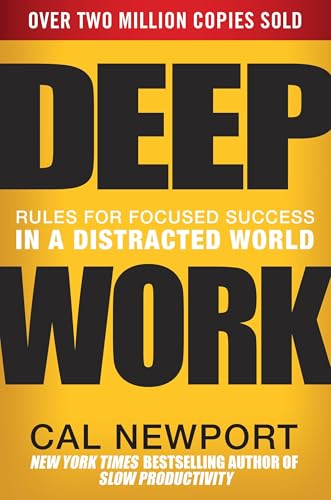
Overview: Cal Newport makes a persuasive case that lifelong learning requires more than collecting books or courses. It requires regular periods of undistracted effort. The book helps readers build a realistic system for deep study, deliberate practice, and producing work that proves what they have learned.
Why it stands out: It treats concentration as a trainable skill and connects focused practice with better learning and higher-quality work.
Strengths:
- Makes focus a concrete learning skill
- Useful for knowledge workers and students
- Encourages routines that protect serious practice
Best for: professionals and students who need protected time for demanding learning
Potential limitations: The strongest recommendations require negotiation with real workplace and family obligations.
View price, available formats, and reader reviews.
Who This List Is Best For
This list is for adult learners, students, professionals, educators, and readers building a long-term learning practice. It is especially useful when you want a thoughtful starting point rather than a one-size-fits-all answer. Read selectively: choose the book whose examples, level, and method match the decision or difficulty in front of you.
Final Thoughts
Lifelong learning is less about consuming more information and more about creating a repeatable loop of curiosity, focused practice, feedback, and application. Use these books to design a learning rhythm that fits real obligations, then produce something that demonstrates what you learned.
FAQ
Which book should I start with?
Deep Work is a strong choice when distraction is the main barrier; The Power of Habit is better when the challenge is consistency.
Are these books only for students?
No. The ideas apply to professionals, career changers, educators, and anyone learning a skill outside a formal classroom.
How do I avoid collecting books without learning?
Choose one question, schedule practice, and create an output such as a project, explanation, lesson, or decision that tests your understanding.
Is motivation enough for lifelong learning?
Motivation helps you begin, but routines, protected time, feedback, and a meaningful application are what make learning durable.
How much time should I set aside?
A sustainable schedule is better than an ambitious one. Start with a recurring block you can protect and expand only after it becomes reliable.




