
Hope is easy to talk about in broad, inspirational terms, but readers usually want something more useful than slogans. They want a book that helps them understand what hope actually is, how it holds up under stress, and how it differs from denial, optimism, or simple motivation. In that sense, the best books about hope are not all the same. Some are practical and faith-based, some are grounded in emotional endurance, some are rooted in science, and some show hope through story rather than argument.
That range matters. A reader trying to steady themselves through a difficult season needs a different book than someone studying resilience, caregiving, grief, or the psychology of meaning. The selections below were chosen to cover those distinct needs without padding the list with weak thematic matches.
Quick Answer
If you want the best books about hope, start with Everything Is F*cked: A Book About Hope for a blunt, modern look at hope and despair, You’ll Get Through This: Hope and Help for Your Turbulent Times for a faith-centered response to hardship, The Unexpected Journey for caregivers, A Long Walk to Water for an accessible story of perseverance, and Nature’s Best Hope for readers who want hope tied to action and stewardship.
Comparison Table
| Book | Best For | Why It Stands Out |
|---|---|---|
| Everything Is F*cked: A Book About Hope | Readers who want a frank, skeptical look at hope and modern anxiety | Connects hope to psychology, meaning, and disappointment in a way that feels direct rather than sentimental |
| You’ll Get Through This: Hope and Help for Your Turbulent Times | Readers seeking pastoral encouragement during a painful season | Offers practical comfort from a long-standing faith perspective without drifting into empty optimism |
| The Unexpected Journey | Caregivers and family members under emotional strain | Focuses on hope as something sustained through caregiving realities, not abstract encouragement |
| A Long Walk to Water | General readers, teens, and classroom settings | Shows hope through lived endurance and survival, making it especially effective as a teaching and discussion book |
| Nature’s Best Hope | Readers who want hope linked to practical environmental action | Frames hope as a concrete, local responsibility rather than a feeling alone |
| Why We’re Catholic | Readers exploring hope within a Catholic worldview | Places hope inside a larger case for faith, making it useful for readers who want a theological foundation |
| Unshakable Hope | Christian readers who want a devotional or giftable book on hope | Centers on biblical promises and is especially suited to readers who want encouragement in a devotional format |
How We Chose These Recommendations
These books were selected for the different ways they help readers think about hope in real life. Some offer a more analytical or psychological angle, while others are better suited to spiritual encouragement, caregiving, education, or practical action. The common thread is usefulness: each book gives readers a distinct way to understand, practice, or recover hope.
We also favored books with clear editorial purpose and durable value. That means the list leans toward books that have something specific to say, not just books that use hopeful language in the title. Where a book is more faith-based, more reflective, or more classroom-oriented, that focus is noted so readers can choose the right fit for their situation.
Recommended Books
Everything Is F*cked: A Book About Hope

Overview: This book takes a hard look at hope, suffering, and the stories people tell themselves to keep going. Rather than offering cheerful reassurance, it examines the tension between modern anxiety and the need for meaning. Readers who want a blunt, intellectually curious approach to hope will find a very different tone here than in most inspirational books.
Why it stands out: Among the best books about hope, this one is valuable because it does not treat hope as a simplistic good feeling. It frames hope as something deeply tied to values, identity, and the stories people live by. That makes it especially useful for readers who want to think about hope psychologically as well as philosophically.
Strengths:
- Direct, contemporary voice that does not soften hard questions
- Useful for readers interested in meaning, despair, and resilience
- Balances cultural criticism with personal reflection
Best for: Readers who want an unsentimental, thought-provoking book about hope and modern life.
Potential limitations: The tone is more skeptical than comforting, so it may not be the best fit for readers looking for gentle encouragement.
View price, available formats, and reader reviews.
You’ll Get Through This: Hope and Help for Your Turbulent Times

Overview: This is a pastoral, faith-based book for readers facing grief, disappointment, fear, or prolonged uncertainty. It focuses on staying steady when life does not resolve quickly. The emphasis is not on pretending things are fine, but on finding language and practices that support endurance.
Why it stands out: Compared with broader books about hope, this one is especially grounded in the realities of suffering. It works well for readers who want spiritual encouragement that acknowledges pain instead of bypassing it. That makes it more useful than generic inspirational writing for people in the middle of a hard season.
Strengths:
- Comforting but still realistic about hardship
- Fits readers who value Christian encouragement
- Accessible style that is easy to read during stressful times
Best for: Readers looking for a faith-centered, emotionally steady book about hope during adversity.
Potential limitations: Its religious perspective will matter to some readers more than others, so it is not the best universal choice.
View price, available formats, and reader reviews.
The Unexpected Journey: Finding Strength, Hope, and Yourself on the Caregiving Path
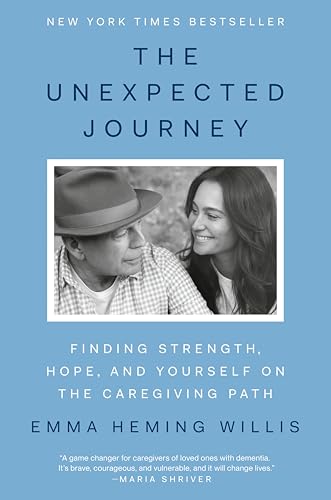
Overview: This book speaks directly to the emotional strain of caregiving, where hope often has to coexist with exhaustion, uncertainty, and responsibility. It is aimed at people supporting a loved one through illness, disability, or long-term decline. The focus is not abstract inspiration, but the lived experience of carrying someone else’s needs while trying to remain emotionally intact yourself.
Why it stands out: Many books about hope are broad and general. This one is more specific, which makes it more useful for a very real and often overlooked audience. Caregivers usually need practical encouragement that recognizes complexity, and that is where this book fits best.
Strengths:
- Targets a specific life stage with empathy and clarity
- Helpful for readers who are emotionally worn down
- Connects hope to endurance, identity, and support
Best for: Caregivers, family members, and anyone supporting a loved one through a prolonged health challenge.
Potential limitations: The caregiving focus is narrow, so readers looking for a more general book about hope may want a broader title first.
View price, available formats, and reader reviews.
A Long Walk to Water: A Powerful Adventure of Survival, Perseverance, and Hope in Sudan
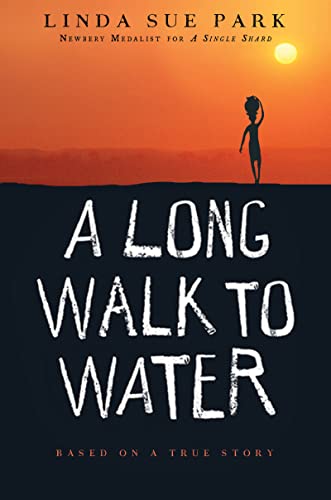
Overview: This widely used middle-grade book tells a survival story that makes hope feel concrete rather than abstract. Its power comes from showing persistence under severe circumstances, which gives younger readers and adults alike a clear example of resilience in action. It is also a strong fit for classrooms and family reading because it invites discussion without requiring advanced background knowledge.
Why it stands out: Among the best books about hope, this one is especially effective because it teaches hope through story. Readers do not just hear about perseverance, they watch it unfold in difficult conditions. That makes it useful for anyone who wants an emotionally accessible book with genuine educational value.
Strengths:
- Clear, approachable, and easy to recommend across age groups
- Strong choice for schools, book clubs, and family discussion
- Hope is shown through action rather than preached as an idea
Best for: Teens, students, and general readers who want an inspiring but grounded story of perseverance.
Potential limitations: Because it is written for younger readers, experienced adults looking for a more analytical treatment may want a different book alongside it.
View price, available formats, and reader reviews.
Nature’s Best Hope: A New Approach to Conservation That Starts in Your Yard

Overview: This conservation book connects hope to practical environmental action. Instead of focusing on despair about ecological loss, it argues for changes people can make locally, starting at home. The result is a hopeful book in a very literal sense, because it gives readers a way to move from concern to contribution.
Why it stands out: The strongest reason to include this title is that it defines hope as participation. Readers who are discouraged by climate and biodiversity conversations often want something more concrete than alarm. This book offers a constructive path, which makes it one of the most actionable books on the list.
Strengths:
- Transforms concern into practical stewardship
- Useful for environmentally minded readers who want a solution-oriented book
- Offers a hopeful framework without ignoring the problem
Best for: Readers who want hope tied to environmental responsibility, conservation, and everyday action.
Potential limitations: The focus is specific to conservation, so it is not a general-purpose emotional well-being book.
View price, available formats, and reader reviews.
Why We’re Catholic: Our Reasons for Faith, Hope, and Love

Overview: This book examines Catholic belief with particular attention to hope as part of a larger religious vision. It is not just about feeling encouraged. It is about why hope makes sense within a faith tradition and how that shapes a person’s outlook on life, suffering, and purpose.
Why it stands out: Readers who want a theological rather than purely emotional treatment of hope need a book like this. Compared with broader spiritual encouragement books, it is more explicitly grounded in doctrine and religious reasoning. That makes it especially helpful for Catholic readers, catechists, and anyone exploring faith as a source of durable hope.
Strengths:
- Connects hope to a larger case for Catholic faith
- Suitable for readers who want explanation, not just inspiration
- Works well for personal study or discussion
Best for: Catholic readers and those interested in how faith traditions frame hope, meaning, and love.
Potential limitations: The theological focus will be too specific for readers seeking a secular or interfaith book about hope.
View price, available formats, and reader reviews.
Unshakable Hope: Building Our Lives on the Promises of God

Overview: This Christian book is built around the idea that hope comes from trusting God’s promises rather than from circumstances alone. Its structure makes it especially useful for devotional reading, encouragement, and gift-giving. Readers who want hope framed in biblical terms will find a clear and focused message here.
Why it stands out: The book belongs on this list because it offers a direct, faith-based way of thinking about hope that is easy to return to over time. It is more devotional than analytical, which makes it a good match for readers who want a steady, spiritually oriented companion rather than a general essay on resilience.
Strengths:
- Bible-centered approach to hope
- Accessible for devotional use
- Good gift option for Christians at a major life transition
Best for: Christian readers who want a devotional or giftable book centered on hope.
Potential limitations: The subtitle and framing may make it feel more event-specific than some readers want, but the underlying focus is still useful beyond graduation settings.
View price, available formats, and reader reviews.
Who This List Is Best For
This list is best for readers who want hope to feel grounded rather than abstract. It will be especially useful for:
- Readers facing grief, stress, or uncertainty
- Caregivers who need steady emotional support
- Students and teens looking for stories of perseverance
- Christian readers who want hope framed through faith
- Readers who prefer books that connect hope to action, meaning, or resilience
Final Thoughts
If you want the most wide-ranging, thought-provoking starting point, choose Everything Is F*cked: A Book About Hope. If you want comfort during a difficult season, start with You’ll Get Through This. If your life revolves around caregiving, The Unexpected Journey is the most specific fit.
If you want hope through story, A Long Walk to Water is the clearest choice. If you want hope connected to practical change, begin with Nature’s Best Hope. And if your search for hope is rooted in faith, the two Christian selections offer different levels of theological depth and devotional use.
FAQ
Which book is best for beginners?
A Long Walk to Water is the easiest place to begin if you want an accessible, story-driven introduction to hope. For adults seeking something more reflective, You’ll Get Through This is also very approachable.
Which book is most practical?
The Unexpected Journey is the most practical for a specific life situation, especially if you are caring for someone else. For practical action in another area, Nature’s Best Hope turns concern into concrete steps.
Which book offers the deepest reflection on hope?
Everything Is F*cked: A Book About Hope offers the most searching, philosophical take on the subject. It is less comforting than some others, but it gives readers a strong framework for thinking about hope, despair, and meaning.
Which book is best for Christian readers?
You’ll Get Through This is the broadest faith-based option, while Unshakable Hope is more explicitly devotional. Why We’re Catholic is best if you want a theological foundation for hope within Catholic teaching.
Can I use these books for self-study or discussion groups?
Yes. Several of them work well in discussion settings, especially A Long Walk to Water, Nature’s Best Hope, and Everything Is F*cked. The best choice depends on whether your group wants story, practical action, or deeper reflection.
Which recommendation gives the best long-term value?
Everything Is F*cked and A Long Walk to Water are especially durable because they approach hope from two different angles, one analytical and one narrative. Readers who want a faith-based long-term companion may prefer Unshakable Hope.




