
Emotional independence is a narrow phrase with a wide range of readers behind it. Some people want help calming reactive feelings before they spill into relationships. Others are trying to separate self-worth from approval, criticism, or conflict. Parents, partners, and caregivers may be looking for language that helps children or family members name emotions without becoming overwhelmed by them. The best books for emotional independence do not all teach the same lesson, and that is useful. Some are practical and direct, some are faith-based, some are built for kids, and some focus on communication inside close relationships.
Quick Answer
For emotional independence, start with Master Your Emotions: A Practical Guide to Overcome Negativity and Better Manage Your Feelings, then compare it with Communicate Your Feelings (without starting a fight): What to Say and What Not to Say to Your Partner and use Emotional Healing Through Scripture: A 40-Day Devotional to Experience Restoration, Recovery, and Peace when you need a different level of detail. The right choice depends on your current goal, experience, and the kind of change you want the book to support.
This shortlist was selected for clarity, practical exercises, psychological safety, distinction between independence and isolation, and usefulness in everyday decisions. It mixes foundational explanations with practical guidance so readers can move from understanding the topic to making a better decision or trying a small, testable change.
Comparison Table
| Book | Best For | Why It Stands Out |
|---|---|---|
| Master Your Emotions: A Practical Guide to Overcome Negativity and Better Manage Your Feelings | Adults who want a straightforward guide to managing emotions more effectively. | Among the books on this list, this is the broadest starting point for emotional independence. It does not limit itself to one relationship type, age group, or spiritual framework. Instead, it offers a general framework for working with difficult feelings, which makes it a strong fit for readers who want a single, accessible book that addresses emotional control from several angles. |
| Communicate Your Feelings (without starting a fight): What to Say and What Not to Say to Your Partner | Adults who want to express feelings honestly without turning every conversation into a fight. | Emotional independence is not only about calming yourself. It is also about speaking from a centered place when another person is involved. This book earns its place because it concentrates on that exact problem. Compared with broader self-help books, it is narrower and more immediately usable for couples or partners who keep getting stuck in the same conversational loops. |
| Emotional Healing Through Scripture: A 40-Day Devotional to Experience Restoration, Recovery, and Peace | Faith-based readers seeking peace, recovery, and emotional steadiness through scripture. | Many books on emotional regulation focus on technique. This one focuses on spiritual grounding. That difference matters for readers whose emotional independence is tied to prayer, reflection, and a sense of being held by something larger than their immediate feelings. It belongs on this list because it serves a clearly defined audience with a clear method. |
| I Lie To Me Best: A Guide to Emotional Intelligence, Accountability, and Authentic Living for Black Women | Black women who want a reflective book on emotional intelligence and authentic living. | Emotional independence often requires more than coping skills. It requires telling the truth to yourself, especially when old patterns are comfortable. That is the core value of this book. It stands apart from the broader titles here because it is identity-specific and accountability-driven, which gives it a sharper perspective than a general self-help book can offer. |
| Hands Are Not for Hitting | Parents, caregivers, and educators working with toddlers and preschoolers. | Not every book on emotional independence needs to be for adults. This one earns its place because it teaches one of the earliest and most important lessons in self-regulation: feelings are real, but hurting others is not the answer. It is especially useful for toddlers and preschoolers, and it works well in homes, classrooms, and child-focused settings. |
| Alexander and the Terrible, Horrible, No Good, Very Bad Day | Families and educators looking for a story-based way to talk about emotional frustration and resilience. | Emotional independence begins with naming experience accurately. For children, that often starts with stories. This book belongs here because it helps normalize hard feelings without minimizing them. It is a strong choice for parents or teachers who want to open a conversation about resilience, disappointment, and perspective. |
| Try My Best | Readers who want an encouraging book about resilience, effort, and inner confidence. | A lot of books about emotions focus on what to do in the moment. This one adds a different layer by reinforcing the mindset that supports long-term resilience. It is a useful counterbalance to more technique-driven books because emotional independence also depends on how you talk to yourself when things are hard. |
| World’s Best Papa Bear (Berenstain Bears) | Families with young children who learn best through character-based stories and gentle emotional cues. | Some families need books that work indirectly. Rather than focusing on emotional skills in isolation, this book fits readers who want a gentle story that supports emotional confidence through family connection. It earns a place on this list as a softer option for early readers who are not ready for explicit self-help language. |
How We Chose These Recommendations
For a topic like emotional independence, usefulness matters more than breadth. The strongest choices are the books that help readers do one of a few important things well: regulate feelings, speak more honestly, reduce reactivity, build self-awareness, or support a child’s emotional development. We also looked for books with a clear audience and a practical purpose, so readers can quickly tell whether a book fits their situation.
That is why this list includes a mix of adult self-help, relationship guidance, faith-based reflection, and child-focused emotional learning. Emotional independence does not look the same for every reader. Some need language for accountability. Others need simple tools for naming feelings. Others need a book that helps them stay steady in a difficult relationship or teach a child how to respond without aggression. Each recommendation here serves a distinct role.
Recommended Books
Master Your Emotions: A Practical Guide to Overcome Negativity and Better Manage Your Feelings

Overview: This book focuses on emotional self-management in a direct, practical way. It is built for readers who want to understand negative emotions, interrupt unhelpful patterns, and respond with more steadiness instead of being pulled around by every mood or trigger. The emphasis is on usable guidance rather than theory-heavy discussion.
Why it stands out: Among the books on this list, this is the broadest starting point for emotional independence. It does not limit itself to one relationship type, age group, or spiritual framework. Instead, it offers a general framework for working with difficult feelings, which makes it a strong fit for readers who want a single, accessible book that addresses emotional control from several angles.
Strengths:
- Clear focus on emotional regulation and practical coping
- Useful for readers who want a broad foundation before moving into more specialized books
- Addresses negativity in a way that supports daily decision-making
Best for: Adults who want a straightforward guide to managing emotions more effectively.
Potential limitations: Readers looking for a highly specialized approach, such as trauma-informed therapy, relationship communication, or spiritual reflection, may want a more focused title.
View price, available formats, and reader reviews.
Communicate Your Feelings (without starting a fight): What to Say and What Not to Say to Your Partner

Overview: This book is about emotional expression inside a close relationship, especially when honesty and conflict are running into each other. It helps readers think about what to say, what to avoid, and how to communicate in a way that is less reactive and more constructive. That makes it especially relevant for people who want independence from spiraling arguments, defensiveness, or the pressure to say nothing at all.
Why it stands out: Emotional independence is not only about calming yourself. It is also about speaking from a centered place when another person is involved. This book earns its place because it concentrates on that exact problem. Compared with broader self-help books, it is narrower and more immediately usable for couples or partners who keep getting stuck in the same conversational loops.
Strengths:
- Very practical for day-to-day relationship communication
- Helpful for readers who tend to overexplain, withdraw, or escalate during conflict
- Focused on language, which makes it easy to apply quickly
Best for: Adults who want to express feelings honestly without turning every conversation into a fight.
Potential limitations: The narrow relationship focus means it is less useful for readers who want a broad emotional development framework.
View price, available formats, and reader reviews.
Emotional Healing Through Scripture: A 40-Day Devotional to Experience Restoration, Recovery, and Peace

Overview: This devotional approaches emotional healing through a faith-centered lens. Over 40 days, it invites readers to reflect on restoration, recovery, and peace using scripture as the framework. That makes it a good fit for readers who do not want a purely clinical or secular approach to emotional independence.
Why it stands out: Many books on emotional regulation focus on technique. This one focuses on spiritual grounding. That difference matters for readers whose emotional independence is tied to prayer, reflection, and a sense of being held by something larger than their immediate feelings. It belongs on this list because it serves a clearly defined audience with a clear method.
Strengths:
- Combines emotional reflection with a devotional rhythm
- Useful for readers who want restoration rather than just coping strategies
- Structured format makes it easy to follow day by day
Best for: Faith-based readers seeking peace, recovery, and emotional steadiness through scripture.
Potential limitations: Readers who want a secular psychology-based book will likely prefer another title on this list.
View price, available formats, and reader reviews.
I Lie To Me Best: A Guide to Emotional Intelligence, Accountability, and Authentic Living for Black Women
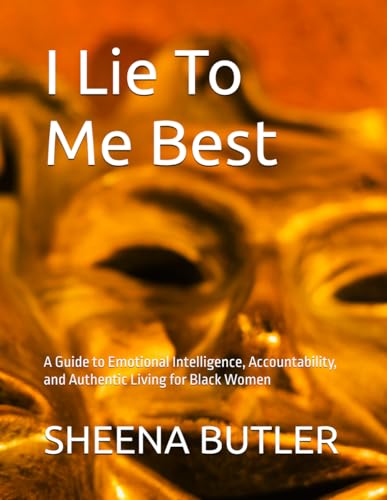
Overview: This book connects emotional intelligence with accountability and authentic living, specifically for Black women. It addresses the inner habits that can keep a person stuck, including self-protective stories, denial, and misalignment between what is felt and what is lived. The focus is less on generic positivity and more on honest self-examination.
Why it stands out: Emotional independence often requires more than coping skills. It requires telling the truth to yourself, especially when old patterns are comfortable. That is the core value of this book. It stands apart from the broader titles here because it is identity-specific and accountability-driven, which gives it a sharper perspective than a general self-help book can offer.
Strengths:
- Centers emotional honesty and self-accountability
- Speaks directly to a specific audience with lived-context relevance
- Useful for readers working on authenticity, self-awareness, and personal growth
Best for: Black women who want a reflective book on emotional intelligence and authentic living.
Potential limitations: The audience focus is specific, so readers outside that group may not find it as resonant as the broader options on this list.
View price, available formats, and reader reviews.
Hands Are Not for Hitting

Overview: This board book gives young children a simple message about safe behavior and emotional control. It is written for early learners who need concrete language and clear repetition, not abstract discussion. For families trying to build the earliest foundations of emotional independence, this kind of directness matters.
Why it stands out: Not every book on emotional independence needs to be for adults. This one earns its place because it teaches one of the earliest and most important lessons in self-regulation: feelings are real, but hurting others is not the answer. It is especially useful for toddlers and preschoolers, and it works well in homes, classrooms, and child-focused settings.
Strengths:
- Simple, direct language for very young children
- Good for introducing emotional boundaries and safe choices
- Works well as a read-aloud or teaching tool
Best for: Parents, caregivers, and educators working with toddlers and preschoolers.
Potential limitations: Because it is a board book for very young children, it is not designed for older kids or adults.
View price, available formats, and reader reviews.
Alexander and the Terrible, Horrible, No Good, Very Bad Day

Overview: This classic picture book gives children a memorable way to recognize frustration, disappointment, and the feeling of having one bad thing after another happen in a single day. Its value is not in giving a lesson by lecture, but in showing how a child experiences emotional overwhelm in a story that many families already know well.
Why it stands out: Emotional independence begins with naming experience accurately. For children, that often starts with stories. This book belongs here because it helps normalize hard feelings without minimizing them. It is a strong choice for parents or teachers who want to open a conversation about resilience, disappointment, and perspective.
Strengths:
- Accessible story for discussing big feelings with children
- Helps normalize imperfect days without overexplaining
- Widely usable at home, in classrooms, or during read-aloud time
Best for: Families and educators looking for a story-based way to talk about emotional frustration and resilience.
Potential limitations: It is a storybook, not an instructional guide, so adults looking for direct strategies will need a different title.
View price, available formats, and reader reviews.
Try My Best

Overview: This book centers effort, growth, and self-encouragement. While it is not as obviously instructional as some of the other picks, it fits the emotional independence theme because independence is often built through persistence and a healthier inner voice. Readers who are learning to separate self-worth from perfectionism may find it especially relevant.
Why it stands out: A lot of books about emotions focus on what to do in the moment. This one adds a different layer by reinforcing the mindset that supports long-term resilience. It is a useful counterbalance to more technique-driven books because emotional independence also depends on how you talk to yourself when things are hard.
Strengths:
- Encourages self-trust and persistence
- Useful for readers who want a gentler, growth-oriented title
- Works well as a complement to more practical emotional skills books
Best for: Readers who want an encouraging book about resilience, effort, and inner confidence.
Potential limitations: It is more mindset-oriented than deeply instructional, so it may feel too light for readers seeking a structured self-help manual.
View price, available formats, and reader reviews.
World’s Best Papa Bear (Berenstain Bears)

Overview: This Berenstain Bears title is less about direct emotional instruction and more about the family context that supports emotional growth. It can be useful for young children who respond well to familiar characters and simple story structures, especially when parents want to reinforce warmth, security, and healthy family dynamics.
Why it stands out: Some families need books that work indirectly. Rather than focusing on emotional skills in isolation, this book fits readers who want a gentle story that supports emotional confidence through family connection. It earns a place on this list as a softer option for early readers who are not ready for explicit self-help language.
Strengths:
- Familiar, child-friendly format
- Good for sharing emotional themes in a low-pressure way
- Fits families who prefer story-based learning
Best for: Families with young children who learn best through character-based stories and gentle emotional cues.
Potential limitations: It is not a direct guide to emotional independence, so it works better as a supporting read than a primary instructional book.
View price, available formats, and reader reviews.
Who This List Is Best For
This list is for readers working on boundaries, self-trust, emotional regulation, and healthier relationships. It is especially useful when you want a thoughtful starting point rather than a one-size-fits-all answer. Read selectively: choose the book whose examples, level, and method match the decision or difficulty in front of you.
Final Thoughts
Emotional independence is not emotional isolation. The strongest books help readers recognize their feelings, make choices without outsourcing every decision, and stay connected to others without abandoning boundaries or self-respect. Choose a book that matches whether your immediate need is self-compassion, communication, or relationship patterns.
FAQ
What does emotional independence mean?
It means being able to notice, name, and respond to your emotions while taking responsibility for your choices. It does not mean refusing support or pretending not to need anyone.
Which book is best for boundary work?
Choose the title that gives you language for needs and limits, then practice one small boundary in a relationship where the risk is manageable.
Can books replace therapy?
Books can support reflection and skill-building, but they cannot replace professional care when trauma, abuse, self-harm risk, or severe symptoms are present.
How can I practice emotional independence daily?
Pause before seeking reassurance, write down what you know and what you fear, and make one values-based decision before asking others to decide for you.
Why can independence feel lonely?
Changing familiar patterns can temporarily reduce reassurance. Healthy independence also includes choosing reciprocal support and relationships where boundaries are respected.




