
Career growth rarely comes from sending a few more connection requests and hoping for the best. The harder part is learning how to start conversations, build trust without feeling insincere, and turn occasional contacts into real professional relationships. That is why the best books for networking for career growth are not all identical. Some are practical and direct, some focus on introverts, and others explain the larger career habits that make networking work over time.
The books below were chosen for readers who want more than generic advice. Each one offers a different angle on how to build useful relationships, communicate with confidence, and move through work with more intention.
Quick Answer
If you want the strongest books for networking for career growth, start with Never Eat Alone, Confident Introvert, The Unspoken Rules, The Little Book of Networking, and Networking: 42 Keys to Career Growth. Together, they cover relationship-building, networking for quieter personalities, early-career professionalism, and practical communication skills.
Comparison Table
| Book | Best For | Why It Stands Out |
|---|---|---|
| Never Eat Alone, Expanded and Updated: And Other Secrets to Success, One Relationship at a Time | Professionals who want a classic, big-picture guide to networking for career growth. | Among networking books, this is the one most likely to help readers rethink the whole subject. It does not frame professional relationships as a transactional game. Instead, it emphasizes how useful connections are built through… |
| Give and Take: Why Helping Others Drives Our Success | Readers who want a practical, focused resource on reciprocity, relationships, and career growth. | This recommendation adds a distinct framework instead of repeating a generic introduction. It helps readers move from recognizing the issue to understanding the patterns, choices, or skills involved in reciprocity, relationships, and… |
| The Unspoken Rules: Secrets to Starting Your Career Off Right | New graduates, first-job employees, and early-career professionals. | Rather than treating networking as an isolated skill, it places relationship-building inside the larger challenge of starting a career well. That matters because early professional growth often depends as much on understanding the rules… |
| The 2-Hour Job Search: Using Technology to Get the Right Job Faster | Readers who want a practical, focused resource on relationship-based job searching and outreach. | This recommendation adds a distinct framework instead of repeating a generic introduction. It helps readers move from recognizing the issue to understanding the patterns, choices, or skills involved in relationship-based job searching and… |
| Networking: 42 Keys to Career Growth- Communication Skills, Building Relationships, Influence | Readers who want a structured, topic-by-topic networking guide. | For readers who like a direct, organized approach, the appeal is obvious. The book gives networking a visible framework, which can be especially useful if you want to identify the parts you already do well and the parts that need work. It… |
| Next Move, Best Move: Transitioning Into a Career You’ll Love | Professionals exploring a new field, role, or career path. | Not every networking book is useful for someone considering a transition, but this one is. It helps readers think about career change in a way that naturally involves conversations, connections, and informed next steps. That makes it a… |
| Career Cheat Codes: The Unspoken, Unconventional, and Unfiltered Rules of Career Success | Readers who want networking advice as part of a larger career-success playbook. | Its value is in perspective. Instead of offering only event tips or conversation tricks, it places networking inside the wider reality of career movement. That helps readers understand why some professional connections lead somewhere… |
| Clock In: No-BS Advice for Getting Ahead in Your Career (Without Losing Your Mind) | Professionals who want straightforward advice on career advancement and visibility. | Among the books on this list, this one speaks most directly to readers who want career growth advice without corporate polish. That tone can be refreshing if you are tired of sanitized professional guidance. It works well as a complement… |
How We Chose These Recommendations
These books were selected for their usefulness to readers who want networking advice that actually translates into career progress. That means favoring books with practical guidance, clear thinking, and lasting relevance over titles that simply mention networking in a headline. Some books are best for beginners who need structure. Others are better for readers who already understand the basics and want a more refined approach to relationship-building, communication, or workplace presence.
The list also aims to reflect different stages of career growth. A new graduate, an introvert preparing for industry events, and a mid-career professional thinking about a transition do not need exactly the same book. Each recommendation earns its place by serving a specific need within the larger topic of networking for career growth.
Recommended Books
Never Eat Alone, Expanded and Updated: And Other Secrets to Success, One Relationship at a Time

Overview: For readers who want a broad, relationship-centered view of networking, this book remains one of the clearest starting points. It treats networking as an ongoing practice of generosity, follow-through, and professional visibility rather than a one-time event strategy. The advice is built around habits you can use before, during, and after meeting people, which makes it especially relevant for career growth over time.
Why it stands out: Among networking books, this is the one most likely to help readers rethink the whole subject. It does not frame professional relationships as a transactional game. Instead, it emphasizes how useful connections are built through consistency and mutual value. That makes it a strong fit for readers who want a foundation, not just event tactics.
Strengths:
- Focuses on long-term relationship building, not just collecting contacts.
- Useful for professionals at many career stages.
- Connects networking to practical career momentum.
Best for: Professionals who want a classic, big-picture guide to networking for career growth.
Potential limitations: Readers looking for a short, highly tactical handbook may find it broader than necessary.
View price, available formats, and reader reviews.
Give and Take: Why Helping Others Drives Our Success
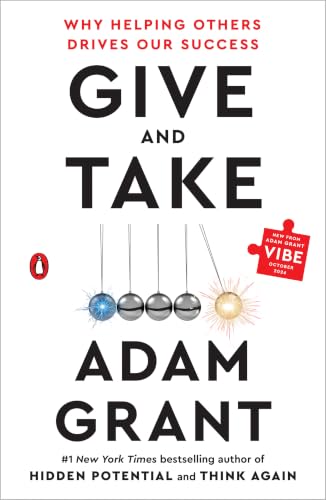
Overview: Give and Take: Why Helping Others Drives Our Success gives readers a clearer, more established way to explore reciprocity, relationships, and career growth. It is a stronger fit for this list because its main ideas connect directly to the practical questions readers bring to this topic.
Why it stands out: This recommendation adds a distinct framework instead of repeating a generic introduction. It helps readers move from recognizing the issue to understanding the patterns, choices, or skills involved in reciprocity, relationships, and career growth.
Strengths:
- Directly connected to reciprocity, relationships, and career growth
- Offers a clear framework readers can return to
- More focused than a general-purpose self-help choice
- Works well alongside the other recommendations on this list
Best for: Readers who want a practical, focused resource on reciprocity, relationships, and career growth.
Potential limitations: It works best as a focused resource for this topic, so readers may want to pair it with a broader foundational book.
View price, available formats, and reader reviews.
The Unspoken Rules: Secrets to Starting Your Career Off Right

Overview: This book is especially valuable for people early in their careers who need help understanding workplace expectations that are often left unsaid. Networking is part of that larger picture. The book helps readers navigate the social side of professional life, from how to show judgment to how to build trust with people who can influence their opportunities.
Why it stands out: Rather than treating networking as an isolated skill, it places relationship-building inside the larger challenge of starting a career well. That matters because early professional growth often depends as much on understanding the rules of the workplace as on knowing how to meet people. It is one of the best choices for readers who feel smart but underprepared for office culture.
Strengths:
- Explains workplace norms that shape career progress.
- Especially helpful for early-career professionals.
- Ties networking to reputation, judgment, and professional presence.
Best for: New graduates, first-job employees, and early-career professionals.
Potential limitations: Readers well into their careers may find the focus on getting started more basic than they need.
View price, available formats, and reader reviews.
The 2-Hour Job Search: Using Technology to Get the Right Job Faster

Overview: The 2-Hour Job Search: Using Technology to Get the Right Job Faster gives readers a clearer, more established way to explore relationship-based job searching and outreach. It is a stronger fit for this list because its main ideas connect directly to the practical questions readers bring to this topic.
Why it stands out: This recommendation adds a distinct framework instead of repeating a generic introduction. It helps readers move from recognizing the issue to understanding the patterns, choices, or skills involved in relationship-based job searching and outreach.
Strengths:
- Directly connected to relationship-based job searching and outreach
- Offers a clear framework readers can return to
- More focused than a general-purpose self-help choice
- Works well alongside the other recommendations on this list
Best for: Readers who want a practical, focused resource on relationship-based job searching and outreach.
Potential limitations: It works best as a focused resource for this topic, so readers may want to pair it with a broader foundational book.
View price, available formats, and reader reviews.
Networking: 42 Keys to Career Growth- Communication Skills, Building Relationships, Influence

Overview: This book organizes networking into a clear set of practical themes: communication skills, relationship-building, and influence. That structure makes it appealing to readers who want a more methodical overview of how networking supports career growth. Rather than treating the subject as a vague social skill, it breaks it into manageable pieces.
Why it stands out: For readers who like a direct, organized approach, the appeal is obvious. The book gives networking a visible framework, which can be especially useful if you want to identify the parts you already do well and the parts that need work. It occupies a useful middle ground between broad career advice and ultra-short tips.
Strengths:
- Clear structure makes the topic easier to study and revisit.
- Combines communication, relationships, and influence.
- Useful for readers who want a practical framework.
Best for: Readers who want a structured, topic-by-topic networking guide.
Potential limitations: The format is more segmented than narrative, so readers looking for a story-driven book may prefer a different option.
View price, available formats, and reader reviews.
Next Move, Best Move: Transitioning Into a Career You’ll Love

Overview: This book is best understood as a career transition guide with strong relevance for networking. When readers are changing direction, networking becomes less about collecting contacts and more about discovering opportunities, learning how industries work, and getting introduced to the right people. The book fits that stage well because it addresses the larger decision-making process behind a career move.
Why it stands out: Not every networking book is useful for someone considering a transition, but this one is. It helps readers think about career change in a way that naturally involves conversations, connections, and informed next steps. That makes it a smart addition for professionals whose networking goal is tied to a bigger move.
Strengths:
- Strong fit for career changers and transition planning.
- Looks at networking as part of a larger career decision.
- Useful for readers who need direction, not just tactics.
Best for: Professionals exploring a new field, role, or career path.
Potential limitations: Readers seeking a pure networking manual may find the broader career-change focus more expansive than expected.
View price, available formats, and reader reviews.
Career Cheat Codes: The Unspoken, Unconventional, and Unfiltered Rules of Career Success

Overview: This book looks at career success through the less obvious rules that shape advancement, which makes it a useful companion to more direct networking books. Readers who already know that relationships matter but want a sharper understanding of how careers actually progress will find value here. It connects networking to broader professional strategy, including the informal dynamics that often influence growth.
Why it stands out: Its value is in perspective. Instead of offering only event tips or conversation tricks, it places networking inside the wider reality of career movement. That helps readers understand why some professional connections lead somewhere while others do not. It is particularly useful for people who want a more candid view of career advancement.
Strengths:
- Broadens networking into overall career strategy.
- Useful for readers who want candid, practical career advice.
- Helps explain the informal side of professional growth.
Best for: Readers who want networking advice as part of a larger career-success playbook.
Potential limitations: The broader scope means it is not as narrowly focused on networking techniques as some other books here.
View price, available formats, and reader reviews.
Clock In: No-BS Advice for Getting Ahead in Your Career (Without Losing Your Mind)
Overview: This book approaches career progress from a practical, modern angle. While it is not a pure networking manual, it is useful for readers who want honest advice about getting ahead without adopting a polished but unrealistic career persona. Networking is part of that larger picture, especially for readers trying to make progress while staying grounded and sane.
Why it stands out: Among the books on this list, this one speaks most directly to readers who want career growth advice without corporate polish. That tone can be refreshing if you are tired of sanitized professional guidance. It works well as a complement to more formal networking books because it keeps the focus on real-world advancement.
Strengths:
- Practical and candid tone.
- Useful for readers who want career advice that feels grounded.
- Complements relationship-focused networking books with broader career guidance.
Best for: Professionals who want straightforward advice on career advancement and visibility.
Potential limitations: Readers looking for a strictly networking-centered book may prefer one of the more focused titles above.
View price, available formats, and reader reviews.
Who This List Is Best For
This list is best for professionals who want networking books with real career value, not vague motivational advice. It will be especially useful for:
- Beginners who need a clear introduction to networking and workplace expectations.
- Introverts who want networking guidance that feels realistic and low-pressure.
- Early-career professionals learning how relationships, reputation, and communication shape opportunity.
- Career changers who need networking as part of a larger transition.
- Readers who prefer practical books with concrete advice over abstract career theory.
Final Thoughts
If you want the most balanced starting point, begin with Never Eat Alone. If networking has always felt uncomfortable, Confident Introvert is the most targeted choice. For people just getting started in their careers, The Unspoken Rules offers especially useful context. And if you want something concise and easy to apply, The Little Book of Networking is a sensible pick.
The best choice depends on your situation. Some readers need a classic relationship-building framework. Others need help with confidence, workplace culture, or career transition. The right book is the one that matches the kind of networking challenge you actually face.
FAQ
Which book is best for beginners?
Never Eat Alone is the strongest general starting point because it explains networking as a long-term career habit rather than a single skill or event tactic.
Which book is best for introverts?
Confident Introvert is the most directly useful choice for readers who want networking advice that fits a quieter personality.
Which book is most practical for early-career professionals?
The Unspoken Rules is especially useful if you are still learning how professional settings work and want networking advice tied to broader career judgment.
Which book is best if I want a short, easy read?
The Little Book of Networking is the most concise and approachable option on the list.
Which book offers the best overall long-term value?
Never Eat Alone offers the strongest long-term value because it covers networking as an ongoing professional practice, not just a short-term tactic.
Can I use these books to improve both networking and career growth?
Yes. That is the point of this list. The best networking books for career growth help you build relationships, improve communication, and understand how professional opportunities actually develop.




