
The Immortal Life of Henrietta Lacks moves between a family trying to understand a mother’s medical legacy and a scientific world that treats her cells as extraordinary material. HeLa cells enabled discoveries that changed medicine, yet Henrietta’s family was not asked for permission and did not share the information or benefits. The book is compelling because it never lets scientific wonder erase the question of who was touched, excluded, or forgotten along the way. Readers comparing books like The Immortal Life of Henrietta Lacks will find that the most useful match depends on which part of the seed book created the strongest attachment: its voice, argument, setting, characters, problem, or promise of change.
The strongest books like The Immortal Life of Henrietta Lacks must connect a discovery to the people and institutions around it. Each selection shares at least two or three qualities: a medical or scientific breakthrough, unequal access to knowledge, questions of consent or ownership, race or class in research, and a narrative that turns abstract progress back into lived bodies and families.
A Scientific Breakthrough Still Has a Human Owner
Choose Medical Apartheid for the long history of racial exploitation, The Gene for heredity and scientific ambition, and The Emperor of All Maladies for cancer research. The Radium Girls follows workplace poisoning, The Ghost Map public-health investigation, The Spirit Catches You and You Fall Down cultural conflict in medicine, while The Code Breaker, Bad Blood, and The Immortal Life‘s closest ethical questions widen the shelf.
At-a-Glance Comparison
| Book | Best for | Major qualities shared with The Immortal Life of Henrietta Lacks |
|---|---|---|
| Medical Apartheid | Readers who want the long history of racial exploitation in American medicine | Black medical history, experimentation, lack of consent, institutional power, racism, scientific progress, and communities treated as research material |
| The Gene | Readers who want heredity, disease, and the history of genetic science | Biological discovery, family illness, scientific ambition, ethics, heredity, medical power, and the changing meaning of what can be known about a body |
| The Emperor of All Maladies | Readers who want a history of cancer research through patients and laboratories | Cancer, medical research, patient experience, scientific breakthroughs, failed treatments, advocacy, and the long struggle to understand disease |
| The Radium Girls | Readers who want workplace poisoning, women workers, and legal recognition | Industrial science, workplace exposure, corporate denial, women workers, public health, legal action, and bodies becoming evidence |
| The Ghost Map | Readers who want public-health investigation and the discovery of how disease spreads | Disease mapping, urban inequality, scientific observation, public institutions, community suffering, and evidence challenging official assumptions |
| The Spirit Catches You and You Fall Down | Readers who want medicine, culture, family trust, and misunderstanding | Medical authority, immigrant family experience, cultural conflict, consent, epilepsy, language barriers, and the limits of a single medical worldview |
| The Code Breaker | Readers who want CRISPR, genome editing, and the future of biology | Genetic research, scientific competition, medical possibility, patents, ethics, public recognition, and the question of who controls biological tools |
| Bad Blood | Readers who want medical technology, secrecy, and science turned into a business promise | Diagnostic technology, corporate secrecy, founder power, investor confidence, whistleblowers, patient risk, and institutional failure |
| The Family That Couldn’t Sleep | Readers who want a medical mystery about inheritance, disease, and scientific persistence | Inherited illness, family memory, medical investigation, scientific uncertainty, cultural history, and a rare disease changing what doctors think they know |
What Makes a Strong Henrietta Lacks Companion?
A book had to do more than mention medical ethics. It needed to show how scientific knowledge is collected, owned, explained, and distributed unevenly. The best matches include a person or community whose experience complicates the official story of progress, and they make room for both the value of the science and the damage caused by the way it was pursued.
The 9 Recommended Books
Medical Apartheid

Overview: Harriet A. Washington documents medical experimentation on Black Americans from slavery through modern institutions. Individual cases become evidence of a broader system in which racial ideology determined whose pain mattered and whose body could be used without meaningful permission.
Why it belongs on this list: The connection is strongest through black medical history, experimentation, lack of consent, institutional power, racism, scientific progress, and communities treated as research material. Medical Apartheid approaches the seed’s concerns from a different angle, adding its own evidence, examples, and limits instead of repeating a familiar list of advice. It is especially useful for readers who want the long history of racial exploitation in american medicine because it makes the underlying choice more visible: what to protect, what to question, and what may not be under personal control.
Reading experience: This is the essential historical companion because it explains the structures around the Lacks family’s experience. It is less centered on one family and more demanding in scope, but it makes the racial history of American medicine impossible to treat as an isolated mistake.
Best for: Readers who want the long history of racial exploitation in American medicine.
Keep in mind: Dense, documented, and historically expansive, with many cases and legal contexts.
What to notice: A strong reason to include Medical Apartheid is that black medical history, experimentation, lack of consent, institutional power, racism, scientific progress, and communities treated as research material are treated as lived conditions, not just slogans. The book is most rewarding when readers compare its account of readers who want the long history of racial exploitation in american medicine with their own circumstances. Some of its suggestions will be immediately usable; others are better read as questions that expose what a productivity or personal-growth promise leaves out.
View available editions and reader reviews.
The Gene

Overview: Siddhartha Mukherjee follows the idea of the gene from early heredity research through genomics. Scientific explanation is woven through family histories, laboratories, eugenics, and the question of what society does with knowledge about inheritance.
Why it belongs on this list: The connection is strongest through biological discovery, family illness, scientific ambition, ethics, heredity, medical power, and the changing meaning of what can be known about a body. The Gene approaches the seed’s concerns from a different angle, adding its own evidence, examples, and limits instead of repeating a familiar list of advice. It is especially useful for readers who want heredity, disease, and the history of genetic science because it makes the underlying choice more visible: what to protect, what to question, and what may not be under personal control.
Reading experience: Both books balance scientific wonder with ethical unease. The Gene is broader and more science-led, but it shares the seed’s insistence that a biological discovery is also a social event affecting families, identities, and institutions.
Best for: Readers who want heredity, disease, and the history of genetic science.
Keep in mind: Long, explanatory, and historically layered, with biology presented through stories and cultural consequences.
What to notice: The right reading pace for The Gene depends on what the reader needs from readers who want heredity, disease, and the history of genetic science. Its discussion of biological discovery, family illness, scientific ambition, ethics, heredity, medical power, and the changing meaning of what can be known about a body is clear enough to revisit, but it also benefits from pausing over examples and disagreements. Give the author room to make a case before deciding whether the ideas fit your work, health, relationships, and available freedom.
View available editions and reader reviews.
The Emperor of All Maladies
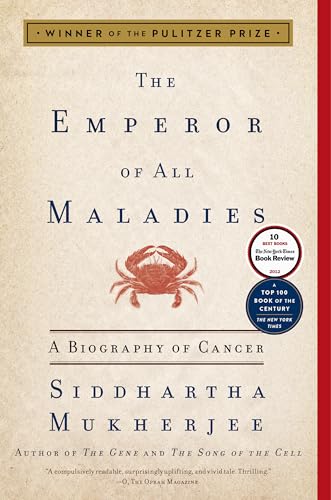
Overview: Mukherjee traces cancer from early surgery and chemotherapy through modern research while following patients, physicians, and laboratories. The disease becomes both a biological problem and a history of institutions deciding which treatments are acceptable.
Why it belongs on this list: The connection is strongest through cancer, medical research, patient experience, scientific breakthroughs, failed treatments, advocacy, and the long struggle to understand disease. The Emperor of All Maladies approaches the seed’s concerns from a different angle, adding its own evidence, examples, and limits instead of repeating a familiar list of advice. It is especially useful for readers who want a history of cancer research through patients and laboratories because it makes the underlying choice more visible: what to protect, what to question, and what may not be under personal control.
Reading experience: The connection lies in the way the scientific story remains accountable to bodies and families. Like Skloot, Mukherjee writes about cells, treatments, and discoveries without allowing the people who endured disease to disappear behind the terminology.
Best for: Readers who want a history of cancer research through patients and laboratories.
Keep in mind: Ambitious and compassionate, with scientific history carried by individual cases and changing medical ideas.
What to notice: A strong reason to include The Emperor of All Maladies is that cancer, medical research, patient experience, scientific breakthroughs, failed treatments, advocacy, and the long struggle to understand disease are treated as lived conditions, not just slogans. The book is most rewarding when readers compare its account of readers who want a history of cancer research through patients and laboratories with their own circumstances. Some of its suggestions will be immediately usable; others are better read as questions that expose what a productivity or personal-growth promise leaves out.
View available editions and reader reviews.
The Radium Girls

Overview: Kate Moore follows young dial painters exposed to radium and the long campaign to make their illnesses legible to employers, courts, doctors, and the public. Their work was celebrated until the same substance began destroying their bodies.
Why it belongs on this list: The connection is strongest through industrial science, workplace exposure, corporate denial, women workers, public health, legal action, and bodies becoming evidence. The Radium Girls approaches the seed’s concerns from a different angle, adding its own evidence, examples, and limits instead of repeating a familiar list of advice. It is especially useful for readers who want workplace poisoning, women workers, and legal recognition because it makes the underlying choice more visible: what to protect, what to question, and what may not be under personal control.
Reading experience: The shared ethical tension is direct: a scientific material is useful and dangerous at the same time, while a company has every reason to emphasize the first fact and deny the second.
Best for: Readers who want workplace poisoning, women workers, and legal recognition.
Keep in mind: Emotionally direct and narrative-driven, balancing personal stories with legal and scientific context.
What to notice: Read The Radium Girls as a companion rather than a replacement. Its treatment of industrial science, workplace exposure, corporate denial, women workers, public health, legal action, and bodies becoming evidence will feel familiar at first, but its evidence, vocabulary, and assumptions lead somewhere different. The contrast is valuable: it shows what the seed explains especially well and what this recommendation adds about context, trade-offs, relationships, or the cost of turning a good idea into a private obligation.
View available editions and reader reviews.
The Ghost Map

Overview: Steven Johnson reconstructs the 1854 London cholera outbreak and the investigation by John Snow and local curate Henry Whitehead. Maps, testimony, water systems, and neighborhood knowledge challenge the belief that disease is carried by bad air.
Why it belongs on this list: The connection is strongest through disease mapping, urban inequality, scientific observation, public institutions, community suffering, and evidence challenging official assumptions. The Ghost Map approaches the seed’s concerns from a different angle, adding its own evidence, examples, and limits instead of repeating a familiar list of advice. It is especially useful for readers who want public-health investigation and the discovery of how disease spreads because it makes the underlying choice more visible: what to protect, what to question, and what may not be under personal control.
Reading experience: Like the seed book, it shows how a scientific breakthrough depends on people whose experience is initially treated as noise. The focus is public health rather than consent, but the narrative still makes evidence social, local, and contested.
Best for: Readers who want public-health investigation and the discovery of how disease spreads.
Keep in mind: Compact, accessible, and mystery-shaped, with a strong sense of place and an argument that emerges from investigation.
What to notice: The right reading pace for The Ghost Map depends on what the reader needs from readers who want public-health investigation and the discovery of how disease spreads. Its discussion of disease mapping, urban inequality, scientific observation, public institutions, community suffering, and evidence challenging official assumptions is clear enough to revisit, but it also benefits from pausing over examples and disagreements. Give the author room to make a case before deciding whether the ideas fit your work, health, relationships, and available freedom.
View available editions and reader reviews.
The Spirit Catches You and You Fall Down
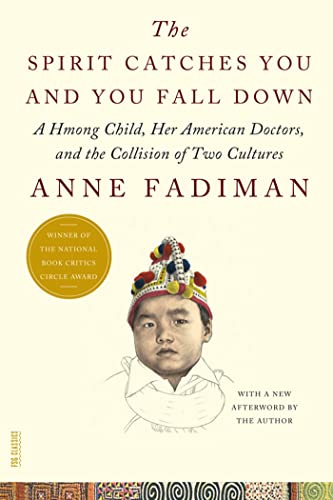
Overview: Anne Fadiman follows Lia Lee, a Hmong child with severe epilepsy, and the conflict between her family and the American medical system. The tragedy grows through language, belief, bureaucracy, and the inability of both sides to recognize what the other considers care.
Why it belongs on this list: The connection is strongest through medical authority, immigrant family experience, cultural conflict, consent, epilepsy, language barriers, and the limits of a single medical worldview. The Spirit Catches You and You Fall Down approaches the seed’s concerns from a different angle, adding its own evidence, examples, and limits instead of repeating a familiar list of advice. It is especially useful for readers who want medicine, culture, family trust, and misunderstanding because it makes the underlying choice more visible: what to protect, what to question, and what may not be under personal control.
Reading experience: The connection is the question of who gets to define a patient’s body and story. It is less about scientific ownership than about institutional authority, but it shares the seed’s insistence that medical facts never exist outside family, race, and power.
Best for: Readers who want medicine, culture, family trust, and misunderstanding.
Keep in mind: Detailed, compassionate, and ethically complex, with alternating attention to family and clinicians.
What to notice: The most useful thing to watch in The Spirit Catches You and You Fall Down is how medical authority, immigrant family experience, cultural conflict, consent, epilepsy, language barriers, and the limits of a single medical worldview moves from an attractive idea into a question about ordinary decisions. The book earns its place beside the seed because it gives readers who want medicine, culture, family trust, and misunderstanding a different emotional and intellectual texture. Notice which examples carry the argument, where the author admits a limit, and which ideas remain useful after the initial enthusiasm fades.
View available editions and reader reviews.
The Code Breaker
Overview: Walter Isaacson profiles Jennifer Doudna and the development of CRISPR gene editing, moving between laboratories, rival researchers, Nobel recognition, and debates over editing embryos and treating disease.
Why it belongs on this list: The connection is strongest through genetic research, scientific competition, medical possibility, patents, ethics, public recognition, and the question of who controls biological tools. The Code Breaker approaches the seed’s concerns from a different angle, adding its own evidence, examples, and limits instead of repeating a familiar list of advice. It is especially useful for readers who want crispr, genome editing, and the future of biology because it makes the underlying choice more visible: what to protect, what to question, and what may not be under personal control.
Reading experience: The book offers the forward-looking counterpart to Henrietta’s history. It shows how a discovery can travel through institutions, patents, companies, and public narratives, and it asks whether a technical ability should become a permitted intervention simply because it is possible.
Best for: Readers who want CRISPR, genome editing, and the future of biology.
Keep in mind: Fast-moving and profile-driven, with accessible explanations of molecular biology and scientific rivalry.
What to notice: Read The Code Breaker as a companion rather than a replacement. Its treatment of genetic research, scientific competition, medical possibility, patents, ethics, public recognition, and the question of who controls biological tools will feel familiar at first, but its evidence, vocabulary, and assumptions lead somewhere different. The contrast is valuable: it shows what the seed explains especially well and what this recommendation adds about context, trade-offs, relationships, or the cost of turning a good idea into a private obligation.
View available editions and reader reviews.
Bad Blood
Overview: John Carreyrou reconstructs the rise and collapse of Theranos, a company that claimed it could run many blood tests from a tiny sample. Employees, doctors, patients, and investors are drawn into a story whose secrecy protects the promise until evidence breaks through.
Why it belongs on this list: The connection is strongest through diagnostic technology, corporate secrecy, founder power, investor confidence, whistleblowers, patient risk, and institutional failure. Bad Blood approaches the seed’s concerns from a different angle, adding its own evidence, examples, and limits instead of repeating a familiar list of advice. It is especially useful for readers who want medical technology, secrecy, and science turned into a business promise because it makes the underlying choice more visible: what to protect, what to question, and what may not be under personal control.
Reading experience: The book shares the seed’s most important structure: a medical claim becomes a social reality before it becomes a verified fact. The difference is deliberate fraud and startup culture rather than a family learning about an unconsented discovery.
Best for: Readers who want medical technology, secrecy, and science turned into a business promise.
Keep in mind: Propulsive, investigative, and easy to follow, with documents and interviews driving the reveal.
What to notice: Readers may arrive at Bad Blood because of diagnostic technology, corporate secrecy, founder power, investor confidence, whistleblowers, patient risk, and institutional failure, yet its lasting value lies in the complications attached to that promise. The book asks what happens when a desirable change meets fatigue, unequal resources, competing duties, or an imperfect environment. That makes it a genuine next read: related enough to satisfy the original interest, but independent enough to widen it.
View available editions and reader reviews.
The Family That Couldn’t Sleep

Overview: D. T. Max traces fatal familial insomnia, a rare inherited condition that destroys sleep, while following the families and researchers trying to understand it. The investigation moves across generations, countries, and competing medical explanations.
Why it belongs on this list: The connection is strongest through inherited illness, family memory, medical investigation, scientific uncertainty, cultural history, and a rare disease changing what doctors think they know. The Family That Couldn’t Sleep approaches the seed’s concerns from a different angle, adding its own evidence, examples, and limits instead of repeating a familiar list of advice. It is especially useful for readers who want a medical mystery about inheritance, disease, and scientific persistence because it makes the underlying choice more visible: what to protect, what to question, and what may not be under personal control.
Reading experience: Its strongest link to the seed is the way a scientific mystery belongs to real families before it belongs to a laboratory. Knowledge offers hope, but it also changes how people understand inheritance, responsibility, and the future of their children.
Best for: Readers who want a medical mystery about inheritance, disease, and scientific persistence.
Keep in mind: Investigative and atmospheric, with a medical mystery structure and a strong family-history thread.
What to notice: The most useful thing to watch in The Family That Couldn’t Sleep is how inherited illness, family memory, medical investigation, scientific uncertainty, cultural history, and a rare disease changing what doctors think they know moves from an attractive idea into a question about ordinary decisions. The book earns its place beside the seed because it gives readers who want a medical mystery about inheritance, disease, and scientific persistence a different emotional and intellectual texture. Notice which examples carry the argument, where the author admits a limit, and which ideas remain useful after the initial enthusiasm fades.
View available editions and reader reviews.
Choose by Consent, Race, Disease, or Discovery
Start with Medical Apartheid when the history of racial exploitation is the priority. Choose The Gene or The Code Breaker for the story of biological discovery and the ethical choices arriving with new tools. The Radium Girls focuses on workplace harm; The Ghost Map on public-health evidence; The Emperor of All Maladies on cancer; and The Spirit Catches You on the collision between medical systems and family belief. Bad Blood is the route into science marketed as a product.
Who This List Is Best For
This list is for readers of narrative medicine, science history, bioethics, investigative reporting, and social history. Cancer, racism, death, medical abuse, reproductive control, workplace poisoning, and family grief appear. Some books are intimate family narratives; others are broad histories. The notes explain the difference so readers can choose the level of science and history they want.
FAQ
What is the closest book to The Immortal Life of Henrietta Lacks?
Medical Apartheid is the closest historical companion because it examines racial exploitation in American medicine and research. The Gene is closer in scientific history, while The Radium Girls shares the focus on bodies becoming evidence in a fight for accountability.
Which recommendation focuses most on consent?
The Code Breaker, Medical Apartheid, and The Spirit Catches You and You Fall Down all examine consent and trust from different angles. The Immortal Life remains the most intimate account of a family learning that a medical discovery was built from a relative’s cells.
Which book is easiest for a science-fiction or general reader?
The Ghost Map and The Radium Girls have strong narrative momentum and accessible science. The Immortal Life is also a natural entry point because the family story gives the medical history an emotional center.
Are these books about unethical experiments?
Some are, especially Medical Apartheid and parts of The Code Breaker. Others examine workplace exposure, pharmaceutical fraud, public-health decisions, or cultural conflict. Together they show that harm can result from deliberate abuse, neglect, unequal systems, or failures of communication.
Which recommendation is best for cancer history?
The Emperor of All Maladies is the most comprehensive cancer history. The Gene offers a broader history of heredity and disease, while The Immortal Life shows how a cell line contributed to cancer research without reducing Henrietta’s life to a scientific resource.
The Cells Can Travel Farther Than the Story of the Person They Came From
The Immortal Life of Henrietta Lacks asks readers to hold two truths together: the scientific value of HeLa cells is immense, and the conditions that made their collection possible were unjust. The companion books make that same demand. They invite admiration for discovery without allowing admiration to become an excuse for silence about consent, ownership, race, labor, or the families who live with the consequences.