
If you are trying to improve memory, the right book depends on what you want to remember and how you prefer to learn. Some readers need a practical system for names, lists, and study material. Others want lighter, puzzle-based practice that keeps memory skills active without feeling like homework. A few are looking for books that help preserve personal or family memories in a more tangible way. The best books for memory do not all solve the same problem, which is why a carefully chosen list is more useful than a long one.
Quick Answer
If you want the clearest entry point into memory, start with The Memory Book: The Classic Guide to Improving Your Memory at Work, at School, and at Play. It gives you a useful foundation in attention, encoding, retrieval, association, and the difference between exercising memory and merely completing puzzles. Choose Unlimited Memory: How to Use Advanced Learning Strategies to Learn Faster, Remember More and be More Productive when you want a more applied or contrasting approach, and use Make It Stick: The Science of Successful Learning when you want to extend the idea into a different context.
This list is designed for students, professionals, older adults, and lifelong learners. The recommendations are intentionally varied: some explain the underlying research, some offer exercises, and some are strongest as narrative or leadership case studies. That variety makes it easier to choose a book that matches your current question rather than buying the longest list.
Comparison Table
| Book | Best For | Why It Stands Out |
|---|---|---|
| The Memory Book: The Classic Guide to Improving Your Memory at Work, at School, and at Play | Beginners, students, and adults who want a classic, no-nonsense memory guide. | Among books for memory, this is the one most likely to help a broad audience get immediate value. It does not assume that you need an academic background or a complicated system. Instead, it presents memory methods in a way that is easy… |
| Unlimited Memory: How to Use Advanced Learning Strategies to Learn Faster, Remember More and be More Productive | Self-directed learners, professionals, and students who want memory strategies tied to performance. | This book earns its place because it frames memory as a tool for learning better, not just storing more information. That makes it especially relevant for adults who feel that memory problems show up when they are overwhelmed,… |
| Make It Stick: The Science of Successful Learning | Readers who want notes to lead to better recall, exams, or real-world performance. | It is a strong fit for note-taking because it helps readers decide which notes deserve review and how to turn them into durable understanding rather than a larger archive. |
| Brain Games – Memories Word Search: Puzzles About Things From the Past | Puzzle fans who want an easy memory-related activity book. | Compared with broader memory books, this one has a narrower but very readable purpose. It is a good choice for someone who wants a pleasant mental workout without committing to a full instructional program. Because the puzzles are built… |
| Memories, Dreams, Reflections | Readers who want a thoughtful, book-length reflection on memory and personal history. | This is the most contemplative recommendation on the list. It is not meant to teach mnemonic techniques or supply exercises. Instead, it gives readers a serious, human perspective on what memory means over a lifetime. That makes it… |
| Moonwalking with Einstein: The Art and Science of Remembering Everything | Readers who want memorable techniques and a motivating explanation of how memory can be trained. | It gives a memory list a practical bridge between neuroscience and everyday practice: readers see why imagery, structure, and deliberate rehearsal matter. |
How We Chose These Recommendations
This list focuses on books and book-like formats that genuinely serve different memory-related goals. Some readers want to train recall, some want to study more effectively, and some want a simple way to preserve meaningful moments. The selections here balance practicality, long-term usefulness, and reader fit rather than chasing whatever is most visible in search results. When a book is included, it is because it offers a distinct and defensible benefit for someone searching for the best books for memory.
Recommended Books
The Memory Book: The Classic Guide to Improving Your Memory at Work, at School, and at Play

Overview: The Memory Book is one of the clearest introductions to practical memory training. It focuses on techniques that help you remember names, facts, lists, and everyday information, making it especially useful for readers who want something actionable rather than theoretical. The book’s strength is its straightforward approach to memory improvement in real situations, from school to professional life.
Why it stands out: Among books for memory, this is the one most likely to help a broad audience get immediate value. It does not assume that you need an academic background or a complicated system. Instead, it presents memory methods in a way that is easy to apply and easy to return to later. That makes it a natural first choice for readers who want a dependable foundation.
Strengths:
- Practical techniques for daily remembering
- Approachable style for beginners
- Useful across school, work, and personal life
Best for: Beginners, students, and adults who want a classic, no-nonsense memory guide.
Potential limitations: Readers looking for a highly modern or research-heavy treatment may want something more specialized.
View price, available formats, and reader reviews.
Unlimited Memory: How to Use Advanced Learning Strategies to Learn Faster, Remember More and be More Productive
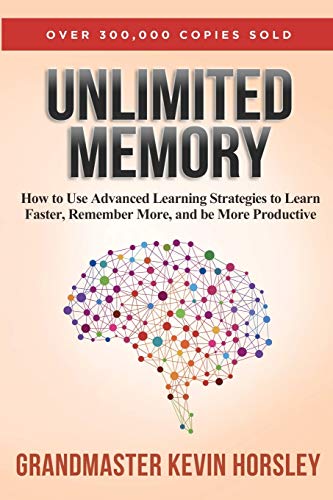
Overview: Unlimited Memory takes a more productivity-oriented approach to remembering information. Rather than treating memory as a narrow skill, it connects recall with learning speed, study habits, and day-to-day performance. That gives the book broad appeal for readers who want memory strategies that support work, school, and self-improvement at the same time.
Why it stands out: This book earns its place because it frames memory as a tool for learning better, not just storing more information. That makes it especially relevant for adults who feel that memory problems show up when they are overwhelmed, multitasking, or trying to absorb too much at once. It is a good fit for readers who want a more modern, efficiency-minded companion to a classic memory guide.
Strengths:
- Connects memory techniques with productivity
- Useful for learners who want practical application
- Balances memory improvement with study habits
Best for: Self-directed learners, professionals, and students who want memory strategies tied to performance.
Potential limitations: Readers who prefer a slower, more traditional introduction may find the framing more performance-driven than expected.
View price, available formats, and reader reviews.
Make It Stick: The Science of Successful Learning

Overview: Peter C. Brown, Henry Roediger, and Mark McDaniel explain why rereading feels productive but often produces weak long-term memory. The book turns research on retrieval, spacing, and varied practice into a practical approach to learning.
Why it stands out: It is a strong fit for note-taking because it helps readers decide which notes deserve review and how to turn them into durable understanding rather than a larger archive.
Strengths:
- Grounded in learning science
- Useful for students and working professionals
- Connects note-taking with review and application
Best for: Readers who want notes to lead to better recall, exams, or real-world performance.
Potential limitations: It focuses more on learning and retention than on a specific note-taking app or format.
View price, available formats, and reader reviews.
Brain Games – Memories Word Search: Puzzles About Things From the Past

Overview: Brain Games – Memories Word Search uses themed word searches centered on the past, which gives it a nostalgic angle that many puzzle readers will appreciate. It is less about formal memory improvement and more about keeping attention, recognition, and recall engaged in an easygoing way. The subject matter makes it especially appealing to readers who enjoy memory-themed entertainment.
Why it stands out: Compared with broader memory books, this one has a narrower but very readable purpose. It is a good choice for someone who wants a pleasant mental workout without committing to a full instructional program. Because the puzzles are built around memories and the past, it also has a little more emotional warmth than a standard puzzle book.
Strengths:
- Themed around memory and nostalgia
- Light, low-pressure puzzle format
- Good for short, relaxing sessions
Best for: Puzzle fans who want an easy memory-related activity book.
Potential limitations: Readers looking for structured memory training will need a more instructional title.
View price, available formats, and reader reviews.
Memories, Dreams, Reflections

Overview: Memories, Dreams, Reflections approaches memory from a reflective and autobiographical angle rather than as a training subject. For readers interested in how memory shapes identity, this book offers a thoughtful, intimate look at a life told through recollection. It is less instructional than the other books here, but it belongs on a memory list because it deepens the topic in a literary way.
Why it stands out: This is the most contemplative recommendation on the list. It is not meant to teach mnemonic techniques or supply exercises. Instead, it gives readers a serious, human perspective on what memory means over a lifetime. That makes it especially valuable for readers who want more than self-help or puzzles and are interested in memory as a subject of thought and experience.
Strengths:
- Reflective, literary treatment of memory
- Interesting for readers who enjoy memoir and ideas
- Expands the topic beyond technique alone
Best for: Readers who want a thoughtful, book-length reflection on memory and personal history.
Potential limitations: It is not a how-to book, and readers seeking practical memory improvement should start elsewhere.
View price, available formats, and reader reviews.
Moonwalking with Einstein: The Art and Science of Remembering Everything

Overview: Joshua Foer reports on memory athletes and explores mnemonic systems, attention, and the ways expertise changes recall. The narrative makes memory techniques memorable while also showing the effort behind apparently effortless performance.
Why it stands out: It gives a memory list a practical bridge between neuroscience and everyday practice: readers see why imagery, structure, and deliberate rehearsal matter.
Strengths:
- Engaging narrative about memory
- Explains mnemonic techniques
- Encourages deliberate practice
Best for: Readers who want memorable techniques and a motivating explanation of how memory can be trained.
Potential limitations: The techniques require practice and do not guarantee perfect recall of complex material.
View price, available formats, and reader reviews.
Who This List Is Best For
These recommendations are a good fit for students, professionals, older adults, and lifelong learners. They are especially useful if you want to understand memory with more nuance than a short checklist, quote, or social-media summary can provide.
- Readers who want a clear conceptual foundation before choosing a technique.
- People who prefer to compare research, practical exercises, and real-world examples.
- Professionals, students, or caregivers who need language they can apply in a real conversation or decision.
Use the Best For and Why It Stands Out columns together. A book can be excellent yet still be the wrong starting point if its depth, tone, or intended reader does not match your goal.
Final Thoughts
The strongest choice for memory depends on what you need to do next. Begin with The Memory Book: The Classic Guide to Improving Your Memory at Work, at School, and at Play if you need a foundation, move to Unlimited Memory: How to Use Advanced Learning Strategies to Learn Faster, Remember More and be More Productive if you need a practical change, and consider Make It Stick: The Science of Successful Learning if you need a broader or more challenging perspective. The comparison table is meant to shorten that decision, not pretend that one book works for every reader.
A useful reading plan is simple: select one book, write down the question you want it to answer, and apply one idea before moving to another recommendation. For this topic, use one technique with real material you need to remember, then review it after increasing intervals. memory changes can have medical causes; educational exercises should not delay appropriate evaluation. Books can support reflection and skills practice, but they are not a substitute for qualified professional care when symptoms are severe, persistent, or unsafe.
FAQ
Which book should I read first for memory?
Start with The Memory Book: The Classic Guide to Improving Your Memory at Work, at School, and at Play if you want the clearest foundation. If your immediate need is action rather than background, compare it with Unlimited Memory: How to Use Advanced Learning Strategies to Learn Faster, Remember More and be More Productive and choose the one whose exercises, examples, or audience match your situation.
How do I choose between a research-based book and a workbook?
Choose the research-oriented option when you need context and a better mental model. Choose the workbook or practical guide when you already understand the problem and need repetition, prompts, or a structured plan. The table’s Best For column is the fastest way to make that distinction.
What is a practical way to use books about memory?
Do not read the whole list at once. Pick one recommendation, define the behavior or decision you want to improve, and test a small idea from the book for seven days. For this topic, use one technique with real material you need to remember, then review it after increasing intervals.
Are these recommendations suitable for self-study?
Yes, for education and structured reflection. Take notes in your own words, mark claims you want to verify, and discuss difficult ideas with a trusted person or qualified professional when appropriate. Books can support reflection and skills practice, but they are not a substitute for qualified professional care when symptoms are severe, persistent, or unsafe.
Do I need to read every book on the list?
No. One well-matched book that changes what you notice or do is more valuable than collecting several recommendations without applying any of them.