
Finding better emotional balance usually starts with a practical question: do you need help understanding your own reactions, calming anxiety and overwhelm, managing anger, or supporting a child through big feelings? The best books on this topic do not all do the same job. Some focus on daily self-regulation, others on specific challenges like ADHD, postpartum adjustment, or impulsive anger, and a few are built for children who need clear, visual guidance. A good list should help you match the book to the problem, not just the phrase.
That is why the strongest recommendations here are intentionally mixed. Some are clinician-informed and skills-based. Others are more personal and reflective. A few are designed for parents and caregivers rather than adults reading for themselves. Together, they cover the most useful ways readers search for the best books for emotional balance.
Quick Answer
If you want the clearest entry point into emotional balance, start with Dopamine Nation: Finding Balance in the Age of Indulgence. It gives you a useful foundation in naming emotions, accepting internal experience, self-compassion, and choosing behavior that reflects values. Choose Calming the Emotional Storm: Using Dialectical Behavior Therapy Skills to Manage Your Emotions and Balance Your Life when you want a more applied or contrasting approach, and use Permission to Feel when you want to extend the idea into a different context.
This list is designed for readers who want better emotional awareness, regulation, and recovery. The recommendations are intentionally varied: some explain the underlying research, some offer exercises, and some are strongest as narrative or leadership case studies. That variety makes it easier to choose a book that matches your current question rather than buying the longest list.
Comparison Table
| Book | Best For | Why It Stands Out |
|---|---|---|
| Dopamine Nation: Finding Balance in the Age of Indulgence | Adults who want a wider, behavior-based understanding of emotional balance and self-control. | Among books on emotional balance, this one is especially useful for readers who suspect their problem is not just stress, but a pattern of overdoing comfort, stimulation, or distraction. It is broader than a simple habit book and more… |
| Calming the Emotional Storm: Using Dialectical Behavior Therapy Skills to Manage Your Emotions and Balance Your Life | Adults who want direct techniques for regulating intense emotions and improving day-to-day stability. | This is one of the clearest choices for readers who want an action-oriented book instead of a reflective one. DBT has a strong reputation for helping with emotional reactivity, and this book brings that approach into a readable self-help… |
| Permission to Feel | Readers who want a structured way to name emotions before deciding how to respond. | It is a more defensible recommendation for emotional balance than a children’s behavior chart because it explains the skills adults can practice and teach. |
| The Fourth Trimester: A Postpartum Guide to Healing Your Body, Balancing Your Emotions, and Restoring Your Vitality | Postpartum readers who want a focused, compassionate guide to recovery and emotional steadiness. | Few emotional balance books are truly specific to postpartum life. That specificity is its strength. New parents often need reassurance, but they also need context for why they feel depleted, unsettled, or unlike themselves. This book is… |
| Overcoming Emotions that Destroy: Practical Help for Those Angry Feelings That Ruin Relationships | Adults who want focused help with anger that affects communication, family life, or close relationships. | A lot of emotional balance books stay general. This one does not. It belongs here because many readers are not looking for broad self-regulation theory. They want help with one specific emotion that keeps causing problems. That narrow… |
| Emotional Intelligence | Readers who want a broad introduction to the skills behind emotional maturity. | It gives the emotional-maturity list a foundational, widely applicable framework instead of a children’s story. |
| The Gifts of Imperfection | Readers who are emotionally overextended by self-criticism or the pressure to appear fine. | It adds the self-acceptance dimension that emotional-balance readers often need when regulation advice turns into another standard they feel they must perform perfectly. |
| Emotional Agility | Readers who understand their patterns but need help responding differently in real situations. | It gives readers a usable decision process for moving from an intense feeling to a values-aligned action. |
| Self-Compassion | Readers who want to reduce shame and recover more steadily after mistakes or setbacks. | It is especially useful when emotional imbalance is maintained by an inner critic that turns ordinary mistakes into evidence of personal failure. |
| Atlas of the Heart | Readers who often feel overwhelmed, numb, or unable to explain what is happening internally. | It strengthens emotional balance through emotional granularity: the goal is not to eliminate feelings, but to describe them accurately enough to choose a better response. |
How We Chose These Recommendations
Books on emotional balance can take very different paths, so the selection here favors usefulness over sameness. The strongest choices are the ones that either teach a clear method, address a specific life stage, or help readers identify and manage emotions in a concrete way. That means you will find a mix of adult self-help, clinically grounded skills books, and child-focused tools, but not a pile of near-duplicates.
Priority went to books with enduring reader value: titles that offer practical guidance, a distinct perspective, and a clear reason to exist on the same list. Books that only repeat a broad idea were left out. The result is a curated set that supports different kinds of emotional balance, whether the need is self-understanding, daily regulation, parenting support, or helping a child learn how feelings work.
Recommended Books
Dopamine Nation: Finding Balance in the Age of Indulgence

Overview: This book looks at emotional balance through the lens of reward, desire, and self-restraint. It examines how modern life encourages overconsumption, then explains why that pattern can leave people feeling emotionally scattered, restless, or out of control. The result is a thoughtful, accessible look at why moderation is harder than it sounds.
Why it stands out: Among books on emotional balance, this one is especially useful for readers who suspect their problem is not just stress, but a pattern of overdoing comfort, stimulation, or distraction. It is broader than a simple habit book and more psychologically pointed than a generic wellness title. That makes it a strong fit for adults who want to understand the emotional side of overindulgence rather than just the behavioral side.
Strengths:
- Connects emotional regulation to reward-seeking behavior in a clear way
- Useful for readers who feel pulled toward excess, avoidance, or compulsive habits
- Offers a memorable framework without becoming purely academic
Best for: Adults who want a wider, behavior-based understanding of emotional balance and self-control.
Potential limitations: Readers looking for step-by-step coping exercises may want a more skills-focused companion book.
View price, available formats, and reader reviews.
Calming the Emotional Storm: Using Dialectical Behavior Therapy Skills to Manage Your Emotions and Balance Your Life

Overview: This is a practical guide to managing intense emotions through DBT skills. It focuses on tools readers can use when feelings become overwhelming, reactive, or difficult to steady. Rather than offering broad encouragement, it breaks emotional regulation into usable techniques that can be practiced and repeated.
Why it stands out: This is one of the clearest choices for readers who want an action-oriented book instead of a reflective one. DBT has a strong reputation for helping with emotional reactivity, and this book brings that approach into a readable self-help format. It earns its place because it gives structure to a problem that often feels vague and personal.
Strengths:
- Skill-focused and practical from the start
- Helpful for people who want concrete tools, not just reassurance
- Well suited to readers who respond to structure and repeatable methods
Best for: Adults who want direct techniques for regulating intense emotions and improving day-to-day stability.
Potential limitations: The DBT framework can feel more clinical than some readers want, especially if they prefer a lighter personal-development style.
View price, available formats, and reader reviews.
Permission to Feel
Overview: Marc Brackett presents a practical framework for recognizing, labeling, expressing, and regulating emotions. The book links emotional vocabulary with better decisions, relationships, and learning rather than treating feelings as distractions to suppress.
Why it stands out: It is a more defensible recommendation for emotional balance than a children’s behavior chart because it explains the skills adults can practice and teach.
Strengths:
- Clear emotional-intelligence framework
- Useful language for difficult feelings
- Applies at home, school, and work
Best for: Readers who want a structured way to name emotions before deciding how to respond.
Potential limitations: The framework is educational and practical, not a substitute for therapy or crisis support.
View price, available formats, and reader reviews.
The Fourth Trimester: A Postpartum Guide to Healing Your Body, Balancing Your Emotions, and Restoring Your Vitality

Overview: This postpartum guide treats emotional balance as part of a larger recovery period after childbirth. It covers healing, emotional adjustment, and the physical demands of early motherhood in one place, which makes it more realistic than books that focus only on feelings or only on recovery.
Why it stands out: Few emotional balance books are truly specific to postpartum life. That specificity is its strength. New parents often need reassurance, but they also need context for why they feel depleted, unsettled, or unlike themselves. This book is valuable because it meets that stage of life directly rather than speaking in general terms.
Strengths:
- Addresses both emotional and physical recovery
- Relevant to a very specific, often under-supported life stage
- Grounded in the practical realities of postpartum adjustment
Best for: Postpartum readers who want a focused, compassionate guide to recovery and emotional steadiness.
Potential limitations: It is narrowly tailored to the postpartum period, so it is not a general emotional regulation book.
View price, available formats, and reader reviews.
Overcoming Emotions that Destroy: Practical Help for Those Angry Feelings That Ruin Relationships

Overview: This book zeroes in on anger, especially the kind that damages relationships and leaves people regretting what they said or did. Rather than treating anger as a vague mood, it examines the patterns that make anger destructive and offers practical help for interrupting them.
Why it stands out: A lot of emotional balance books stay general. This one does not. It belongs here because many readers are not looking for broad self-regulation theory. They want help with one specific emotion that keeps causing problems. That narrow focus gives the book real value for readers who know anger is the issue.
Strengths:
- Targeted at anger rather than general stress management
- Useful for readers dealing with relationship strain
- Practical tone makes the subject more approachable
Best for: Adults who want focused help with anger that affects communication, family life, or close relationships.
Potential limitations: Readers seeking broader emotional wellness strategies may want something less specialized.
View price, available formats, and reader reviews.
Emotional Intelligence
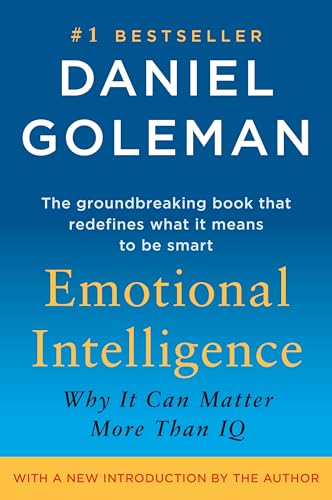
Overview: Daniel Goleman explains how self-awareness, self-regulation, empathy, and social skill affect judgment and relationships.
Why it stands out: It gives the emotional-maturity list a foundational, widely applicable framework instead of a children’s story.
Strengths:
- Foundational model of emotional intelligence
- Connects emotion with performance
- Useful across work and personal life
Best for: Readers who want a broad introduction to the skills behind emotional maturity.
Potential limitations: Some examples reflect the period in which it was written and should be read alongside newer research.
View price, available formats, and reader reviews.
The Gifts of Imperfection

Overview: Brené Brown explores how perfectionism, shame, and fear of judgment can narrow a person’s emotional life. Its wholeheartedness framework encourages readers to replace performance-based self-worth with clearer values and more honest self-compassion.
Why it stands out: It adds the self-acceptance dimension that emotional-balance readers often need when regulation advice turns into another standard they feel they must perform perfectly.
Strengths:
- Accessible discussion of shame and perfectionism
- Reflective exercises and language
- Strong fit for self-compassion work
Best for: Readers who are emotionally overextended by self-criticism or the pressure to appear fine.
Potential limitations: The tone is reflective and values-driven rather than clinical or diagnostic.
View price, available formats, and reader reviews.
Emotional Agility

Overview: Susan David explains how to notice difficult thoughts and feelings without becoming controlled by them. The book emphasizes values, flexible responses, and small behavior changes instead of emotional suppression or forced positivity.
Why it stands out: It gives readers a usable decision process for moving from an intense feeling to a values-aligned action.
Strengths:
- Practical approach to difficult emotions
- Balances acceptance with action
- Useful in work and relationships
Best for: Readers who understand their patterns but need help responding differently in real situations.
Potential limitations: It offers a self-help framework and should not be used to self-diagnose serious mental-health conditions.
View price, available formats, and reader reviews.
Self-Compassion

Overview: Kristin Neff explains self-kindness, common humanity, and mindful awareness as alternatives to harsh self-judgment. The book shows how compassion can support accountability and resilience without excusing harmful behavior.
Why it stands out: It is especially useful when emotional imbalance is maintained by an inner critic that turns ordinary mistakes into evidence of personal failure.
Strengths:
- Grounded self-compassion model
- Balances warmth with responsibility
- Includes practices readers can repeat
Best for: Readers who want to reduce shame and recover more steadily after mistakes or setbacks.
Potential limitations: The exercises may feel uncomfortable at first for readers who are used to motivating themselves through criticism.
View price, available formats, and reader reviews.
Atlas of the Heart
Overview: Brené Brown maps a wide range of emotional experiences and gives readers more precise language for what they feel. Better naming can improve self-awareness, empathy, and the quality of conversations about needs and boundaries.
Why it stands out: It strengthens emotional balance through emotional granularity: the goal is not to eliminate feelings, but to describe them accurately enough to choose a better response.
Strengths:
- Rich emotional vocabulary
- Useful for reflection and communication
- Connects feelings with human connection
Best for: Readers who often feel overwhelmed, numb, or unable to explain what is happening internally.
Potential limitations: It is a reflective guide, not a clinical assessment or treatment manual.
View price, available formats, and reader reviews.
Who This List Is Best For
These recommendations are a good fit for readers who want better emotional awareness, regulation, and recovery. They are especially useful if you want to understand emotional balance with more nuance than a short checklist, quote, or social-media summary can provide.
- Readers who want a clear conceptual foundation before choosing a technique.
- People who prefer to compare research, practical exercises, and real-world examples.
- Professionals, students, or caregivers who need language they can apply in a real conversation or decision.
Use the Best For and Why It Stands Out columns together. A book can be excellent yet still be the wrong starting point if its depth, tone, or intended reader does not match your goal.
Final Thoughts
The strongest choice for emotional balance depends on what you need to do next. Begin with Dopamine Nation: Finding Balance in the Age of Indulgence if you need a foundation, move to Calming the Emotional Storm: Using Dialectical Behavior Therapy Skills to Manage Your Emotions and Balance Your Life if you need a practical change, and consider Permission to Feel if you need a broader or more challenging perspective. The comparison table is meant to shorten that decision, not pretend that one book works for every reader.
A useful reading plan is simple: select one book, write down the question you want it to answer, and apply one idea before moving to another recommendation. For this topic, build a small personal regulation menu for early warning signs, peak distress, and recovery. emotional balance is not constant calm; serious symptoms or safety concerns need professional support. Books can support reflection and skills practice, but they are not a substitute for qualified professional care when symptoms are severe, persistent, or unsafe.
FAQ
Which book should I read first for emotional balance?
Start with Dopamine Nation: Finding Balance in the Age of Indulgence if you want the clearest foundation. If your immediate need is action rather than background, compare it with Calming the Emotional Storm: Using Dialectical Behavior Therapy Skills to Manage Your Emotions and Balance Your Life and choose the one whose exercises, examples, or audience match your situation.
How do I choose between a research-based book and a workbook?
Choose the research-oriented option when you need context and a better mental model. Choose the workbook or practical guide when you already understand the problem and need repetition, prompts, or a structured plan. The table’s Best For column is the fastest way to make that distinction.
What is a practical way to use books about emotional balance?
Do not read the whole list at once. Pick one recommendation, define the behavior or decision you want to improve, and test a small idea from the book for seven days. For this topic, build a small personal regulation menu for early warning signs, peak distress, and recovery.
Are these recommendations suitable for self-study?
Yes, for education and structured reflection. Take notes in your own words, mark claims you want to verify, and discuss difficult ideas with a trusted person or qualified professional when appropriate. Books can support reflection and skills practice, but they are not a substitute for qualified professional care when symptoms are severe, persistent, or unsafe.
Do I need to read every book on the list?
No. One well-matched book that changes what you notice or do is more valuable than collecting several recommendations without applying any of them.