
Problem solving looks simple from the outside. In practice, it sits at the intersection of perception, attention, memory, judgment, and persistence. That is why some books on the subject focus on reasoning and logic, while others emphasize creativity, decision-making, or the psychology of getting stuck. For readers who want to understand how people solve problems, not just collect tips, the best books usually come from cognitive psychology, neuroscience, education, or closely related applied fields.
The books below are chosen for different kinds of readers. Some are useful for broad scientific understanding. Others are more practical, especially if you want to strengthen your own approach to difficult decisions, teach problem solving to children, or apply structured thinking in business and leadership. A few are picture books or workbooks, but only where they serve a real learning purpose. The goal is not to list every book with the phrase “problem solving” in the title. The goal is to point you toward the books that most meaningfully help readers think better about problems.
Quick Answer
For most readers, What Do You Do With a Problem? is the best starting point because it gives the clearest foundation for problem solving. Patterns for Problem Solving is a strong next choice when you want a more practical or applied approach, while Death by Meeting adds a different perspective for readers who want to go deeper.
Comparison Table
| Book | Best For | Why It Stands Out |
|---|---|---|
| What Do You Do With a Problem? | Readers who want a book specifically about a practical and accessible way to face problems. | It earns a place on this list because it addresses a practical and accessible way to face problems directly and adds a distinct perspective alongside the other recommendations. |
| Patterns for Problem Solving | Readers who want a book specifically about recognizing patterns and structuring solutions. | It earns a place on this list because it addresses recognizing patterns and structuring solutions directly and adds a distinct perspective alongside the other recommendations. |
| Death by Meeting | Readers who want a book specifically about improving group decisions and reducing meeting friction. | It earns a place on this list because it addresses improving group decisions and reducing meeting friction directly and adds a distinct perspective alongside the other recommendations. |
| Rosie Revere, Engineer | Readers who want a book specifically about creative experimentation and persistence in solving problems. | It earns a place on this list because it addresses creative experimentation and persistence in solving problems directly and adds a distinct perspective alongside the other recommendations. |
| The Pyramid Principle | Professionals who need to analyze ambiguous problems and communicate decisions clearly. | It directly improves complex problem solving by helping readers clarify the logic of a problem before presenting a solution. |
How We Chose These Recommendations
For a topic like problem solving, the most useful books are not always the most literal matches. We looked for titles that help readers understand how problem solving works, how it breaks down, and how it can be improved in real settings. That means balancing broad conceptual books with practical guides for families, schools, and workplaces.
We also favored books with a clear purpose and a recognizable reader benefit. Some of these books teach persistence and flexible thinking. Others offer structure for leadership or parenting problems. The list is intentionally mixed so readers can choose a book based on their actual need, not just on the wording of the title.
Recommended Books
What Do You Do With a Problem?
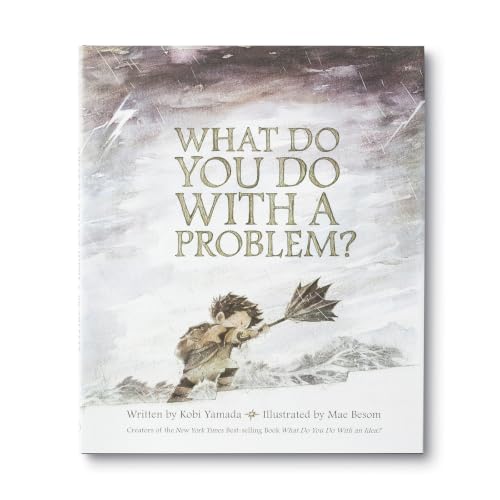
Overview: What Do You Do With a Problem? is a focused resource for a practical and accessible way to face problems. It gives readers a concrete way to understand the topic and apply the ideas in real situations.
Why it stands out: It earns a place on this list because it addresses a practical and accessible way to face problems directly and adds a distinct perspective alongside the other recommendations.
Strengths:
- Clear explanation of the core ideas
- Useful examples or practical takeaways
- Easy to compare with the other books on this list
Best for: Readers who want a book specifically about a practical and accessible way to face problems.
Potential limitations: The examples and level of detail may fit some readers better than others, so it works best as part of a focused reading plan.
View price, available formats, and reader reviews.
Patterns for Problem Solving

Overview: Patterns for Problem Solving is a focused resource for recognizing patterns and structuring solutions. It gives readers a concrete way to understand the topic and apply the ideas in real situations.
Why it stands out: It earns a place on this list because it addresses recognizing patterns and structuring solutions directly and adds a distinct perspective alongside the other recommendations.
Strengths:
- Clear explanation of the core ideas
- Useful examples or practical takeaways
- Easy to compare with the other books on this list
Best for: Readers who want a book specifically about recognizing patterns and structuring solutions.
Potential limitations: The examples and level of detail may fit some readers better than others, so it works best as part of a focused reading plan.
View price, available formats, and reader reviews.
Death by Meeting

Overview: Death by Meeting is a focused resource for improving group decisions and reducing meeting friction. It gives readers a concrete way to understand the topic and apply the ideas in real situations.
Why it stands out: It earns a place on this list because it addresses improving group decisions and reducing meeting friction directly and adds a distinct perspective alongside the other recommendations.
Strengths:
- Clear explanation of the core ideas
- Useful examples or practical takeaways
- Easy to compare with the other books on this list
Best for: Readers who want a book specifically about improving group decisions and reducing meeting friction.
Potential limitations: The examples and level of detail may fit some readers better than others, so it works best as part of a focused reading plan.
View price, available formats, and reader reviews.
Rosie Revere, Engineer
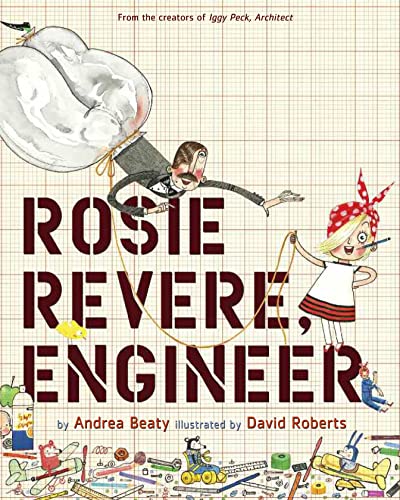
Overview: Rosie Revere, Engineer is a focused resource for creative experimentation and persistence in solving problems. It gives readers a concrete way to understand the topic and apply the ideas in real situations.
Why it stands out: It earns a place on this list because it addresses creative experimentation and persistence in solving problems directly and adds a distinct perspective alongside the other recommendations.
Strengths:
- Clear explanation of the core ideas
- Useful examples or practical takeaways
- Easy to compare with the other books on this list
Best for: Readers who want a book specifically about creative experimentation and persistence in solving problems.
Potential limitations: The examples and level of detail may fit some readers better than others, so it works best as part of a focused reading plan.
View price, available formats, and reader reviews.
The Pyramid Principle
Overview: Barbara Minto shows how to structure reasoning and communication so that conclusions, evidence, and recommendations are easy to follow.
Why it stands out: It directly improves complex problem solving by helping readers clarify the logic of a problem before presenting a solution.
Strengths:
- Practical structure for analytical thinking
- Useful for consulting and business writing
- Improves clarity of recommendations
Best for: Professionals who need to analyze ambiguous problems and communicate decisions clearly.
Potential limitations: It focuses on reasoning and communication, not on a particular technical domain.
View price, available formats, and reader reviews.
Who This List Is Best For
This list works best for readers who want problem solving books with a practical purpose behind them. It is a good fit for parents, teachers, managers, and lifelong learners, as well as anyone who wants to understand how people handle difficulty in everyday life. The selection also includes books for children, since problem solving often starts with how young readers learn to approach mistakes, persistence, and experimentation.
Final Thoughts
The strongest choice depends on what you need from a book about problem solving. Start with What Do You Do With a Problem? if you want the clearest foundation, move to Patterns for Problem Solving when you want a more practical framework, and use Death by Meeting when you want to broaden your perspective. The comparison table above is designed to make that choice easier without treating one book as the right answer for every reader.
FAQ
Which book should I read first?
Start with What Do You Do With a Problem? if you want the clearest introduction to problem solving. It is the most useful foundation before choosing a narrower or more advanced recommendation.
Which recommendation is the most practical?
Patterns for Problem Solving is a strong practical choice because it translates the topic into ideas or exercises that can be used immediately. If your needs are more specialized, compare the Best For column in the table.
Can I use these books for self-study?
Yes. Read one book at a time, take notes on the ideas that fit your situation, and apply one or two practices before moving on. For mental-health or clinical concerns, books should support—not replace—professional care.
How should I choose between the recommendations?
Choose based on your current goal, experience level, and preferred format. A practical guide may be best when you need action now, while a broader or more research-oriented book may be better when you want context and long-term understanding.
Do I need to read every book on the list?
No. One well-matched book, followed by deliberate application, is usually more useful than collecting several books without using what they teach.




