
People usually search for books on alcohol addiction for one of two reasons. They want help for themselves, or they want a clearer way to support someone they care about. In both cases, the right book can make the problem feel more understandable and the next step less overwhelming. Some readers need a science-based explanation of why drinking becomes hard to control. Others want a practical plan for quitting. And some need a more compassionate view of addiction that includes trauma, shame, and the realities of recovery.
The books below were chosen for those different needs. A few are especially useful for people who want to stop drinking. Others are better for family members, clinicians, or readers who want a deeper understanding of addiction itself.
Quick Answer
If you want the best books for alcohol addiction, start with This Naked Mind for a widely used, practical perspective on changing your relationship with alcohol, Alcohol Explained for a direct look at how drinking affects the brain and body, and In the Realm of Hungry Ghosts for a broader, more humane understanding of addiction. Beyond Addiction is especially strong for families and loved ones, while Healing the Addicted Brain offers a more science-centered recovery framework.
Comparison Table
| Book | Best For | Why It Stands Out |
|---|---|---|
| This Naked Mind | Readers who want a practical, accessible way to rethink drinking | Combines mindset change with a clear, nonjudgmental approach |
| Alcohol Explained | People who want the clearest explanation of alcohol’s effects | Focuses on the mechanics of drinking, cravings, and withdrawal patterns |
| In the Realm of Hungry Ghosts | Readers who want a deeper understanding of addiction and recovery | Brings clinical insight and empathy together without oversimplifying addiction |
| Beyond Addiction | Families and partners trying to help without escalating conflict | Offers a kinder, more effective way to support behavior change |
| Healing the Addicted Brain | Readers who want a science-based recovery model | Explains addiction through biology and recovery through a structured lens |
| Quit Like a Woman | Readers interested in the social and cultural side of sobriety | Connects alcohol use with gender, identity, and social pressure |
| The Alcohol Experiment | People who want a short, guided reset | Offers a structured 30-day challenge that is easy to start |
| Rewired | Readers looking for a recovery-focused, long-view approach | Looks at addiction and recovery through a broader behavioral framework |
How We Chose These Recommendations
This list emphasizes books that do more than talk generally about sobriety. Each one earned a place because it offers real help for a different part of the alcohol addiction journey, whether that means understanding the biology of drinking, starting abstinence, supporting a loved one, or making sense of relapse and recovery. Preference went to books with practical value, clear educational purpose, and lasting relevance rather than short-term popularity.
Because alcohol addiction can be approached from several angles, the list also mixes perspectives. Some books are more science-based, some are more behavior-focused, and some are better suited to family members or readers who want a wider clinical perspective. That variety matters. Readers searching for the best books for alcohol addiction are rarely looking for the same kind of help.
Recommended Books
This Naked Mind: Control Alcohol, Find Freedom, Discover Happiness & Change Your Life

Overview: Annie Grace’s book is built around a simple but effective idea: many people drink out of habit, conditioning, and learned association rather than because alcohol truly improves their lives. The book walks readers through those assumptions and gives them a way to question the role alcohol plays in daily life. It is approachable, structured, and written for people who want to think differently about drinking without being talked down to.
Why it stands out: Among modern books on alcohol addiction, this one remains especially useful because it lowers the barrier to entry. It does not require a clinical background or a commitment to one recovery ideology. Instead, it gives readers a practical framework for change that works well for people who are sober-curious, newly committed to quitting, or trying to cut back before they decide on a longer-term path.
Strengths:
- Clear and easy to follow
- Nonjudgmental tone that many readers find less intimidating
- Useful for both quitting and rethinking daily drinking
Best for: Readers who want a highly accessible starting point and prefer a gentle, mindset-based approach to alcohol recovery.
Potential limitations: Readers looking for a more clinical or medically detailed account of addiction may want something more evidence-focused alongside it.
View price, available formats, and reader reviews.
Alcohol Explained (William Porter’s ‘Explained’)

Overview: William Porter’s book focuses on how alcohol works in the body and why the early relief it seems to provide can become part of a difficult cycle. Rather than leaning on inspiration or personal testimony, it explains the mechanics of drinking, cravings, and withdrawal in direct language. Readers who want to understand the physiology behind alcohol use often find this especially clarifying.
Why it stands out: This is one of the clearest books on the list for readers who want explanation before strategy. It does not try to be an all-purpose recovery manual. Instead, it helps people make sense of what alcohol is actually doing and why stopping can feel so complicated. That makes it a strong companion book for readers who are trying to understand their own patterns in a more analytical way.
Strengths:
- Direct explanation of alcohol’s effects on brain and body
- Helpful for readers who prefer logic over motivational language
- Breaks down cravings and withdrawal in a memorable way
Best for: People who want a straightforward, science-forward explanation of alcohol addiction and recovery.
Potential limitations: The style can feel more repetitive or argumentative than some readers prefer, especially if they want a softer, more reflective book.
View price, available formats, and reader reviews.
In the Realm of Hungry Ghosts: Close Encounters with Addiction
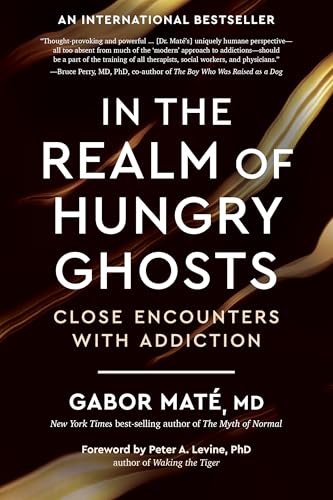
Overview: Gabor Maté approaches addiction as a complex response to pain, trauma, and unmet human needs. The book draws on clinical experience and case material to show why addiction cannot be understood only as a matter of willpower. Although it covers addiction broadly, alcohol readers will still find a great deal here that speaks directly to the emotional side of compulsive drinking.
Why it stands out: This is the most nuanced book on the list. It is less of a step-by-step sobriety guide and more of an insight-rich clinical lens on why addiction develops and why shame usually makes recovery harder. Readers who want depth, compassion, and a better framework for understanding themselves or someone they love will get more from this than from a conventional self-help title.
Strengths:
- Deeply humane view of addiction
- Strong fit for readers interested in trauma and recovery
- Balances science, clinical observation, and empathy
Best for: Readers who want a serious, thoughtful book about addiction rather than a simple quit plan.
Potential limitations: It is longer and more demanding than the other books here, so it may not be the best first choice for someone who wants quick, practical instructions.
View price, available formats, and reader reviews.
Beyond Addiction: How Science and Kindness Help People Change

Overview: This book is aimed squarely at families, partners, and friends who want to help someone change without relying on confrontation or blame. It blends behavioral science with a practical, respectful approach to support. While not limited to alcohol, it is highly relevant for alcohol addiction because so many readers are searching for guidance on how to respond to a loved one’s drinking.
Why it stands out: The strongest reason to include it is its usefulness for people on the outside of the problem who still feel deeply affected by it. Many books on alcohol addiction focus only on the drinker. This one addresses the broader family system and gives readers a better way to communicate, set boundaries, and encourage change without escalating conflict.
Strengths:
- Excellent for concerned family members and partners
- Grounded in behavioral science
- Offers concrete, nonconfrontational support strategies
Best for: Loved ones who want to help someone with alcohol misuse without using shame, pressure, or ultimatums as their only tools.
Potential limitations: Readers looking for a self-directed sobriety book may find its family-centered focus less directly relevant.
View price, available formats, and reader reviews.
Healing the Addicted Brain: The Revolutionary, Science-Based Alcoholism and Addiction Recovery Program (How to Overcome the Biological Factors that Cause Substance Abuse and Addictive Behavior)

Overview: This book centers on the biological side of addiction and recovery. It explains how addiction affects the brain and why recovery needs to account for those changes rather than treating drinking as a simple habit problem. Readers who want a more medical or neuroscientific perspective on alcohol addiction will find this especially useful.
Why it stands out: Compared with broader recovery books, this one is more focused on the biological mechanisms behind substance use and addictive behavior. That makes it a strong choice for readers who want a science-based framework and for people who respond well to structured explanations. It also adds useful balance to a list that includes more mindset-driven books.
Strengths:
- Science-based approach to addiction recovery
- Helpful for readers who want to understand the brain side of the problem
- More structured than many general sobriety books
Best for: Readers who want a clinical, biology-focused book on alcohol addiction and recovery.
Potential limitations: The emphasis on science and recovery mechanics may feel dense for readers who want a lighter, more personal narrative.
View price, available formats, and reader reviews.
Quit Like a Woman: The Radical Choice to Not Drink in a Culture Obsessed with Alcohol

Overview: Holly Whitaker’s book combines sobriety advice with a critique of the social and cultural forces that normalize drinking. It is especially attentive to gender, identity, and how alcohol use can become entangled with belonging, stress, and self-image. That wider context gives the book a distinct perspective within the sobriety genre.
Why it stands out: Many books on alcohol addiction focus on the individual in isolation. This one widens the frame and helps readers see how culture can shape drinking patterns and recovery expectations. It is particularly valuable for readers who have felt disconnected from traditional recovery language or who want a book that addresses sobriety in a more socially aware way.
Strengths:
- Strong cultural perspective on drinking
- Useful for readers who feel alienated by conventional sobriety narratives
- Offers a modern, personal, and reflective voice
Best for: Readers who want a sobriety book that goes beyond habit change and looks at the social context of drinking.
Potential limitations: Its cultural and personal perspective is a feature, not a flaw, but readers seeking a strictly clinical book may prefer something more medical.
View price, available formats, and reader reviews.
The Alcohol Experiment: Expanded Edition: A 30-Day, Alcohol-Free Challenge To Interrupt Your Habits and Help You Take Control

Overview: This book is built around a 30-day alcohol-free challenge that helps readers interrupt automatic drinking patterns and test life without alcohol. Its format is highly structured, which makes it useful for people who do better with a clear starting point than with an open-ended recovery philosophy. The expanded edition gives it added value for readers who want a guided reset.
Why it stands out: For someone who is not ready to commit to a full recovery framework, this is one of the easiest ways to begin. It is narrower than some of the other books here, but that focus is a strength. Instead of asking readers to overhaul everything at once, it provides a contained experiment that can create momentum and clarity.
Strengths:
- Clear 30-day structure
- Good fit for readers who want a practical trial period
- Accessible for beginners
Best for: Readers who want a guided, short-term challenge before deciding on a longer sobriety plan.
Potential limitations: Readers seeking deep clinical explanation or long-term recovery theory will want a more comprehensive companion book.
View price, available formats, and reader reviews.
Rewired: A Bold New Approach To Addiction and Recovery

Overview: Rewired examines addiction and recovery through a broader behavioral lens, with attention to the habits and patterns that can keep someone stuck. It is less about a single sobriety method than about rethinking the way recovery is approached. That makes it a useful option for readers who want a fresh structure without jumping straight into a highly technical text.
Why it stands out: This book helps round out the list by sitting between the highly personal and the strictly clinical. It gives readers a broader perspective on addiction recovery while still staying practical enough to be useful. For some readers, that middle ground is exactly the right fit, especially if they have already sampled more familiar sobriety books and want another angle.
Strengths:
- Balanced view of addiction and recovery
- Useful for readers who want a broader framework
- Offers a fresh perspective without becoming overly academic
Best for: Readers who want a thoughtful recovery book that is neither purely motivational nor heavily technical.
Potential limitations: It may feel less immediately recognizable than the most established classics in this category, so readers new to the topic may want to pair it with a more foundational title.
View price, available formats, and reader reviews.
Who This List Is Best For
This list is best for readers who want more than a generic sobriety title. It will help:
- People trying to stop drinking who need a first step, a reset, or a longer-term framework
- Family members and partners who want better ways to respond to alcohol misuse
- Readers interested in the science of addiction who want clearer explanations of what alcohol does to the brain and body
- People who prefer a compassionate tone over shame-based recovery language
- Readers comparing different sobriety philosophies before deciding what fits them best
Final Thoughts
If your priority is a practical and approachable place to begin, start with This Naked Mind or The Alcohol Experiment. If you want the clearest explanation of how alcohol affects the body and why quitting can feel so difficult, Alcohol Explained is the strongest fit. If you are trying to understand addiction more deeply, especially through the lens of trauma or compassion, In the Realm of Hungry Ghosts is the most substantial choice. For families and partners, Beyond Addiction offers the most directly useful guidance.
The best book depends on what you need right now. Some readers need a plan. Others need language for what they are experiencing. A few need a wider view of addiction itself. The books above were selected because each one does something distinct and useful.
FAQ
Which book is best for beginners?
This Naked Mind is the easiest all-around starting point for most readers because it is clear, structured, and approachable.
Which book is most science-based?
Healing the Addicted Brain and Alcohol Explained are the most science-forward choices on this list, though they approach the topic differently.
Which book is best for family members?
Beyond Addiction is the strongest option for loved ones who want practical ways to help without creating more conflict.
Which recommendation is best if I want a short, guided challenge?
The Alcohol Experiment is the most structured short-term option because it centers on a 30-day alcohol-free trial.
Which book offers the deepest understanding of addiction?
In the Realm of Hungry Ghosts offers the broadest and most thoughtful exploration of addiction as a human and clinical issue.
Which book should I read first if I am trying to quit drinking?
Start with This Naked Mind if you want a gentle introduction, or Alcohol Explained if you prefer a more direct explanation of why alcohol is so hard to leave behind.