
Branding for beginners is rarely about finding one book that explains everything. Most readers need a practical starting point, then a few different angles to make the ideas usable. Some want a broad foundation in identity and positioning. Others need a hands-on guide for building visual assets. A few are trying to brand themselves rather than a company, or they are launching a small business and need branding to connect with marketing, packaging, and sales. The books below were chosen with those different needs in mind.
Quick Answer
If you want the clearest entry point into branding for beginners, start with Designing Brand Identity: An Essential Guide for the Whole Branding Team, 4th Edition. It gives you a useful foundation in positioning, promise, identity, differentiation, and the connection between brand strategy and consistent execution. Choose Branding Basics for Small Business when you want a more applied or contrasting approach, and use Breakthrough Branding: How Smart Entrepreneurs and Intrapreneurs Transform a Small Idea into a Big Brand when you want to extend the idea into a different context.
This list is designed for founders, freelancers, creators, and small-business marketers. The recommendations are intentionally varied: some explain the underlying research, some offer exercises, and some are strongest as narrative or leadership case studies. That variety makes it easier to choose a book that matches your current question rather than buying the longest list.
Comparison Table
| Book | Best For | Why It Stands Out |
|---|---|---|
| Designing Brand Identity: An Essential Guide for the Whole Branding Team, 4th Edition | Beginners who want a solid, professional-level foundation in brand identity. | Compared with narrower beginner books, this one gives readers the clearest full-picture view. It is especially useful if you want to understand how branding decisions connect to design, messaging, and implementation. Beginners who are… |
| Branding Basics for Small Business | Small business owners who want a straightforward introduction to branding. | The main value here is accessibility. Readers who are new to branding often need a book that focuses on the basics without assuming a background in design or marketing. This is one of the clearest choices for someone trying to build a… |
| Breakthrough Branding: How Smart Entrepreneurs and Intrapreneurs Transform a Small Idea into a Big Brand | Entrepreneurs and intrapreneurs who want branding to support business development. | What makes it especially useful for beginners is its entrepreneurial framing. A lot of branding books stay close to design or messaging. This one is more interested in how branding helps a business gain traction and become memorable in a… |
| Personal Branding: The Complete Step-by-Step Beginners Guide to Build Your Brand in Facebook, YouTube, Twitter, and Instagram. The Best Strategies to … Yourself, and Dominate Your Market . | Beginners building a personal brand online. | Many beginner branding books lean toward businesses and products. This one is specifically about the individual as the brand, which makes it useful for people whose career growth depends on online credibility and recognition. It fills a… |
| The Brand Gap | New founders and marketers who need to clarify what their brand stands for before designing assets. | It adds positioning and brand coherence to a beginner list, helping readers see that branding is more than choosing colors or making social-media graphics. |
How We Chose These Recommendations
Branding for beginners can mean different things depending on the reader. Some need the concepts behind brand identity. Some need a small-business framework. Some are focused on personal branding or the visual work of building a consistent look across platforms. This list reflects those different needs rather than repeating the same type of book in different packaging.
The selections favor books that are useful at the beginner stage, clear about their purpose, and relevant to the real work of branding. Where a book is more comprehensive, that is noted. Where a book is narrower, the narrower focus is treated as a strength if it helps the right reader get started faster.
Recommended Books
Designing Brand Identity: An Essential Guide for the Whole Branding Team, 4th Edition
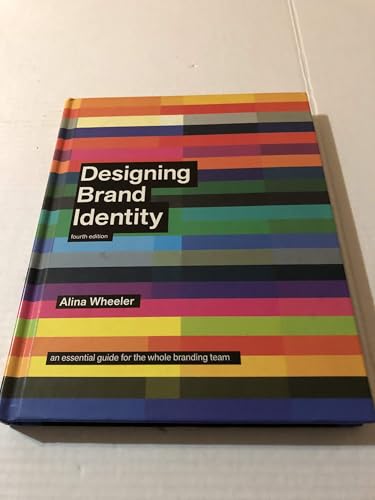
Overview: This is the most substantial branding book on the list and the best choice for readers who want to understand how brand identity is built from the ground up. It covers the broader structure of branding work, including strategy, visual identity, and the coordination involved in keeping a brand consistent. For beginners, that scope can be valuable because it shows branding as a system rather than a logo exercise.
Why it stands out: Compared with narrower beginner books, this one gives readers the clearest full-picture view. It is especially useful if you want to understand how branding decisions connect to design, messaging, and implementation. Beginners who are serious about learning branding as a discipline, not just a marketing buzzword, will get the most from it.
Strengths:
- Broad coverage of brand identity work
- Useful for understanding how different branding pieces fit together
- Strong choice for readers who want depth rather than a quick introduction
Best for: Beginners who want a solid, professional-level foundation in brand identity.
Potential limitations: It is more detailed than some first-time readers may want, so it works best if you are ready for a fuller, more structured treatment of the subject.
View price, available formats, and reader reviews.
Branding Basics for Small Business

Overview: This book is a practical entry point for small business owners who need branding explained in plain language. Instead of treating branding as an abstract creative field, it brings the topic down to earth for people who need to make decisions about identity, consistency, and customer perception without overcomplicating the process.
Why it stands out: The main value here is accessibility. Readers who are new to branding often need a book that focuses on the basics without assuming a background in design or marketing. This is one of the clearest choices for someone trying to build a brand for a local business, service business, or small online shop.
Strengths:
- Easy to approach for true beginners
- Directly relevant to small business needs
- Focuses on practical branding decisions rather than theory alone
Best for: Small business owners who want a straightforward introduction to branding.
Potential limitations: Readers looking for a deep strategic or design-heavy treatment will want something more comprehensive alongside it.
View price, available formats, and reader reviews.
Breakthrough Branding: How Smart Entrepreneurs and Intrapreneurs Transform a Small Idea into a Big Brand

Overview: This book is geared toward people who are building something new and need branding to support growth. Rather than treating branding as a static exercise, it connects brand thinking to entrepreneurship, idea development, and the process of turning a modest concept into something larger and more recognizable.
Why it stands out: What makes it especially useful for beginners is its entrepreneurial framing. A lot of branding books stay close to design or messaging. This one is more interested in how branding helps a business gain traction and become memorable in a crowded market. That makes it a strong fit for founders and early-stage business builders.
Strengths:
- Good blend of branding and business growth thinking
- Relevant to founders and early-stage entrepreneurs
- Useful for readers who want strategy, not just visuals
Best for: Entrepreneurs and intrapreneurs who want branding to support business development.
Potential limitations: Readers who want a highly visual or design-focused guide may need another book to handle that side of branding.
View price, available formats, and reader reviews.
Personal Branding: The Complete Step-by-Step Beginners Guide to Build Your Brand in Facebook, YouTube, Twitter, and Instagram. The Best Strategies to … Yourself, and Dominate Your Market .

Overview: This is the best fit on the list for readers who are branding themselves rather than a company. It focuses on building a visible personal presence across major social platforms, which makes it relevant for freelancers, creators, job seekers, consultants, and anyone whose name is part of their professional identity. The emphasis is on self-presentation and consistency online.
Why it stands out: Many beginner branding books lean toward businesses and products. This one is specifically about the individual as the brand, which makes it useful for people whose career growth depends on online credibility and recognition. It fills a different need from the small business titles and belongs here for that reason.
Strengths:
- Focused on personal rather than corporate branding
- Relevant to social media-driven visibility
- Good match for freelancers and independent professionals
Best for: Beginners building a personal brand online.
Potential limitations: The social platform emphasis makes it less useful for readers who want a broader brand strategy for a company or product line.
View price, available formats, and reader reviews.
The Brand Gap

Overview: Marty Neumeier explains the gap between strategy and creative execution and shows how a clear brand becomes easier to recognize, remember, and choose. The book is concise but gives beginners a useful vocabulary for differentiation and coherence.
Why it stands out: It adds positioning and brand coherence to a beginner list, helping readers see that branding is more than choosing colors or making social-media graphics.
Strengths:
- Clear explanation of brand strategy
- Accessible to beginners
- Connects business and creative decisions
Best for: New founders and marketers who need to clarify what their brand stands for before designing assets.
Potential limitations: Its brevity means readers may need a more detailed identity process for a full rebrand.
View price, available formats, and reader reviews.
Who This List Is Best For
These recommendations are a good fit for founders, freelancers, creators, and small-business marketers. They are especially useful if you want to understand branding for beginners with more nuance than a short checklist, quote, or social-media summary can provide.
- Readers who want a clear conceptual foundation before choosing a technique.
- People who prefer to compare research, practical exercises, and real-world examples.
- Professionals, students, or caregivers who need language they can apply in a real conversation or decision.
Use the Best For and Why It Stands Out columns together. A book can be excellent yet still be the wrong starting point if its depth, tone, or intended reader does not match your goal.
Final Thoughts
The strongest choice for branding for beginners depends on what you need to do next. Begin with Designing Brand Identity: An Essential Guide for the Whole Branding Team, 4th Edition if you need a foundation, move to Branding Basics for Small Business if you need a practical change, and consider Breakthrough Branding: How Smart Entrepreneurs and Intrapreneurs Transform a Small Idea into a Big Brand if you need a broader or more challenging perspective. The comparison table is meant to shorten that decision, not pretend that one book works for every reader.
A useful reading plan is simple: select one book, write down the question you want it to answer, and apply one idea before moving to another recommendation. For this topic, write one sentence describing who you help, what changes, and why your approach is credible before designing visuals. branding is not a logo project; it is a repeated promise supported by the customer experience.
FAQ
Which book should I read first for branding for beginners?
Start with Designing Brand Identity: An Essential Guide for the Whole Branding Team, 4th Edition if you want the clearest foundation. If your immediate need is action rather than background, compare it with Branding Basics for Small Business and choose the one whose exercises, examples, or audience match your situation.
How do I choose between a research-based book and a workbook?
Choose the research-oriented option when you need context and a better mental model. Choose the workbook or practical guide when you already understand the problem and need repetition, prompts, or a structured plan. The table’s Best For column is the fastest way to make that distinction.
What is a practical way to use books about branding for beginners?
Do not read the whole list at once. Pick one recommendation, define the behavior or decision you want to improve, and test a small idea from the book for seven days. For this topic, write one sentence describing who you help, what changes, and why your approach is credible before designing visuals.
Are these recommendations suitable for self-study?
Yes, for education and structured reflection. Take notes in your own words, mark claims you want to verify, and discuss difficult ideas with a trusted person or qualified professional when appropriate.
Do I need to read every book on the list?
No. One well-matched book that changes what you notice or do is more valuable than collecting several recommendations without applying any of them.