
Character development is one of those topics that sounds simple until you try to do it well. In fiction, a character can have a convincing plot arc and still feel flat if the inner changes never land. In life, people use the phrase differently, sometimes meaning self-understanding, sometimes emotional growth, sometimes the gradual shaping of habits, values, and identity. The best books for character development do not all solve the same problem, because readers come to this topic with very different goals. Some want practical tools for building believable people on the page. Others want insight into how personality, resilience, and moral growth actually work. A few are looking for books that help children notice emotion, choice, and identity in age-appropriate ways.
This list brings those uses together without forcing them into one category. The strongest recommendations here range from a writing workbook to a classic psychology-driven reflection on character, plus a few carefully chosen picture books and early-reader titles that model emotional life in a way younger readers can absorb. If you are searching for the best books for character development, the right choice depends on whether you are writing, studying personality, or helping a child build the language for growth.
Quick Answer
For most readers, The Road to Character is the best starting point because it gives the clearest foundation for character development. The Only Character Workbook You’ll Ever Need is a strong next choice when you want a more practical or applied approach, while The 7 Habits of Highly Effective People adds a different perspective for readers who want to go deeper.
Comparison Table
| Book | Best For | Why It Stands Out |
|---|---|---|
| The Road to Character | Readers who want a book specifically about values, humility, and the development of character. | It earns a place on this list because it addresses values, humility, and the development of character directly and adds a distinct perspective alongside the other recommendations. |
| The Only Character Workbook You’ll Ever Need | Readers who want a book specifically about turning character ideas into a usable writing framework. | It earns a place on this list because it addresses turning character ideas into a usable writing framework directly and adds a distinct perspective alongside the other recommendations. |
| The 7 Habits of Highly Effective People | Readers who want a structured approach to developing personal responsibility and consistency. | It is a substantive character-development recommendation that addresses habits and ethical choices rather than relying on a children’s novel. |
| Man’s Search for Meaning | Readers exploring character, purpose, and resilience. | It offers a serious treatment of character and values that is more suitable than a random children’s fiction title. |
| The Courage to Be Disliked | Readers who want to examine the beliefs that shape their choices and relationships. | It provides a clear philosophical route into character development and personal responsibility. |
| The Gifts of Imperfection | Adults working through self-judgment, transitions, or a desire for more intentional growth. | It is a more appropriate adult-development recommendation than children’s developmental stories because it addresses identity and growth across adult life. |
| Emotional Intelligence | Readers who want a broad introduction to the skills behind emotional maturity. | It gives the emotional-maturity list a foundational, widely applicable framework instead of a children’s story. |
| The Art of Happiness | Readers who want a values-oriented approach to character and happiness. | It is a more appropriate reflective book than a children’s story when the goal is to develop character through compassion and perspective. |
How We Chose These Recommendations
For this topic, the most useful books are not simply the ones with the word character in the title. We looked for books that genuinely help a reader understand how people are shaped, written, or revealed. That meant balancing different needs: practical writing resources, thoughtful adult nonfiction, and children’s books that model emotional development in accessible ways.
We favored books with clear editorial value, enduring usefulness, and a strong fit for the reader’s goal. For fiction writers, that meant choosing a workbook with structure rather than a vague inspirational guide. For general readers, it meant choosing a book that treats character as a serious subject, not a slogan. For younger readers, it meant selecting stories where emotion, choice, and personality are visible without becoming overly didactic.
Just as importantly, each recommendation had to earn its place by doing something distinct. This list is not built around repetition. A writing workbook, a moral reflection, and a picture book may all relate to character development, but they serve different readers and different purposes.
Recommended Books
The Road to Character

Overview: The Road to Character is a focused resource for values, humility, and the development of character. It gives readers a concrete way to understand the topic and apply the ideas in real situations.
Why it stands out: It earns a place on this list because it addresses values, humility, and the development of character directly and adds a distinct perspective alongside the other recommendations.
Strengths:
- Clear explanation of the core ideas
- Useful examples or practical takeaways
- Easy to compare with the other books on this list
Best for: Readers who want a book specifically about values, humility, and the development of character.
Potential limitations: The examples and level of detail may fit some readers better than others, so it works best as part of a focused reading plan.
View price, available formats, and reader reviews.
The Only Character Workbook You’ll Ever Need

Overview: The Only Character Workbook You’ll Ever Need is a focused resource for turning character ideas into a usable writing framework. It gives readers a concrete way to understand the topic and apply the ideas in real situations.
Why it stands out: It earns a place on this list because it addresses turning character ideas into a usable writing framework directly and adds a distinct perspective alongside the other recommendations.
Strengths:
- Clear explanation of the core ideas
- Useful examples or practical takeaways
- Easy to compare with the other books on this list
Best for: Readers who want a book specifically about turning character ideas into a usable writing framework.
Potential limitations: The examples and level of detail may fit some readers better than others, so it works best as part of a focused reading plan.
View price, available formats, and reader reviews.
The 7 Habits of Highly Effective People
Overview: Stephen R. Covey presents a principle-centered approach to responsibility, priorities, relationships, and renewal.
Why it stands out: It is a substantive character-development recommendation that addresses habits and ethical choices rather than relying on a children’s novel.
Strengths:
- Broad personal-development framework
- Useful for reflection and behavior change
- Connects character with effectiveness
Best for: Readers who want a structured approach to developing personal responsibility and consistency.
Potential limitations: The framework is broad and requires sustained practice rather than a quick fix.
View price, available formats, and reader reviews.
Man’s Search for Meaning

Overview: Viktor E. Frankl combines memoir and psychological reflection to examine meaning, responsibility, and the choices people can make under extreme conditions.
Why it stands out: It offers a serious treatment of character and values that is more suitable than a random children’s fiction title.
Strengths:
- Deep reflection on meaning and responsibility
- Short and influential
- Invites thoughtful self-examination
Best for: Readers exploring character, purpose, and resilience.
Potential limitations: The historical setting is intense and the book should not be treated as a universal answer to suffering.
View price, available formats, and reader reviews.
The Courage to Be Disliked
Overview: Ichiro Kishimi and Fumitake Koga use a dialogue format to explore responsibility, freedom from approval-seeking, and the possibility of changing one’s direction.
Why it stands out: It provides a clear philosophical route into character development and personal responsibility.
Strengths:
- Readable dialogue format
- Strong focus on agency
- Useful for challenging approval-driven habits
Best for: Readers who want to examine the beliefs that shape their choices and relationships.
Potential limitations: Its philosophical claims are intentionally provocative and may not persuade every reader.
View price, available formats, and reader reviews.
The Gifts of Imperfection

Overview: Brené Brown examines the habits and beliefs that support wholehearted living, including self-compassion, authenticity, and resilience.
Why it stands out: It is a more appropriate adult-development recommendation than children’s developmental stories because it addresses identity and growth across adult life.
Strengths:
- Accessible discussion of self-acceptance
- Useful reflection prompts
- Connects growth with emotional resilience
Best for: Adults working through self-judgment, transitions, or a desire for more intentional growth.
Potential limitations: It is reflective and personal rather than a textbook on lifespan development.
View price, available formats, and reader reviews.
Emotional Intelligence
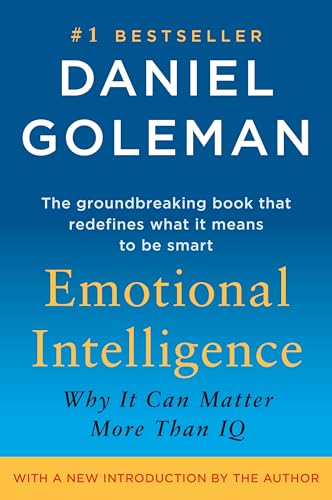
Overview: Daniel Goleman explains how self-awareness, self-regulation, empathy, and social skill affect judgment and relationships.
Why it stands out: It gives the emotional-maturity list a foundational, widely applicable framework instead of a children’s story.
Strengths:
- Foundational model of emotional intelligence
- Connects emotion with performance
- Useful across work and personal life
Best for: Readers who want a broad introduction to the skills behind emotional maturity.
Potential limitations: Some examples reflect the period in which it was written and should be read alongside newer research.
View price, available formats, and reader reviews.
The Art of Happiness

Overview: The Dalai Lama and Howard C. Cutler discuss habits of mind, compassion, and perspective that can support a more stable sense of well-being.
Why it stands out: It is a more appropriate reflective book than a children’s story when the goal is to develop character through compassion and perspective.
Strengths:
- Accessible reflective exercises
- Emphasizes compassion and perspective
- Useful for personal reflection
Best for: Readers who want a values-oriented approach to character and happiness.
Potential limitations: It is conversational and philosophical rather than a formal character-education textbook.
View price, available formats, and reader reviews.
Who This List Is Best For
This list works best for readers who want character development in more than one sense of the phrase. Fiction writers will get the most direct value from the character workbook. Adults reflecting on identity, virtue, or personal growth should start with the nonfiction title on character formation. Parents, teachers, and caregivers will find the children’s books especially useful for talking about feelings, mistakes, and resilience. Readers who want emotionally centered fiction will find the novels helpful for understanding how personality unfolds through family, conflict, and social pressure.
Final Thoughts
The strongest choice depends on what you need from a book about character development. Start with The Road to Character if you want the clearest foundation, move to The Only Character Workbook You’ll Ever Need when you want a more practical framework, and use The 7 Habits of Highly Effective People when you want to broaden your perspective. The comparison table above is designed to make that choice easier without treating one book as the right answer for every reader.
FAQ
Which book should I read first?
Start with The Road to Character if you want the clearest introduction to character development. It is the most useful foundation before choosing a narrower or more advanced recommendation.
Which recommendation is the most practical?
The Only Character Workbook You’ll Ever Need is a strong practical choice because it translates the topic into ideas or exercises that can be used immediately. If your needs are more specialized, compare the Best For column in the table.
Can I use these books for self-study?
Yes. Read one book at a time, take notes on the ideas that fit your situation, and apply one or two practices before moving on. For mental-health or clinical concerns, books should support—not replace—professional care.
How should I choose between the recommendations?
Choose based on your current goal, experience level, and preferred format. A practical guide may be best when you need action now, while a broader or more research-oriented book may be better when you want context and long-term understanding.
Do I need to read every book on the list?
No. One well-matched book, followed by deliberate application, is usually more useful than collecting several books without using what they teach.