
Brain health is one of those topics where the public conversation often runs ahead of the science. Some books focus on memory and aging, others on inflammation, sleep, stress, trauma, nutrition, or cognitive training. A few are practical and evidence-based. Others lean harder on optimism than proof. If you are trying to understand how to protect attention, memory, and long-term cognitive function, the most useful books are the ones that separate plausible habits from overpromised fixes.
The best books for brain health usually do one of three things well. They explain the neuroscience in plain English, they offer realistic behavior changes that support cognition, or they help readers think more clearly about risks such as trauma, anxiety, and aging. The list below mixes those strengths so you can choose the book that fits your goal, whether you want a scientific foundation, a practical guide, or a more specialized perspective on brain care.
Quick Answer
If you want the strongest starting points, begin with The Body Keeps the Score for a serious look at how trauma affects the brain and body, Change Your Brain, Change Your Life for a broad popular introduction to brain-focused self-improvement, Brain Maker for the gut-brain connection, The Ageless Brain for long-term cognitive protection, and Keep Sharp: Build a Better Brain at Any Age for a direct focus on dementia prevention and brain-supportive habits.
Comparison Table
| Book | Best For | Why It Stands Out |
|---|---|---|
| The Brain That Changes Itself: Stories of Personal Triumph from the Frontiers of Brain Science | Readers who want a practical, focused resource on neuroplasticity and the brain’s capacity to change. | This recommendation adds a distinct framework instead of repeating a generic introduction. It helps readers move from recognizing the issue to understanding the patterns, choices, or skills involved in neuroplasticity and the brain’s… |
| Change Your Brain, Change Your Life (Revised and Expanded): The Breakthrough Program for Conquering Anxiety, Depression, Obsessiveness, Lack of Focus, Anger, and Memory Problems | Readers looking for a wide-ranging, easy-to-follow book on brain health and everyday mental performance. | Compared with more specialized titles, this one covers a wider range of concerns in one place. That makes it a strong entry point for readers who are not yet sure whether they need a cognitive-health book, a mental health book, or a… |
| Brain Maker: The Power of Gut Microbes to Heal and Protect Your Brain for Life | Readers who want a nutrition and microbiome perspective on brain health. | The strongest reason to include it is its specific lens. Many brain-health books stay broad and vague about lifestyle changes. This one narrows in on a particular pathway, which makes it valuable for readers who want to understand why… |
| The Ageless Brain: How to Sharpen and Protect Your Mind for a Lifetime | Adults who want a practical guide to protecting mental sharpness over time. | The practical value here is longevity. Many books on cognition are framed around diagnosis, decline, or dramatic transformation. This one is better suited to readers who want an everyday maintenance plan for the mind. It fills an… |
| Keep Sharp: Build a Better Brain at Any Age | Readers who want a practical, focused resource on cognitive health, brain protection, and lifelong habits. | This recommendation adds a distinct framework instead of repeating a generic introduction. It helps readers move from recognizing the issue to understanding the patterns, choices, or skills involved in cognitive health, brain protection,… |
| 399 Games, Puzzles & Trivia Challenges Specially Designed to Keep Your Brain Young. | Adults who want an active, game-based way to keep their minds engaged. | Not every brain-health reader wants theory. Some want something they can open and start using immediately. This book earns its place because it translates the idea of cognitive exercise into a concrete format. It is also one of the few… |
| The Tell-Tale Brain: A Neuroscientist’s Quest for What Makes Us Human | Readers who want a practical, focused resource on how the brain supports perception, identity, and behavior. | This recommendation adds a distinct framework instead of repeating a generic introduction. It helps readers move from recognizing the issue to understanding the patterns, choices, or skills involved in how the brain supports perception,… |
| The Brain’s Way of Healing: Remarkable Discoveries and Recoveries from the Frontiers of Neuroplasticity | Readers who want a practical, focused resource on brain recovery and neuroplasticity. | This recommendation adds a distinct framework instead of repeating a generic introduction. It helps readers move from recognizing the issue to understanding the patterns, choices, or skills involved in brain recovery and neuroplasticity. |
How We Chose These Recommendations
For a topic like brain health, the most useful books are not just the ones with the most familiar titles. They are the books that help readers understand what actually affects cognition and what kinds of changes are worth their time. That means favoring works with practical value, a credible approach to neuroscience or psychology, and enough depth to be useful without turning unreadable.
This list intentionally includes a mix of perspectives. Some books are best for learning the science of brain function. Others are better for lifestyle change, emotional health, or aging. A few take a more specialized angle, such as trauma or the gut-brain connection. Together, they give readers a more realistic picture of brain health than any single book could provide.
Recommended Books
The Brain That Changes Itself: Stories of Personal Triumph from the Frontiers of Brain Science

Overview: The Brain That Changes Itself: Stories of Personal Triumph from the Frontiers of Brain Science gives readers a clearer, more established way to explore neuroplasticity and the brain’s capacity to change. It is a stronger fit for this list because its main ideas connect directly to the practical questions readers bring to this topic.
Why it stands out: This recommendation adds a distinct framework instead of repeating a generic introduction. It helps readers move from recognizing the issue to understanding the patterns, choices, or skills involved in neuroplasticity and the brain’s capacity to change.
Strengths:
- Directly connected to neuroplasticity and the brain’s capacity to change
- Offers a clear framework readers can return to
- More focused than a general-purpose self-help choice
- Works well alongside the other recommendations on this list
Best for: Readers who want a practical, focused resource on neuroplasticity and the brain’s capacity to change.
Potential limitations: It is an educational resource, not a diagnosis or a substitute for individualized care from a qualified professional.
View price, available formats, and reader reviews.
Change Your Brain, Change Your Life (Revised and Expanded): The Breakthrough Program for Conquering Anxiety, Depression, Obsessiveness, Lack of Focus, Anger, and Memory Problems

Overview: This book brings brain science into the world of everyday self-improvement, with a focus on mood, focus, memory, and behavior. It is written for readers who want a broad, readable introduction to how brain function relates to mental habits and emotional patterns. The revised and expanded edition makes it especially useful for people who prefer a structured, practical approach to personal change.
Why it stands out: Compared with more specialized titles, this one covers a wider range of concerns in one place. That makes it a strong entry point for readers who are not yet sure whether they need a cognitive-health book, a mental health book, or a behavior-change book. It occupies a middle ground between neuroscience and self-help, which is exactly why many readers will find it approachable.
Strengths:
- Broad coverage of thinking, mood, focus, and memory
- Accessible for general readers
- Useful for readers who want a practical brain-based framework
Best for: Readers looking for a wide-ranging, easy-to-follow book on brain health and everyday mental performance.
Potential limitations: The style is more self-help oriented than academic, so readers wanting a research-heavy book may want something more clinical.
View price, available formats, and reader reviews.
Brain Maker: The Power of Gut Microbes to Heal and Protect Your Brain for Life

Overview: This book focuses on the gut-brain connection, one of the most discussed areas in current brain-health conversation. It explores how digestive health, inflammation, and microbiome balance may affect cognition and mood. Readers who want a nutrition-centered book with a brain-health angle will find this much more targeted than a general wellness title.
Why it stands out: The strongest reason to include it is its specific lens. Many brain-health books stay broad and vague about lifestyle changes. This one narrows in on a particular pathway, which makes it valuable for readers who want to understand why diet and gut health keep showing up in discussions about brain function. It offers a distinct angle that complements the more psychology-centered books on this list.
Strengths:
- Clear focus on the gut-brain relationship
- Helpful for readers interested in diet and inflammation
- Connects a complex topic to everyday food choices
Best for: Readers who want a nutrition and microbiome perspective on brain health.
Potential limitations: Readers wanting a broad, balanced survey of neuroscience may find the focus narrower than expected.
View price, available formats, and reader reviews.
The Ageless Brain: How to Sharpen and Protect Your Mind for a Lifetime

Overview: This is a straightforward brain-health book centered on long-term cognitive maintenance. It is especially relevant for adults who want to be proactive about memory, attention, and mental sharpness as they age. Rather than framing brain health as a crisis, it treats it as something that can be supported through consistent habits and informed choices.
Why it stands out: The practical value here is longevity. Many books on cognition are framed around diagnosis, decline, or dramatic transformation. This one is better suited to readers who want an everyday maintenance plan for the mind. It fills an important gap on the list because it is less clinical than The Body Keeps the Score and less specialized than Brain Maker, while remaining firmly focused on real-world prevention.
Strengths:
- Good fit for readers thinking about healthy aging
- Emphasis on sustaining rather than fixing brain function
- Readable approach to long-term cognitive care
Best for: Adults who want a practical guide to protecting mental sharpness over time.
Potential limitations: Readers looking for a dense neuroscience text or a highly technical medical book may find it too general.
View price, available formats, and reader reviews.
Keep Sharp: Build a Better Brain at Any Age
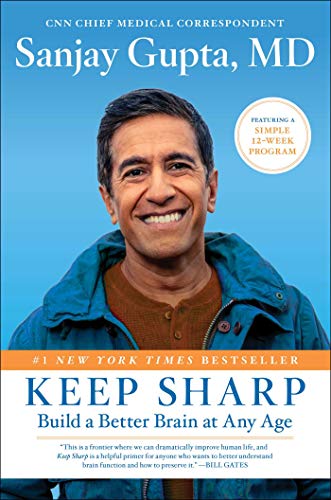
Overview: Keep Sharp: Build a Better Brain at Any Age gives readers a clearer, more established way to explore cognitive health, brain protection, and lifelong habits. It is a stronger fit for this list because its main ideas connect directly to the practical questions readers bring to this topic.
Why it stands out: This recommendation adds a distinct framework instead of repeating a generic introduction. It helps readers move from recognizing the issue to understanding the patterns, choices, or skills involved in cognitive health, brain protection, and lifelong habits.
Strengths:
- Directly connected to cognitive health, brain protection, and lifelong habits
- Offers a clear framework readers can return to
- More focused than a general-purpose self-help choice
- Works well alongside the other recommendations on this list
Best for: Readers who want a practical, focused resource on cognitive health, brain protection, and lifelong habits.
Potential limitations: It is an educational resource, not a diagnosis or a substitute for individualized care from a qualified professional.
View price, available formats, and reader reviews.
399 Games, Puzzles & Trivia Challenges Specially Designed to Keep Your Brain Young.
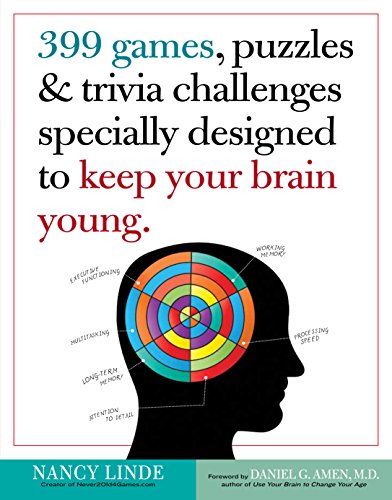
Overview: This is a hands-on brain training book built around games, puzzles, riddles, and trivia challenges. Instead of explaining neuroscience in long chapters, it asks readers to actively engage with mental tasks designed to stretch different kinds of thinking. That makes it a better fit for people who learn by doing.
Why it stands out: Not every brain-health reader wants theory. Some want something they can open and start using immediately. This book earns its place because it translates the idea of cognitive exercise into a concrete format. It is also one of the few selections here that is clearly workbook-like without being a journal or planner, which gives the list some useful variety.
Strengths:
- Very interactive and easy to start
- Good for readers who enjoy puzzles and mental variety
- Supports cognitive engagement in a low-pressure format
Best for: Adults who want an active, game-based way to keep their minds engaged.
Potential limitations: This is more of a mental exercise book than a science or medicine book, so readers seeking detailed brain-health guidance will want a companion title.
View price, available formats, and reader reviews.
The Tell-Tale Brain: A Neuroscientist’s Quest for What Makes Us Human

Overview: The Tell-Tale Brain: A Neuroscientist’s Quest for What Makes Us Human gives readers a clearer, more established way to explore how the brain supports perception, identity, and behavior. It is a stronger fit for this list because its main ideas connect directly to the practical questions readers bring to this topic.
Why it stands out: This recommendation adds a distinct framework instead of repeating a generic introduction. It helps readers move from recognizing the issue to understanding the patterns, choices, or skills involved in how the brain supports perception, identity, and behavior.
Strengths:
- Directly connected to how the brain supports perception, identity, and behavior
- Offers a clear framework readers can return to
- More focused than a general-purpose self-help choice
- Works well alongside the other recommendations on this list
Best for: Readers who want a practical, focused resource on how the brain supports perception, identity, and behavior.
Potential limitations: It is an educational resource, not a diagnosis or a substitute for individualized care from a qualified professional.
View price, available formats, and reader reviews.
The Brain’s Way of Healing: Remarkable Discoveries and Recoveries from the Frontiers of Neuroplasticity

Overview: The Brain’s Way of Healing: Remarkable Discoveries and Recoveries from the Frontiers of Neuroplasticity gives readers a clearer, more established way to explore brain recovery and neuroplasticity. It is a stronger fit for this list because its main ideas connect directly to the practical questions readers bring to this topic.
Why it stands out: This recommendation adds a distinct framework instead of repeating a generic introduction. It helps readers move from recognizing the issue to understanding the patterns, choices, or skills involved in brain recovery and neuroplasticity.
Strengths:
- Directly connected to brain recovery and neuroplasticity
- Offers a clear framework readers can return to
- More focused than a general-purpose self-help choice
- Works well alongside the other recommendations on this list
Best for: Readers who want a practical, focused resource on brain recovery and neuroplasticity.
Potential limitations: It is an educational resource, not a diagnosis or a substitute for individualized care from a qualified professional.
View price, available formats, and reader reviews.
Who This List Is Best For
This list is best for readers who want more than generic wellness advice. It will be especially useful for:
- Adults thinking about healthy aging and long-term cognitive protection
- Readers interested in neuroscience but not looking for a textbook
- People who want practical habits for memory, focus, or mental clarity
- Readers exploring trauma, stress, or anxiety as part of brain health
- Lifelong learners who want a credible introduction to how the brain works
Final Thoughts
If your main goal is to understand brain health in a serious, useful way, start with The Body Keeps the Score for trauma and nervous system insight, or Change Your Brain, Change Your Life if you want a broader and more approachable entry point. If your priority is prevention and aging, The Ageless Brain and Keep Sharp: Build a Better Brain at Any Age are the most directly relevant picks.
For readers who want a more specialized angle, Brain Maker is the clearest nutrition-centered choice, while 399 Games, Puzzles & Trivia Challenges Specially Designed to Keep Your Brain Young. is best when you want active mental exercise instead of theory. The right book depends on whether you are trying to understand the brain, protect it, or work with the habits that affect it every day.
FAQ
Which book is best for beginners?
Change Your Brain, Change Your Life is the most accessible general starting point. It covers several common concerns, including focus, mood, and memory, without requiring a technical background.
Which book is best for brain health and aging?
The Ageless Brain is the strongest fit for readers who want a practical, long-term view of protecting cognition as they get older.
Which book is most practical?
Keep Sharp: Build a Better Brain at Any Age is the most action-oriented option on the list, especially for readers who want a direct prevention focus.
Which book is best if I want to understand trauma and the brain?
The Body Keeps the Score is the standout choice. It offers a serious clinical view of how trauma affects cognition, emotion, and the body.
Can I improve brain health through self-study?
Yes, within limits. Books can help you build better habits and understand the science, but they are not a substitute for medical evaluation or mental health care when symptoms are serious or persistent.
Which book should I read first?
If you want a broad introduction, start with Change Your Brain, Change Your Life. If you already know your focus, choose the most specific match, such as Brain Maker for nutrition or The Body Keeps the Score for trauma.




