
Work ethic is one of those ideas that sounds simple until you try to define it in real life. For some readers, it means building steadiness and discipline. For others, it means learning how to follow through, stay focused, or take pride in ordinary work. And for managers or leaders, it can mean something broader: helping a team develop habits that support responsibility, consistency, and craft.
The books below approach that problem from different angles. A few focus on classical virtue and character. Others are more practical, aimed at leadership, productivity, or the habits that make good work possible. Together, they give readers a useful range of ways to think about best books for work ethic without reducing the topic to a slogan.
Quick Answer
If you want the clearest entry point into work ethic, start with Die Empty: Unleash Your Best Work Every Day. It gives you a useful foundation in discipline, virtue, meaning, and the difference between dependable effort and unhealthy overwork. Choose The Nicomachean Ethics (Penguin Classics) when you want a more applied or contrasting approach, and use Letters from a Stoic (Penguin Classics) when you want to extend the idea into a different context.
This list is designed for professionals, managers, and readers rebuilding pride in their work. The recommendations are intentionally varied: some explain the underlying research, some offer exercises, and some are strongest as narrative or leadership case studies. That variety makes it easier to choose a book that matches your current question rather than buying the longest list.
Comparison Table
| Book | Best For | Why It Stands Out |
|---|---|---|
| Die Empty: Unleash Your Best Work Every Day | Professionals, freelancers, and readers who want a direct push toward stronger personal discipline and better output. | Among books for work ethic, this one is especially useful for readers who need a practical reset. It is less concerned with abstract ideals than with the discipline of using your time and ability well. That makes it a strong fit for… |
| The Nicomachean Ethics (Penguin Classics) | Students, reflective readers, and anyone who wants a serious intellectual basis for thinking about discipline and work. | This is the most foundational book on the list. It does not speak about work ethic in a corporate or self-help register, but it explains the habits underneath enduring discipline. Readers who want to understand the classical roots of… |
| Letters from a Stoic (Penguin Classics) | Readers who want a philosophical companion for building steadier habits and better mental discipline. | Compared with broader books on philosophy, this one is unusually accessible in short bursts. That makes it a good choice for readers who want wisdom they can return to gradually. The book also complements more practical titles on this… |
| Wisdom Takes Work: Learn. Apply. Repeat. (The Stoic Virtues Series) | Readers who want a modern, readable book that supports consistent effort and thoughtful self-discipline. | The main advantage here is its focus on repetition as part of growth. Some books on discipline stop at motivation. This one moves toward practice, which is where work ethic actually lives. It also gives modern readers a contemporary entry… |
| Reviving Work Ethic: A Leader’s Guide to Ending Entitlement and Restoring Pride in the Emerging Workplace | Leaders, supervisors, and managers who want to think seriously about effort, responsibility, and workplace expectations. | Unlike the more philosophical books on this list, this one speaks directly to leaders responsible for shaping other people’s habits. It belongs here because work ethic often depends on environment as much as individual willpower. Readers… |
| Doing Good Better: How Effective Altruism Can Help You Help Others, Do Work that Matters, and Make Smarter Choices about Giving Back | Readers who want to combine strong work habits with a more thoughtful sense of effectiveness and social value. | Many books on work ethic emphasize persistence. This one adds an important second layer: effectiveness. Readers who already work hard but want to work more intelligently will benefit from its reasoning. It is especially strong for… |
| Ethics 101: What Every Leader Needs To Know (101 Series) | Managers, new leaders, and readers who want a short, readable entry point into ethical decision-making at work. | For readers who want something shorter and more approachable than a classical text, this is a practical middle ground. It does not try to cover every angle of character or motivation. Instead, it gives leaders a clear introduction to the… |
| Slow Burn: The Work and Wonder of the Wait | Readers who are discouraged by slow progress or want to build a steadier relationship with long-term effort. | Many books on effort focus on output. This one is valuable because it addresses the emotional side of sustained discipline. Readers who struggle with impatience, discouragement, or the pressure to see immediate results may find it… |
How We Chose These Recommendations
These books were selected for their usefulness, staying power, and relevance to the real problems readers face when they want to strengthen work ethic. That means a mix of philosophical grounding, practical application, and leadership-focused reading, rather than a list built around popularity alone.
Some of these books help readers understand why discipline matters. Others focus on how to act with consistency, patience, or integrity in a work setting. Each recommendation earns its place by offering a distinct angle on the same larger question: how do you build a stronger relationship with work, effort, and responsibility?
Recommended Books
Die Empty: Unleash Your Best Work Every Day

Overview: Die Empty is built around a simple but demanding idea: do not save your best effort for some later, more convenient time. The book encourages readers to approach daily work with urgency, intention, and a refusal to coast. Its emphasis is not on hustle culture or empty motivation. Instead, it focuses on the habits of showing up fully, finishing well, and taking responsibility for the work in front of you.
Why it stands out: Among books for work ethic, this one is especially useful for readers who need a practical reset. It is less concerned with abstract ideals than with the discipline of using your time and ability well. That makes it a strong fit for professionals who feel stuck, underutilized, or inconsistent. The tone is direct, and the message is clear enough to be actionable without becoming simplistic.
Strengths:
- Focuses on daily execution, not vague inspiration
- Useful for readers who want to improve follow-through
- Connects effort with purpose in a straightforward way
Best for: Professionals, freelancers, and readers who want a direct push toward stronger personal discipline and better output.
Potential limitations: Readers looking for a highly academic or deeply philosophical treatment of work ethic may find it more practical than theoretical.
View price, available formats, and reader reviews.
The Nicomachean Ethics (Penguin Classics)

Overview: Aristotle’s The Nicomachean Ethics remains one of the most influential books on character, habit, and virtue. For readers interested in work ethic, it offers something many modern books do not: a serious framework for understanding why repeated actions shape who we become. The book is not about productivity tricks. It is about the formation of excellent character through deliberate practice and moral clarity.
Why it stands out: This is the most foundational book on the list. It does not speak about work ethic in a corporate or self-help register, but it explains the habits underneath enduring discipline. Readers who want to understand the classical roots of responsibility, moderation, and practical wisdom will find it especially rewarding. It asks more of the reader than a typical modern guide, but the payoff is depth.
Strengths:
- Foundational text on virtue and habit
- Offers long-term perspective rather than quick fixes
- Useful for readers interested in philosophy, ethics, and character formation
Best for: Students, reflective readers, and anyone who wants a serious intellectual basis for thinking about discipline and work.
Potential limitations: It is denser and more philosophical than most books on this list, so it may not be the best starting point for readers who want immediate practical advice.
View price, available formats, and reader reviews.
Letters from a Stoic (Penguin Classics)
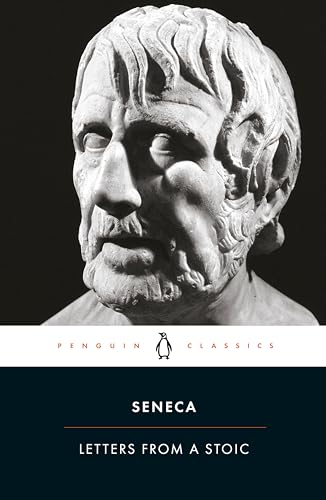
Overview: Seneca’s letters offer compact reflections on discipline, self-control, resilience, and the proper use of time. For readers thinking about work ethic, the value here lies in the steady moral pressure of Stoic thought. Seneca does not treat effort as a performance. He treats it as part of a larger project of becoming more capable, more focused, and less ruled by distraction or vanity.
Why it stands out: Compared with broader books on philosophy, this one is unusually accessible in short bursts. That makes it a good choice for readers who want wisdom they can return to gradually. The book also complements more practical titles on this list because it addresses the inner habits that support consistency. If Die Empty pushes readers toward action, Letters from a Stoic helps explain the mindset behind durable self-discipline.
Strengths:
- Concise, reflective, and easy to revisit
- Offers practical Stoic guidance on effort and self-command
- Strong choice for readers who prefer ideas over advice checklists
Best for: Readers who want a philosophical companion for building steadier habits and better mental discipline.
Potential limitations: The letters are not organized as a modern how-to book, so readers looking for step-by-step work ethic strategies may want a more practical title first.
View price, available formats, and reader reviews.
Wisdom Takes Work: Learn. Apply. Repeat. (The Stoic Virtues Series)

Overview: This modern Stoic book emphasizes the relationship between learning and repeated practice. That makes it a natural fit for readers who want work ethic to mean more than just effort. The book treats wisdom as something that has to be applied, tested, and revisited, which is a useful way to think about improvement in work and in life.
Why it stands out: The main advantage here is its focus on repetition as part of growth. Some books on discipline stop at motivation. This one moves toward practice, which is where work ethic actually lives. It also gives modern readers a contemporary entry point into Stoic ideas without requiring them to start with a classical text. For that reason, it sits comfortably between the philosophical and the practical ends of this list.
Strengths:
- Connects wisdom with action and repetition
- Good bridge between philosophy and daily practice
- Approachable for readers new to Stoicism
Best for: Readers who want a modern, readable book that supports consistent effort and thoughtful self-discipline.
Potential limitations: Readers who want the original classical sources may prefer Letters from a Stoic or The Nicomachean Ethics first.
View price, available formats, and reader reviews.
Reviving Work Ethic: A Leader’s Guide to Ending Entitlement and Restoring Pride in the Emerging Workplace

Overview: This book addresses work ethic as a leadership problem, not just a personal one. It focuses on workplace culture, expectations, accountability, and pride in work. That makes it especially relevant for managers who are trying to strengthen standards without resorting to vague speeches about motivation. The emphasis is organizational, direct, and clearly tied to the realities of the modern workplace.
Why it stands out: Unlike the more philosophical books on this list, this one speaks directly to leaders responsible for shaping other people’s habits. It belongs here because work ethic often depends on environment as much as individual willpower. Readers who need to improve team standards, clarify expectations, or think more carefully about workplace culture will find this far more targeted than generic business advice.
Strengths:
- Focused specifically on work ethic in a leadership context
- Addresses accountability and workplace culture directly
- Useful for managers and supervisors
Best for: Leaders, supervisors, and managers who want to think seriously about effort, responsibility, and workplace expectations.
Potential limitations: Readers looking for a personal-development book may find it more organizational than introspective.
View price, available formats, and reader reviews.
Doing Good Better: How Effective Altruism Can Help You Help Others, Do Work that Matters, and Make Smarter Choices about Giving Back

Overview: Although this book is often discussed in the context of charity and effective altruism, it also speaks meaningfully to work ethic because it treats effort as something that should be judged by results, not intention alone. The book encourages readers to think carefully about where their time, money, and energy have the most value. That perspective is useful for people who want diligence to be paired with judgment.
Why it stands out: Many books on work ethic emphasize persistence. This one adds an important second layer: effectiveness. Readers who already work hard but want to work more intelligently will benefit from its reasoning. It is especially strong for professionals, nonprofit workers, and analytically minded readers who want their effort to produce real impact rather than just visible busyness.
Strengths:
- Connects effort with measurable impact
- Encourages smarter decision-making, not just harder work
- Useful for readers who care about purpose and results
Best for: Readers who want to combine strong work habits with a more thoughtful sense of effectiveness and social value.
Potential limitations: Its subject matter leans toward ethics and impact analysis, so it is less of a pure work ethic manual than some readers may expect.
View price, available formats, and reader reviews.
Ethics 101: What Every Leader Needs To Know (101 Series)

Overview: This is a concise introduction to ethical thinking for leaders, which matters here because work ethic is not only about effort. It is also about judgment, fairness, and what kind of standards a leader sets. The book gives readers a basic framework for thinking through ethical responsibility in a business or organizational setting.
Why it stands out: For readers who want something shorter and more approachable than a classical text, this is a practical middle ground. It does not try to cover every angle of character or motivation. Instead, it gives leaders a clear introduction to the ethical side of work, which is often overlooked in conversations about productivity and grit. That makes it a strong fit for busy readers who need useful context without a heavy commitment.
Strengths:
- Accessible format for time-pressed readers
- Useful introduction to ethics in leadership
- Connects workplace decisions with standards and responsibility
Best for: Managers, new leaders, and readers who want a short, readable entry point into ethical decision-making at work.
Potential limitations: It is introductory by design, so readers wanting deeper philosophical or behavioral treatment may want a more substantial book alongside it.
View price, available formats, and reader reviews.
Slow Burn: The Work and Wonder of the Wait

Overview: Slow Burn approaches work ethic through patience, timing, and the discipline of waiting well. That is a useful angle because strong work ethic is not only about intensity. It is also about staying steady when progress is slow, results take time, or the rewarding part of the work is still ahead. The book gives readers a way to think about persistence without reducing it to sheer force.
Why it stands out: Many books on effort focus on output. This one is valuable because it addresses the emotional side of sustained discipline. Readers who struggle with impatience, discouragement, or the pressure to see immediate results may find it especially helpful. It broadens the list by showing that work ethic includes endurance, not just activity.
Strengths:
- Useful for readers who need to build patience and persistence
- Offers a calmer, more reflective perspective on hard work
- Balances the more intense or directive books on this list
Best for: Readers who are discouraged by slow progress or want to build a steadier relationship with long-term effort.
Potential limitations: It is more reflective than tactical, so readers who want direct productivity strategies may want to pair it with a more practical title.
View price, available formats, and reader reviews.
Who This List Is Best For
These recommendations are a good fit for professionals, managers, and readers rebuilding pride in their work. They are especially useful if you want to understand work ethic with more nuance than a short checklist, quote, or social-media summary can provide.
- Readers who want a clear conceptual foundation before choosing a technique.
- People who prefer to compare research, practical exercises, and real-world examples.
- Professionals, students, or caregivers who need language they can apply in a real conversation or decision.
Use the Best For and Why It Stands Out columns together. A book can be excellent yet still be the wrong starting point if its depth, tone, or intended reader does not match your goal.
Final Thoughts
The strongest choice for work ethic depends on what you need to do next. Begin with Die Empty: Unleash Your Best Work Every Day if you need a foundation, move to The Nicomachean Ethics (Penguin Classics) if you need a practical change, and consider Letters from a Stoic (Penguin Classics) if you need a broader or more challenging perspective. The comparison table is meant to shorten that decision, not pretend that one book works for every reader.
A useful reading plan is simple: select one book, write down the question you want it to answer, and apply one idea before moving to another recommendation. For this topic, define what good work means in your role and build a repeatable standard rather than chasing constant intensity. work ethic is shaped by systems and incentives as well as personal character.
FAQ
Which book should I read first for work ethic?
Start with Die Empty: Unleash Your Best Work Every Day if you want the clearest foundation. If your immediate need is action rather than background, compare it with The Nicomachean Ethics (Penguin Classics) and choose the one whose exercises, examples, or audience match your situation.
How do I choose between a research-based book and a workbook?
Choose the research-oriented option when you need context and a better mental model. Choose the workbook or practical guide when you already understand the problem and need repetition, prompts, or a structured plan. The table’s Best For column is the fastest way to make that distinction.
What is a practical way to use books about work ethic?
Do not read the whole list at once. Pick one recommendation, define the behavior or decision you want to improve, and test a small idea from the book for seven days. For this topic, define what good work means in your role and build a repeatable standard rather than chasing constant intensity.
Are these recommendations suitable for self-study?
Yes, for education and structured reflection. Take notes in your own words, mark claims you want to verify, and discuss difficult ideas with a trusted person or qualified professional when appropriate.
Do I need to read every book on the list?
No. One well-matched book that changes what you notice or do is more valuable than collecting several recommendations without applying any of them.




