
Coaching is not just about drills, systems, and motivation. It is also about attention, confidence, learning, pressure, communication, and the small mental habits that shape performance over time. That is why the best psychology books for coaches tend to do one of two things well: they either help you understand how people actually change, or they give you practical ways to guide athletes, clients, or teams without overcoaching them. The strongest books on this topic are rarely the flashiest. They are the ones that translate psychology into better conversations, better feedback, and better decisions under pressure.
Because coaching spans so many settings, the right book depends on what kind of coach you are. Some readers need evidence-based sport psychology. Others want a clearer grasp of mindset, motivation, or habit formation. A few books are especially useful for youth coaches, while others are broader classics that still shape how performance psychology is taught and applied.
Quick Answer
If you want the clearest entry point into psychology for coaches, start with The Inner Game of Tennis. It gives you a useful foundation in attention, mindset, motivation, confidence, feedback, and the ethical boundary between coaching and treatment. Choose Mindset: The New Psychology of Success when you want a more applied or contrasting approach, and use Sport Psychology for Youth Coaches: Developing Champions in Sports and Life when you want to extend the idea into a different context.
This list is designed for coaches, mentors, and practitioners supporting motivation and performance. The recommendations are intentionally varied: some explain the underlying research, some offer exercises, and some are strongest as narrative or leadership case studies. That variety makes it easier to choose a book that matches your current question rather than buying the longest list.
Comparison Table
| Book | Best For | Why It Stands Out |
|---|---|---|
| The Inner Game of Tennis | Coaches who want a foundational book on attention, confidence, and mental interference. | Few books have influenced performance psychology as widely or as enduringly. Coaches still return to it because it offers a cleaner, more observant approach than the usual “try harder” advice. Instead of piling on technical correction, it… |
| Mindset: The New Psychology of Success | Coaches who want to reinforce resilience, effort, and a learning-oriented culture. | This book earns its place because it gives coaches a language for the psychological patterns they see every day. It is especially useful when working on confidence, persistence, and the way praise is delivered. Compared with broader… |
| Sport Psychology for Youth Coaches: Developing Champions in Sports and Life | Youth coaches, club coaches, and anyone working with developing athletes. | Many sport psychology books are written for adults or elite competitors and assume a level of maturity that younger athletes do not yet have. This one is more specific and therefore more useful for its audience. It helps coaches build… |
| The Champion’s Mind: How Great Athletes Think, Train, and Thrive | Coaches who want a usable mental performance book with a sport-first perspective. | Compared with classic psychology texts, this one is more directly oriented toward the day-to-day life of an athlete. That makes it a helpful bridge book for coaches who want something practical without losing sight of the mental side of… |
| Wooden: A Lifetime of Observations and Reflections On and Off the Court | Coaches who want to build culture, discipline, and trust. | For coaches who care about culture, consistency, and leadership, this is one of the most useful books on the list. Its strength is not in psychology jargon but in practical wisdom that maps well onto modern coaching problems. It works… |
| Coach Wooden’s Pyramid of Success: Building Blocks for a Better Life – A Guide to Self-Improvement and Personal Development for Success | Coaches who want a practical culture-building model grounded in Wooden’s philosophy. | Unlike broader leadership books, this one provides a memorable framework that can be taught, repeated, and applied in team environments. That makes it especially helpful for coaches who want a shared language around standards and personal… |
How We Chose These Recommendations
This list focuses on books that actually help coaches understand and influence behavior. We favored titles with lasting value, clear practical use, and a strong reputation in performance, sport psychology, or coaching culture. That means balancing classic psychology books with books written specifically for coaches and athletes.
We also looked for variety. A good coaching library should not repeat the same lesson six different ways. Some books here explain mindset and learning. Others focus on attention, pressure, leadership, or youth development. Together, they give coaches a more useful toolkit than a stack of generic self-help titles.
Recommended Books
The Inner Game of Tennis

Overview: W. Timothy Gallwey’s classic focuses on the mental side of performance, especially the tension between conscious instruction and natural execution. Although it is framed around tennis, the book’s real value for coaches is its way of explaining attention, self-judgment, and the coaching habits that either help or hinder learning.
Why it stands out: Few books have influenced performance psychology as widely or as enduringly. Coaches still return to it because it offers a cleaner, more observant approach than the usual “try harder” advice. Instead of piling on technical correction, it encourages coaches to notice what is getting in the athlete’s way mentally. That makes it especially useful for anyone trying to build skill under pressure.
Strengths:
- Clear explanation of performance interference and overthinking
- Compact and accessible, despite its lasting influence
- Useful across sports and other performance settings
- Encourages coaching that supports learning rather than micromanaging it
Best for: Coaches who want a foundational book on attention, confidence, and mental interference.
Potential limitations: It is sport-specific in setting and somewhat philosophical in tone, so readers looking for a modern, research-heavy manual may want to pair it with a more recent sport psychology book.
View price, available formats, and reader reviews.
Mindset: The New Psychology of Success

Overview: Carol S. Dweck’s book explains how beliefs about ability shape effort, resilience, feedback, and response to setbacks. For coaches, the practical value is straightforward: it helps distinguish between athletes who treat mistakes as information and athletes who treat mistakes as proof they are not good enough.
Why it stands out: This book earns its place because it gives coaches a language for the psychological patterns they see every day. It is especially useful when working on confidence, persistence, and the way praise is delivered. Compared with broader motivation books, it is more focused on the learning process itself, which makes it easy to apply in practice and in team culture.
Strengths:
- Explains a core concept in psychology in a usable way
- Helps coaches think more carefully about praise, criticism, and effort
- Relevant to both individual development and team culture
- Accessible for readers without a psychology background
Best for: Coaches who want to reinforce resilience, effort, and a learning-oriented culture.
Potential limitations: The central framework is powerful, but the book is not a step-by-step coaching manual. Readers may need to translate the ideas into their own sport or setting.
View price, available formats, and reader reviews.
Sport Psychology for Youth Coaches: Developing Champions in Sports and Life
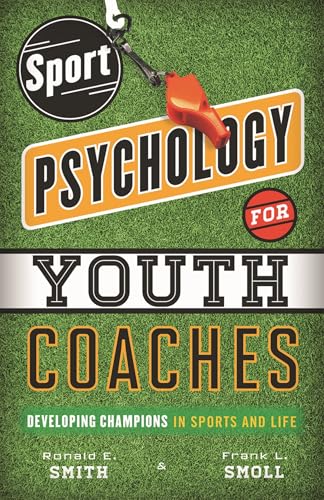
Overview: This book is aimed directly at the realities of coaching young athletes. It addresses the mental, emotional, and developmental needs that matter most in youth sports, where confidence, motivation, enjoyment, and parent dynamics often matter as much as tactics or technique.
Why it stands out: Many sport psychology books are written for adults or elite competitors and assume a level of maturity that younger athletes do not yet have. This one is more specific and therefore more useful for its audience. It helps coaches build healthy habits without turning youth sports into a pressure cooker, which is exactly where many coaches need guidance.
Strengths:
- Directly relevant to youth coaching rather than general performance theory
- Addresses the emotional side of development, not just competition
- Useful for communication with athletes and parents
- Balances performance goals with long-term development
Best for: Youth coaches, club coaches, and anyone working with developing athletes.
Potential limitations: Readers coaching older or elite athletes may find the scope too narrowly focused on youth settings.
View price, available formats, and reader reviews.
The Champion’s Mind: How Great Athletes Think, Train, and Thrive

Overview: This book looks at the mental habits behind durable performance, including focus, discipline, confidence, and competitive preparation. It is written in a straightforward style that makes it easy for coaches to pull useful ideas into training conversations and pre-competition routines.
Why it stands out: Compared with classic psychology texts, this one is more directly oriented toward the day-to-day life of an athlete. That makes it a helpful bridge book for coaches who want something practical without losing sight of the mental side of performance. It is especially handy for coaches who work on routines, mindset, and resilience rather than abstract theory.
Strengths:
- Practical and easy to apply in real coaching settings
- Covers the mental habits that support consistent performance
- Useful for individual and team athletes alike
- Readable for coaches who want application over theory
Best for: Coaches who want a usable mental performance book with a sport-first perspective.
Potential limitations: It is more applied than academic, so readers looking for deeper psychological research may want to supplement it with a more rigorous text.
View price, available formats, and reader reviews.
Wooden: A Lifetime of Observations and Reflections On and Off the Court

Overview: Written from John Wooden’s perspective and shaped with Steve Jamison, this book is a thoughtful collection of observations on coaching, leadership, preparation, and character. It is less about drills or tactics and more about the habits and values that sustain a strong program over time.
Why it stands out: For coaches who care about culture, consistency, and leadership, this is one of the most useful books on the list. Its strength is not in psychology jargon but in practical wisdom that maps well onto modern coaching problems. It works especially well for readers who want to think more carefully about how standards are built and maintained.
Strengths:
- Strong focus on leadership and team culture
- Readable reflections from a legendary coach
- Useful for coaches who want values-based guidance
- Encourages long-term thinking over short-term hype
Best for: Coaches who want to build culture, discipline, and trust.
Potential limitations: It is more reflective than instructional, so coaches looking for a structured psychology framework may want to pair it with a more technique-driven book.
View price, available formats, and reader reviews.
Coach Wooden’s Pyramid of Success: Building Blocks for a Better Life – A Guide to Self-Improvement and Personal Development for Success

Overview: This book presents Wooden’s well-known Pyramid of Success as a structured framework for developing character, discipline, and team habits. For coaches, the appeal is its clarity. The model gives a simple way to discuss effort, cooperation, confidence, and preparation without wandering into vague motivational talk.
Why it stands out: Unlike broader leadership books, this one provides a memorable framework that can be taught, repeated, and applied in team environments. That makes it especially helpful for coaches who want a shared language around standards and personal development. It is not a theory-heavy psychology text, but it is highly usable as a coaching tool.
Strengths:
- Clear framework that is easy to share with athletes or staff
- Connects character development with performance habits
- Useful for team culture and program identity
- Concise enough to revisit during a season
Best for: Coaches who want a practical culture-building model grounded in Wooden’s philosophy.
Potential limitations: Readers wanting a more research-based psychology book will find it more values-driven than evidence-focused.
View price, available formats, and reader reviews.
Who This List Is Best For
These recommendations are a good fit for coaches, mentors, and practitioners supporting motivation and performance. They are especially useful if you want to understand psychology for coaches with more nuance than a short checklist, quote, or social-media summary can provide.
- Readers who want a clear conceptual foundation before choosing a technique.
- People who prefer to compare research, practical exercises, and real-world examples.
- Professionals, students, or caregivers who need language they can apply in a real conversation or decision.
Use the Best For and Why It Stands Out columns together. A book can be excellent yet still be the wrong starting point if its depth, tone, or intended reader does not match your goal.
Final Thoughts
The strongest choice for psychology for coaches depends on what you need to do next. Begin with The Inner Game of Tennis if you need a foundation, move to Mindset: The New Psychology of Success if you need a practical change, and consider Sport Psychology for Youth Coaches: Developing Champions in Sports and Life if you need a broader or more challenging perspective. The comparison table is meant to shorten that decision, not pretend that one book works for every reader.
A useful reading plan is simple: select one book, write down the question you want it to answer, and apply one idea before moving to another recommendation. For this topic, translate one psychological idea into a question or practice that the client can test in context. coaches should not diagnose or treat mental-health conditions outside their training and scope. Books can support reflection and skills practice, but they are not a substitute for qualified professional care when symptoms are severe, persistent, or unsafe.
FAQ
Which book should I read first for psychology for coaches?
Start with The Inner Game of Tennis if you want the clearest foundation. If your immediate need is action rather than background, compare it with Mindset: The New Psychology of Success and choose the one whose exercises, examples, or audience match your situation.
How do I choose between a research-based book and a workbook?
Choose the research-oriented option when you need context and a better mental model. Choose the workbook or practical guide when you already understand the problem and need repetition, prompts, or a structured plan. The table’s Best For column is the fastest way to make that distinction.
What is a practical way to use books about psychology for coaches?
Do not read the whole list at once. Pick one recommendation, define the behavior or decision you want to improve, and test a small idea from the book for seven days. For this topic, translate one psychological idea into a question or practice that the client can test in context.
Are these recommendations suitable for self-study?
Yes, for education and structured reflection. Take notes in your own words, mark claims you want to verify, and discuss difficult ideas with a trusted person or qualified professional when appropriate. Books can support reflection and skills practice, but they are not a substitute for qualified professional care when symptoms are severe, persistent, or unsafe.
Do I need to read every book on the list?
No. One well-matched book that changes what you notice or do is more valuable than collecting several recommendations without applying any of them.