
Bad Blood is a business story that reads with the tension of a thriller because the central question is never only whether a company is lying. It is how many people can be made to participate in the lie before the facts become impossible to ignore. John Carreyrou follows Theranos from ambitious promise to elaborate deception, but the most revealing details are human: employees trying to reconcile their doubts with the founder’s confidence, investors confusing secrecy with genius, and patients trusting a machine that did not do what it claimed. Readers comparing books like Bad Blood will find that the most useful match depends on which part of the seed book created the strongest attachment: its voice, argument, setting, characters, problem, or promise of change.
The best books like Bad Blood should investigate a system, not simply expose a villain. These selections share at least two or three major qualities with Carreyrou’s work: document-driven reporting, a charismatic or powerful institution, suppressed warnings, money or prestige amplifying bad evidence, and consequences that spread beyond the boardroom. The titles below cover healthcare, finance, media, technology, and corporate culture while preserving the narrative pressure of an investigation.
The Pitch Was Easier to Believe Than the Evidence
Choose The Smartest Guys in the Room for accounting fraud, The Big Short for a financial system that rewarded denial, and Catch and Kill for reporting under intimidation. No Filter follows Instagram’s growth, Billion Dollar Whale a global financial con, and The Wizard of Lies a family-sized Ponzi scheme. Enron, The Cult of We, and Red Notice widen the lens to corporate culture, governance, and state pressure.
At-a-Glance Comparison
| Book | Best for | Major qualities shared with Bad Blood |
|---|---|---|
| The Smartest Guys in the Room | Readers who want the clearest corporate-culture and accounting-fraud parallel | Charismatic executives, financial deception, ignored warnings, corporate pressure, distorted incentives, and employees trapped inside a prestigious story |
| The Big Short | Readers who want a more comic route into systemic financial failure | Complex financial products, contrarian investigators, institutional denial, incentives, evidence ignored by experts, and consequences passed to ordinary people |
| Catch and Kill | Readers who want reporting under intimidation and institutional protection of powerful people | Investigative journalism, suppressed evidence, whistleblowers, legal threats, secrecy, media power, and reporters trying to protect a story |
| Enron: The Rise and Fall | Readers who want a shorter corporate history of financial illusion | Accounting deception, energy markets, executive ambition, regulatory failure, corporate spectacle, and the distance between reported performance and lived reality |
| The Wizard of Lies | Readers who want fraud through family, trust, and a single dominant figure | Ponzi finance, family secrecy, reputation, investor trust, regulatory failure, charismatic authority, and the private cost of public deception |
| Billion Dollar Whale | Readers who want an international financial con with political connections | Luxury, forged credibility, shell companies, celebrity networks, political access, investigative reporting, and a scam that crosses borders |
| No Filter | Readers who want technology growth, founder culture, and governance under pressure | Startup ambition, rapid scaling, platform power, founder mythology, employee culture, acquisition, and the tension between product success and institutional responsibility |
| The Cult of We | Readers who want a charismatic-founder story and the collapse of a social fantasy | Founder charisma, corporate hype, employee loyalty, personal branding, financial promises, governance failure, and the emotional power of belonging to a mission |
| Red Notice | Readers who want business, corruption, and confrontation with state power | International finance, political pressure, whistleblowing, legal danger, corruption, evidence, and a businessperson forced into activism |
What Makes an Investigative Business Book Comparable?
I looked for reporting that shows how information moves through organizations: who knows, who is ignored, who benefits from ambiguity, and who pays when the public story collapses. A recommendation needed more than a famous scandal. It had to offer evidence, institutional context, and a readable chain of consequences. Some books are more financial, some more personal, and some more geopolitical; the notes make that difference explicit.
The 9 Recommended Books
The Smartest Guys in the Room

Overview: Bethany McLean and Peter Elkind trace Enron’s rise from energy company to financial illusion. The book explains the accounting structures, executive personalities, and political relationships that let a business appear more successful as its underlying reality deteriorated.
Why it belongs on this list: The connection is strongest through charismatic executives, financial deception, ignored warnings, corporate pressure, distorted incentives, and employees trapped inside a prestigious story. The Smartest Guys in the Room approaches the seed’s concerns from a different angle, adding its own evidence, examples, and limits instead of repeating a familiar list of advice. It is especially useful for readers who want the clearest corporate-culture and accounting-fraud parallel because it makes the underlying choice more visible: what to protect, what to question, and what may not be under personal control.
Reading experience: Like Bad Blood, it shows that fraud is not a single secret kept by one genius. It is a social system in which people accept impossible results because the company, the market, and their own careers reward belief.
Best for: Readers who want the clearest corporate-culture and accounting-fraud parallel.
Keep in mind: Detailed but narrative-driven, with enough financial explanation to make the deception legible without losing the human drama.
What to notice: Readers may arrive at The Smartest Guys in the Room because of charismatic executives, financial deception, ignored warnings, corporate pressure, distorted incentives, and employees trapped inside a prestigious story, yet its lasting value lies in the complications attached to that promise. The book asks what happens when a desirable change meets fatigue, unequal resources, competing duties, or an imperfect environment. That makes it a genuine next read: related enough to satisfy the original interest, but independent enough to widen it.
View available editions and reader reviews.
The Big Short
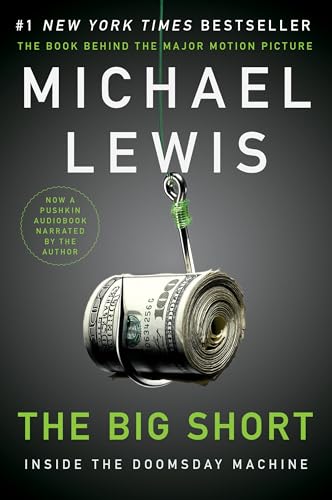
Overview: Michael Lewis follows traders and analysts who recognized that the mortgage market was built on unstable assumptions. Their bets against the system looked absurd until the housing bubble broke, exposing a financial structure that had been profitable precisely because its risks were distributed and obscured.
Why it belongs on this list: The connection is strongest through complex financial products, contrarian investigators, institutional denial, incentives, evidence ignored by experts, and consequences passed to ordinary people. The Big Short approaches the seed’s concerns from a different angle, adding its own evidence, examples, and limits instead of repeating a familiar list of advice. It is especially useful for readers who want a more comic route into systemic financial failure because it makes the underlying choice more visible: what to protect, what to question, and what may not be under personal control.
Reading experience: The connection to Bad Blood is the tension between technical evidence and social confidence. Lewis uses humor and colorful characters, but the book still shows how expertise can become theater when institutions prefer a profitable story to a difficult fact.
Best for: Readers who want a more comic route into systemic financial failure.
Keep in mind: Fast, witty, and explanatory, with financial concepts introduced through personalities, trades, and moments of disbelief.
What to notice: The right reading pace for The Big Short depends on what the reader needs from readers who want a more comic route into systemic financial failure. Its discussion of complex financial products, contrarian investigators, institutional denial, incentives, evidence ignored by experts, and consequences passed to ordinary people is clear enough to revisit, but it also benefits from pausing over examples and disagreements. Give the author room to make a case before deciding whether the ideas fit your work, health, relationships, and available freedom.
View available editions and reader reviews.
Catch and Kill
Overview: Ronan Farrow recounts the reporting that exposed sexual abuse allegations against powerful men while describing the legal, corporate, and personal pressure used to stop publication. Sources disappear, contracts are weaponized, and the act of reporting becomes a risk-management problem.
Why it belongs on this list: The connection is strongest through investigative journalism, suppressed evidence, whistleblowers, legal threats, secrecy, media power, and reporters trying to protect a story. Catch and Kill approaches the seed’s concerns from a different angle, adding its own evidence, examples, and limits instead of repeating a familiar list of advice. It is especially useful for readers who want reporting under intimidation and institutional protection of powerful people because it makes the underlying choice more visible: what to protect, what to question, and what may not be under personal control.
Reading experience: The book shares Carreyrou’s focus on the chain between a warning and the institution that refuses to act. Its subject is media rather than healthcare, but both books make documentation and source protection part of the suspense.
Best for: Readers who want reporting under intimidation and institutional protection of powerful people.
Keep in mind: Procedural and tense, with interviews, documents, newsroom politics, and an investigative structure that moves between individual testimony and institutional resistance.
What to notice: Readers may arrive at Catch and Kill because of investigative journalism, suppressed evidence, whistleblowers, legal threats, secrecy, media power, and reporters trying to protect a story, yet its lasting value lies in the complications attached to that promise. The book asks what happens when a desirable change meets fatigue, unequal resources, competing duties, or an imperfect environment. That makes it a genuine next read: related enough to satisfy the original interest, but independent enough to widen it.
View available editions and reader reviews.
Enron: The Rise and Fall

Overview: This account follows Enron’s transformation from an energy trader into a company whose complexity hid the collapse beneath it. It is useful for readers who want a more concentrated explanation of how market language, aggressive accounting, and executive culture can make a company appear invulnerable.
Why it belongs on this list: The connection is strongest through accounting deception, energy markets, executive ambition, regulatory failure, corporate spectacle, and the distance between reported performance and lived reality. Enron: The Rise and Fall approaches the seed’s concerns from a different angle, adding its own evidence, examples, and limits instead of repeating a familiar list of advice. It is especially useful for readers who want a shorter corporate history of financial illusion because it makes the underlying choice more visible: what to protect, what to question, and what may not be under personal control.
Reading experience: The match is strongest in the anatomy of institutional confidence. Both stories ask why investors, employees, and journalists continue to repeat a company’s claims after the evidence begins to contradict them.
Best for: Readers who want a shorter corporate history of financial illusion.
Keep in mind: More compact and explanatory than Bad Blood, with an emphasis on markets, accounting, and the history of the company.
What to notice: Readers may arrive at Enron: The Rise and Fall because of accounting deception, energy markets, executive ambition, regulatory failure, corporate spectacle, and the distance between reported performance and lived reality, yet its lasting value lies in the complications attached to that promise. The book asks what happens when a desirable change meets fatigue, unequal resources, competing duties, or an imperfect environment. That makes it a genuine next read: related enough to satisfy the original interest, but independent enough to widen it.
View available editions and reader reviews.
The Wizard of Lies

Overview: Diana Henriques reconstructs Bernie Madoff’s long-running fraud and the network of relationships that made the impossible returns believable. The book examines the scheme’s mechanics while keeping attention on employees, family members, investors, and the institutions that failed to challenge it.
Why it belongs on this list: The connection is strongest through ponzi finance, family secrecy, reputation, investor trust, regulatory failure, charismatic authority, and the private cost of public deception. The Wizard of Lies approaches the seed’s concerns from a different angle, adding its own evidence, examples, and limits instead of repeating a familiar list of advice. It is especially useful for readers who want fraud through family, trust, and a single dominant figure because it makes the underlying choice more visible: what to protect, what to question, and what may not be under personal control.
Reading experience: Where Theranos used scientific prestige, Madoff used reliability and access. The shared lesson is that a fraudulent system can look safe precisely because it is surrounded by people who believe they know the person at the center.
Best for: Readers who want fraud through family, trust, and a single dominant figure.
Keep in mind: Clear, sober, and investigative, balancing financial explanation with the emotional collapse of families and institutions.
What to notice: The right reading pace for The Wizard of Lies depends on what the reader needs from readers who want fraud through family, trust, and a single dominant figure. Its discussion of ponzi finance, family secrecy, reputation, investor trust, regulatory failure, charismatic authority, and the private cost of public deception is clear enough to revisit, but it also benefits from pausing over examples and disagreements. Give the author room to make a case before deciding whether the ideas fit your work, health, relationships, and available freedom.
View available editions and reader reviews.
Billion Dollar Whale
Overview: Tom Wright and Bradley Hope trace how Jho Low built the appearance of enormous wealth around Malaysia’s 1MDB fund. The story moves through banks, celebrities, yachts, political figures, and journalists as investigators try to follow money designed to disappear.
Why it belongs on this list: The connection is strongest through luxury, forged credibility, shell companies, celebrity networks, political access, investigative reporting, and a scam that crosses borders. Billion Dollar Whale approaches the seed’s concerns from a different angle, adding its own evidence, examples, and limits instead of repeating a familiar list of advice. It is especially useful for readers who want an international financial con with political connections because it makes the underlying choice more visible: what to protect, what to question, and what may not be under personal control.
Reading experience: The book shares Bad Blood‘s interest in image as infrastructure. Low does not need everyone to understand the money; he needs them to understand the performance of success.
Best for: Readers who want an international financial con with political connections.
Keep in mind: Globe-spanning and cinematic, with many names and locations but a strong pursuit structure.
What to notice: The most useful thing to watch in Billion Dollar Whale is how luxury, forged credibility, shell companies, celebrity networks, political access, investigative reporting, and a scam that crosses borders moves from an attractive idea into a question about ordinary decisions. The book earns its place beside the seed because it gives readers who want an international financial con with political connections a different emotional and intellectual texture. Notice which examples carry the argument, where the author admits a limit, and which ideas remain useful after the initial enthusiasm fades.
View available editions and reader reviews.
No Filter
Overview: Sarah Frier follows Instagram from its early design culture through its acquisition by Facebook and the conflicts that followed. The book shows how a creative product becomes part of a much larger platform whose priorities can change the meaning of success.
Why it belongs on this list: The connection is strongest through startup ambition, rapid scaling, platform power, founder mythology, employee culture, acquisition, and the tension between product success and institutional responsibility. No Filter approaches the seed’s concerns from a different angle, adding its own evidence, examples, and limits instead of repeating a familiar list of advice. It is especially useful for readers who want technology growth, founder culture, and governance under pressure because it makes the underlying choice more visible: what to protect, what to question, and what may not be under personal control.
Reading experience: This is a less criminal and more organizational companion. Like Bad Blood, it asks what happens when a founder’s vision becomes a brand powerful enough to discourage dissent, while also showing the genuine creativity that made the company attractive.
Best for: Readers who want technology growth, founder culture, and governance under pressure.
Keep in mind: Readable and contemporary, with product decisions, personalities, negotiations, and the cultural consequences of platform growth.
What to notice: Readers may arrive at No Filter because of startup ambition, rapid scaling, platform power, founder mythology, employee culture, acquisition, and the tension between product success and institutional responsibility, yet its lasting value lies in the complications attached to that promise. The book asks what happens when a desirable change meets fatigue, unequal resources, competing duties, or an imperfect environment. That makes it a genuine next read: related enough to satisfy the original interest, but independent enough to widen it.
View available editions and reader reviews.
The Cult of We

Overview: Eliot Brown and Maureen Farrell examine WeWork’s explosive expansion and the leadership style that made a shared-office company appear like a world-changing movement. The collapse reveals how valuation, identity, and ambition can become mutually reinforcing illusions.
Why it belongs on this list: The connection is strongest through founder charisma, corporate hype, employee loyalty, personal branding, financial promises, governance failure, and the emotional power of belonging to a mission. The Cult of We approaches the seed’s concerns from a different angle, adding its own evidence, examples, and limits instead of repeating a familiar list of advice. It is especially useful for readers who want a charismatic-founder story and the collapse of a social fantasy because it makes the underlying choice more visible: what to protect, what to question, and what may not be under personal control.
Reading experience: The parallel with Theranos is the founder as atmosphere. Employees and investors are not only buying a product; they are buying membership in a future, which makes criticism feel like disloyalty and ordinary limits look like lack of imagination.
Best for: Readers who want a charismatic-founder story and the collapse of a social fantasy.
Keep in mind: Energetic and business-centered, with a strong founder profile and a clear account of valuation, expansion, and collapse.
What to notice: Readers may arrive at The Cult of We because of founder charisma, corporate hype, employee loyalty, personal branding, financial promises, governance failure, and the emotional power of belonging to a mission, yet its lasting value lies in the complications attached to that promise. The book asks what happens when a desirable change meets fatigue, unequal resources, competing duties, or an imperfect environment. That makes it a genuine next read: related enough to satisfy the original interest, but independent enough to widen it.
View available editions and reader reviews.
Red Notice

Overview: Bill Browder recounts building an investment firm in Russia, profiting from post-Soviet opportunity, and then confronting corruption after his tax lawyer was imprisoned and killed. The narrative shifts from finance to an international campaign for accountability.
Why it belongs on this list: The connection is strongest through international finance, political pressure, whistleblowing, legal danger, corruption, evidence, and a businessperson forced into activism. Red Notice approaches the seed’s concerns from a different angle, adding its own evidence, examples, and limits instead of repeating a familiar list of advice. It is especially useful for readers who want business, corruption, and confrontation with state power because it makes the underlying choice more visible: what to protect, what to question, and what may not be under personal control.
Reading experience: The shared quality is the escalation from business problem to institutional danger. Like Carreyrou, Browder follows documents and people whose warnings are inconvenient, but the antagonist is a state system rather than a startup culture.
Best for: Readers who want business, corruption, and confrontation with state power.
Keep in mind: Personal, urgent, and geopolitical, with financial context explained through a memoir-like pursuit narrative.
What to notice: The most useful thing to watch in Red Notice is how international finance, political pressure, whistleblowing, legal danger, corruption, evidence, and a businessperson forced into activism moves from an attractive idea into a question about ordinary decisions. The book earns its place beside the seed because it gives readers who want business, corruption, and confrontation with state power a different emotional and intellectual texture. Notice which examples carry the argument, where the author admits a limit, and which ideas remain useful after the initial enthusiasm fades.
View available editions and reader reviews.
Choose by Healthcare, Finance, Media, or Founder Culture
Start with The Smartest Guys in the Room for the clearest corporate-accounting parallel, or The Big Short for a more financial and occasionally comic account of systemic denial. Catch and Kill is the choice for reporter-source pressure, while No Filter shows how culture and product ambition can outrun governance. Choose Billion Dollar Whale for a cross-border con, The Cult of We for a charismatic founder, The Wizard of Lies for family and fraud, and Red Notice for business colliding with state power.
Who This List Is Best For
This list is for readers of narrative nonfiction, journalism, business history, and technology reporting. It includes fraud, harassment, addiction, financial collapse, illness, political intimidation, and institutional abuse. Several books are fast and plot-driven; others spend more time on accounting, regulation, or historical context. Choose according to the mechanism of failure you want to understand.
FAQ
What is the closest book to Bad Blood?
The Smartest Guys in the Room is the closest in its detailed account of a celebrated company whose culture normalized deception. The Cult of We is a closer match for charismatic-founder mythology and the social pressure surrounding a fast-growing company.
Which recommendation focuses most on healthcare?
Bad Blood remains the strongest technology-and-healthcare case. The Wizard of Lies and The Immortal Life of Henrietta Lacks examine trust, institutions, and human consequences from different angles, while Empire of Pain centers the pharmaceutical system.
Which book is the most accessible for business readers?
The Big Short has a strong cast, clear narrative momentum, and enough explanation to make complex finance readable. No Filter is similarly accessible for readers interested in technology, culture, and corporate growth.
Are these books about scams or management?
They are mostly about institutions that turn ambition into risk. Some focus on deliberate fraud, while others examine weak governance, incentive problems, or a culture that rewards the appearance of success. That distinction is part of what makes the list useful beside Bad Blood.
Which book should I read after Bad Blood if I want another whistleblower story?
Catch and Kill follows reporting threatened by powerful media figures and legal pressure. Red Notice offers a businessman’s account of confronting state power, while Billion Dollar Whale shows reporters and investigators tracing an international financial theft.
A Warning Becomes Useful Only When Someone Is Allowed to Hear It
Bad Blood is a reminder that fraud survives through relationships before it survives through spreadsheets. The strongest companion books show how confidence, status, urgency, and secrecy alter what evidence feels like. They also restore the people hidden behind the headline: patients, employees, small investors, reporters, and communities asked to trust an institution that has stopped earning trust.