
The Courage to Be Disliked presents Adlerian psychology as a conversation about freedom. Its central challenge is uncomfortable but clarifying: other people will have opinions, past experiences will matter, and social relationships will remain complicated, yet a person still has to decide which tasks are truly theirs. The book’s appeal comes from separating self-worth from approval without pretending that rejection, trauma, or inequality are imaginary. Readers comparing books like The Courage to Be Disliked will find that the most useful match depends on which part of the seed book created the strongest attachment: its voice, argument, setting, characters, problem, or promise of change.
The best books like The Courage to Be Disliked should explore self-acceptance, responsibility, boundaries, meaning, comparison, shame, or the desire to control other people’s judgments. Each recommendation below shares at least two or three of those qualities while offering a different psychological tradition or a more evidence-based account of how freedom and emotional change can develop.
A Life Cannot Be Lived Entirely for an Audience
Choose The Courage to Be Happy for the direct continuation, Man’s Search for Meaning for purpose under extreme conditions, or The Gifts of Imperfection for shame and belonging. Radical Acceptance adds mindfulness, Self-Compassion offers a research-based response to self-criticism, and The Subtle Art of Not Giving a F*ck, The Untethered Soul, The Choice, and The Art of Happiness approach values, awareness, trauma, and compassion from different directions.
At-a-Glance Comparison
| Book | Best for | Major qualities shared with The Courage to Be Disliked |
|---|---|---|
| The Courage to Be Happy | Readers who want the direct continuation of the Adlerian dialogue | Adlerian psychology, community feeling, responsibility, freedom, relationships, self-acceptance, and choosing a life beyond approval |
| Self-Compassion | Readers who want research and practices for responding to self-criticism | Self-kindness, common humanity, mindfulness, shame, inner voice, resilience, and changing the relationship with personal failure |
| The Gifts of Imperfection | Readers who want to loosen shame, comparison, and perfectionism | Vulnerability, authenticity, shame, belonging, self-worth, imperfection, comparison, and living from values rather than performance |
| Radical Acceptance | Readers who want mindfulness for shame, fear, and painful emotion | Mindfulness, acceptance, shame, emotional presence, compassion, trauma, and allowing experience without turning it into identity |
| Man’s Search for Meaning | Readers who want meaning and responsibility in the face of suffering | Meaning, freedom of response, dignity, responsibility, suffering, inner life, and refusing to let circumstances become the whole identity |
| The Subtle Art of Not Giving a F*ck | Readers who want a blunt account of values, limits, and chosen concern | Values, responsibility, limits, failure, uncertainty, death, emotional honesty, and deciding what deserves attention |
| The Untethered Soul | Readers who want to observe thoughts without obeying them | Witnessing awareness, inner commentary, attachment, fear, emotional reaction, and creating space between consciousness and thought |
| The Choice | Readers who want trauma, resilience, and meaning held together carefully | Trauma recovery, choice, responsibility, dignity, forgiveness, memory, and building a future without denying what happened |
| The Art of Happiness | Readers who want compassion, perspective, and a less approval-driven life | Compassion, happiness, perspective, relationships, suffering, values, and cultivating well-being without demanding constant pleasure |
What Makes a Strong Courage to Be Disliked Companion?
Each title needed to address a recognizable struggle with approval, shame, comparison, past identity, emotional pain, or the attempt to control other people. I favored books that distinguish acceptance from passivity and responsibility from blame. Psychological and spiritual language can help readers reflect, but no book should be used to dismiss abuse, discrimination, grief, or the need for professional care.
The 9 Recommended Books
The Courage to Be Happy

Overview: Ichiro and the young philosopher continue their dialogue about happiness, community, work, relationships, and the courage required to live according to one’s values. The conversation turns more directly toward how freedom affects other people.
Why it belongs on this list: The connection is strongest through adlerian psychology, community feeling, responsibility, freedom, relationships, self-acceptance, and choosing a life beyond approval. The Courage to Be Happy approaches the seed’s concerns from a different angle, adding its own evidence, examples, and limits instead of repeating a familiar list of advice. It is especially useful for readers who want the direct continuation of the adlerian dialogue because it makes the underlying choice more visible: what to protect, what to question, and what may not be under personal control.
Reading experience: This is the closest companion because it develops the seed’s central ideas rather than translating them into another tradition. It is especially useful for readers who want to test “separation of tasks” against friendship, responsibility, and the desire to contribute.
Best for: Readers who want the direct continuation of the Adlerian dialogue.
Keep in mind: Dialogue-driven, philosophical, and abstract in places; it works best when readers pause to apply the questions to a real relationship.
What to notice: The right reading pace for The Courage to Be Happy depends on what the reader needs from readers who want the direct continuation of the adlerian dialogue. Its discussion of adlerian psychology, community feeling, responsibility, freedom, relationships, self-acceptance, and choosing a life beyond approval is clear enough to revisit, but it also benefits from pausing over examples and disagreements. Give the author room to make a case before deciding whether the ideas fit your work, health, relationships, and available freedom.
View available editions and reader reviews.
Self-Compassion

Overview: Kristin Neff presents self-compassion as treating oneself with the same care one might offer a friend while remaining honest about mistakes. She connects self-kindness with common humanity and mindful awareness.
Why it belongs on this list: The connection is strongest through self-kindness, common humanity, mindfulness, shame, inner voice, resilience, and changing the relationship with personal failure. Self-Compassion approaches the seed’s concerns from a different angle, adding its own evidence, examples, and limits instead of repeating a familiar list of advice. It is especially useful for readers who want research and practices for responding to self-criticism because it makes the underlying choice more visible: what to protect, what to question, and what may not be under personal control.
Reading experience: The book gives practical depth to the seed’s wish to detach worth from other people’s judgments. Instead of simply deciding not to dislike oneself, it offers practices for meeting shame and failure without adding cruelty.
Best for: Readers who want research and practices for responding to self-criticism.
Keep in mind: Research-informed and exercise-based, with a gentler psychological tone than the seed’s confrontational dialogue.
What to notice: The most useful thing to watch in Self-Compassion is how self-kindness, common humanity, mindfulness, shame, inner voice, resilience, and changing the relationship with personal failure moves from an attractive idea into a question about ordinary decisions. The book earns its place beside the seed because it gives readers who want research and practices for responding to self-criticism a different emotional and intellectual texture. Notice which examples carry the argument, where the author admits a limit, and which ideas remain useful after the initial enthusiasm fades.
View available editions and reader reviews.
The Gifts of Imperfection

Overview: Brené Brown examines the fear that people must earn belonging by being impressive, controlled, or flawless. Her guideposts encourage authenticity, self-compassion, gratitude, creativity, and meaningful connection.
Why it belongs on this list: The connection is strongest through vulnerability, authenticity, shame, belonging, self-worth, imperfection, comparison, and living from values rather than performance. The Gifts of Imperfection approaches the seed’s concerns from a different angle, adding its own evidence, examples, and limits instead of repeating a familiar list of advice. It is especially useful for readers who want to loosen shame, comparison, and perfectionism because it makes the underlying choice more visible: what to protect, what to question, and what may not be under personal control.
Reading experience: The shared concern is the audience inside the head: the imagined group whose approval turns a life into a performance. Brown is more relational and emotionally warm, showing that self-acceptance is not withdrawal but a condition for honest connection.
Best for: Readers who want to loosen shame, comparison, and perfectionism.
Keep in mind: Reflective, warm, and accessible, with stories and practices rather than a formal philosophical debate.
What to notice: The most useful thing to watch in The Gifts of Imperfection is how vulnerability, authenticity, shame, belonging, self-worth, imperfection, comparison, and living from values rather than performance moves from an attractive idea into a question about ordinary decisions. The book earns its place beside the seed because it gives readers who want to loosen shame, comparison, and perfectionism a different emotional and intellectual texture. Notice which examples carry the argument, where the author admits a limit, and which ideas remain useful after the initial enthusiasm fades.
View available editions and reader reviews.
Radical Acceptance

Overview: Tara Brach combines Buddhist mindfulness with psychology to explore the trance of unworthiness and the habit of resisting difficult feelings. Meditations and stories invite readers to experience pain without adding judgment.
Why it belongs on this list: The connection is strongest through mindfulness, acceptance, shame, emotional presence, compassion, trauma, and allowing experience without turning it into identity. Radical Acceptance approaches the seed’s concerns from a different angle, adding its own evidence, examples, and limits instead of repeating a familiar list of advice. It is especially useful for readers who want mindfulness for shame, fear, and painful emotion because it makes the underlying choice more visible: what to protect, what to question, and what may not be under personal control.
Reading experience: The book provides a body-aware route to the freedom the seed describes intellectually. Acceptance does not mean agreeing with harm; it means making enough space around an emotion to choose a response and seek support.
Best for: Readers who want mindfulness for shame, fear, and painful emotion.
Keep in mind: Slow, compassionate, and practice-led, with material that can be emotionally intense for readers carrying trauma.
What to notice: The right reading pace for Radical Acceptance depends on what the reader needs from readers who want mindfulness for shame, fear, and painful emotion. Its discussion of mindfulness, acceptance, shame, emotional presence, compassion, trauma, and allowing experience without turning it into identity is clear enough to revisit, but it also benefits from pausing over examples and disagreements. Give the author room to make a case before deciding whether the ideas fit your work, health, relationships, and available freedom.
View available editions and reader reviews.
Man’s Search for Meaning

Overview: Viktor Frankl combines memoir from concentration camps with an account of logotherapy, arguing that meaning can shape how a person endures suffering and chooses a response.
Why it belongs on this list: The connection is strongest through meaning, freedom of response, dignity, responsibility, suffering, inner life, and refusing to let circumstances become the whole identity. Man’s Search for Meaning approaches the seed’s concerns from a different angle, adding its own evidence, examples, and limits instead of repeating a familiar list of advice. It is especially useful for readers who want meaning and responsibility in the face of suffering because it makes the underlying choice more visible: what to protect, what to question, and what may not be under personal control.
Reading experience: This is a more historically extreme but morally serious companion. It gives the seed’s language about freedom a context in which external control is nearly total, while also requiring caution: meaning does not excuse suffering or remove the need to resist harm.
Best for: Readers who want meaning and responsibility in the face of suffering.
Keep in mind: Short and powerful, with traumatic historical material that should be read slowly and with care.
What to notice: Readers may arrive at Man’s Search for Meaning because of meaning, freedom of response, dignity, responsibility, suffering, inner life, and refusing to let circumstances become the whole identity, yet its lasting value lies in the complications attached to that promise. The book asks what happens when a desirable change meets fatigue, unequal resources, competing duties, or an imperfect environment. That makes it a genuine next read: related enough to satisfy the original interest, but independent enough to widen it.
View available editions and reader reviews.
The Subtle Art of Not Giving a F*ck
Overview: Mark Manson argues that a meaningful life depends on choosing worthwhile problems rather than trying to avoid all discomfort. He uses irreverent examples to challenge positivity, entitlement, and the wish for an effortless identity.
Why it belongs on this list: The connection is strongest through values, responsibility, limits, failure, uncertainty, death, emotional honesty, and deciding what deserves attention. The Subtle Art of Not Giving a F*ck approaches the seed’s concerns from a different angle, adding its own evidence, examples, and limits instead of repeating a familiar list of advice. It is especially useful for readers who want a blunt account of values, limits, and chosen concern because it makes the underlying choice more visible: what to protect, what to question, and what may not be under personal control.
Reading experience: The book shares the seed’s interest in separating a life from universal approval, but its voice is more comic and contemporary. It adds a useful question: if not every opinion matters, which commitments are worth accepting pain for?
Best for: Readers who want a blunt account of values, limits, and chosen concern.
Keep in mind: Blunt, conversational, and provocative, with less clinical precision and more emphasis on values and responsibility.
What to notice: The most useful thing to watch in The Subtle Art of Not Giving a F*ck is how values, responsibility, limits, failure, uncertainty, death, emotional honesty, and deciding what deserves attention moves from an attractive idea into a question about ordinary decisions. The book earns its place beside the seed because it gives readers who want a blunt account of values, limits, and chosen concern a different emotional and intellectual texture. Notice which examples carry the argument, where the author admits a limit, and which ideas remain useful after the initial enthusiasm fades.
View available editions and reader reviews.
The Untethered Soul

Overview: Michael A. Singer describes the inner voice as a stream that can be noticed without being treated as the self. He explores how fear, memory, and control form an inner enclosure.
Why it belongs on this list: The connection is strongest through witnessing awareness, inner commentary, attachment, fear, emotional reaction, and creating space between consciousness and thought. The Untethered Soul approaches the seed’s concerns from a different angle, adding its own evidence, examples, and limits instead of repeating a familiar list of advice. It is especially useful for readers who want to observe thoughts without obeying them because it makes the underlying choice more visible: what to protect, what to question, and what may not be under personal control.
Reading experience: This is a spiritual counterpart to the seed’s separation between personal choice and other people’s judgments. It is especially useful for readers who experience the imagined audience as a constant internal monologue, though its metaphysical claims will not fit everyone.
Best for: Readers who want to observe thoughts without obeying them.
Keep in mind: Simple, repetitive, and contemplative, with a spiritual vocabulary rather than an Adlerian or clinical one.
What to notice: Readers may arrive at The Untethered Soul because of witnessing awareness, inner commentary, attachment, fear, emotional reaction, and creating space between consciousness and thought, yet its lasting value lies in the complications attached to that promise. The book asks what happens when a desirable change meets fatigue, unequal resources, competing duties, or an imperfect environment. That makes it a genuine next read: related enough to satisfy the original interest, but independent enough to widen it.
View available editions and reader reviews.
The Choice

Overview: Edith Eger recounts survival of Auschwitz and her later work as a psychologist. She explores how trauma can remain present while a person still develops the capacity to choose, connect, and build a meaningful life.
Why it belongs on this list: The connection is strongest through trauma recovery, choice, responsibility, dignity, forgiveness, memory, and building a future without denying what happened. The Choice approaches the seed’s concerns from a different angle, adding its own evidence, examples, and limits instead of repeating a familiar list of advice. It is especially useful for readers who want trauma, resilience, and meaning held together carefully because it makes the underlying choice more visible: what to protect, what to question, and what may not be under personal control.
Reading experience: The book complicates any easy “just choose differently” message. It honors agency while taking history, grief, and the body seriously, making it a powerful counterbalance to more abstract advice about freedom from the past.
Best for: Readers who want trauma, resilience, and meaning held together carefully.
Keep in mind: Memoir and psychological reflection, with severe historical trauma and a compassionate but demanding tone.
What to notice: The most useful thing to watch in The Choice is how trauma recovery, choice, responsibility, dignity, forgiveness, memory, and building a future without denying what happened moves from an attractive idea into a question about ordinary decisions. The book earns its place beside the seed because it gives readers who want trauma, resilience, and meaning held together carefully a different emotional and intellectual texture. Notice which examples carry the argument, where the author admits a limit, and which ideas remain useful after the initial enthusiasm fades.
View available editions and reader reviews.
The Art of Happiness
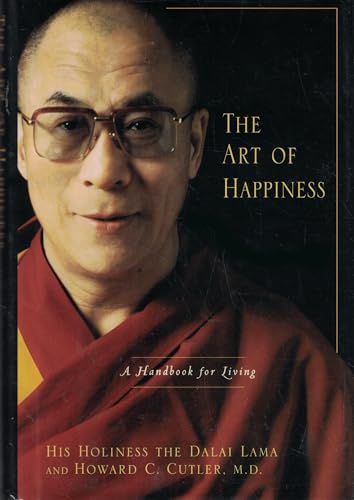
Overview: The Dalai Lama and Howard Cutler discuss happiness as a trainable orientation shaped by compassion, realistic expectations, relationships, and the way a person interprets difficulty.
Why it belongs on this list: The connection is strongest through compassion, happiness, perspective, relationships, suffering, values, and cultivating well-being without demanding constant pleasure. The Art of Happiness approaches the seed’s concerns from a different angle, adding its own evidence, examples, and limits instead of repeating a familiar list of advice. It is especially useful for readers who want compassion, perspective, and a less approval-driven life because it makes the underlying choice more visible: what to protect, what to question, and what may not be under personal control.
Reading experience: The book shares the seed’s interest in moving beyond external approval, but grounds that move in compassion rather than confrontation. It asks how inner freedom can remain connected to other people instead of becoming pure self-protection.
Best for: Readers who want compassion, perspective, and a less approval-driven life.
Keep in mind: Conversational, gentle, and spiritually informed, with practical reflection rather than a strict program.
What to notice: The most useful thing to watch in The Art of Happiness is how compassion, happiness, perspective, relationships, suffering, values, and cultivating well-being without demanding constant pleasure moves from an attractive idea into a question about ordinary decisions. The book earns its place beside the seed because it gives readers who want compassion, perspective, and a less approval-driven life a different emotional and intellectual texture. Notice which examples carry the argument, where the author admits a limit, and which ideas remain useful after the initial enthusiasm fades.
View available editions and reader reviews.
Choose by Approval, Shame, Meaning, or Compassion
Read The Courage to Be Happy for the direct philosophical continuation. Choose Self-Compassion or The Gifts of Imperfection when self-criticism is the main obstacle, and Radical Acceptance for mindfulness practice. Man’s Search for Meaning and The Choice focus on meaning after trauma; The Untethered Soul and The Art of Happiness on awareness and compassion; and The Subtle Art of Not Giving a F*ck on choosing values and limits.
Who This List Is Best For
This list is for adults thinking about identity, approval, relationships, anxiety, shame, trauma, and the freedom to choose a life that does not satisfy everyone. The books differ widely in evidence and tone, from dialogue-based philosophy to memoir and clinical psychology. Read them as invitations to reflect, not as permission to ignore safety, community, or responsibility.
FAQ
What is the closest book to The Courage to Be Disliked?
The Courage to Be Happy continues the same Adlerian dialogue. Outside the series, Self-Compassion is the strongest practical companion for readers who want freedom from self-criticism and approval-seeking.
Which book helps with people-pleasing?
Set Boundaries, Find Peace would be a natural companion, but on this list The Gifts of Imperfection and Self-Compassion address the shame and fear beneath people-pleasing. The key is to pair inner work with specific relational boundaries.
Is the book saying the past does not matter?
Its Adlerian argument emphasizes present choices, but past experiences can shape nervous-system responses, beliefs, and safety needs. The Choice and Radical Acceptance offer more explicit ways to hold past suffering without reducing a person to it.
Which recommendation is most evidence-based?
Self-Compassion draws on psychological research, while Radical Acceptance combines mindfulness with clinical and contemplative practice. Both should still be adapted to the reader’s needs and used alongside professional care when symptoms are severe.
How can I stop caring what people think?
The goal is not indifference. Clarify whose opinions matter, separate your responsibilities from theirs, practice values-based action, and tolerate the discomfort of disapproval. The Subtle Art of Not Giving a F*ck and The Gifts of Imperfection offer accessible starting points.
Disapproval Is Not the Same as Failure
The Courage to Be Disliked is most useful when its message becomes a boundary around attention rather than a rejection of relationship. The companion books show different ways to build that boundary: self-compassion, meaning, mindfulness, values, or the ability to name what belongs to someone else. Freedom is not becoming untouched by other people. It is learning which judgments deserve to direct a life.