
Strong management skill is rarely about one dramatic breakthrough. More often, it is built through better judgment, clearer communication, steadier delegation, and a more realistic understanding of how people actually work. That is why the best books for management skills do not all teach the same thing. Some focus on leading teams, some on getting the most from people, and some on classroom or youth leadership where the pressures are different but the core habits are similar. The right book depends on whether you are managing a team, preparing for a leadership role, or trying to become more effective with people day to day.
Quick Answer
If you want the clearest entry point into management skills, start with It’s Your Ship: Management Techniques from the Best Damn Ship in the Navy, 10th Anniversary Edition. It gives you a useful foundation in delegation, motivation, feedback, conflict, and the operating habits that make teams work. Choose Multipliers, Revised and Updated: How the Best Leaders Make Everyone Smarter when you want a more applied or contrasting approach, and use Bringing Out the Best in People: How to Enjoy Helping Others Excel when you want to extend the idea into a different context.
This list is designed for new managers, team leads, and professionals developing practical people leadership. The recommendations are intentionally varied: some explain the underlying research, some offer exercises, and some are strongest as narrative or leadership case studies. That variety makes it easier to choose a book that matches your current question rather than buying the longest list.
How We Chose These Recommendations
This list favors books that teach management as a practical skill rather than a collection of slogans. The strongest choices here offer usable guidance on leading people, improving communication, and shaping better team performance. We also looked for books with durable value, because management skills usually improve through repetition and reflection, not quick inspiration.
Another factor was reader fit. Some books are better for experienced managers who want to sharpen their approach. Others are more useful for beginners, students, or teens building foundational leadership habits. The result is a shorter, more deliberate list that gives readers real choices instead of variations of the same idea.
Recommended Books
It’s Your Ship: Management Techniques from the Best Damn Ship in the Navy, 10th Anniversary Edition
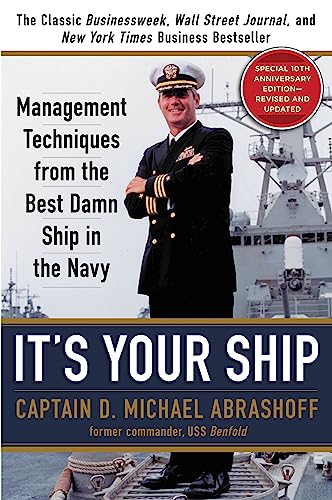
Overview: This book uses a naval command environment to show how leadership decisions affect morale, accountability, and performance. Rather than treating management as theory, it focuses on what happens when a leader has to earn trust, keep standards high, and make people feel responsible for results. The lessons are direct and concrete, which makes the book easy to apply to a workplace team, project group, or department.
Why it stands out: Among books on management skills, this one is especially useful for readers who want practical leadership examples instead of abstract models. It is grounded in real-world command and gives a strong sense of how clear expectations and consistent follow-through shape behavior. That makes it particularly helpful for new managers or anyone who wants a more disciplined, less vague approach to leadership.
Strengths:
- Practical examples that translate well beyond the military setting
- Focuses on accountability, trust, and team ownership
- Readable and action-oriented
Best for: New managers, team leads, and readers who learn best from real leadership situations.
Potential limitations: The setting is specific, so some readers may prefer a more traditional business book with a corporate frame.
View price, available formats, and reader reviews.
Multipliers, Revised and Updated: How the Best Leaders Make Everyone Smarter

Overview: Liz Wiseman’s book is built around a simple but useful question: do leaders amplify the intelligence and energy of the people around them, or quietly reduce it? The book examines the habits of leaders who bring out more thinking, more initiative, and more ownership from their teams. It is especially strong on the difference between micromanaging and creating room for others to do their best work.
Why it stands out: This is one of the most useful books for readers who already understand the basics of management and want to improve how they influence others. Its framework is memorable without being gimmicky, and it gives managers a clearer lens for evaluating their own behavior. Compared with more general leadership books, it is narrower in scope but sharper in impact.
Strengths:
- Clear framework for evaluating leadership habits
- Useful for managers of teams, departments, or project groups
- Strong emphasis on developing other people, not just directing them
Best for: Managers who want to get more from capable people without becoming controlling.
Potential limitations: Readers looking for step-by-step management procedures may find it more conceptual than tactical.
View price, available formats, and reader reviews.
Bringing Out the Best in People: How to Enjoy Helping Others Excel

Overview: Alan Loy McGinnis offers a people-first approach to leadership that emphasizes encouragement, trust, and the practical art of helping others grow. The book does not treat management as a contest of authority. Instead, it focuses on the daily habits that make people more willing to contribute, improve, and take responsibility.
Why it stands out: This is the best choice on the list for readers who want a calmer, more human view of management skills. Its strength is not in frameworks or performance metrics, but in the relational side of leadership that many books overlook. For managers who supervise volunteers, small teams, students, or staff in service-oriented environments, that perspective can be especially valuable.
Strengths:
- Encouraging, readable approach to leadership
- Useful for anyone responsible for motivating others
- Focuses on practical influence rather than authority alone
Best for: Readers who manage people through coaching, support, and trust.
Potential limitations: It is less focused on modern organizational systems and more centered on interpersonal leadership.
View price, available formats, and reader reviews.
The Making of a Manager

Overview: The Making of a Manager gives readers a focused way to understand the transition from individual contributor to manager, including feedback, delegation, and team trust. Its value is not only the headline idea; it also shows how the idea affects decisions, habits, relationships, or work in real situations.
Why it stands out: It earns a place in this list because it adds a distinct perspective on the transition from individual contributor to manager, including feedback, delegation, and team trust, helping readers move beyond a generic motivational summary and choose a practical next step.
Strengths:
- Clear framework for the topic
- Useful examples or reflection prompts
- Can be applied beyond a single situation
Best for: new leaders who need a practical guide to their first months of management
Potential limitations: The examples come from a technology company and need adaptation to other cultures and industries.
View price, available formats, and reader reviews.
The 5 Levels of Leadership

Overview: The 5 Levels of Leadership gives readers a focused way to understand how leadership influence develops through relationships, results, reproduction, and organizational impact. Its value is not only the headline idea; it also shows how the idea affects decisions, habits, relationships, or work in real situations.
Why it stands out: It earns a place in this list because it adds a distinct perspective on how leadership influence develops through relationships, results, reproduction, and organizational impact, helping readers move beyond a generic motivational summary and choose a practical next step.
Strengths:
- Clear framework for the topic
- Useful examples or reflection prompts
- Can be applied beyond a single situation
Best for: managers who want a staged way to think about their leadership growth
Potential limitations: A level model is a reflection tool, not a complete evaluation of leadership effectiveness.
View price, available formats, and reader reviews.
Comparison Table
| Book | Best For | Why It Stands Out |
|---|---|---|
| It’s Your Ship: Management Techniques from the Best Damn Ship in the Navy, 10th Anniversary Edition | New managers, team leads, and readers who learn best from real leadership situations. | Among books on management skills, this one is especially useful for readers who want practical leadership examples instead of abstract models. It is grounded in real-world command and gives a strong sense of how clear expectations and… |
| Multipliers, Revised and Updated: How the Best Leaders Make Everyone Smarter | Managers who want to get more from capable people without becoming controlling. | This is one of the most useful books for readers who already understand the basics of management and want to improve how they influence others. Its framework is memorable without being gimmicky, and it gives managers a clearer lens for… |
| Bringing Out the Best in People: How to Enjoy Helping Others Excel | Readers who manage people through coaching, support, and trust. | This is the best choice on the list for readers who want a calmer, more human view of management skills. Its strength is not in frameworks or performance metrics, but in the relational side of leadership that many books overlook. For… |
| The Making of a Manager | new leaders who need a practical guide to their first months of management | It earns a place in this list because it adds a distinct perspective on the transition from individual contributor to manager, including feedback, delegation, and team trust, helping readers move beyond a generic motivational summary and… |
| The 5 Levels of Leadership | managers who want a staged way to think about their leadership growth | It earns a place in this list because it adds a distinct perspective on how leadership influence develops through relationships, results, reproduction, and organizational impact, helping readers move beyond a generic motivational summary… |
Who This List Is Best For
These recommendations are a good fit for new managers, team leads, and professionals developing practical people leadership. They are especially useful if you want to understand management skills with more nuance than a short checklist, quote, or social-media summary can provide.
- Readers who want a clear conceptual foundation before choosing a technique.
- People who prefer to compare research, practical exercises, and real-world examples.
- Professionals, students, or caregivers who need language they can apply in a real conversation or decision.
Use the Best For and Why It Stands Out columns together. A book can be excellent yet still be the wrong starting point if its depth, tone, or intended reader does not match your goal.
Final Thoughts
The strongest choice for management skills depends on what you need to do next. Begin with It’s Your Ship: Management Techniques from the Best Damn Ship in the Navy, 10th Anniversary Edition if you need a foundation, move to Multipliers, Revised and Updated: How the Best Leaders Make Everyone Smarter if you need a practical change, and consider Bringing Out the Best in People: How to Enjoy Helping Others Excel if you need a broader or more challenging perspective. The comparison table is meant to shorten that decision, not pretend that one book works for every reader.
A useful reading plan is simple: select one book, write down the question you want it to answer, and apply one idea before moving to another recommendation. For this topic, choose one management conversation you avoid and prepare it around facts, impact, and a clear request. management skill is contextual and should not be reduced to control or personality.
FAQ
Which book should I read first for management skills?
Start with It’s Your Ship: Management Techniques from the Best Damn Ship in the Navy, 10th Anniversary Edition if you want the clearest foundation. If your immediate need is action rather than background, compare it with Multipliers, Revised and Updated: How the Best Leaders Make Everyone Smarter and choose the one whose exercises, examples, or audience match your situation.
How do I choose between a research-based book and a workbook?
Choose the research-oriented option when you need context and a better mental model. Choose the workbook or practical guide when you already understand the problem and need repetition, prompts, or a structured plan. The table’s Best For column is the fastest way to make that distinction.
What is a practical way to use books about management skills?
Do not read the whole list at once. Pick one recommendation, define the behavior or decision you want to improve, and test a small idea from the book for seven days. For this topic, choose one management conversation you avoid and prepare it around facts, impact, and a clear request.
Are these recommendations suitable for self-study?
Yes, for education and structured reflection. Take notes in your own words, mark claims you want to verify, and discuss difficult ideas with a trusted person or qualified professional when appropriate.
Do I need to read every book on the list?
No. One well-matched book that changes what you notice or do is more valuable than collecting several recommendations without applying any of them.