
Criticism changes the tone of a relationship quickly. Sometimes it is useful and honest. Sometimes it lands as blame, defensiveness, or a slow erosion of trust. That is why readers look for books on handling criticism in relationships: they want a better way to hear hard things, respond without escalating, and give feedback without damaging the connection.
The books below take different angles on that problem. Some focus on communication skills and conflict patterns. Others are better for readers who need to understand emotional triggers, repair after arguments, or navigate especially tense dynamics. The right choice depends on whether you want practical scripts, deeper psychological insight, or a broader framework for healthier relationship conversations.
Quick Answer
If you want the best books for handling criticism in relationships, start with The Seven Principles for Making Marriage Work for a research-based guide to conflict and repair, Nonviolent Communication for learning how to express criticism without attack, Crucial Conversations for high-stakes communication skills, Hold Me Tight for understanding the emotional patterns underneath criticism, and Getting the Love You Want for a deeper look at relationship dynamics and old triggers.
Comparison Table
| Book | Best For | Why It Stands Out |
|---|---|---|
| The Seven Principles for Making Marriage Work | Couples who want a practical, evidence-informed way to improve how they argue, respond, and recover. | This is one of the most dependable choices for couples who want more than generic advice. The book is built around research, but it stays readable and concrete. For readers who want to understand why criticism keeps triggering the same… |
| Nonviolent Communication | Readers who want a communication framework they can apply across romantic relationships, family relationships, and close friendships. | Among books about difficult relationship conversations, this one is especially useful for people who know they sound harsh when frustrated. It is not only about being kinder. It teaches a repeatable process for reducing defensiveness on… |
| Crucial Conversations | People who need help speaking up about criticism without derailing the conversation. | Some relationship books focus on emotional insight, but this one excels at conversation management. Readers who freeze when criticized, or who become overly reactive when they feel judged, will find the structure especially helpful. It is… |
| Hold Me Tight | Couples who want to understand the emotional meaning of criticism, not just its wording. | This is one of the strongest choices for readers who know the problem is not just “bad communication.” It is especially helpful when criticism triggers anxiety, withdrawal, or pursuit patterns that seem to repeat endlessly. The book is… |
| Getting the Love You Want | Readers who want to understand why criticism keeps hitting such a sensitive nerve in the same relationship. | Compared with books that focus mainly on communication technique, this one goes deeper into the relational pattern itself. That matters for couples who keep having the same argument in different forms. It offers a bigger lens for… |
| The Dance of Connection | Readers who want more confidence in how they respond when criticism becomes tense or personal. | The value here is precision. Lerner is good at naming the small but important shifts that change a conversation, which makes the book especially helpful for readers who already know the basics but need better execution. It fits well for… |
| Difficult Conversations | People who want a straightforward, highly usable approach to difficult relationship talks. | Many books on criticism focus on tone. This one goes further by explaining why a seemingly small comment can feel deeply personal. That makes it especially valuable for readers who want to understand the structure of a conflict, not just… |
| Attached | Readers who want to understand why criticism feels so intense and predictable in certain relationships. | While it is not a book about criticism alone, it gives readers a useful framework for understanding their own reactions. That makes it a smart choice for self-awareness. If you suspect that the problem is partly in your reaction style,… |
How We Chose These Recommendations
These books were selected for their usefulness in real relationship situations, not for how closely they match the keyword. The strongest choices here offer one of three things: a reliable framework for difficult conversations, insight into the emotional patterns that make criticism painful, or practical guidance for repairing tension after it starts.
We also favored books with a long record of helping readers, especially those written by established relationship researchers, therapists, or communication experts. That matters because handling criticism is not just about being “better at talking.” It is about understanding defensiveness, timing, tone, triggers, and repair. Books that address those pieces with clarity earn their place on this list.
Recommended Books
The Seven Principles for Making Marriage Work

Overview: John Gottman’s classic relationship book focuses on the habits that help couples stay connected under pressure. Rather than treating criticism as a single communication problem, it shows how criticism fits into broader patterns of conflict, repair attempts, and emotional safety. Readers get a practical look at the everyday behaviors that either reduce tension or make it worse.
Why it stands out: This is one of the most dependable choices for couples who want more than generic advice. The book is built around research, but it stays readable and concrete. For readers who want to understand why criticism keeps triggering the same reactions, the book offers a sturdy framework without becoming academic.
Strengths:
- Research-based guidance that feels usable in daily life
- Strong emphasis on repair after conflict
- Useful for identifying destructive habits early
Best for: Couples who want a practical, evidence-informed way to improve how they argue, respond, and recover.
Potential limitations: The book is broader than criticism alone, so readers looking for a narrow, scripts-only guide may want a more focused communication book alongside it.
View price, available formats, and reader reviews.
Nonviolent Communication

Overview: Marshall B. Rosenberg’s method centers on observing without judgment, naming feelings honestly, and making requests instead of accusations. For relationship criticism, that matters because many arguments turn hostile the moment one person hears blame. This book gives readers a different vocabulary for speaking candidly without escalating tension.
Why it stands out: Among books about difficult relationship conversations, this one is especially useful for people who know they sound harsh when frustrated. It is not only about being kinder. It teaches a repeatable process for reducing defensiveness on both sides. That makes it especially valuable for couples, parents, and anyone trying to criticize behavior without attacking character.
Strengths:
- Clear method for turning blame into specific requests
- Useful for both speaking and listening
- Strong long-term value for repeated conflicts
Best for: Readers who want a communication framework they can apply across romantic relationships, family relationships, and close friendships.
Potential limitations: The style can feel idealistic at times, and readers who want a more conventional, fast-reading relationship book may need patience with its approach.
View price, available formats, and reader reviews.
Crucial Conversations

Overview: This book is built for moments when the stakes are high and emotions are starting to run the conversation. That makes it a strong fit for handling criticism in relationships, especially when a hard topic needs to be raised carefully. It explains how to stay in dialogue instead of moving into silence, sarcasm, or escalation.
Why it stands out: Some relationship books focus on emotional insight, but this one excels at conversation management. Readers who freeze when criticized, or who become overly reactive when they feel judged, will find the structure especially helpful. It is practical without being shallow, which gives it a useful place alongside more emotionally focused books.
Strengths:
- Excellent for high-tension, high-importance conversations
- Provides a clear process for staying calm and specific
- Useful for both personal and professional relationships
Best for: People who need help speaking up about criticism without derailing the conversation.
Potential limitations: It is broader than romantic relationships, so readers seeking a deeply couple-specific book may want to pair it with a more relationship-centered title.
View price, available formats, and reader reviews.
Hold Me Tight
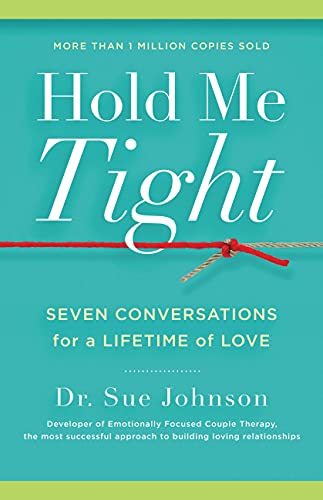
Overview: Sue Johnson’s book explains romantic conflict through attachment needs. In that context, criticism often lands not as a single complaint but as a threat to closeness, safety, or acceptance. The book helps couples understand the emotional cycle underneath the words, which is often the real issue.
Why it stands out: This is one of the strongest choices for readers who know the problem is not just “bad communication.” It is especially helpful when criticism triggers anxiety, withdrawal, or pursuit patterns that seem to repeat endlessly. The book is more emotionally focused than technique-heavy, which gives it a distinctive place on this list.
Strengths:
- Strong explanation of emotional patterns in couples
- Helpful for recurring criticism and repair cycles
- Brings clarity to why people react so strongly to feedback
Best for: Couples who want to understand the emotional meaning of criticism, not just its wording.
Potential limitations: Readers wanting a quick-fix communication manual may find it more reflective than tactical.
View price, available formats, and reader reviews.
Getting the Love You Want

Overview: Harville Hendrix’s well-known relationship book looks at how early experiences shape the way we react in adult partnerships. That makes it useful for criticism, because the sharpest reactions often come from old emotional wounds rather than the current conversation alone. The book encourages readers to recognize those patterns and work with them deliberately.
Why it stands out: Compared with books that focus mainly on communication technique, this one goes deeper into the relational pattern itself. That matters for couples who keep having the same argument in different forms. It offers a bigger lens for understanding why criticism feels loaded and how to interrupt the cycle.
Strengths:
- Strong on pattern recognition and relationship history
- Useful for recurring emotional triggers
- Offers a deeper framework than surface-level advice
Best for: Readers who want to understand why criticism keeps hitting such a sensitive nerve in the same relationship.
Potential limitations: The book can feel more conceptually dense than some readers want, especially if they are looking for immediate scripts or short exercises.
View price, available formats, and reader reviews.
The Dance of Connection
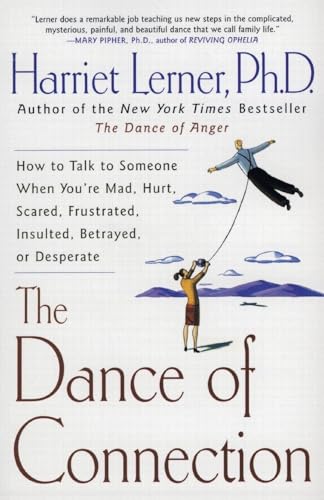
Overview: Harriet Lerner writes with unusual clarity about how relationships get stuck and how to talk more effectively when emotions are high. This book focuses on dialogue, boundaries, and the subtle habits that turn criticism into a fight. It is especially useful for people who want a realistic communication book rather than abstract theory.
Why it stands out: The value here is precision. Lerner is good at naming the small but important shifts that change a conversation, which makes the book especially helpful for readers who already know the basics but need better execution. It fits well for people who want to speak honestly without becoming either harsh or overly accommodating.
Strengths:
- Clear guidance on difficult conversations
- Especially strong on boundaries and self-respect
- Accessible without being simplistic
Best for: Readers who want more confidence in how they respond when criticism becomes tense or personal.
Potential limitations: It is not as focused on one repeatable communication model as some readers may prefer.
View price, available formats, and reader reviews.
Difficult Conversations

Overview: This book breaks hard conversations into three layers: what happened, how each person feels, and what the discussion means about identity or respect. That framework is especially helpful in relationships, where criticism often becomes tangled with shame, fairness, and being understood. The authors give readers a way to separate those pieces and talk more clearly.
Why it stands out: Many books on criticism focus on tone. This one goes further by explaining why a seemingly small comment can feel deeply personal. That makes it especially valuable for readers who want to understand the structure of a conflict, not just the emotional heat around it. It is one of the most practical books on this list for anyone who needs a clear conversation map.
Strengths:
- Excellent framework for sorting facts, feelings, and identity issues
- Useful in romantic, family, and workplace relationships
- Clear enough to use immediately
Best for: People who want a straightforward, highly usable approach to difficult relationship talks.
Potential limitations: The tone is more analytical than warm, so readers looking for a more emotionally intimate book may prefer Hold Me Tight.
View price, available formats, and reader reviews.
Attached

Overview: This book explains adult attachment styles in plain language and connects them to the way people handle closeness, rejection, and criticism. It is especially useful for readers who want to understand why feedback from a partner can feel so threatening, or why they either cling, withdraw, or over-explain under pressure.
Why it stands out: While it is not a book about criticism alone, it gives readers a useful framework for understanding their own reactions. That makes it a smart choice for self-awareness. If you suspect that the problem is partly in your reaction style, not just the other person’s delivery, this book adds a valuable layer of insight.
Strengths:
- Clear introduction to attachment-based relationship patterns
- Helpful for recognizing your default conflict response
- Easy to apply to real relationship dynamics
Best for: Readers who want to understand why criticism feels so intense and predictable in certain relationships.
Potential limitations: It is more diagnostic than instructional, so it works best alongside a more practical communication book.
View price, available formats, and reader reviews.
Who This List Is Best For
This list is best for couples, partners, and close friends who want to handle criticism with more skill and less defensiveness. It will also help readers who notice the same argument repeating, especially when feedback quickly turns into hurt feelings or shutdown.
More specifically, these books suit:
- Beginners who want simple communication tools
- Couples trying to reduce reactive arguments
- Readers who want to understand emotional triggers
- People who need a more respectful way to give feedback
- Anyone working on repair after conflict
Final Thoughts
If your main goal is to change how criticism sounds in the moment, start with Nonviolent Communication or Crucial Conversations. If you want to understand why criticism keeps hitting the same nerve, Hold Me Tight and Attached offer more emotional insight. For readers who want one reliable, research-backed foundation, The Seven Principles for Making Marriage Work is the safest first choice.
If your relationship conversations tend to spiral, Difficult Conversations and The Dance of Connection are especially useful for keeping things grounded. And if the problem feels deeper than wording alone, Getting the Love You Want can help you see the pattern behind the pattern.
FAQ
Which book is best for beginners?
The Seven Principles for Making Marriage Work is the most approachable starting point for many readers because it combines research, examples, and practical guidance without requiring prior knowledge.
Which book is easiest to apply right away?
Nonviolent Communication and Crucial Conversations both offer concrete methods you can use quickly, especially when a conversation is already tense.
Which book is best for understanding why criticism feels so painful?
Hold Me Tight and Attached are the strongest choices if you want to understand the emotional and attachment-based reasons criticism can feel threatening.
Which book is best for couples having repeated arguments?
The Seven Principles for Making Marriage Work is especially helpful for recurring conflict, while Getting the Love You Want goes deeper into the patterns that keep repeating.
Can I learn this topic through self-study?
Yes. These books are all suitable for self-study, especially if you read slowly and focus on applying one idea at a time. Many readers get the most value by revisiting sections during real conversations.
Which recommendation offers the best long-term value?
Nonviolent Communication and The Seven Principles for Making Marriage Work tend to offer the broadest long-term value because their ideas apply across many different relationship situations.




