
Workplace assertiveness is a tricky skill because it sits between two equally unhelpful extremes: staying silent and sounding combative. Most readers are not looking for a book about being aggressive. They want help speaking clearly, setting boundaries, handling difficult conversations, and protecting their time without making the office more difficult than it already is. The best books for workplace assertiveness do more than offer slogans. They give language, context, and practical judgment for real professional situations, from pushing back on unreasonable requests to speaking up in meetings.
That is why this list mixes books on assertive communication, workplace conflict, leadership presence, and career confidence. Some are highly practical and phrase-based. Others are broader, helping readers build the confidence and emotional steadiness that make assertiveness possible in the first place.
Quick Answer
If you want the clearest entry point into workplace assertiveness, start with Powerful Phrases for Dealing with Workplace Conflict: What to Say Next to De-stress the Workday, Build Collaboration, and Calm Difficult Customers. It gives you a useful foundation in clear language, emotional regulation, power, feedback, and the difference between assertiveness and aggression. Choose Dare to Lead when you want a more applied or contrasting approach, and use The New One Minute Manager: A Timeless Guide to Effective Leadership, Stress Reduction, and Success in a Rapidly Changing Workplace when you want to extend the idea into a different context.
This list is designed for professionals speaking up, setting boundaries, and handling conflict at work. The recommendations are intentionally varied: some explain the underlying research, some offer exercises, and some are strongest as narrative or leadership case studies. That variety makes it easier to choose a book that matches your current question rather than buying the longest list.
Comparison Table
| Book | Best For | Why It Stands Out |
|---|---|---|
| Powerful Phrases for Dealing with Workplace Conflict: What to Say Next to De-stress the Workday, Build Collaboration, and Calm Difficult Customers | Employees, managers, and client-facing professionals who need help speaking clearly in real-time conflict. | Among books on assertiveness, this is one of the most practical. It helps readers move from vague intent, such as “I need to speak up more,” to concrete wording they can actually use in meetings, emails, and tense conversations. That… |
| Dare to Lead | Readers who want assertiveness that feels steady, credible, and leadership-oriented. | Many assertiveness books concentrate on personal confidence. This one places assertiveness inside the larger work of leading others well. That matters for readers whose challenge is not just saying no, but doing so in a way that builds… |
| The New One Minute Manager: A Timeless Guide to Effective Leadership, Stress Reduction, and Success in a Rapidly Changing Workplace | Busy professionals who want an accessible introduction to workplace communication and leadership habits. | Some assertiveness books focus heavily on defending personal boundaries. This one is more useful for the professional who needs calm, efficient, respectful communication as part of day-to-day leadership. That makes it especially good for… |
| The PASS – Using Assertiveness to Your Best Interest: Learn to stand up, speak up, and establish yourself as a true leader in today’s challenging environment | Professionals who want a direct, workplace-specific assertiveness book rather than a broader self-help title. | Where other recommendations approach the topic through leadership, conflict, or confidence, this one stays closest to assertiveness itself. It is a useful choice for readers who want the subject addressed plainly and directly. That focus… |
| Be Yourself at Work: The Groundbreaking Power of Showing Up, Standing Out, and Leading from the Heart – A USA TODAY Bestseller: End Burnout and Build Human-First Teams | Professionals who want to speak up more clearly without becoming overly rigid or combative. | Workplace assertiveness is often misunderstood as toughness. This book offers a more sustainable approach, especially for readers who want to be direct while still feeling like themselves. It belongs on this list because not every reader… |
| Multipliers, Revised and Updated: How the Best Leaders Make Everyone Smarter | Supervisors, team leaders, and readers who want assertiveness to strengthen collaboration. | Compared with books that focus on personal confidence, this one shows how assertiveness works inside a team culture. It is a good fit for readers who need to become more direct while also becoming more empowering. That combination makes… |
| Read People Like a Book: How to Analyze, Understand, and Predict People’s Emotions, Thoughts, Intentions, and Behaviors | Readers who want to sharpen judgment and social awareness as part of becoming more assertive. | Not every assertiveness problem is a wording problem. Sometimes the challenge is situational awareness. This book earns its place because it helps readers understand the social dynamics around them, which can make assertive communication… |
| The Effective Executive: The Definitive Guide to Getting the Right Things Done ― Peter Drucker’s Classic Management and Leadership Book | Professionals who want workplace assertiveness tied to effectiveness, discipline, and better judgment. | This is the most strategic book on the list. Instead of teaching readers how to speak up in isolated moments, it helps them build a professional mindset that makes clearer, more assertive decisions over time. That makes it particularly… |
| Surviving Bully Culture: A Career Spent Navigating Workplace Bullying and a Guide for Healing | People dealing with workplace bullying or recovering from a hostile work environment. | Most assertiveness books assume a relatively normal workplace. This one addresses the harder case. It is useful for readers who need to understand what bullying looks like, how it affects judgment and confidence, and why healing matters… |
| Emotional Intelligence for Leadership: 4 Week Booster Plan to Increase Your Self-Awareness, Assertiveness and Your Ability to Manage People | Readers who want a concise introduction to assertiveness within leadership development. | Its main appeal is focus. While many books touch on assertiveness as part of a larger leadership agenda, this one addresses it directly in a condensed plan. That makes it a practical option for readers who want a shorter, more structured… |
How We Chose These Recommendations
This list favors books that are genuinely useful for workplace assertiveness, not just books that mention confidence or leadership in passing. The strongest selections here offer one of three things: practical language for difficult conversations, a clear framework for speaking up professionally, or a broader understanding of how confidence and boundaries work at work.
We also gave weight to long-standing reputation, readability, and usefulness across different job settings. Some readers need simple scripts. Others need a deeper shift in how they think about leadership, conflict, or self-advocacy. The books below were chosen because they serve those different needs without repeating the same advice in different packaging.
Recommended Books
Powerful Phrases for Dealing with Workplace Conflict: What to Say Next to De-stress the Workday, Build Collaboration, and Calm Difficult Customers

Overview: For readers who freeze when tension rises, this book focuses on the most immediate problem in workplace assertiveness: what to say next. It offers language for handling friction with coworkers, de-escalating conflict, and responding to difficult customers without losing composure. The emphasis is on usable phrases and workplace-ready responses rather than abstract advice.
Why it stands out: Among books on assertiveness, this is one of the most practical. It helps readers move from vague intent, such as “I need to speak up more,” to concrete wording they can actually use in meetings, emails, and tense conversations. That makes it especially useful for people who are already capable in their jobs but need better language under pressure.
Strengths:
- Highly actionable and easy to dip into as needed
- Useful for both internal conflict and customer-facing pressure
- Focuses on language that reduces escalation
Best for: Employees, managers, and client-facing professionals who need help speaking clearly in real-time conflict.
Potential limitations: Readers looking for a broader theory of workplace confidence may find it narrowly focused on communication tactics.
View price, available formats, and reader reviews.
Dare to Lead

Overview: This book examines leadership through courage, trust, and honest conversation. It is not a narrow communication manual. Instead, it explores the habits that help people speak up, hold boundaries, and have difficult discussions without becoming defensive or performative. That makes it especially relevant for anyone whose assertiveness needs to hold up in leadership settings.
Why it stands out: Many assertiveness books concentrate on personal confidence. This one places assertiveness inside the larger work of leading others well. That matters for readers whose challenge is not just saying no, but doing so in a way that builds trust and respect. It is particularly strong for managers and aspiring leaders who need a thoughtful framework rather than a list of quick lines.
Strengths:
- Balances courage with emotional intelligence
- Useful for leaders, team leads, and ambitious professionals
- Addresses hard conversations in a workplace context
Best for: Readers who want assertiveness that feels steady, credible, and leadership-oriented.
Potential limitations: It is broader and more reflective than a pure phrasebook, so readers wanting instant scripts may want a more tactical title alongside it.
View price, available formats, and reader reviews.
The New One Minute Manager: A Timeless Guide to Effective Leadership, Stress Reduction, and Success in a Rapidly Changing Workplace

Overview: Built around short, clear managerial principles, this book is a compact guide to communication that works in everyday workplace settings. It is not framed as an assertiveness book, but it is useful for readers who need to give feedback, set expectations, and maintain clarity without overcomplicating the conversation. Its style is direct and approachable.
Why it stands out: Some assertiveness books focus heavily on defending personal boundaries. This one is more useful for the professional who needs calm, efficient, respectful communication as part of day-to-day leadership. That makes it especially good for supervisors, new managers, and employees who want to be more direct without sounding harsh.
Strengths:
- Short and easy to absorb
- Practical for management and team communication
- Supports clearer expectations and lower-conflict interactions
Best for: Busy professionals who want an accessible introduction to workplace communication and leadership habits.
Potential limitations: Readers looking for a deep dive into personal assertiveness or confrontation skills may find it broader than expected.
View price, available formats, and reader reviews.
The PASS – Using Assertiveness to Your Best Interest: Learn to stand up, speak up, and establish yourself as a true leader in today’s challenging environment

Overview: This book is the most directly targeted title on the list for readers who want a straightforward assertiveness guide. Its focus is on standing up, speaking up, and establishing yourself in a demanding work environment. That emphasis makes it especially relevant for anyone who wants a more explicit framework for workplace self-advocacy.
Why it stands out: Where other recommendations approach the topic through leadership, conflict, or confidence, this one stays closest to assertiveness itself. It is a useful choice for readers who want the subject addressed plainly and directly. That focus gives it a clear place on the list, especially for readers who feel they need a simple, intention-driven push toward more vocal professional behavior.
Strengths:
- Directly centered on assertiveness at work
- Relevant for readers who struggle to speak up
- Useful as a focused supplement to broader leadership books
Best for: Professionals who want a direct, workplace-specific assertiveness book rather than a broader self-help title.
Potential limitations: Readers who prefer a highly polished mainstream style may find it less expansive than the best-known titles on this list.
View price, available formats, and reader reviews.
Be Yourself at Work: The Groundbreaking Power of Showing Up, Standing Out, and Leading from the Heart – A USA TODAY Bestseller: End Burnout and Build Human-First Teams

Overview: This book looks at workplace confidence through authenticity, burnout, and healthier team culture. Rather than treating assertiveness as a matter of simply speaking louder, it frames it as showing up clearly and consistently while protecting your energy. That perspective is valuable for readers who want to advocate for themselves without adopting a hard-edged professional persona.
Why it stands out: Workplace assertiveness is often misunderstood as toughness. This book offers a more sustainable approach, especially for readers who want to be direct while still feeling like themselves. It belongs on this list because not every reader needs more confrontation tools. Some need help setting boundaries in a way that feels aligned with their values and work style.
Strengths:
- Connects assertiveness with authenticity and burnout prevention
- Useful for readers who want a human-centered approach
- Helpful for workplace culture, not just one-on-one conflict
Best for: Professionals who want to speak up more clearly without becoming overly rigid or combative.
Potential limitations: Readers looking for a highly tactical communication manual may find it more reflective than procedural.
View price, available formats, and reader reviews.
Multipliers, Revised and Updated: How the Best Leaders Make Everyone Smarter

Overview: This leadership book is about how effective leaders bring out more intelligence, initiative, and ownership in the people around them. In the context of workplace assertiveness, that matters because strong leaders need to be clear without micromanaging and decisive without dominating. The book is especially useful for managers who want their communication to create responsibility rather than dependency.
Why it stands out: Compared with books that focus on personal confidence, this one shows how assertiveness works inside a team culture. It is a good fit for readers who need to become more direct while also becoming more empowering. That combination makes it more useful than a generic leadership title for anyone whose work involves guiding others.
Strengths:
- Strong for leaders and managers
- Offers a constructive model of influence
- Helps readers communicate with clarity and purpose
Best for: Supervisors, team leaders, and readers who want assertiveness to strengthen collaboration.
Potential limitations: It is a leadership book first, so readers seeking step-by-step assertiveness scripts may want something more tactical.
View price, available formats, and reader reviews.
Read People Like a Book: How to Analyze, Understand, and Predict People’s Emotions, Thoughts, Intentions, and Behaviors

Overview: This book focuses on observing behavior, understanding emotional cues, and interpreting the intentions behind other people’s actions. For workplace assertiveness, that can be surprisingly useful. When you can better read a room, you can choose a stronger response, time a boundary more effectively, and avoid reacting too early or too late.
Why it stands out: Not every assertiveness problem is a wording problem. Sometimes the challenge is situational awareness. This book earns its place because it helps readers understand the social dynamics around them, which can make assertive communication more effective. It is especially relevant for people who often feel blindsided in meetings, negotiations, or team interactions.
Strengths:
- Improves awareness of people and workplace dynamics
- Helpful for timing and tone in difficult conversations
- Can support more confident responses under pressure
Best for: Readers who want to sharpen judgment and social awareness as part of becoming more assertive.
Potential limitations: It is less of a direct workplace communication book, so readers wanting scripts and boundary-setting language may need another title alongside it.
View price, available formats, and reader reviews.
The Effective Executive: The Definitive Guide to Getting the Right Things Done ― Peter Drucker’s Classic Management and Leadership Book
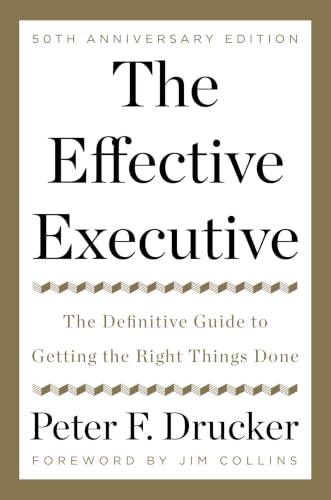
Overview: Drucker’s classic focuses on effectiveness, priorities, and disciplined decision-making. While it is not an assertiveness manual in the usual sense, it is valuable for professionals who need to become more assertive about time, attention, and priorities. Many workplace conflicts come from poor boundaries around what deserves a yes, and this book addresses that deeper issue.
Why it stands out: This is the most strategic book on the list. Instead of teaching readers how to speak up in isolated moments, it helps them build a professional mindset that makes clearer, more assertive decisions over time. That makes it particularly strong for experienced readers, managers, and knowledge workers who need substance rather than motivation.
Strengths:
- Timeless management thinking
- Strong for prioritization and decision-making
- Helps readers protect focus and reduce reactive behavior
Best for: Professionals who want workplace assertiveness tied to effectiveness, discipline, and better judgment.
Potential limitations: It is more conceptual than conversational, so it may not help much with exact phrases for tough discussions.
View price, available formats, and reader reviews.
Surviving Bully Culture: A Career Spent Navigating Workplace Bullying and a Guide for Healing

Overview: This book speaks directly to the reality of toxic and bullying behavior at work. That makes it important on a workplace assertiveness list, because some readers are not dealing with ordinary disagreement. They are dealing with repeated hostility, intimidation, or psychological pressure. In those situations, assertiveness has to be informed by self-protection and a realistic understanding of workplace harm.
Why it stands out: Most assertiveness books assume a relatively normal workplace. This one addresses the harder case. It is useful for readers who need to understand what bullying looks like, how it affects judgment and confidence, and why healing matters as part of reclaiming voice. That specificity makes it a necessary inclusion, not just a thematic fit.
Strengths:
- Addresses a serious workplace problem directly
- Relevant for readers facing repeated mistreatment
- Connects survival, clarity, and healing
Best for: People dealing with workplace bullying or recovering from a hostile work environment.
Potential limitations: The focus is specialized, so it is not the best first choice for readers who simply want better everyday communication at work.
View price, available formats, and reader reviews.
Emotional Intelligence for Leadership: 4 Week Booster Plan to Increase Your Self-Awareness, Assertiveness and Your Ability to Manage People

Overview: This short, structured book is aimed at building self-awareness, assertiveness, and leadership skill in a concentrated format. It is the most compact recommendation here, and that can be an advantage for readers who want a manageable starting point rather than a long, theory-heavy book. The emphasis on emotional intelligence makes it useful for work situations where assertiveness has to be balanced with awareness of other people.
Why it stands out: Its main appeal is focus. While many books touch on assertiveness as part of a larger leadership agenda, this one addresses it directly in a condensed plan. That makes it a practical option for readers who want a shorter, more structured resource and are comfortable with a brisker, more workbook-like approach.
Strengths:
- Short and focused
- Combines self-awareness with assertiveness
- Useful for readers who want a structured plan
Best for: Readers who want a concise introduction to assertiveness within leadership development.
Potential limitations: It is more compact and less established than some of the other choices, so readers seeking a classic long-form treatment may prefer a different starting point.
View price, available formats, and reader reviews.
Who This List Is Best For
These recommendations are a good fit for professionals speaking up, setting boundaries, and handling conflict at work. They are especially useful if you want to understand workplace assertiveness with more nuance than a short checklist, quote, or social-media summary can provide.
- Readers who want a clear conceptual foundation before choosing a technique.
- People who prefer to compare research, practical exercises, and real-world examples.
- Professionals, students, or caregivers who need language they can apply in a real conversation or decision.
Use the Best For and Why It Stands Out columns together. A book can be excellent yet still be the wrong starting point if its depth, tone, or intended reader does not match your goal.
Final Thoughts
The strongest choice for workplace assertiveness depends on what you need to do next. Begin with Powerful Phrases for Dealing with Workplace Conflict: What to Say Next to De-stress the Workday, Build Collaboration, and Calm Difficult Customers if you need a foundation, move to Dare to Lead if you need a practical change, and consider The New One Minute Manager: A Timeless Guide to Effective Leadership, Stress Reduction, and Success in a Rapidly Changing Workplace if you need a broader or more challenging perspective. The comparison table is meant to shorten that decision, not pretend that one book works for every reader.
A useful reading plan is simple: select one book, write down the question you want it to answer, and apply one idea before moving to another recommendation. For this topic, prepare a concise statement of the issue, impact, request, and boundary before the conversation. assertiveness cannot make an unsafe workplace safe by itself; document and seek support when needed. Books can support reflection and skills practice, but they are not a substitute for qualified professional care when symptoms are severe, persistent, or unsafe.
FAQ
Which book should I read first for workplace assertiveness?
Start with Powerful Phrases for Dealing with Workplace Conflict: What to Say Next to De-stress the Workday, Build Collaboration, and Calm Difficult Customers if you want the clearest foundation. If your immediate need is action rather than background, compare it with Dare to Lead and choose the one whose exercises, examples, or audience match your situation.
How do I choose between a research-based book and a workbook?
Choose the research-oriented option when you need context and a better mental model. Choose the workbook or practical guide when you already understand the problem and need repetition, prompts, or a structured plan. The table’s Best For column is the fastest way to make that distinction.
What is a practical way to use books about workplace assertiveness?
Do not read the whole list at once. Pick one recommendation, define the behavior or decision you want to improve, and test a small idea from the book for seven days. For this topic, prepare a concise statement of the issue, impact, request, and boundary before the conversation.
Are these recommendations suitable for self-study?
Yes, for education and structured reflection. Take notes in your own words, mark claims you want to verify, and discuss difficult ideas with a trusted person or qualified professional when appropriate. Books can support reflection and skills practice, but they are not a substitute for qualified professional care when symptoms are severe, persistent, or unsafe.
Do I need to read every book on the list?
No. One well-matched book that changes what you notice or do is more valuable than collecting several recommendations without applying any of them.