
Sharp Objects is a murder investigation, but its deepest mystery is the family history that Camille Preaker carries back to Wind Gap. Her reporting assignment forces her into a town where violence is both public evidence and private language. The novel’s darkness comes from the way memory, maternal power, self-harm, class, and community gossip overlap until the case cannot be separated from the reporter’s own wounds. Readers comparing books like Sharp Objects will find that the most useful match depends on which part of the seed book created the strongest attachment: its voice, argument, setting, characters, problem, or promise of change.
The best books like Sharp Objects should share more than a female detective or a shocking crime. They need psychological intimacy, a protagonist shaped by family or bodily history, a place that protects its secrets, and suspense that grows from what people refuse to name. The recommendations below vary in setting and plot, but each shares at least two or three of Flynn’s qualities of tone, character, pacing, and moral unease.
Some Hometowns Keep Their Secrets in the Body
Choose Dark Places for another Flynn investigation, Gone Girl for performance and resentment, or The Girl on the Train for memory and domestic suspicion. The Silent Patient, The Woman in the Window, The Push, The Last Mrs. Parrish, Sometimes I Lie, and The Woman in Cabin 10 offer different combinations of unreliable perspective, family violence, secrecy, and female anger.
At-a-Glance Comparison
| Book | Best for | Major qualities shared with Sharp Objects |
|---|---|---|
| Dark Places | Readers who want another Gillian Flynn investigation into family violence | Family trauma, murder, unreliable memory, poverty, female anger, rural or small-town isolation, and a past that refuses to stay closed |
| Gone Girl | Readers who want marriage, performance, and competing versions of truth | Marriage, media, manipulation, gender performance, unreliable narration, resentment, and a relationship built from stories about the self |
| The Girl on the Train | Readers who want memory gaps, alcohol, and domestic suspicion | Unreliable perspective, addiction, missing time, neighboring homes, relationships, voyeurism, and a woman whose account is doubted |
| The Silent Patient | Readers who want silence, therapy, and a mystery organized around trauma | Violent crime, silence, psychological interpretation, art, hidden history, unreliable testimony, and a professional investigator with private motives |
| The Woman in the Window | Readers who want isolation, observation, and an uncertain witness | Agoraphobia, alcohol, voyeurism, domestic danger, unreliable perception, confinement, and a protagonist watching a family through glass |
| The Push | Readers who want an intimate, disturbing novel about motherhood and uncertainty | Motherhood, inherited fear, unreliable memory, family expectation, isolation, violence, and the question of whether love guarantees safety |
| The Last Mrs. Parrish | Readers who want social ambition, marriage, and manipulation | Identity performance, class envy, domestic privilege, hidden abuse, manipulation, marriage, and the gap between public image and private power |
| Sometimes I Lie | Readers who want a layered narrative and uncertain memory | Coma, diaries, missing time, identity, unreliable narration, secrets, and multiple versions of a past event |
| The Woman in Cabin 10 | Readers who want a closed setting and a witness no one believes | Confined environment, alcohol, missing person, wealthy passengers, observation, unreliable testimony, and danger inside a luxurious journey |
What Makes a Strong Sharp Objects Read-Alike?
Each book needed to create psychological pressure through family, trauma, the body, social performance, or a community’s refusal to see what is happening. I considered voice, setting, emotional temperature, and the way the investigation changes the protagonist rather than simply revealing a culprit. These are dark thrillers; the content notes are part of the recommendation.
The 9 Recommended Books
Dark Places

Overview: Libby Day survived the massacre that killed her family and testified against her brother. Years later, financial pressure and questions from amateur investigators lead her back into the night she thought she understood.
Why it belongs on this list: The overlap comes from family trauma, murder, unreliable memory, poverty, female anger, rural or small-town isolation, and a past that refuses to stay closed. Dark Places belongs beside the seed because it creates comparable pressure through character, setting, withheld information, and escalating consequence. It is not a duplicate: the investigation may be more domestic, more procedural, more violent, or more psychologically intimate, but the reader is still asked to keep revising what seems safe and what seems true.
Reading experience: This is the closest companion because Flynn again turns a crime into an excavation of family mythology and survival. The voice is colder and the structure moves between past and present, but the same suspicion of easy victim stories remains.
Best for: Readers who want another Gillian Flynn investigation into family violence.
Keep in mind: Dark, sharp, and structurally layered, with poverty, violence, cult dynamics, and family cruelty.
What to notice: Read Dark Places for its handling of family trauma, murder, unreliable memory, poverty, female anger, rural or small-town isolation, and a past that refuses to stay closed: the clues, reversals, and emotional costs are connected rather than placed in separate compartments. Notice who gets to tell the story, whose account is doubted, and how the setting limits escape. The book belongs here because it shares the seed’s suspense engine while giving the reader a different kind of uncertainty to inhabit.
View available editions and reader reviews.
Gone Girl

Overview: When Amy Dunne disappears, her husband Nick becomes the center of public suspicion. Alternating narratives reveal how marriage, media, and private performance can create incompatible versions of the same life.
Why it belongs on this list: The overlap comes from marriage, media, manipulation, gender performance, unreliable narration, resentment, and a relationship built from stories about the self. Gone Girl belongs beside the seed because it creates comparable pressure through character, setting, withheld information, and escalating consequence. It is not a duplicate: the investigation may be more domestic, more procedural, more violent, or more psychologically intimate, but the reader is still asked to keep revising what seems safe and what seems true.
Reading experience: Both novels understand that women can be turned into symbols while their actual inner lives remain ignored. Gone Girl is more satirical and structurally polished, but it shares Sharp Objects‘s interest in gender, anger, and the violence of being interpreted by others.
Best for: Readers who want marriage, performance, and competing versions of truth.
Keep in mind: Biting, controlled, and twist-driven, with a marriage-centered structure and a sharp social voice.
What to notice: Readers who loved the seed may recognize marriage, media, manipulation, gender performance, unreliable narration, resentment, and a relationship built from stories about the self in Gone Girl, but the book does not simply repeat the same trick. It changes the point of view, the scale of danger, or the relationship between private life and public consequence. That shift gives the recommendation a clear identity and makes it suitable for a different reading mood within the same thriller territory.
View available editions and reader reviews.
The Girl on the Train

Overview: Rachel watches a couple from a train and builds an imagined story about their life. After a disappearance, her drinking and memory gaps make her both witness and suspect.
Why it belongs on this list: The overlap comes from unreliable perspective, addiction, missing time, neighboring homes, relationships, voyeurism, and a woman whose account is doubted. The Girl on the Train belongs beside the seed because it creates comparable pressure through character, setting, withheld information, and escalating consequence. It is not a duplicate: the investigation may be more domestic, more procedural, more violent, or more psychologically intimate, but the reader is still asked to keep revising what seems safe and what seems true.
Reading experience: The match is the combination of unreliable consciousness and domestic observation. Hawkins is less interested in the small-town family system than Flynn, but both novels make a woman’s damaged reputation part of the investigation.
Best for: Readers who want memory gaps, alcohol, and domestic suspicion.
Keep in mind: Fast and tense, with alternating viewpoints, addiction, and a strong focus on intimate relationships.
What to notice: Read The Girl on the Train for its handling of unreliable perspective, addiction, missing time, neighboring homes, relationships, voyeurism, and a woman whose account is doubted: the clues, reversals, and emotional costs are connected rather than placed in separate compartments. Notice who gets to tell the story, whose account is doubted, and how the setting limits escape. The book belongs here because it shares the seed’s suspense engine while giving the reader a different kind of uncertainty to inhabit.
View available editions and reader reviews.
The Silent Patient
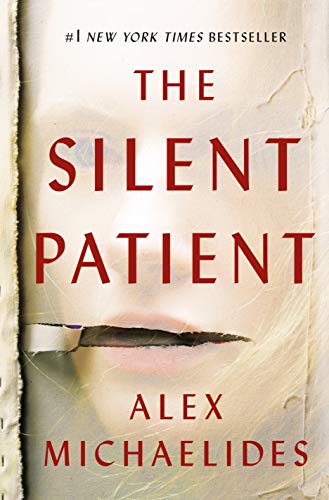
Overview: Alicia Berenson stops speaking after her husband is killed. Therapist Theo Faber becomes convinced that unlocking her silence will reveal the motive, but his own story affects how he interprets every clue.
Why it belongs on this list: The overlap comes from violent crime, silence, psychological interpretation, art, hidden history, unreliable testimony, and a professional investigator with private motives. The Silent Patient belongs beside the seed because it creates comparable pressure through character, setting, withheld information, and escalating consequence. It is not a duplicate: the investigation may be more domestic, more procedural, more violent, or more psychologically intimate, but the reader is still asked to keep revising what seems safe and what seems true.
Reading experience: The book shares Flynn’s interest in the gap between a woman’s public image and inner reality. It is more institutional and twist-focused, with the artwork and therapy setting replacing Wind Gap’s family and local gossip.
Best for: Readers who want silence, therapy, and a mystery organized around trauma.
Keep in mind: Polished, fast, and built around interviews, diaries, art, and a controlled reveal.
What to notice: The best reason to choose The Silent Patient is the particular atmosphere it builds around violent crime, silence, psychological interpretation, art, hidden history, unreliable testimony, and a professional investigator with private motives. Its suspense may come from pursuit, domestic unease, institutional power, or a mystery that keeps changing shape. Readers who enjoy readers who want silence, therapy, and a mystery organized around trauma should also pay attention to the pauses between major turns, because the quiet scenes often reveal what the characters are trying not to know.
View available editions and reader reviews.
The Woman in the Window

Overview: Anna Fox rarely leaves her house and spends her days watching old films, drinking, and observing the neighbors. When she thinks she sees a violent act, her own reliability becomes part of the mystery.
Why it belongs on this list: The overlap comes from agoraphobia, alcohol, voyeurism, domestic danger, unreliable perception, confinement, and a protagonist watching a family through glass. The Woman in the Window belongs beside the seed because it creates comparable pressure through character, setting, withheld information, and escalating consequence. It is not a duplicate: the investigation may be more domestic, more procedural, more violent, or more psychologically intimate, but the reader is still asked to keep revising what seems safe and what seems true.
Reading experience: The connection is the damaged observer whose own history affects what the reader can trust. It is less rooted in family and bodily trauma than Sharp Objects, but it creates a similarly claustrophobic relationship between perception and danger.
Best for: Readers who want isolation, observation, and an uncertain witness.
Keep in mind: Atmospheric and twist-driven, with an enclosed setting and a vulnerable witness.
What to notice: The best reason to choose The Woman in the Window is the particular atmosphere it builds around agoraphobia, alcohol, voyeurism, domestic danger, unreliable perception, confinement, and a protagonist watching a family through glass. Its suspense may come from pursuit, domestic unease, institutional power, or a mystery that keeps changing shape. Readers who enjoy readers who want isolation, observation, and an uncertain witness should also pay attention to the pauses between major turns, because the quiet scenes often reveal what the characters are trying not to know.
View available editions and reader reviews.
The Push

Overview: Blythe becomes a mother and begins to fear that something is wrong in the relationship between her and her daughter. The novel moves through family history and present experience without offering easy certainty about what is inherited, perceived, or caused.
Why it belongs on this list: The overlap comes from motherhood, inherited fear, unreliable memory, family expectation, isolation, violence, and the question of whether love guarantees safety. The Push belongs beside the seed because it creates comparable pressure through character, setting, withheld information, and escalating consequence. It is not a duplicate: the investigation may be more domestic, more procedural, more violent, or more psychologically intimate, but the reader is still asked to keep revising what seems safe and what seems true.
Reading experience: This is a strong match for Flynn’s interest in maternal power and the way a woman can be disbelieved or blamed. It is quieter and more interior, but its emotional menace grows from the same refusal to make family automatically safe.
Best for: Readers who want an intimate, disturbing novel about motherhood and uncertainty.
Keep in mind: Intimate, claustrophobic, and psychologically disturbing, with pregnancy, postpartum distress, and child danger.
What to notice: The best reason to choose The Push is the particular atmosphere it builds around motherhood, inherited fear, unreliable memory, family expectation, isolation, violence, and the question of whether love guarantees safety. Its suspense may come from pursuit, domestic unease, institutional power, or a mystery that keeps changing shape. Readers who enjoy readers who want an intimate, disturbing novel about motherhood and uncertainty should also pay attention to the pauses between major turns, because the quiet scenes often reveal what the characters are trying not to know.
View available editions and reader reviews.
The Last Mrs. Parrish

Overview: Amber Patterson wants the life of Daphne Parrish and carefully works her way into the couple’s orbit. Shifting perspectives reveal how wealth, status, and marriage conceal different forms of control.
Why it belongs on this list: The overlap comes from identity performance, class envy, domestic privilege, hidden abuse, manipulation, marriage, and the gap between public image and private power. The Last Mrs. Parrish belongs beside the seed because it creates comparable pressure through character, setting, withheld information, and escalating consequence. It is not a duplicate: the investigation may be more domestic, more procedural, more violent, or more psychologically intimate, but the reader is still asked to keep revising what seems safe and what seems true.
Reading experience: The book is less bodily and more socially strategic than Sharp Objects, but it shares the interest in women performing versions of themselves inside systems that reward appearances. Its suspense grows from knowing that the perfect surface is built on coercion.
Best for: Readers who want social ambition, marriage, and manipulation.
Keep in mind: Twist-driven and socially sharp, with a clear shift in perspective and moral emphasis.
What to notice: Read The Last Mrs. Parrish for its handling of identity performance, class envy, domestic privilege, hidden abuse, manipulation, marriage, and the gap between public image and private power: the clues, reversals, and emotional costs are connected rather than placed in separate compartments. Notice who gets to tell the story, whose account is doubted, and how the setting limits escape. The book belongs here because it shares the seed’s suspense engine while giving the reader a different kind of uncertainty to inhabit.
View available editions and reader reviews.
Sometimes I Lie

Overview: Amber wakes in a hospital unable to move or speak, while the narrative shifts among the present, the days before the accident, and childhood memories. Each timeline revises what the reader thinks is true.
Why it belongs on this list: The overlap comes from coma, diaries, missing time, identity, unreliable narration, secrets, and multiple versions of a past event. Sometimes I Lie belongs beside the seed because it creates comparable pressure through character, setting, withheld information, and escalating consequence. It is not a duplicate: the investigation may be more domestic, more procedural, more violent, or more psychologically intimate, but the reader is still asked to keep revising what seems safe and what seems true.
Reading experience: It offers a formal version of the unreliable self that Sharp Objects handles through trauma and bodily history. The book is more puzzle-box and less socially grounded, but it rewards readers who enjoy the sensation of evidence changing shape.
Best for: Readers who want a layered narrative and uncertain memory.
Keep in mind: Disorienting, twist-heavy, and structured around several timelines.
What to notice: The pleasure of Sometimes I Lie lies in the way coma, diaries, missing time, identity, unreliable narration, secrets, and multiple versions of a past event becomes part of the suspense rather than decoration around it. Watch how the book controls information, shifts the reader’s trust, and turns apparently ordinary details into pressure. Its version of readers who want a layered narrative and uncertain memory may be darker, slower, or more intimate than the seed, but that difference is exactly what makes the comparison useful.
View available editions and reader reviews.
The Woman in Cabin 10
Overview: Travel journalist Lo believes she has seen a woman thrown overboard from a yacht, but the passenger list says everyone is present. Her investigation becomes dangerous as her own credibility and safety deteriorate.
Why it belongs on this list: The overlap comes from confined environment, alcohol, missing person, wealthy passengers, observation, unreliable testimony, and danger inside a luxurious journey. The Woman in Cabin 10 belongs beside the seed because it creates comparable pressure through character, setting, withheld information, and escalating consequence. It is not a duplicate: the investigation may be more domestic, more procedural, more violent, or more psychologically intimate, but the reader is still asked to keep revising what seems safe and what seems true.
Reading experience: The setting is different, but the book shares Flynn’s interest in women whose testimony is discounted and communities that protect a polished surface. The mystery is more plot-driven, with the ship replacing the hometown as a pressure chamber.
Best for: Readers who want a closed setting and a witness no one believes.
Keep in mind: Atmospheric and propulsive, with a closed-circle structure and class tension.
What to notice: Read The Woman in Cabin 10 for its handling of confined environment, alcohol, missing person, wealthy passengers, observation, unreliable testimony, and danger inside a luxurious journey: the clues, reversals, and emotional costs are connected rather than placed in separate compartments. Notice who gets to tell the story, whose account is doubted, and how the setting limits escape. The book belongs here because it shares the seed’s suspense engine while giving the reader a different kind of uncertainty to inhabit.
View available editions and reader reviews.
Choose by Family, Memory, Unreliable Voice, or Social Performance
Start with Dark Places for the closest Flynn atmosphere, or Gone Girl for marriage, performance, and moral manipulation. The Push is the most intimate family-psychology route; The Girl on the Train and The Woman in the Window use memory and observation. Choose The Silent Patient for silence, Sometimes I Lie for form, The Last Mrs. Parrish for class performance, and The Woman in Cabin 10 for a closed setting.
Who This List Is Best For
This list is for adult readers who want unsettling psychological thrillers rather than clean procedural puzzles. Expect self-harm, child death, abuse, addiction, murder, misogyny, pregnancy anxiety, sexual violence, and family cruelty in different books. Readers who prefer less graphic material should begin with the more atmospheric or plot-driven options and check content warnings.
FAQ
What is the closest book to Sharp Objects?
Dark Places is the closest in voice, family trauma, and a woman returning to a violent past. The Push offers a similarly intimate and disturbing account of motherhood, memory, and uncertainty.
Which recommendation is the darkest?
The Push, Dark Places, and Sharp Objects are the most psychologically severe. Behind Closed Doors is also intense, but its suspense is more directly centered on coercive captivity.
Which books feature unreliable female narrators?
The Girl on the Train, The Woman in the Window, Sometimes I Lie, and The Push all use limited or uncertain female perspectives. Their reasons differ: alcohol, isolation, memory, trauma, or the pressure of being believed.
Are these books similar in tone or plot?
They are closer in tone, psychological pressure, and treatment of secrecy than in exact plot. Readers should choose by the quality they want most: family history, unreliable narration, domestic danger, class performance, or a disturbing small-town atmosphere.
Which recommendation has the strongest family setting?
Dark Places and The Push make family history and motherhood central. The Last Mrs. Parrish focuses more on marriage, class, and social performance, while The Girl on the Train uses neighboring households as a network of secrets.
The Crime Scene Is Never Only One Place
Sharp Objects is memorable because Wind Gap’s crimes are inseparable from the stories the town tells about women, children, beauty, illness, and blame. The companion books also make setting and relationship part of the crime scene. They may move to a marriage, a hospital, a yacht, or another family, but they keep the same unsettling question: what does a community learn to call normal before anyone asks who is being hurt?