
People searching for the best books for domestic violence recovery are usually trying to answer a few urgent questions at once. They may want help making sense of trauma, practical guidance for healing, spiritual support, or a clearer understanding of why abuse changes the way people think, feel, and respond. The right book can offer language, structure, and reassurance at a time when everything may still feel unsettled.
Because recovery needs vary so much, no single book fits every reader. Some books are clinical and grounding. Others are workbook-based and hands-on. A few are better for emotional support or spiritual encouragement. The list below focuses on books that offer real value for survivors, helpers, and readers who want a thoughtful, serious approach to healing after abuse.
Quick Answer
If you want the strongest starting points, begin with Trauma and Recovery for a clear clinical framework, Healing the Trauma of Domestic Violence for guided exercises, Called to Peace for survivor-centered encouragement, The Adverse Childhood Experiences Recovery Workbook for connected trauma recovery, and Stop Hurting the Woman You Love if you are looking for a book aimed at people who want to change abusive behavior.
Comparison Table
| Book | Best For | Why It Stands Out |
|---|---|---|
| Trauma and Recovery | Readers who want a serious clinical understanding of trauma | A foundational book that explains how violence shapes recovery over time |
| Healing the Trauma of Domestic Violence | Women who want a structured workbook | Hands-on exercises make the recovery process more manageable |
| Called to Peace | Survivors looking for encouragement and a practical healing path | Focuses on peace-building without losing sight of trauma |
| Stop Hurting the Woman You Love | People who want to stop abusive behavior | Targets accountability and behavior change directly |
| The Adverse Childhood Experiences Recovery Workbook | Readers whose trauma connects to childhood wounds | Links early adversity to adult emotional and physical health |
| Heart For Women | Readers who want spiritual support alongside healing | Offers a devotional format for daily encouragement |
| Some Days He Growled | Parents, teachers, and counselors introducing the topic to younger readers | Makes a difficult subject more accessible for children and teens |
| Stabbed to Life | Readers who want a survivor memoir | Provides a lived-experience perspective on resilience |
How We Chose These Recommendations
This list was built around usefulness for real readers, not around popularity alone. For domestic violence recovery, the most helpful books tend to do one of four things well: explain trauma clearly, give readers practical steps for healing, offer grounded survivor support, or help someone understand abusive behavior from the inside.
Clinical credibility mattered, especially for books dealing with trauma, recovery, and emotional aftermath. So did readability. A strong recommendation should be useful to someone in the middle of recovery, not just impressive in theory. We also looked for books with a distinct role on the list so the recommendations would give readers meaningful choices rather than overlapping advice in slightly different packaging.
Recommended Books
Trauma and Recovery: The Aftermath of Violence-―From Domestic Abuse to Political Terror

Overview: This is one of the most important books on trauma and recovery, and it remains especially relevant for survivors of domestic violence. It explains how prolonged abuse affects safety, memory, trust, identity, and the body’s stress response. The book moves beyond simple reassurance and gives readers a serious framework for understanding why recovery can be uneven, slow, and deeply connected to the experience of power and control.
Why it stands out: For readers who want an evidence-informed, foundational understanding of trauma, this book is hard to replace. It is broader than a self-help workbook, but that is part of its value. It helps readers see domestic violence recovery in context, not as a private failure or a matter of willpower. That makes it especially useful for survivors, therapists, and anyone supporting someone through long-term healing.
Strengths:
- Grounds recovery in a clear trauma framework
- Useful for both survivors and helping professionals
- Explains the long-term effects of violence with unusual clarity
Best for: Readers who want a serious, clinical, and highly respected book on the trauma behind domestic violence recovery.
Potential limitations: More analytical than comforting, so readers looking for a gentle or highly practical workbook may want to pair it with another title on this list.
View price, available formats, and reader reviews.
Healing the Trauma of Domestic Violence: A Workbook for Women

Overview: This workbook is built for women who want something more active than a memoir or overview. Its exercises and prompts are meant to help readers process trauma step by step, which can be especially useful when emotions feel fragmented or overwhelming. The workbook format makes it easier to pace recovery, revisit difficult material, and translate insight into action.
Why it stands out: Among books for domestic violence recovery, this one offers one of the clearest hands-on paths. It does not try to do everything. Instead, it gives structure to a process that can feel disorganized after abuse. Readers who want guidance they can actually work through on paper will find that focus valuable, especially if they want to reflect privately between counseling sessions or as they begin self-directed healing.
Strengths:
- Workbook structure supports gradual, practical healing
- Useful for journaling, reflection, and self-paced recovery
- Centers the needs of women recovering from abuse
Best for: Survivors who want guided exercises and a more interactive approach to recovery.
Potential limitations: The workbook format may feel too structured for readers who prefer narrative reading or who are not ready for direct exercises.
View price, available formats, and reader reviews.
Called to Peace: A Survivor’s Guide to Finding Peace and Healing After Domestic Abuse
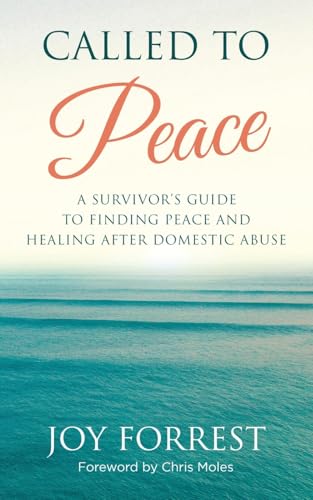
Overview: This survivor-focused guide addresses the emotional and spiritual realities of life after abuse. It is especially helpful for readers who need reassurance that healing is not only possible, but also something that can happen in stages. The book’s emphasis on peace makes it a good fit for people who are trying to rebuild a stable inner life after chaos, fear, or manipulation.
Why it stands out: Compared with more clinical titles, this book is more personally encouraging without becoming vague or sentimental. That balance matters. Some survivors need practical grounding first, while others are ready for language that helps them imagine a calmer future. This book fills that second role well, and it does so in a way that still respects the seriousness of abuse recovery.
Strengths:
- Survivor-centered and emotionally accessible
- Offers a recovery lens shaped around peace and restoration
- Helpful for readers who want encouragement without denial
Best for: Survivors looking for a compassionate guide that supports hope, reflection, and emotional rebuilding.
Potential limitations: Readers seeking a clinical, research-driven text will likely want a more evidence-heavy book alongside it.
View price, available formats, and reader reviews.
Stop Hurting the Woman You Love: Breaking the Cycle of Abusive Behavior

Overview: Not every domestic violence recovery reading list should speak only to survivors. Some readers are seeking accountability and change because they recognize abusive behavior in themselves or want to understand the cycle more clearly. This book addresses that need directly. It focuses on abusive behavior as a pattern that can be confronted, examined, and interrupted.
Why it stands out: Few books in this topic area speak plainly to the person responsible for abuse without drifting into excuses or abstraction. That directness makes this recommendation important. It is not a comfort read, and it should not be. For readers willing to examine harmful behavior honestly, the book provides a focused entry point that is different from survivor-centered recovery titles.
Strengths:
- Addresses accountability rather than only aftermath
- Useful for people confronting harmful relationship patterns
- Distinct from survivor-focused healing books on this list
Best for: Readers who want a book about stopping abusive behavior and understanding the cycle behind it.
Potential limitations: This is not a substitute for professional intervention, and readers in active crisis should seek immediate support rather than rely on a book alone.
View price, available formats, and reader reviews.
The Adverse Childhood Experiences Recovery Workbook: Heal the Hidden Wounds from Childhood Affecting Your Adult Mental and Physical Health

Overview: Domestic violence recovery often overlaps with earlier trauma, especially when childhood adversity shaped a person’s sense of safety long before adult abuse occurred. This workbook addresses that larger pattern. It looks at how adverse childhood experiences can continue to affect mental health, stress, and physical well-being, then offers a guided path for recovery.
Why it stands out: Many readers do not experience domestic violence as an isolated event. They carry older wounds too, and that complicates healing. This book earns its place because it helps readers connect those experiences without reducing recovery to a single incident. It is especially useful for people who sense that their present pain has deeper roots and want a structured way to begin sorting that out.
Strengths:
- Connects present symptoms to earlier trauma patterns
- Workbook format supports active self-reflection
- Useful when domestic violence is part of a longer trauma history
Best for: Readers whose recovery includes both domestic violence and childhood trauma.
Potential limitations: The broader ACEs focus means it is not as specific to domestic violence as some other books here.
View price, available formats, and reader reviews.
Heart For Women: A 40-Day Devotional of Comfort, Hope and Healing For Women Breaking Free Of The Shackles Of Domestic Violence

Overview: For readers who want spiritual comfort as part of recovery, this devotional offers a focused 40-day structure. The daily format can be helpful when concentration is limited or when a survivor wants something short, steady, and emotionally accessible. Rather than asking readers to process everything at once, it provides a measured rhythm for encouragement and reflection.
Why it stands out: Many recovery books are either clinical or heavily narrative. This one serves a different need. It is a devotional, so it fits readers who draw strength from faith-based reflection and want a book that can be used in small daily portions. That makes it a useful complement to more therapeutic or educational titles on this list.
Strengths:
- Daily format is manageable during stressful recovery periods
- Provides comfort-oriented spiritual support
- Well suited to readers who want faith integrated into healing
Best for: Women who want a devotional resource that speaks directly to domestic violence recovery.
Potential limitations: Faith-based readers may appreciate the tone, while readers looking for clinical trauma education may want a different starting point.
View price, available formats, and reader reviews.
Some Days He Growled: A Picture Book Introduction to the Cycle of Domestic Violence, Bullying, Abuse, and Unhealthy Relationships

Overview: This picture book introduces the cycle of domestic violence in a format that is easier to share with younger readers or use in guided conversations. It also works for parents, teachers, counselors, and adults who need a simpler entry point into a hard subject. The visual format lowers the barrier to understanding while still addressing unhealthy relationship patterns directly.
Why it stands out: Most books on domestic violence recovery are written for adults who already know they need help. This one serves a different purpose. It can open conversation with children or teens, and it can help adults explain abuse in plain language without overwhelming detail. That makes it useful in homes, classrooms, and counseling settings where age-appropriate discussion matters.
Strengths:
- Accessible format for children, teens, and supporting adults
- Useful for starting conversations about abuse and boundaries
- Can support parents, teachers, and counselors
Best for: Families and professionals who need a gentle introduction to the topic.
Potential limitations: As a picture book, it is not a deep trauma recovery text for adult survivors.
View price, available formats, and reader reviews.
Stabbed to Life: The Resilience of a Domestic Violence Survivor

Overview: This memoir offers a survivor’s perspective on domestic violence and resilience. Personal narratives can be valuable when readers need to feel less alone or want to understand the emotional reality of abuse in lived, human terms. Rather than offering theory, it gives voice to survival, which can be especially meaningful for readers who are still trying to name what happened to them.
Why it stands out: Among the more instructional books on this list, this one provides something different: recognition. A well-told survivor story can help readers see patterns, validate their own experience, and understand that recovery is not a straight line. It is not the most clinical choice here, but it fills an important place for readers who connect first through story.
Strengths:
- Offers a lived-experience perspective on domestic violence
- Useful for validation and emotional recognition
- Pairs well with more practical or clinical books
Best for: Readers who want memoir as part of their healing journey.
Potential limitations: Because it is memoir-driven, it is less structured than a workbook or trauma guide.
View price, available formats, and reader reviews.
Who This List Is Best For
This list is best for survivors looking for grounded support, readers who want to understand trauma more clearly, counselors and advocates who need reliable resources, and family members trying to support someone after abuse. It also helps people who want a faith-based option, a workbook, a memoir, or a book for discussing domestic violence with younger readers.
Final Thoughts
If your priority is understanding trauma in a serious, well-regarded way, start with Trauma and Recovery. If you want something more active and structured, begin with Healing the Trauma of Domestic Violence. If you need encouragement and a more personal healing tone, Called to Peace and Heart For Women serve that role well.
Readers who are trying to change abusive behavior should choose Stop Hurting the Woman You Love, while those whose recovery reaches back into childhood will get more from The Adverse Childhood Experiences Recovery Workbook. The remaining books add important perspectives for memoir, education, and family conversation, which makes the list more useful than relying on a single approach.
FAQ
Which book is best for beginners?
Called to Peace is a gentle place to begin if you want encouragement, while Trauma and Recovery is better if you want a stronger clinical foundation.
Which book is the most practical?
Healing the Trauma of Domestic Violence is the most directly practical because it uses workbook exercises to guide the reader through recovery.
Which book is best if I want to understand the psychology of abuse?
Trauma and Recovery offers the clearest broader framework for how violence affects trauma, trust, and identity.
Is there a book here for people who want to stop abusive behavior?
Yes. Stop Hurting the Woman You Love is the most direct recommendation for readers who need to confront abusive patterns in themselves.
Which book is best for faith-based encouragement?
Heart For Women is the clearest fit for readers who want daily spiritual support during recovery.
Can I use these books alongside therapy?
Yes. In fact, several of them work especially well alongside counseling, support groups, or advocacy services. The workbook titles can be useful between sessions, while the clinical and memoir-based books can help readers reflect on what they are learning in therapy.




