
Teachers and parents usually want the same thing from a growth mindset book for students. They want something that actually changes how a child talks about mistakes, effort, and improvement, not just another cheerful slogan. The best choices in this area do different jobs. Some explain the psychology clearly. Some work best as read-alouds for younger children. Others are more useful for classrooms because they give adults a simple language for reinforcing resilience day after day.
That is why the strongest books for this topic are not all interchangeable. A student who needs a gentle story about trying again may benefit from a very different book than a middle schooler who needs a clearer explanation of how habits and beliefs shape achievement. The list below focuses on books that help students build a more useful relationship with challenge, feedback, and progress.
Quick Answer
For growth mindset for students, start with Mindset: The New Psychology of Success, then compare it with The Magical Yet and use Your Fantastic Elastic Brain: A Growth Mindset Book for Kids to Stretch and Shape Their Brains when you need a different level of detail. The right choice depends on your current goal, experience, and the kind of change you want the book to support.
This shortlist was selected for age fit, clarity, emotional safety around mistakes, and whether the book gives adults language they can use in real learning situations. It mixes foundational explanations with practical guidance so readers can move from understanding the topic to making a better decision or trying a small, testable change.
Comparison Table
| Book | Best For | Why It Stands Out |
|---|---|---|
| Mindset: The New Psychology of Success | Teachers, parents, counselors, and older students who want the original framework behind growth mindset. | This is the most influential book on the topic, and it remains useful because it treats mindset as a habit of thought, not a slogan. For teachers, parents, tutors, and older students, it provides the clearest framework for understanding why praise, challenge, and failure matter. If you want the book that shaped the field, this is the one to begin with. |
| The Magical Yet | Young students who need encouragement around reading, writing, math, or any first-time learning task. | Among growth mindset books for students, this is one of the most effective for early elementary ages because the concept is easy to remember and easy to repeat. The “yet” idea is simple enough for young children to use in real conversations, which makes the book especially practical for classrooms and bedtime reading. |
| Your Fantastic Elastic Brain: A Growth Mindset Book for Kids to Stretch and Shape Their Brains | Elementary students who benefit from a concrete, science-flavored introduction to growth mindset. | Some growth mindset books rely mostly on encouragement. This one adds a clearer educational layer, which makes it especially helpful for children who ask “why” and want a real explanation. It is a strong bridge between a picture-book read-aloud and a more serious conversation about learning habits. |
| The Girl Who Makes a Million Mistakes: A Growth Mindset Book for Kids to Boost Confidence, Self-Esteem and Resilience | Younger students who are sensitive to criticism or discouraged by imperfect performance. | Compared with broader growth mindset books, this one is more focused on the feelings around failure. That narrower angle is useful. Students often do not need a lecture on mindset. They need a story that helps them tolerate mistakes without turning them into a judgment about who they are. This book does that well. |
| Grit: The Power of Passion and Perseverance | Readers who want a practical, focused resource on persistence, effort, and achievement. | This recommendation adds a distinct framework instead of repeating a generic introduction. It helps readers move from recognizing the issue to understanding the patterns, choices, or skills involved in persistence, effort, and achievement. |
| Positive Mindset Habits for Teachers: 10 Steps to Reduce Stress, Increase Student Engagement and Reignite Your Passion for Teaching | Teachers and school leaders who want to reinforce growth mindset through their own practice. | The most effective growth mindset work for students is often modeled, not preached. This book helps teachers create the kind of environment where students are more likely to take risks, recover from setbacks, and stay engaged. It is not a children’s book, but it is highly relevant to the student outcome this list is trying to support. |
How We Chose These Recommendations
These books were selected for practical usefulness, lasting value, and clear fit with the needs of students. The list is intentionally small enough to stay useful, but broad enough to serve different ages and settings. Some books work best as read-alouds for younger children. Others are better for educators, parents, or older students who want the concept explained more directly.
We also favored books that help students do something specific with the idea of growth mindset. That means helping them understand effort, respond better to mistakes, or rethink the way they approach difficulty. A book earned its place here only if it brought something distinct to that goal.
Recommended Books
Mindset: The New Psychology of Success

Overview: Carol Dweck’s book is the core text behind much of the modern conversation about growth mindset. It explains the difference between fixed and growth-oriented thinking, then shows how those mindsets shape learning, achievement, and response to challenge. Although it is not a children’s picture book, it is one of the best starting points for adults who want a solid understanding of the concept before introducing it to students.
Why it stands out: This is the most influential book on the topic, and it remains useful because it treats mindset as a habit of thought, not a slogan. For teachers, parents, tutors, and older students, it provides the clearest framework for understanding why praise, challenge, and failure matter. If you want the book that shaped the field, this is the one to begin with.
Strengths:
- Explains growth mindset with clarity and authority
- Useful for adults who guide students, not just for students themselves
- Offers a strong foundation for classroom language and home support
- Widely respected in education and psychology
Best for: Teachers, parents, counselors, and older students who want the original framework behind growth mindset.
Potential limitations: It is more theory-driven than the picture-book choices on this list, so younger children will not use it independently.
View price, available formats, and reader reviews.
The Magical Yet

Overview: This picture book gives younger students a language for not knowing something yet. It works especially well for children who get discouraged quickly when a skill feels hard. The message is straightforward: learning takes time, and being unable to do something now does not mean it will always be out of reach.
Why it stands out: Among growth mindset books for students, this is one of the most effective for early elementary ages because the concept is easy to remember and easy to repeat. The “yet” idea is simple enough for young children to use in real conversations, which makes the book especially practical for classrooms and bedtime reading.
Strengths:
- Memorable message that children can repeat on their own
- Works well as a read-aloud for early elementary grades
- Helps normalize temporary frustration and slow progress
- Simple enough for teachers to revisit often
Best for: Young students who need encouragement around reading, writing, math, or any first-time learning task.
Potential limitations: The story approach is best for younger children. Older students may want something with more explanation.
View price, available formats, and reader reviews.
Your Fantastic Elastic Brain: A Growth Mindset Book for Kids to Stretch and Shape Their Brains
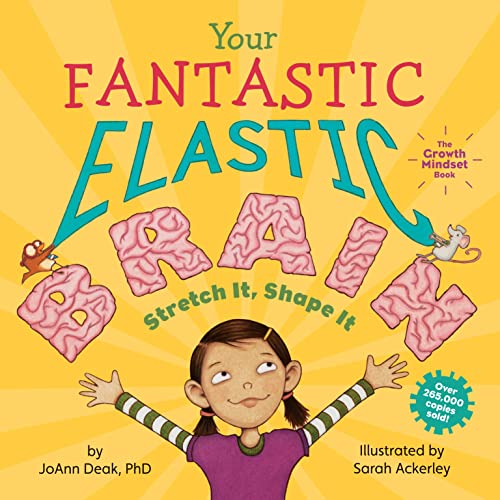
Overview: This book gives children a concrete way to understand how learning and effort relate to brain development. Instead of treating growth mindset as an abstract idea, it makes the process feel visible and understandable. That matters for students who benefit from a more literal explanation of why practice, repetition, and persistence matter.
Why it stands out: Some growth mindset books rely mostly on encouragement. This one adds a clearer educational layer, which makes it especially helpful for children who ask “why” and want a real explanation. It is a strong bridge between a picture-book read-aloud and a more serious conversation about learning habits.
Strengths:
- Makes the idea of brain growth easy to picture
- Useful for classrooms, counseling offices, and family reading
- Balances reassurance with basic educational content
- Helps children connect effort to learning progress
Best for: Elementary students who benefit from a concrete, science-flavored introduction to growth mindset.
Potential limitations: The explanation is age-appropriate and approachable, but it is still aimed at younger readers rather than middle or high school students.
View price, available formats, and reader reviews.
The Girl Who Makes a Million Mistakes: A Growth Mindset Book for Kids to Boost Confidence, Self-Esteem and Resilience

Overview: This story speaks directly to children who feel embarrassed when they get things wrong. Its focus is not just persistence, but the emotional side of learning, including self-esteem and resilience. That makes it especially useful for students who freeze up, become perfectionistic, or assume a mistake means they are not good at something.
Why it stands out: Compared with broader growth mindset books, this one is more focused on the feelings around failure. That narrower angle is useful. Students often do not need a lecture on mindset. They need a story that helps them tolerate mistakes without turning them into a judgment about who they are. This book does that well.
Strengths:
- Directly addresses fear of mistakes
- Helpful for children who are hard on themselves
- Supports confidence as well as persistence
- Easy to use in classrooms or at home after setbacks
Best for: Younger students who are sensitive to criticism or discouraged by imperfect performance.
Potential limitations: Readers looking for a broader explanation of growth mindset may want to pair it with a more foundational title.
View price, available formats, and reader reviews.
Grit: The Power of Passion and Perseverance

Overview: Grit: The Power of Passion and Perseverance gives readers a clearer, more established way to explore persistence, effort, and achievement. It is a stronger fit for this list because its main ideas connect directly to the practical questions readers bring to this topic.
Why it stands out: This recommendation adds a distinct framework instead of repeating a generic introduction. It helps readers move from recognizing the issue to understanding the patterns, choices, or skills involved in persistence, effort, and achievement.
Strengths:
- Directly connected to persistence, effort, and achievement
- Offers a clear framework readers can return to
- More focused than a general-purpose self-help choice
- Works well alongside the other recommendations on this list
Best for: Readers who want a practical, focused resource on persistence, effort, and achievement.
Potential limitations: It works best as a focused resource for this topic, so readers may want to pair it with a broader foundational book.
View price, available formats, and reader reviews.
Positive Mindset Habits for Teachers: 10 Steps to Reduce Stress, Increase Student Engagement and Reignite Your Passion for Teaching
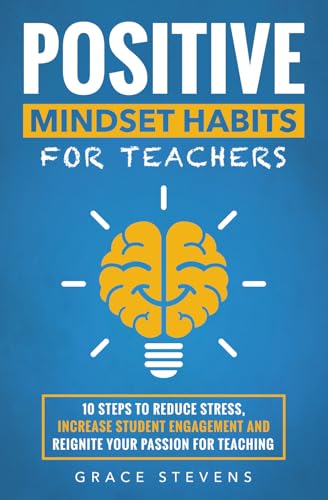
Overview: Although this is written for teachers rather than students, it earns a place here because student growth mindset often depends on adult habits in the classroom. The book focuses on teacher mindset, stress, engagement, and the practical conditions that support student learning. For educators, that makes it a useful companion to student-facing titles.
Why it stands out: The most effective growth mindset work for students is often modeled, not preached. This book helps teachers create the kind of environment where students are more likely to take risks, recover from setbacks, and stay engaged. It is not a children’s book, but it is highly relevant to the student outcome this list is trying to support.
Strengths:
- Focuses on the adult side of building student resilience
- Practical for classroom culture and engagement
- Useful for teachers under pressure
- Complements student read-alouds and discussion books
Best for: Teachers and school leaders who want to reinforce growth mindset through their own practice.
Potential limitations: This is not written for children, so it works best as a professional support book rather than a student-facing choice.
View price, available formats, and reader reviews.
Who This List Is Best For
This list is for students, parents, teachers, tutors, and school counselors. It is especially useful when you want a thoughtful starting point rather than a one-size-fits-all answer. Read selectively: choose the book whose examples, level, and method match the decision or difficulty in front of you.
Final Thoughts
A growth mindset becomes useful when it changes what a student does after a mistake. Pair a clear explanation with a story or classroom resource that makes trying again feel concrete, then reinforce the idea through specific feedback about strategies and progress.
FAQ
What is the best starting point for a student?
Mindset offers the clearest foundation for older students and adults, while The Magical Yet is often easier for younger children to understand and repeat.
Are these books suitable for classrooms?
Yes. Teachers can use the story-based titles for read-alouds and discussion, then use the adult-facing books to shape feedback, reflection, and classroom routines.
How should parents talk about mistakes after reading?
Ask what the student tried, what changed, and what they might test next. Specific questions are more useful than simply saying that effort is always enough.
Is growth mindset the same as praising effort?
No. It is more useful to praise effective strategies, persistence, help-seeking, and revision than effort that is not producing learning.
Which book should adults read first?
Mindset is the best foundation, with Grit as a useful follow-up when the conversation turns to persistence and long-term goals.




