
Finding the best books on autism depends on what you are trying to understand. Some readers want a clear explanation of autism as a neurodevelopmental difference. Others need practical guidance for parenting, teaching, or supporting an autistic child. Still others are looking for books that center autistic voices, women and girls, sensory differences, or the broader history of neurodiversity. A useful list has to reflect those different needs instead of treating autism as one single reading problem.
The books below were chosen for distinct purposes: some explain autism in accessible language, some focus on daily support and education, and others offer a stronger cultural or personal lens. Together, they give readers a more complete starting point than a list built on popularity alone.
Quick Answer
If you want the strongest starting points, begin with Ten Things Every Child with Autism Wishes You Knew for a clear, parent-friendly introduction, Unmasking Autism for an adult neurodiversity perspective, Neurotribes for historical context, Women and Girls on the Autism Spectrum for a more specific and often overlooked lens, and Autism, Sensory and Behavior if you need practical guidance on everyday regulation and behavior.
Comparison Table
| Book | Best For | Why It Stands Out |
|---|---|---|
| Ten Things Every Child with Autism Wishes You Knew: Revised and Updated | Parents, caregivers, grandparents, and anyone new to autism who wants a short, practical introduction. | Among the best books on autism for beginners, this remains one of the most approachable and useful. It gives parents, relatives, and educators a quick foundation without oversimplifying the experience. The book works especially well as a… |
| Unmasking Autism: Discovering the New Faces of Neurodiversity | Adults who suspect they may be autistic, newly diagnosed readers, and anyone interested in neurodiversity as a lived framework. | Compared with more child-focused books, this one speaks directly to adult readers who are reflecting on their own experiences. It is useful for people exploring late diagnosis, self-understanding, or the emotional cost of hiding traits… |
| Thinking in Pictures: My Life with Autism | Readers who want a practical, focused resource on autistic perspective and lived experience. | This recommendation adds a distinct framework instead of repeating a generic introduction. It helps readers move from recognizing the issue to understanding the patterns, choices, or skills involved in autistic perspective and lived… |
| Neurotribes: The Legacy of Autism and the Future of Neurodiversity | Readers who want background, history, and a broader intellectual framework. | For readers who want more than a practical guide, this is one of the strongest choices available. It helps explain why autism is discussed differently across generations and institutions. That historical perspective makes the book… |
| An Early Start for Your Child with Autism: Using Everyday Activities to Help Kids Connect, Communicate, and Learn | Readers who want a practical, focused resource on early support, communication, and family routines. | This recommendation adds a distinct framework instead of repeating a generic introduction. It helps readers move from recognizing the issue to understanding the patterns, choices, or skills involved in early support, communication, and… |
| Autism Out Loud: Life with a Child on the Spectrum, from Diagnosis to Young Adulthood―Moving Stories and Parenting Lessons Learned from Three Mothers of Children with Autism | Parents and caregivers who want a family-centered perspective on the long arc of support. | The strongest reason to consider this book is its span of experience. It is especially useful for readers who want to see how concerns shift over time, not just how to manage the first months after diagnosis. For families who benefit from… |
| The Autistic Brain: Thinking Across the Spectrum | Readers who want a practical, focused resource on autistic cognition, neuroscience, and strengths-based understanding. | This recommendation adds a distinct framework instead of repeating a generic introduction. It helps readers move from recognizing the issue to understanding the patterns, choices, or skills involved in autistic cognition, neuroscience,… |
| Women and Girls on the Autism Spectrum, Second Edition: Understanding Life Experiences from Early Childhood to Old Age | Women, girls, families, and professionals seeking a more nuanced understanding of autism across the lifespan. | This is one of the most important specialized books on the list because it fills a genuine gap. Readers looking for the best books on autism often need guidance that reflects how different presentation styles can change diagnosis,… |
| Autistics on Autism: Stories You Need to Hear About What Helped Them While Growing Up and Pursuing Their Dreams | Readers who want first-person insight and a more personal understanding of autism. | Many autism books interpret the experience for readers. This one lets autistic people speak for themselves. That makes it especially valuable for families, educators, and autistic readers who want to hear what support has actually… |
| Uniquely Human: A Different Way of Seeing Autism | Readers who want a practical, focused resource on neurodiversity, support, and respectful understanding. | This recommendation adds a distinct framework instead of repeating a generic introduction. It helps readers move from recognizing the issue to understanding the patterns, choices, or skills involved in neurodiversity, support, and… |
| The Reason I Jump: The Inner Voice of a Thirteen-Year-Old Boy with Autism | Readers who want a practical, focused resource on first-person autistic voice and communication. | This recommendation adds a distinct framework instead of repeating a generic introduction. It helps readers move from recognizing the issue to understanding the patterns, choices, or skills involved in first-person autistic voice and… |
| The Practical Guide to Parenting Autistic Children: Effective Strategies for ASD Behavior Management, Social Communication, and Sensory Processing to Support Your Child’s Success on the Spectrum | Parents and caregivers who want an all-purpose support book with a practical emphasis. | The book belongs on this list because it covers several of the most common concerns parents face without narrowing too far to one issue. That combination makes it a practical companion for day-to-day support. Readers looking for a… |
How We Chose These Recommendations
The best books on autism should do more than repeat generalities. They should help readers understand autism accurately, respond more effectively in real life, and choose the right level of depth for their needs. That is why this list mixes accessible introductions, practical family and classroom guides, lived-experience books, and broader works on neurodiversity.
Priority went to books with lasting usefulness, clear editorial purpose, and a strong fit for common reader goals such as learning the basics, supporting a child, understanding sensory differences, or getting a more nuanced view of autistic identity. Where a book is more specialized, that focus is noted so readers can choose with confidence.
Recommended Books
Ten Things Every Child with Autism Wishes You Knew: Revised and Updated

Overview: This concise book is written for adults who want a better understanding of how autism can feel from the inside. Its value is in its clarity. Rather than overwhelming readers with jargon, it focuses on practical insight, especially the kinds of misunderstandings that can create stress for autistic children in homes, schools, and social settings.
Why it stands out: Among the best books on autism for beginners, this remains one of the most approachable and useful. It gives parents, relatives, and educators a quick foundation without oversimplifying the experience. The book works especially well as a first read because it encourages empathy in a concrete way, not just abstract goodwill.
Strengths:
- Highly accessible for non-specialists
- Focuses on everyday interactions and support
- Good starting point for families and school staff
Best for: Parents, caregivers, grandparents, and anyone new to autism who wants a short, practical introduction.
Potential limitations: Readers looking for deeper clinical discussion or broader historical context will need a second book.
View price, available formats, and reader reviews.
Unmasking Autism: Discovering the New Faces of Neurodiversity

Overview: This book explores autism through the lens of masking, identity, and neurodiversity. It is especially relevant for adults who have spent years adapting to social expectations without understanding why certain environments have felt draining or confusing. The book offers a framework for recognizing autistic traits in a more affirming and contemporary way.
Why it stands out: Compared with more child-focused books, this one speaks directly to adult readers who are reflecting on their own experiences. It is useful for people exploring late diagnosis, self-understanding, or the emotional cost of hiding traits for years. That makes it a strong addition to any list of the best books on autism, especially for readers who want language for their own lived experience.
Strengths:
- Strong focus on masking and self-recognition
- Helpful for adult identity questions
- Connects autism to social and emotional context
Best for: Adults who suspect they may be autistic, newly diagnosed readers, and anyone interested in neurodiversity as a lived framework.
Potential limitations: Readers wanting a clinical or parent-training manual will find it less practical than some other choices here.
View price, available formats, and reader reviews.
Thinking in Pictures: My Life with Autism

Overview: Thinking in Pictures: My Life with Autism gives readers a clearer, more established way to explore autistic perspective and lived experience. It is a stronger fit for this list because its main ideas connect directly to the practical questions readers bring to this topic.
Why it stands out: This recommendation adds a distinct framework instead of repeating a generic introduction. It helps readers move from recognizing the issue to understanding the patterns, choices, or skills involved in autistic perspective and lived experience.
Strengths:
- Directly connected to autistic perspective and lived experience
- Offers a clear framework readers can return to
- More focused than a general-purpose self-help choice
- Works well alongside the other recommendations on this list
Best for: Readers who want a practical, focused resource on autistic perspective and lived experience.
Potential limitations: It is an educational resource, not a diagnosis or a substitute for individualized care from a qualified professional.
View price, available formats, and reader reviews.
Neurotribes: The Legacy of Autism and the Future of Neurodiversity
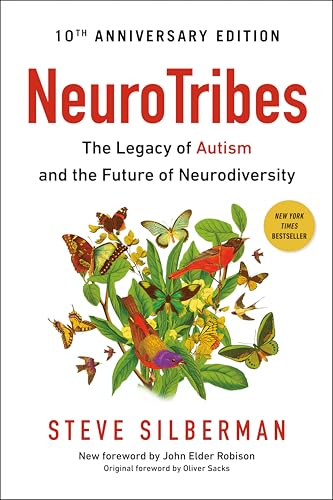
Overview: This is a wide-ranging book about the history of autism, the rise of the neurodiversity movement, and the changing ways autism has been described by medicine, families, and autistic people themselves. It is less about day-to-day coping and more about context, which gives readers a broader understanding of why autism discourse looks the way it does now.
Why it stands out: For readers who want more than a practical guide, this is one of the strongest choices available. It helps explain why autism is discussed differently across generations and institutions. That historical perspective makes the book especially valuable for students, professionals, and curious general readers who want a deeper, more informed view of the field.
Strengths:
- Strong historical and cultural perspective
- Useful for readers interested in neurodiversity
- Provides context for modern autism discussions
Best for: Readers who want background, history, and a broader intellectual framework.
Potential limitations: It is more analytical than practical, so it is not the best first stop for immediate parenting or classroom strategies.
View price, available formats, and reader reviews.
An Early Start for Your Child with Autism: Using Everyday Activities to Help Kids Connect, Communicate, and Learn

Overview: An Early Start for Your Child with Autism: Using Everyday Activities to Help Kids Connect, Communicate, and Learn gives readers a clearer, more established way to explore early support, communication, and family routines. It is a stronger fit for this list because its main ideas connect directly to the practical questions readers bring to this topic.
Why it stands out: This recommendation adds a distinct framework instead of repeating a generic introduction. It helps readers move from recognizing the issue to understanding the patterns, choices, or skills involved in early support, communication, and family routines.
Strengths:
- Directly connected to early support, communication, and family routines
- Offers a clear framework readers can return to
- More focused than a general-purpose self-help choice
- Works well alongside the other recommendations on this list
Best for: Readers who want a practical, focused resource on early support, communication, and family routines.
Potential limitations: It is an educational resource, not a diagnosis or a substitute for individualized care from a qualified professional.
View price, available formats, and reader reviews.
Autism Out Loud: Life with a Child on the Spectrum, from Diagnosis to Young Adulthood―Moving Stories and Parenting Lessons Learned from Three Mothers of Children with Autism

Overview: This book brings together family experience across different stages of raising autistic children, from diagnosis through young adulthood. That range matters. Autism books often focus only on early childhood, but parents need perspective that lasts beyond the first diagnosis conversation. The multi-voice format also gives the book a grounded, human quality.
Why it stands out: The strongest reason to consider this book is its span of experience. It is especially useful for readers who want to see how concerns shift over time, not just how to manage the first months after diagnosis. For families who benefit from candid storytelling alongside practical lessons, it adds a different kind of value than more clinical books.
Strengths:
- Follows the family experience across multiple life stages
- Combines personal stories with parenting insight
- Helpful for readers who value relatable experience
Best for: Parents and caregivers who want a family-centered perspective on the long arc of support.
Potential limitations: It is more experiential than technical, so readers seeking systematic strategies may want a more instructional companion.
View price, available formats, and reader reviews.
The Autistic Brain: Thinking Across the Spectrum
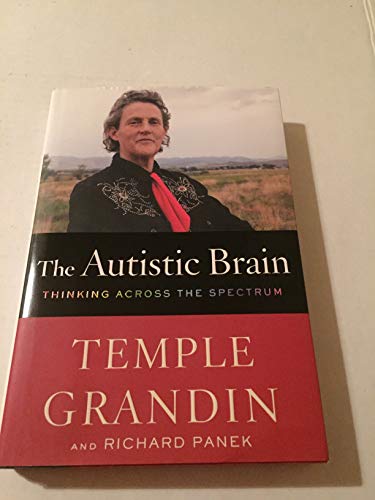
Overview: The Autistic Brain: Thinking Across the Spectrum gives readers a clearer, more established way to explore autistic cognition, neuroscience, and strengths-based understanding. It is a stronger fit for this list because its main ideas connect directly to the practical questions readers bring to this topic.
Why it stands out: This recommendation adds a distinct framework instead of repeating a generic introduction. It helps readers move from recognizing the issue to understanding the patterns, choices, or skills involved in autistic cognition, neuroscience, and strengths-based understanding.
Strengths:
- Directly connected to autistic cognition, neuroscience, and strengths-based understanding
- Offers a clear framework readers can return to
- More focused than a general-purpose self-help choice
- Works well alongside the other recommendations on this list
Best for: Readers who want a practical, focused resource on autistic cognition, neuroscience, and strengths-based understanding.
Potential limitations: It is an educational resource, not a diagnosis or a substitute for individualized care from a qualified professional.
View price, available formats, and reader reviews.
Women and Girls on the Autism Spectrum, Second Edition: Understanding Life Experiences from Early Childhood to Old Age

Overview: This book concentrates on how autism can present across the lifespan in women and girls. That matters because many mainstream autism resources have historically centered boys and men, which can leave readers with an incomplete picture. The lifespan approach also makes the book useful for adults who are rethinking earlier experiences through a new lens.
Why it stands out: This is one of the most important specialized books on the list because it fills a genuine gap. Readers looking for the best books on autism often need guidance that reflects how different presentation styles can change diagnosis, support, and self-understanding. This title does that with a level of specificity that broader books cannot match.
Strengths:
- Addresses an often overlooked population
- Spans childhood through later life
- Valuable for both families and clinicians
Best for: Women, girls, families, and professionals seeking a more nuanced understanding of autism across the lifespan.
Potential limitations: Readers looking for a general overview of autism may find the focus too specific for a first book.
View price, available formats, and reader reviews.
Autistics on Autism: Stories You Need to Hear About What Helped Them While Growing Up and Pursuing Their Dreams
Overview: This collection centers autistic voices and the practical things that helped people move through childhood, education, and adulthood. The emphasis on lived experience gives it a different kind of authority from books written only from an outside perspective. It is especially useful for readers who want to understand autism through personal narratives rather than theory.
Why it stands out: Many autism books interpret the experience for readers. This one lets autistic people speak for themselves. That makes it especially valuable for families, educators, and autistic readers who want to hear what support has actually mattered in real lives. It is one of the better choices here for readers who want perspective, not just explanation.
Strengths:
- Centers autistic-authored or autistic-led perspective
- Offers practical lessons from lived experience
- Helpful for readers who learn well from stories
Best for: Readers who want first-person insight and a more personal understanding of autism.
Potential limitations: It is less structured than a clinical guide, so readers seeking step-by-step instruction may want a companion text.
View price, available formats, and reader reviews.
Uniquely Human: A Different Way of Seeing Autism

Overview: Uniquely Human: A Different Way of Seeing Autism gives readers a clearer, more established way to explore neurodiversity, support, and respectful understanding. It is a stronger fit for this list because its main ideas connect directly to the practical questions readers bring to this topic.
Why it stands out: This recommendation adds a distinct framework instead of repeating a generic introduction. It helps readers move from recognizing the issue to understanding the patterns, choices, or skills involved in neurodiversity, support, and respectful understanding.
Strengths:
- Directly connected to neurodiversity, support, and respectful understanding
- Offers a clear framework readers can return to
- More focused than a general-purpose self-help choice
- Works well alongside the other recommendations on this list
Best for: Readers who want a practical, focused resource on neurodiversity, support, and respectful understanding.
Potential limitations: It is an educational resource, not a diagnosis or a substitute for individualized care from a qualified professional.
View price, available formats, and reader reviews.
The Reason I Jump: The Inner Voice of a Thirteen-Year-Old Boy with Autism
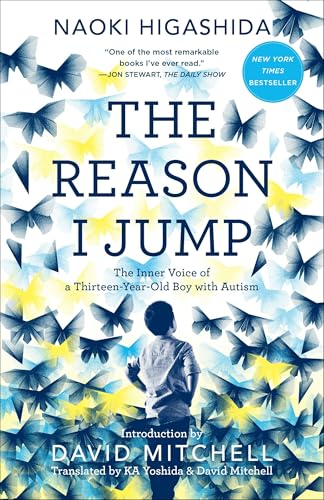
Overview: The Reason I Jump: The Inner Voice of a Thirteen-Year-Old Boy with Autism gives readers a clearer, more established way to explore first-person autistic voice and communication. It is a stronger fit for this list because its main ideas connect directly to the practical questions readers bring to this topic.
Why it stands out: This recommendation adds a distinct framework instead of repeating a generic introduction. It helps readers move from recognizing the issue to understanding the patterns, choices, or skills involved in first-person autistic voice and communication.
Strengths:
- Directly connected to first-person autistic voice and communication
- Offers a clear framework readers can return to
- More focused than a general-purpose self-help choice
- Works well alongside the other recommendations on this list
Best for: Readers who want a practical, focused resource on first-person autistic voice and communication.
Potential limitations: It is an educational resource, not a diagnosis or a substitute for individualized care from a qualified professional.
View price, available formats, and reader reviews.
The Practical Guide to Parenting Autistic Children: Effective Strategies for ASD Behavior Management, Social Communication, and Sensory Processing to Support Your Child’s Success on the Spectrum

Overview: This guide is built for parents who want a broad, action-oriented reference covering behavior management, social communication, and sensory processing in one place. It is designed around problem-solving, which makes it useful when families need a structured starting point rather than a reflective or narrative book.
Why it stands out: The book belongs on this list because it covers several of the most common concerns parents face without narrowing too far to one issue. That combination makes it a practical companion for day-to-day support. Readers looking for a hands-on book on autism will appreciate that it aims to be useful across multiple needs, not just one.
Strengths:
- Covers behavior, communication, and sensory needs together
- Practical and family-oriented
- Good for readers who want one consolidated guide
Best for: Parents and caregivers who want an all-purpose support book with a practical emphasis.
Potential limitations: Readers who prefer a more clinical or research-based approach may want a more evidence-heavy companion.
View price, available formats, and reader reviews.
Who This List Is Best For
This list is best for parents, caregivers, teachers, autistic adults, students, and general readers who want a dependable introduction to autism without wasting time on vague or overly popular choices. It also works well for readers who want to understand autism from more than one angle, including practical support, identity, education, sensory processing, and lived experience.
Final Thoughts
If you want the clearest first step, start with Ten Things Every Child with Autism Wishes You Knew. If you are an adult exploring your own experience, Unmasking Autism is the most relevant place to begin. For readers who want broader context, Neurotribes gives the most useful historical frame. And if your main concern is day-to-day support, the strongest practical options here are Autism, Sensory and Behavior, Autism and Education, and the parenting guides.
In other words, the best books on autism depend on the question you are actually trying to answer. Some books help you understand. Others help you respond. The most useful reading list does both, but not in the same way for every reader.
FAQ
Which book is best for beginners?
Ten Things Every Child with Autism Wishes You Knew is the most approachable first book for beginners, especially parents and caregivers who want a quick, human explanation of autistic experience.
Which book is best for autistic adults?
Unmasking Autism is the strongest choice for adults exploring identity, masking, and late recognition. It is especially relevant for readers trying to make sense of their own experiences.
Which book is most practical for parents?
Autism, Sensory and Behavior and The Practical Guide to Parenting Autistic Children are the most action-oriented picks. They are useful when the goal is support at home, not just background knowledge.
Which book is best for teachers?
A Teacher’s Guide to Managing Autism in the Classroom is the most classroom-specific recommendation. It is aimed at school staff who need support ideas that fit real educational settings.
Which book gives the best long-term perspective?
Neurotribes offers the strongest historical and cultural context. It is a good choice for readers who want to understand how autism has been framed over time.
Which book should I read first if I want a broad overview?
Start with Ten Things Every Child with Autism Wishes You Knew for accessibility, then move to Neurotribes if you want broader context, or Women and Girls on the Autism Spectrum if you want a more specific lens.




