
Choosing books for KPI work is usually less about finding a title with the right acronym in it and more about finding the right level of rigor for the job. A team setting customer service targets needs something different from a manager building a reporting cadence, and an operator trying to connect metrics to financial performance needs a broader lens altogether. The best books for KPIs make those differences clear. They help you move from vague measurement to indicators that are actually useful.
That is why this list favors books that teach KPI thinking in practical, decision-oriented ways. Some are broad and accessible, others are more specialized. Together, they cover the core questions readers usually have: what to measure, how to choose meaningful indicators, how to avoid vanity metrics, and how to use numbers to improve performance without drowning in dashboards.
Quick Answer
If you want the clearest entry point into KPIs, start with Measuring Success: A Practical Guide to KPIs. It gives you a useful foundation in choosing measures that clarify a decision instead of creating a longer list of activity metrics. Choose KPI Checklists when you want a more applied or contrasting approach, and use Managing By The Numbers: A Commonsense Guide To Understanding And Using Your Company’s Financials when you want to extend the idea into a different context.
This list is designed for managers, analysts, founders, and operations teams. The recommendations are intentionally varied: some explain the underlying research, some offer exercises, and some are strongest as narrative or leadership case studies. That variety makes it easier to choose a book that matches your current question rather than buying the longest list.
Comparison Table
| Book | Best For | Why It Stands Out |
|---|---|---|
| Measuring Success: A Practical Guide to KPIs | Beginners, new managers, and readers who want a straightforward introduction to KPIs. | Among the books on this list, this is the most broadly accessible. It is well suited to readers who are still deciding how to build a KPI system or who need a refresher on the basics before moving into more specialized material. The value… |
| KPI Checklists | Managers, operators, and teams responsible for setting up or maintaining KPI routines. | Many KPI books explain the theory well but stop short of helping readers actually build a working system. This one is more grounded in implementation. It is a strong choice for operational leaders, team leads, and business owners who need… |
| Managing By The Numbers: A Commonsense Guide To Understanding And Using Your Company’s Financials | Leaders, founders, and managers who want KPI thinking tied to financial performance. | This is one of the best choices for readers who need more than measurement mechanics. It is especially helpful for leaders who are responsible for interpreting results, not just reporting them. The broad financial perspective makes it a… |
| The OKRs Field Book: A Step-by-Step Guide for Objectives and Key Results Coaches | Leaders, coaches, and teams using OKRs as part of their performance system. | OKRs and KPIs are often confused or blended without much discipline, so a book that treats the system carefully is useful. This one stands out because it serves coaches, managers, and organizational leaders who need to support adoption… |
| Legal Operations KPIs: The Professional’s Handbook to Operational Excellence | Legal operations professionals, in-house legal teams, and operational leaders in legal settings. | This is the most role-specific book on the list. That specificity is a strength, not a drawback, for readers who work in legal operations and need measurement practices that fit their field. It belongs here because it addresses KPI design… |
How We Chose These Recommendations
This list was built around usefulness, not keyword matching. KPI books can range from broad introductions to role-specific handbooks, so the goal here was to choose titles that help readers do real work: define measures, use them consistently, and connect them to decisions. The strongest selections are practical, readable, and relevant to common business settings such as operations, finance, product, and performance management.
We also favored books with clear instructional value. Some readers need a simple starting point. Others need a framework for implementation, or a way to connect KPIs with OKRs and financial outcomes. Every book below earns its place by serving a distinct need, so the list gives readers real choices instead of variations on the same idea.
Recommended Books
Measuring Success: A Practical Guide to KPIs

Overview: This book is the clearest starting point for readers who want a practical introduction to KPI thinking. It focuses on the core questions that matter most: what a KPI is, how it differs from a general metric, and how to use indicators to monitor progress without creating noise. The emphasis is on usable guidance rather than abstract theory, which makes it a good fit for managers, analysts, and small business leaders who need a workable framework quickly.
Why it stands out: Among the books on this list, this is the most broadly accessible. It is well suited to readers who are still deciding how to build a KPI system or who need a refresher on the basics before moving into more specialized material. The value here is clarity. Instead of assuming technical background, it gives readers a way to think about performance measurement in everyday business terms.
Strengths:
- Accessible entry point for KPI fundamentals
- Useful for both individual managers and small teams
- Focuses on practical application rather than jargon
Best for: Beginners, new managers, and readers who want a straightforward introduction to KPIs.
Potential limitations: Readers looking for highly specialized frameworks or advanced performance analytics may want something more focused after this.
View price, available formats, and reader reviews.
KPI Checklists

Overview: For readers who already understand the basics and need a more operational guide, this book is especially useful. The checklist format makes it easier to move from concept to execution, which matters when KPI work has to be implemented across a team or department. Rather than treating measurement as a one-time exercise, it supports a repeatable process for reviewing, refining, and managing indicators over time.
Why it stands out: Many KPI books explain the theory well but stop short of helping readers actually build a working system. This one is more grounded in implementation. It is a strong choice for operational leaders, team leads, and business owners who need a reference they can return to during planning and review cycles. The format itself is part of the value, since it encourages discipline and consistency.
Strengths:
- Action-oriented structure that supports implementation
- Helpful for recurring KPI reviews and team processes
- Good bridge between theory and practice
Best for: Managers, operators, and teams responsible for setting up or maintaining KPI routines.
Potential limitations: Readers wanting a deep conceptual treatment of measurement strategy may find the checklist style more practical than analytical.
View price, available formats, and reader reviews.
Managing By The Numbers: A Commonsense Guide To Understanding And Using Your Company’s Financials
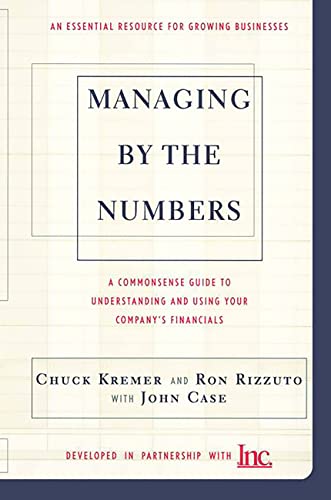
Overview: KPI work becomes much more valuable when it is connected to financial reality, and that is the strength of this book. It helps readers understand how business numbers fit together and how financial data can inform better management decisions. Instead of treating KPIs as isolated dashboard figures, it shows why metrics matter in the context of margins, cash flow, and overall company performance.
Why it stands out: This is one of the best choices for readers who need more than measurement mechanics. It is especially helpful for leaders who are responsible for interpreting results, not just reporting them. The broad financial perspective makes it a strong complement to more KPI-specific books, because it helps readers avoid the common mistake of optimizing a metric that does not improve the business.
Strengths:
- Connects KPIs to broader financial understanding
- Useful for managers who read reports but do not come from finance
- Practical, commonsense approach to business numbers
Best for: Leaders, founders, and managers who want KPI thinking tied to financial performance.
Potential limitations: This is broader than a pure KPI manual, so readers looking only for dashboard design or metric selection may find it more general than expected.
View price, available formats, and reader reviews.
The OKRs Field Book: A Step-by-Step Guide for Objectives and Key Results Coaches

Overview: Readers who are using KPIs alongside OKRs will find this especially relevant. The book is focused on coaching and implementation, which makes it valuable for teams that need to translate strategic objectives into measurable outcomes. It is not trying to be a general business metrics primer. Instead, it gives structure to the practical work of guiding teams through an objectives-and-results system.
Why it stands out: OKRs and KPIs are often confused or blended without much discipline, so a book that treats the system carefully is useful. This one stands out because it serves coaches, managers, and organizational leaders who need to support adoption rather than just explain the terminology. It fills a different role from the more general KPI books on this list, especially in organizations that already use goal-setting frameworks.
Strengths:
- Strong fit for OKR-based organizations
- Practical guidance for coaches and team leaders
- Helpful when KPIs must support broader goal-setting systems
Best for: Leaders, coaches, and teams using OKRs as part of their performance system.
Potential limitations: Readers who are not working with OKRs may not need this level of specificity.
View price, available formats, and reader reviews.
Legal Operations KPIs: The Professional’s Handbook to Operational Excellence

Overview: Some KPI books are most useful when they are tailored to a specific profession, and this one does that well for legal operations. It focuses on operational excellence through the lens of legal work, which is useful for readers responsible for performance measurement inside legal departments or legal ops functions. Rather than giving a generic business framework, it speaks to the realities of a specialized environment where KPIs must balance efficiency, service, and accountability.
Why it stands out: This is the most role-specific book on the list. That specificity is a strength, not a drawback, for readers who work in legal operations and need measurement practices that fit their field. It belongs here because it addresses KPI design in a setting where standard business advice can feel too broad. For the right reader, that targeted approach is exactly what makes it valuable.
Strengths:
- Highly relevant to legal operations professionals
- Focused on operational measurement within a specialized field
- Useful for readers who need KPI guidance tailored to legal work
Best for: Legal operations professionals, in-house legal teams, and operational leaders in legal settings.
Potential limitations: Its narrow focus makes it less useful for readers outside legal operations.
View price, available formats, and reader reviews.
Who This List Is Best For
These recommendations are a good fit for managers, analysts, founders, and operations teams. They are especially useful if you want to understand KPIs with more nuance than a short checklist, quote, or social-media summary can provide.
- Readers who want a clear conceptual foundation before choosing a technique.
- People who prefer to compare research, practical exercises, and real-world examples.
- Professionals, students, or caregivers who need language they can apply in a real conversation or decision.
Use the Best For and Why It Stands Out columns together. A book can be excellent yet still be the wrong starting point if its depth, tone, or intended reader does not match your goal.
Final Thoughts
The strongest choice for KPIs depends on what you need to do next. Begin with Measuring Success: A Practical Guide to KPIs if you need a foundation, move to KPI Checklists if you need a practical change, and consider Managing By The Numbers: A Commonsense Guide To Understanding And Using Your Company’s Financials if you need a broader or more challenging perspective. The comparison table is meant to shorten that decision, not pretend that one book works for every reader.
A useful reading plan is simple: select one book, write down the question you want it to answer, and apply one idea before moving to another recommendation. For this topic, write the decision each KPI is meant to inform, then define owner, cadence, source, and threshold. a KPI can look precise while still measuring the wrong outcome.
FAQ
Which book should I read first for KPIs?
Start with Measuring Success: A Practical Guide to KPIs if you want the clearest foundation. If your immediate need is action rather than background, compare it with KPI Checklists and choose the one whose exercises, examples, or audience match your situation.
How do I choose between a research-based book and a workbook?
Choose the research-oriented option when you need context and a better mental model. Choose the workbook or practical guide when you already understand the problem and need repetition, prompts, or a structured plan. The table’s Best For column is the fastest way to make that distinction.
What is a practical way to use books about KPIs?
Do not read the whole list at once. Pick one recommendation, define the behavior or decision you want to improve, and test a small idea from the book for seven days. For this topic, write the decision each KPI is meant to inform, then define owner, cadence, source, and threshold.
Are these recommendations suitable for self-study?
Yes, for education and structured reflection. Take notes in your own words, mark claims you want to verify, and discuss difficult ideas with a trusted person or qualified professional when appropriate.
Do I need to read every book on the list?
No. One well-matched book that changes what you notice or do is more valuable than collecting several recommendations without applying any of them.




