
Teen psychology sits at an awkward intersection of development, behavior, and family life. Adolescents are old enough to make meaningful choices, but still young enough that brain development, identity formation, peer influence, sleep, stress, and family dynamics all shape those choices in powerful ways. That is why the best books about teen psychology are not all trying to do the same thing. Some explain the science of adolescence. Others help parents understand what is happening beneath the conflict. A few focus on confidence, anxiety, or motivation in ways that are practical for teens themselves.
If you are trying to understand a teenager better, or trying to help one without overreacting, the most useful books are usually the ones that combine psychological insight with real-world usefulness. The titles below were selected for that mix of credibility, clarity, and long-term value.
Quick Answer
If you want the clearest entry point into teen psychology, start with The Teenage Brain: A Neuroscientist’s Survival Guide to Raising Adolescents and Young Adults. It gives you a useful foundation in brain development, identity, habits, anxiety, relationships, and the growing need for autonomy. Choose Untangled: Guiding Teenage Girls Through the Seven Transitions into Adulthood when you want a more applied or contrasting approach, and use The Teen Girl’s Anxiety Survival Guide: Ten Ways to Conquer Anxiety and Feel Your Best when you want to extend the idea into a different context.
This list is designed for teens, parents, educators, and adults trying to understand adolescence. The recommendations are intentionally varied: some explain the underlying research, some offer exercises, and some are strongest as narrative or leadership case studies. That variety makes it easier to choose a book that matches your current question rather than buying the longest list.
Comparison Table
| Book | Best For | Why It Stands Out |
|---|---|---|
| The Teenage Brain: A Neuroscientist’s Survival Guide to Raising Adolescents and Young Adults | Parents, caregivers, educators, and readers who want a strong scientific overview of adolescence. | Among books about teen psychology, this is one of the clearest bridges between neuroscience and parenting. It helps adults interpret behavior more accurately and respond with less panic and more perspective. That makes it especially… |
| Untangled: Guiding Teenage Girls Through the Seven Transitions into Adulthood | Parents, guardians, counselors, and educators working closely with teenage girls. | For parents of girls, this is one of the most practical books about teen psychology because it translates broad developmental theory into recognizable stages of adolescence. It does not flatten every teenager into the same experience.… |
| The Teen Girl’s Anxiety Survival Guide: Ten Ways to Conquer Anxiety and Feel Your Best | Teen girls dealing with anxiety, and adults looking for a supportive resource to recommend. | The strongest reason to recommend it is its direct usefulness. Many books about teen psychology explain why adolescents feel stressed. Fewer give teens a usable framework for working with anxiety in a way that feels accessible. This one… |
| The 7 Habits of Highly Effective Teens | Teens who want motivation, direction, and a simple framework for stronger habits. | Compared with more clinical books on adolescent development, this one is better for teens who want a straightforward personal improvement book they can actually finish. Its value lies in accessibility. The advice is organized in a way… |
| Do Hard Things: A Teenage Rebellion Against Low Expectations | Teens who want motivation, confidence, and a more purposeful approach to growing up. | Some books about teen psychology are written mainly for adults trying to understand adolescents. This one speaks more directly to teens who need a nudge toward ownership and action. It is especially useful for families, youth groups, or… |
| Asking About Sex & Growing Up: A Question-and-Answer Book for Kids | Parents and caregivers of younger teens, especially those starting puberty-related conversations. | The book works well for families who want a non-alarmist way to handle sensitive developmental questions. It is especially valuable as a bridge resource, helping younger teens or preteens get reliable information before the conversation… |
| Psych 101: Psychology Facts, Basics, Statistics, Tests, and More! (Adams 101 Series) | Beginners, students, and readers who want general psychology background before specializing. | The reason to include it here is educational range. Some readers searching for the best books about teen psychology really want a manageable entry point into psychology itself. This book gives that foundation, which can make later reading… |
How We Chose These Recommendations
This list favors books that actually help readers understand teenage behavior, emotion, and development rather than books that simply use teen-friendly language. For a topic like teen psychology, that means giving priority to established, evidence-informed titles with a practical payoff for parents, educators, students, and teens themselves.
We also looked for variety in approach. Some books explain the adolescent brain. Some focus on emotional health. Some are better for everyday parenting and conversation. A few are written for teens who want guidance directly, rather than for the adults around them. That balance matters because teen psychology is not one problem with one solution. The right book depends on whether you want science, strategy, reassurance, or a more structured self-help approach.
Recommended Books
The Teenage Brain: A Neuroscientist’s Survival Guide to Raising Adolescents and Young Adults
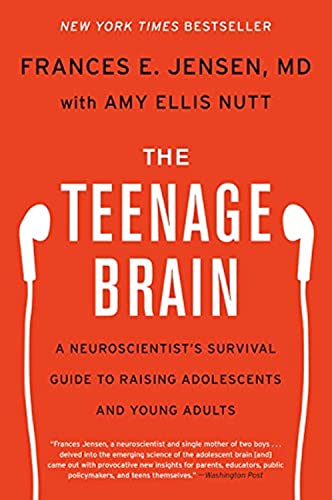
Overview: This book explains adolescent behavior through the lens of brain development, which makes it especially useful for readers who want a scientific framework for understanding impulsivity, emotional intensity, sleep needs, and risk-taking. Instead of treating teen behavior as simple defiance, it shows how developmental changes influence judgment and self-control.
Why it stands out: Among books about teen psychology, this is one of the clearest bridges between neuroscience and parenting. It helps adults interpret behavior more accurately and respond with less panic and more perspective. That makes it especially valuable for parents, teachers, and anyone trying to separate normal development from actual cause for concern.
Strengths:
- Grounds everyday behavior in adolescent brain science
- Helps adults understand why teens can be inconsistent
- Useful for family conversations, school settings, and general learning
Best for: Parents, caregivers, educators, and readers who want a strong scientific overview of adolescence.
Potential limitations: Readers looking for a quick self-help manual for teens may find it more explanatory than actionable.
View price, available formats, and reader reviews.
Untangled: Guiding Teenage Girls Through the Seven Transitions into Adulthood

Overview: This book organizes the teenage years around seven major transitions that many girls move through on the way to adulthood, including shifts in identity, family relationships, emotion, and independence. The structure makes it easier to recognize patterns that can otherwise feel confusing or personal.
Why it stands out: For parents of girls, this is one of the most practical books about teen psychology because it translates broad developmental theory into recognizable stages of adolescence. It does not flatten every teenager into the same experience. Instead, it gives readers a way to see behavior as part of a larger developmental arc, which can reduce reactive parenting and improve communication.
Strengths:
- Clear developmental framework that is easy to remember
- Especially helpful for understanding mother-daughter or parent-daughter dynamics
- Balances emotional insight with practical guidance
Best for: Parents, guardians, counselors, and educators working closely with teenage girls.
Potential limitations: It is focused on girls and may not address every family situation or identity experience.
View price, available formats, and reader reviews.
The Teen Girl’s Anxiety Survival Guide: Ten Ways to Conquer Anxiety and Feel Your Best

Overview: This is a practical anxiety book for teen girls that focuses on manageable strategies rather than dense theory. It addresses worry, nervous habits, overwhelm, and the day-to-day experience of feeling on edge, making it useful for readers who need concrete tools more than broad psychological background.
Why it stands out: The strongest reason to recommend it is its direct usefulness. Many books about teen psychology explain why adolescents feel stressed. Fewer give teens a usable framework for working with anxiety in a way that feels accessible. This one does, and that makes it a strong choice for self-directed reading or gentle support from a parent or counselor.
Strengths:
- Focused on common teen anxiety experiences
- Practical and approachable rather than overly clinical
- Useful for teens who want coping strategies they can apply quickly
Best for: Teen girls dealing with anxiety, and adults looking for a supportive resource to recommend.
Potential limitations: It is more of a self-help guide than a deep clinical or research text.
View price, available formats, and reader reviews.
The 7 Habits of Highly Effective Teens

Overview: This long-running teen self-help book focuses on habits, decision-making, time use, goal setting, and personal responsibility. It is less about diagnosing teen behavior and more about helping teens build a workable structure for school, relationships, and daily choices.
Why it stands out: Compared with more clinical books on adolescent development, this one is better for teens who want a straightforward personal improvement book they can actually finish. Its value lies in accessibility. The advice is organized in a way that makes it easy to discuss at home or use in a classroom or mentoring setting.
Strengths:
- Clear, practical structure for teen readers
- Works well for goal-setting and personal responsibility
- Readable for reluctant self-help readers
Best for: Teens who want motivation, direction, and a simple framework for stronger habits.
Potential limitations: Readers seeking more research-based psychology may want something more clinical alongside it.
View price, available formats, and reader reviews.
Do Hard Things: A Teenage Rebellion Against Low Expectations

Overview: This book encourages teenagers to take responsibility, think beyond low expectations, and act with maturity in ordinary life. Rather than focusing on pathology or mental health concerns, it addresses the psychology of ambition, effort, and resilience in a teen-centered way.
Why it stands out: Some books about teen psychology are written mainly for adults trying to understand adolescents. This one speaks more directly to teens who need a nudge toward ownership and action. It is especially useful for families, youth groups, or educators who want a values-based book that still feels practical and age-appropriate.
Strengths:
- Strong emphasis on responsibility and initiative
- Teen-centered rather than adult-centered tone
- Useful for readers who respond well to challenge and encouragement
Best for: Teens who want motivation, confidence, and a more purposeful approach to growing up.
Potential limitations: The style is more exhortational than clinical, so it is not the best fit for readers wanting a research-heavy psychology book.
View price, available formats, and reader reviews.
Asking About Sex & Growing Up: A Question-and-Answer Book for Kids
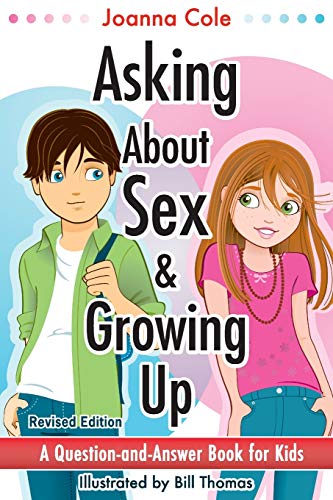
Overview: This question-and-answer resource covers sex education and growing up in a straightforward, age-appropriate format. While it is aimed at kids rather than older teens, it still earns a place on a teen psychology list because puberty, boundaries, body changes, and early sexual development are part of adolescence and often need calm, factual explanation.
Why it stands out: The book works well for families who want a non-alarmist way to handle sensitive developmental questions. It is especially valuable as a bridge resource, helping younger teens or preteens get reliable information before the conversation becomes more complicated. The format is especially useful for readers who want to ask a question, get an answer, and move on without a heavy tone.
Strengths:
- Direct Q&A format makes it easy to use
- Good for early adolescence and preadolescence
- Helps adults discuss sensitive topics calmly
Best for: Parents and caregivers of younger teens, especially those starting puberty-related conversations.
Potential limitations: Older teens may find it too basic.
View price, available formats, and reader reviews.
Psych 101: Psychology Facts, Basics, Statistics, Tests, and More! (Adams 101 Series)

Overview: This broad psychology primer is not a teen-specific book, but it can still be useful for readers who want a basic understanding of psychological concepts before moving into more focused material on adolescence. It covers foundational ideas in an accessible way.
Why it stands out: The reason to include it here is educational range. Some readers searching for the best books about teen psychology really want a manageable entry point into psychology itself. This book gives that foundation, which can make later reading on development, emotion, behavior, and family dynamics easier to follow.
Strengths:
- Broad introduction to core psychology topics
- Approachable for curious beginners
- Helpful as a stepping-stone to more specialized adolescent reading
Best for: Beginners, students, and readers who want general psychology background before specializing.
Potential limitations: It is wider in scope than most teen psychology books, so it is not the most targeted option on this list.
View price, available formats, and reader reviews.
Who This List Is Best For
These recommendations are a good fit for teens, parents, educators, and adults trying to understand adolescence. They are especially useful if you want to understand teen psychology with more nuance than a short checklist, quote, or social-media summary can provide.
- Readers who want a clear conceptual foundation before choosing a technique.
- People who prefer to compare research, practical exercises, and real-world examples.
- Professionals, students, or caregivers who need language they can apply in a real conversation or decision.
Use the Best For and Why It Stands Out columns together. A book can be excellent yet still be the wrong starting point if its depth, tone, or intended reader does not match your goal.
Final Thoughts
The strongest choice for teen psychology depends on what you need to do next. Begin with The Teenage Brain: A Neuroscientist’s Survival Guide to Raising Adolescents and Young Adults if you need a foundation, move to Untangled: Guiding Teenage Girls Through the Seven Transitions into Adulthood if you need a practical change, and consider The Teen Girl’s Anxiety Survival Guide: Ten Ways to Conquer Anxiety and Feel Your Best if you need a broader or more challenging perspective. The comparison table is meant to shorten that decision, not pretend that one book works for every reader.
A useful reading plan is simple: select one book, write down the question you want it to answer, and apply one idea before moving to another recommendation. For this topic, use the books to open a specific conversation rather than presenting a teen with a label or lecture. adolescence varies widely; serious distress or risk needs qualified support. Books can support reflection and skills practice, but they are not a substitute for qualified professional care when symptoms are severe, persistent, or unsafe.
FAQ
Which book should I read first for teen psychology?
Start with The Teenage Brain: A Neuroscientist’s Survival Guide to Raising Adolescents and Young Adults if you want the clearest foundation. If your immediate need is action rather than background, compare it with Untangled: Guiding Teenage Girls Through the Seven Transitions into Adulthood and choose the one whose exercises, examples, or audience match your situation.
How do I choose between a research-based book and a workbook?
Choose the research-oriented option when you need context and a better mental model. Choose the workbook or practical guide when you already understand the problem and need repetition, prompts, or a structured plan. The table’s Best For column is the fastest way to make that distinction.
What is a practical way to use books about teen psychology?
Do not read the whole list at once. Pick one recommendation, define the behavior or decision you want to improve, and test a small idea from the book for seven days. For this topic, use the books to open a specific conversation rather than presenting a teen with a label or lecture.
Are these recommendations suitable for self-study?
Yes, for education and structured reflection. Take notes in your own words, mark claims you want to verify, and discuss difficult ideas with a trusted person or qualified professional when appropriate. Books can support reflection and skills practice, but they are not a substitute for qualified professional care when symptoms are severe, persistent, or unsafe.
Do I need to read every book on the list?
No. One well-matched book that changes what you notice or do is more valuable than collecting several recommendations without applying any of them.