
Self-respect is one of those qualities people often want to strengthen without knowing where to start. Sometimes the problem is low confidence. Sometimes it is a habit of over-apologizing, tolerating too much, or measuring your worth by other people’s reactions. And sometimes the need is more specific: a reader wants practical boundaries, a healthier inner voice, or a more grounded sense of dignity. The best books for self respect do not all approach the subject the same way, which is exactly why a short, carefully chosen list is more useful than a long one.
The titles below were selected for different kinds of readers. Some focus on self-compassion, some on boundaries, some on self-esteem, and one on a more explicitly spiritual understanding of dignity and identity. That range matters because self respect can be built from more than one angle, and the right book depends on what feels most broken, most confusing, or most urgent.
Quick Answer
If you want the clearest entry point into self-respect, start with Self-Compassion: The Proven Power of Being Kind to Yourself. It gives you a useful foundation in values, self-compassion, limits, responsibility, and the difference between respect and approval. Choose Set Boundaries, Find Peace: A Guide to Reclaiming Yourself when you want a more applied or contrasting approach, and use The Six Pillars of Self-Esteem: The Definitive Work on Self-Esteem by the Leading Pioneer in the Field when you want to extend the idea into a different context.
This list is designed for readers building boundaries, dignity, self-acceptance, and healthier relationships. The recommendations are intentionally varied: some explain the underlying research, some offer exercises, and some are strongest as narrative or leadership case studies. That variety makes it easier to choose a book that matches your current question rather than buying the longest list.
Comparison Table
| Book | Best For | Why It Stands Out |
|---|---|---|
| Self-Compassion: The Proven Power of Being Kind to Yourself | Readers who are hard on themselves, struggle with shame, or want a gentler path toward self respect. | Among books on self respect, this one is especially helpful because it addresses the inner voice directly. Many people know how to speak kindly to others but are unreasonably severe with themselves. That gap is where the book does its… |
| Set Boundaries, Find Peace: A Guide to Reclaiming Yourself | People who struggle with people-pleasing, resentment, burnout, or guilt around saying no. | Compared with broader self-help books, this one focuses on a skill that changes daily life fast. Boundaries are where self respect becomes visible. If a person cannot protect their time, energy, or emotional bandwidth, confidence alone… |
| The Six Pillars of Self-Esteem: The Definitive Work on Self-Esteem by the Leading Pioneer in the Field | Readers who want a classic reference on self-worth rather than a light motivational book. | The main value here is depth. Where some books focus on single problems like confidence or boundaries, this one explains the larger architecture underneath them. That makes it especially useful for readers who want to understand why self… |
| The Freedom of Self Forgetfulness: The Path to True Christian Joy | Christian readers, church groups, or anyone seeking a faith-based perspective on identity and self-worth. | For readers who want a spiritually grounded view of self respect, this book offers something distinct from mainstream self-help. It is not about boosting ego. It is about releasing the ego’s control. That makes it especially fitting for… |
| Best Self: Be You, Only Better | Readers who want a motivational, big-picture book on becoming more grounded and self-directed. | Some books on self respect are inward and some are practical. This one bridges the two in an accessible way. It is useful for readers who want a motivating overview rather than a specialized deep dive. In a list like this, it plays the… |
| Love & Respect: The Love She Most Desires; The Respect He Desperately Needs | Married readers or couples who want to understand how respect, frustration, and emotional needs affect their relationship. | Not every self respect issue is purely internal. Sometimes the problem is relational and shows up most clearly at home. This book offers a framework for understanding how emotional needs and respect interact in marriage. That makes it… |
| Building Unstoppable Self-Confidence for Teens: The Fail-Safe Formula for Finding Yourself, Overcoming Limitations and Creating Your Best Life from the Inside Out | Teens who need practical encouragement and adults helping them build confidence and self-respect. | The strongest reason to include this book is its audience fit. A lot of self-respect books are written for adults and assume a level of emotional stability or life experience that teens do not yet have. This title speaks directly to a… |
How We Chose These Recommendations
These books were chosen for practical value, long-term usefulness, and clear relevance to the problem of self respect. Some are field-defining books that have shaped how readers think about self-esteem and personal boundaries. Others are more targeted, helping with a specific version of the problem, such as teenage confidence, spiritual identity, or relationship dynamics.
Just as important, each recommendation offers a distinct approach. That gives readers room to choose based on what they need most right now. If you want more emotional softness, one book makes sense. If you need firmer boundaries, another is a better fit. If you want a more philosophical or spiritual foundation, there are stronger options for that as well.
Recommended Books
Self-Compassion: The Proven Power of Being Kind to Yourself

Overview: This book lays out a practical case for treating yourself with the same decency you would offer someone you care about. Rather than encouraging passive self-acceptance, it shows how self-compassion can support emotional resilience, better decisions, and a steadier sense of worth. For readers whose self respect is undermined by constant self-criticism, this is one of the clearest starting points.
Why it stands out: Among books on self respect, this one is especially helpful because it addresses the inner voice directly. Many people know how to speak kindly to others but are unreasonably severe with themselves. That gap is where the book does its best work. It gives readers a language for replacing shame, comparison, and perfectionism with something more sustainable.
Strengths:
- Grounded in a clear, usable framework
- Helps readers understand self-criticism without excusing harmful behavior
- Useful for anyone trying to build confidence from the inside out
Best for: Readers who are hard on themselves, struggle with shame, or want a gentler path toward self respect.
Potential limitations: Readers looking for highly directive step-by-step exercises may find it more reflective than tactical.
View price, available formats, and reader reviews.
Set Boundaries, Find Peace: A Guide to Reclaiming Yourself

Overview: This is a practical guide for readers who know they give too much away, say yes too quickly, or feel worn down by other people’s expectations. It connects self respect to concrete behavior, especially the ability to set limits without overexplaining or collapsing into guilt. The book is especially useful for readers who understand the idea of self-worth but have trouble acting on it.
Why it stands out: Compared with broader self-help books, this one focuses on a skill that changes daily life fast. Boundaries are where self respect becomes visible. If a person cannot protect their time, energy, or emotional bandwidth, confidence alone will not solve the problem. That makes this book one of the most practical choices on the list.
Strengths:
- Direct, reader-friendly advice
- Very applicable to family, work, and friendship settings
- Connects emotional health with real-world decision-making
Best for: People who struggle with people-pleasing, resentment, burnout, or guilt around saying no.
Potential limitations: Readers wanting a more theoretical or psychological treatment of self-respect may find it focused on application more than analysis.
View price, available formats, and reader reviews.
The Six Pillars of Self-Esteem: The Definitive Work on Self-Esteem by the Leading Pioneer in the Field

Overview: This classic book takes a more foundational approach than most modern self-help titles. It argues that self-esteem is not built by applause or positive thinking alone, but by how we live, think, and take responsibility for ourselves over time. For readers who want a serious, structured understanding of self respect, it remains one of the most influential books available.
Why it stands out: The main value here is depth. Where some books focus on single problems like confidence or boundaries, this one explains the larger architecture underneath them. That makes it especially useful for readers who want to understand why self respect rises or falls in the first place. It is more substantial than a quick motivational read, but that is part of its strength.
Strengths:
- Well-regarded foundation for understanding self-esteem
- Connects inner beliefs with daily practices
- Useful for readers who prefer a serious, methodical approach
Best for: Readers who want a classic reference on self-worth rather than a light motivational book.
Potential limitations: It is denser than some modern alternatives and may feel more formal or reflective than immediately practical.
View price, available formats, and reader reviews.
The Freedom of Self Forgetfulness: The Path to True Christian Joy

Overview: This short Christian book approaches self respect from an unusual angle. Instead of encouraging readers to obsess over themselves, it argues for a healthier humility that frees them from approval-seeking and self-preoccupation. The result is a compact meditation on identity, grace, and the relief that comes from no longer needing to perform for every audience.
Why it stands out: For readers who want a spiritually grounded view of self respect, this book offers something distinct from mainstream self-help. It is not about boosting ego. It is about releasing the ego’s control. That makes it especially fitting for Christians who want dignity without self-focus, or for anyone interested in a quieter, more contemplative path to security.
Strengths:
- Brief and readable
- Clear Christian perspective
- Helps readers rethink approval, pride, and insecurity together
Best for: Christian readers, church groups, or anyone seeking a faith-based perspective on identity and self-worth.
Potential limitations: The book is specifically theological, so it will not be the best fit for readers looking for a secular framework.
View price, available formats, and reader reviews.
Best Self: Be You, Only Better

Overview: This book is built for readers who want a broader personal reset. It looks at how to become more intentional, more self-aware, and more aligned with the life you actually want to live. While it is not as focused as the books on boundaries or self-compassion, it can be a strong fit for readers who want self respect to show up in everyday habits, decisions, and priorities.
Why it stands out: Some books on self respect are inward and some are practical. This one bridges the two in an accessible way. It is useful for readers who want a motivating overview rather than a specialized deep dive. In a list like this, it plays the role of a broad, energizing companion to the more targeted recommendations.
Strengths:
- Accessible for general readers
- Encourages intentional self-improvement without sounding harsh
- Works well for readers who want a wider life reset
Best for: Readers who want a motivational, big-picture book on becoming more grounded and self-directed.
Potential limitations: It is less specialized than the more focused books on this list, so readers with a very specific problem may want a narrower title first.
View price, available formats, and reader reviews.
Love & Respect: The Love She Most Desires; The Respect He Desperately Needs
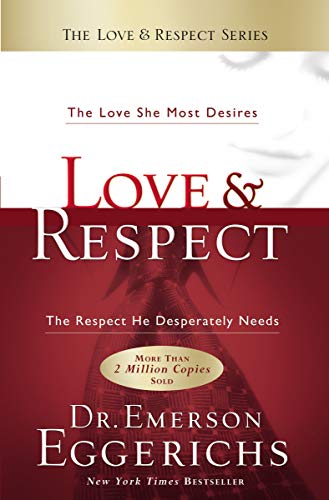
Overview: Although this is primarily a marriage book, it belongs on a list about self respect because it addresses how respect functions inside close relationships. Readers who feel dismissed, misunderstood, or stuck in recurring conflict may recognize patterns here that affect their own sense of worth. The book focuses on relationship dynamics rather than self-esteem in the abstract, which makes it especially useful in a marriage or partnership context.
Why it stands out: Not every self respect issue is purely internal. Sometimes the problem is relational and shows up most clearly at home. This book offers a framework for understanding how emotional needs and respect interact in marriage. That makes it more specific than the other titles on this list, and more useful for readers whose concern is tied to partnership rather than general confidence.
Strengths:
- Focused on real relationship patterns
- Useful for couples trying to reduce recurring conflict
- Connects respect with everyday communication
Best for: Married readers or couples who want to understand how respect, frustration, and emotional needs affect their relationship.
Potential limitations: Because it is centered on marriage, it is less relevant for readers looking for a general self-help book on personal self-worth.
View price, available formats, and reader reviews.
Building Unstoppable Self-Confidence for Teens: The Fail-Safe Formula for Finding Yourself, Overcoming Limitations and Creating Your Best Life from the Inside Out

Overview: This teen-focused book is aimed at readers who are still forming their identity and confidence. It addresses self-belief from the inside out, with an emphasis on finding yourself, overcoming limitations, and building a stronger sense of personal direction. For younger readers, that developmental focus matters. Self respect in the teen years often starts with learning how to trust your own judgment.
Why it stands out: The strongest reason to include this book is its audience fit. A lot of self-respect books are written for adults and assume a level of emotional stability or life experience that teens do not yet have. This title speaks directly to a younger stage of life, which makes it a better match for students, parents, and counselors looking for age-appropriate guidance.
Strengths:
- Tailored to teen readers
- Addresses confidence as a developmental skill
- Useful for school-age readers navigating identity and pressure
Best for: Teens who need practical encouragement and adults helping them build confidence and self-respect.
Potential limitations: Readers beyond the teen years may find it too age-specific for their needs.
View price, available formats, and reader reviews.
Who This List Is Best For
These recommendations are a good fit for readers building boundaries, dignity, self-acceptance, and healthier relationships. They are especially useful if you want to understand self-respect with more nuance than a short checklist, quote, or social-media summary can provide.
- Readers who want a clear conceptual foundation before choosing a technique.
- People who prefer to compare research, practical exercises, and real-world examples.
- Professionals, students, or caregivers who need language they can apply in a real conversation or decision.
Use the Best For and Why It Stands Out columns together. A book can be excellent yet still be the wrong starting point if its depth, tone, or intended reader does not match your goal.
Final Thoughts
The strongest choice for self-respect depends on what you need to do next. Begin with Self-Compassion: The Proven Power of Being Kind to Yourself if you need a foundation, move to Set Boundaries, Find Peace: A Guide to Reclaiming Yourself if you need a practical change, and consider The Six Pillars of Self-Esteem: The Definitive Work on Self-Esteem by the Leading Pioneer in the Field if you need a broader or more challenging perspective. The comparison table is meant to shorten that decision, not pretend that one book works for every reader.
A useful reading plan is simple: select one book, write down the question you want it to answer, and apply one idea before moving to another recommendation. For this topic, set one boundary that protects a value without turning it into a demand for control. self-respect includes accountability and does not require emotional isolation. Books can support reflection and skills practice, but they are not a substitute for qualified professional care when symptoms are severe, persistent, or unsafe.
FAQ
Which book should I read first for self-respect?
Start with Self-Compassion: The Proven Power of Being Kind to Yourself if you want the clearest foundation. If your immediate need is action rather than background, compare it with Set Boundaries, Find Peace: A Guide to Reclaiming Yourself and choose the one whose exercises, examples, or audience match your situation.
How do I choose between a research-based book and a workbook?
Choose the research-oriented option when you need context and a better mental model. Choose the workbook or practical guide when you already understand the problem and need repetition, prompts, or a structured plan. The table’s Best For column is the fastest way to make that distinction.
What is a practical way to use books about self-respect?
Do not read the whole list at once. Pick one recommendation, define the behavior or decision you want to improve, and test a small idea from the book for seven days. For this topic, set one boundary that protects a value without turning it into a demand for control.
Are these recommendations suitable for self-study?
Yes, for education and structured reflection. Take notes in your own words, mark claims you want to verify, and discuss difficult ideas with a trusted person or qualified professional when appropriate. Books can support reflection and skills practice, but they are not a substitute for qualified professional care when symptoms are severe, persistent, or unsafe.
Do I need to read every book on the list?
No. One well-matched book that changes what you notice or do is more valuable than collecting several recommendations without applying any of them.